
Diamond Guides
Expert insights to help you navigate the world of diamonds with confidence. From decoding the 4Cs and understanding complex certifications to finding the perfect wedding band pairing for your unique setting, our guides break down the technical details into simple, actionable advice. Whether you are a first-time buyer or a seasoned collector, discover everything you need to select a stone that reflects your style and stands the test of time.
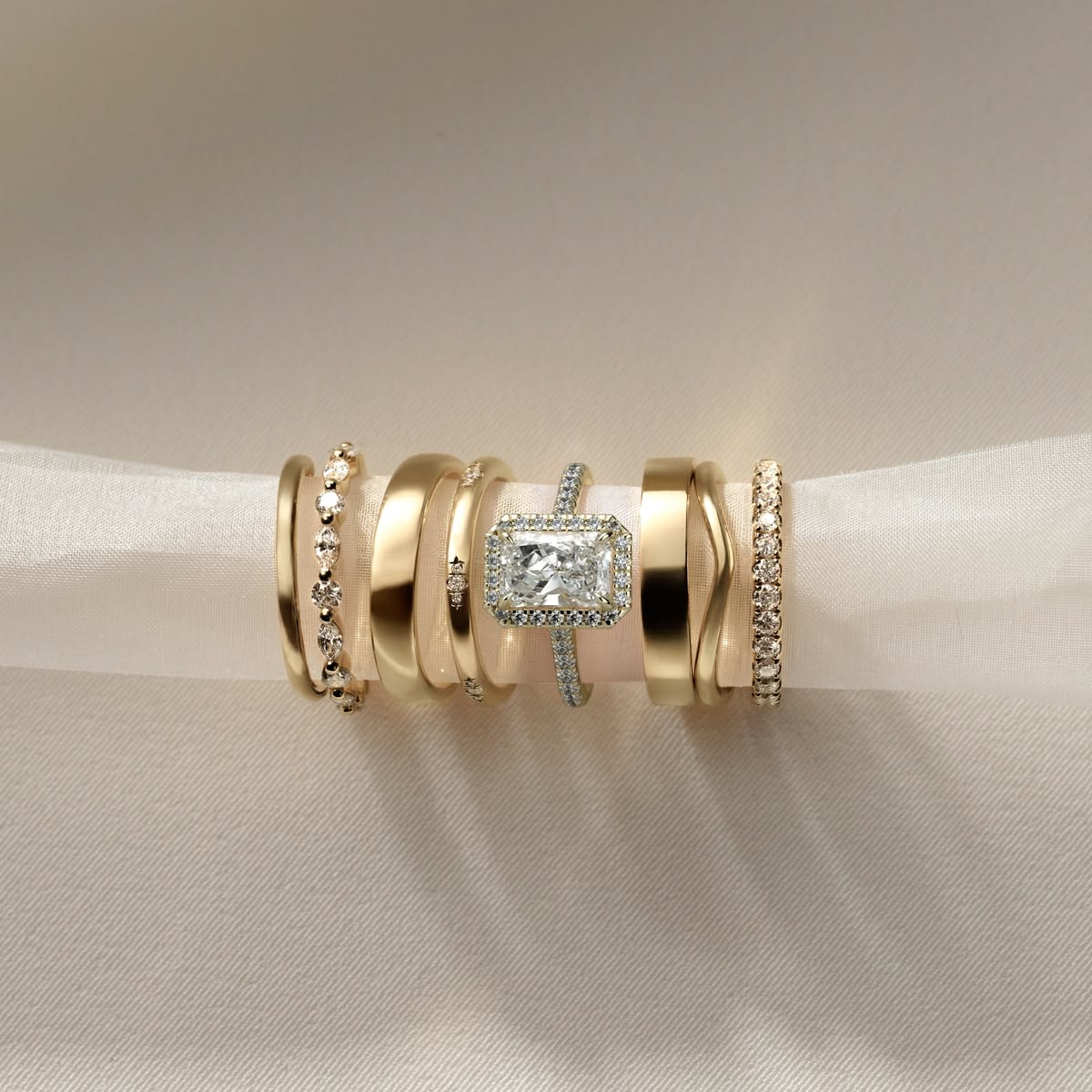
Gold Jewellery: 14k vs 18k and White, Yellow and Rose Gold
What 14k and 18k mean, how yellow, white and rose gold differ and when to choose gold over silver: a clear guide with a comparison table.
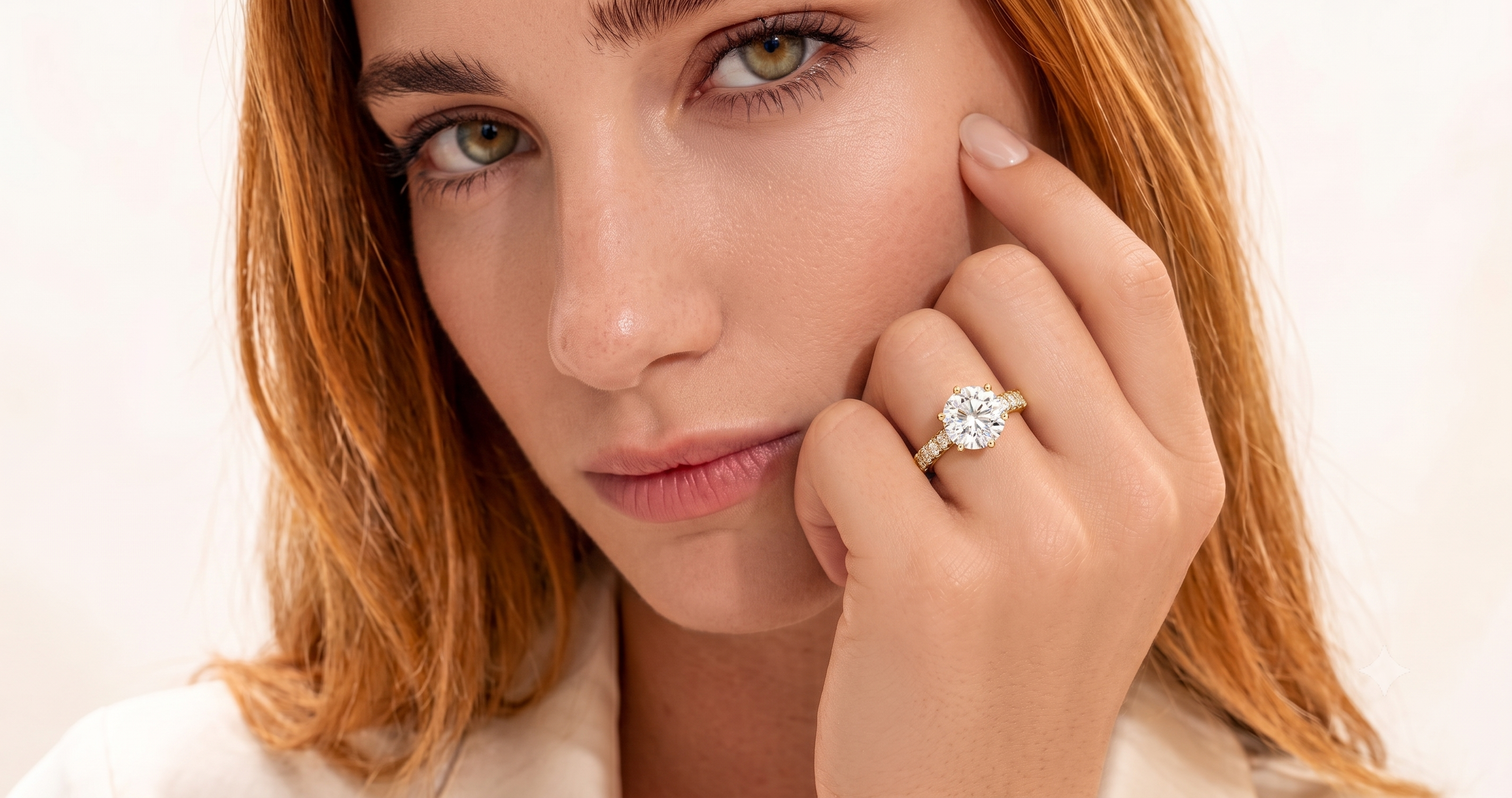
Are lab-grown diamonds a good investment?
Do lab-grown diamonds lose their resale value? The honest answer is yes—but so do natural ones. In this article, we explain without any sugarcoating why no diamond is a financial investment, how the real math of depreciation works, and what you should actually focus on when choosing an engagement ring.
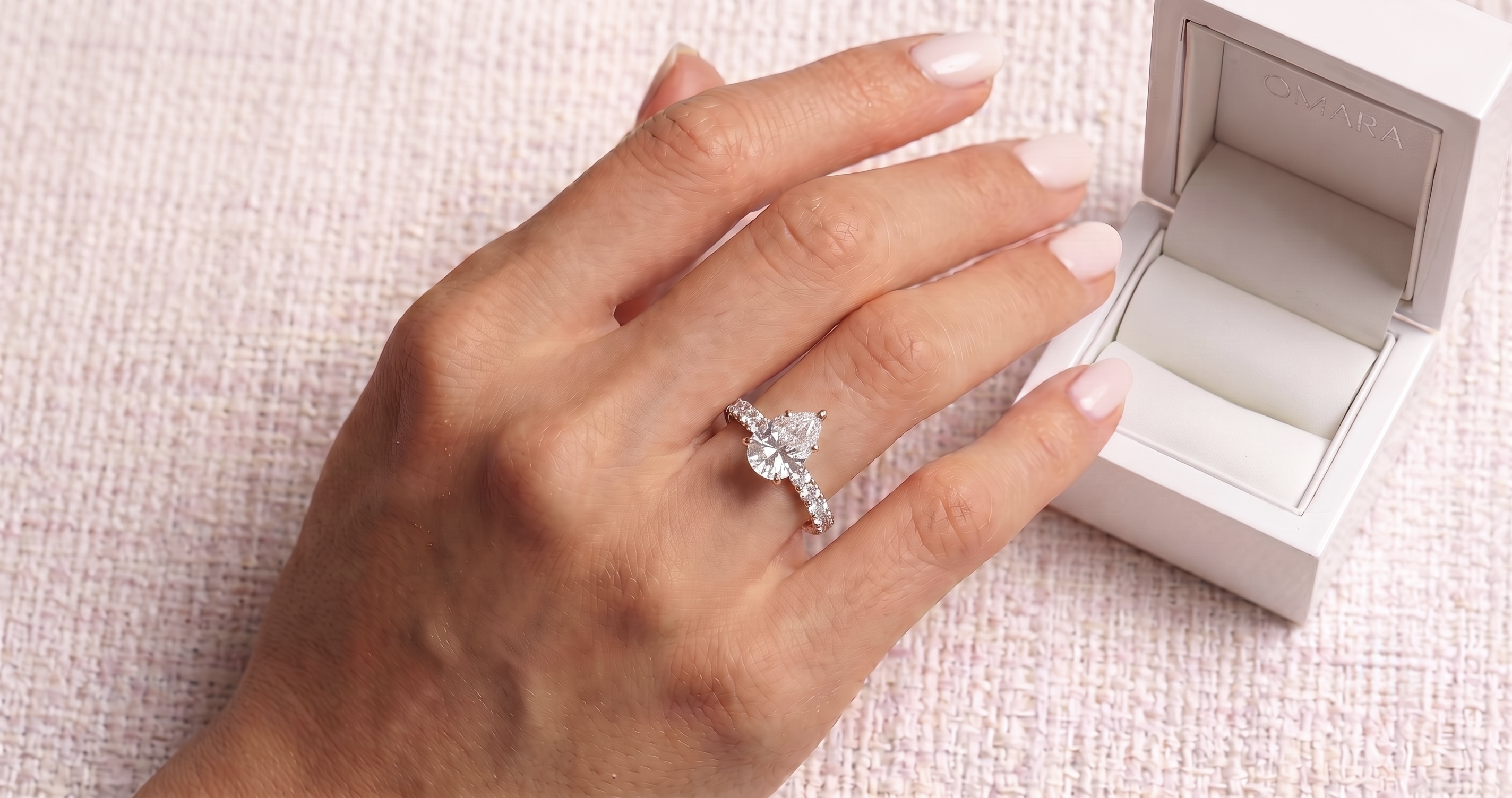
The 4Cs Made Simple: What Really Affects a Diamond's Appearance
Shop for a diamond for the first time and you'll quickly run into four letters: Cut, Color, Clarity, Carat. On a certificate, these show up as a wall of grades and abbreviations that can feel more intimidating than helpful. That's exactly what this guide to the 4Cs of diamonds explained is for: a clear, practical walkthrough of what each C really measures, which differences your eye can actually see, and which ones only ever show up on paper.
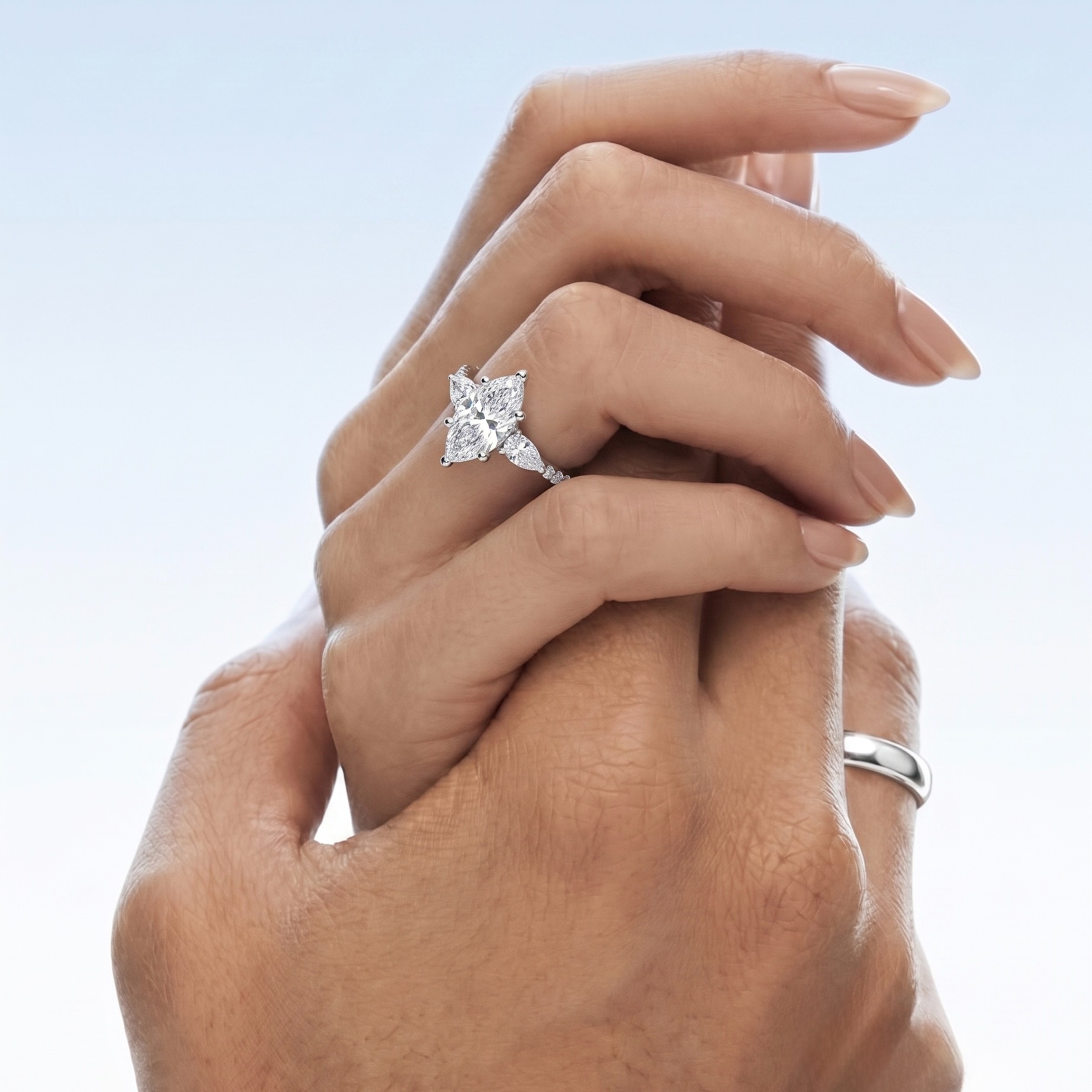
What a Diamond Certificate Actually Means (and Why It Matters)
Buying a diamond and want to be sure you're getting exactly what you pay for? An independent certificate isn't just an extra piece of paper—it's your guarantee of quality and transparency. In this article, we explain why it matters, how to properly read its parameters, and why you should only trust internationally recognized labs like GIA and IGI when making your choice.
Lab-Grown vs. Mined Diamonds: An Honest Comparison
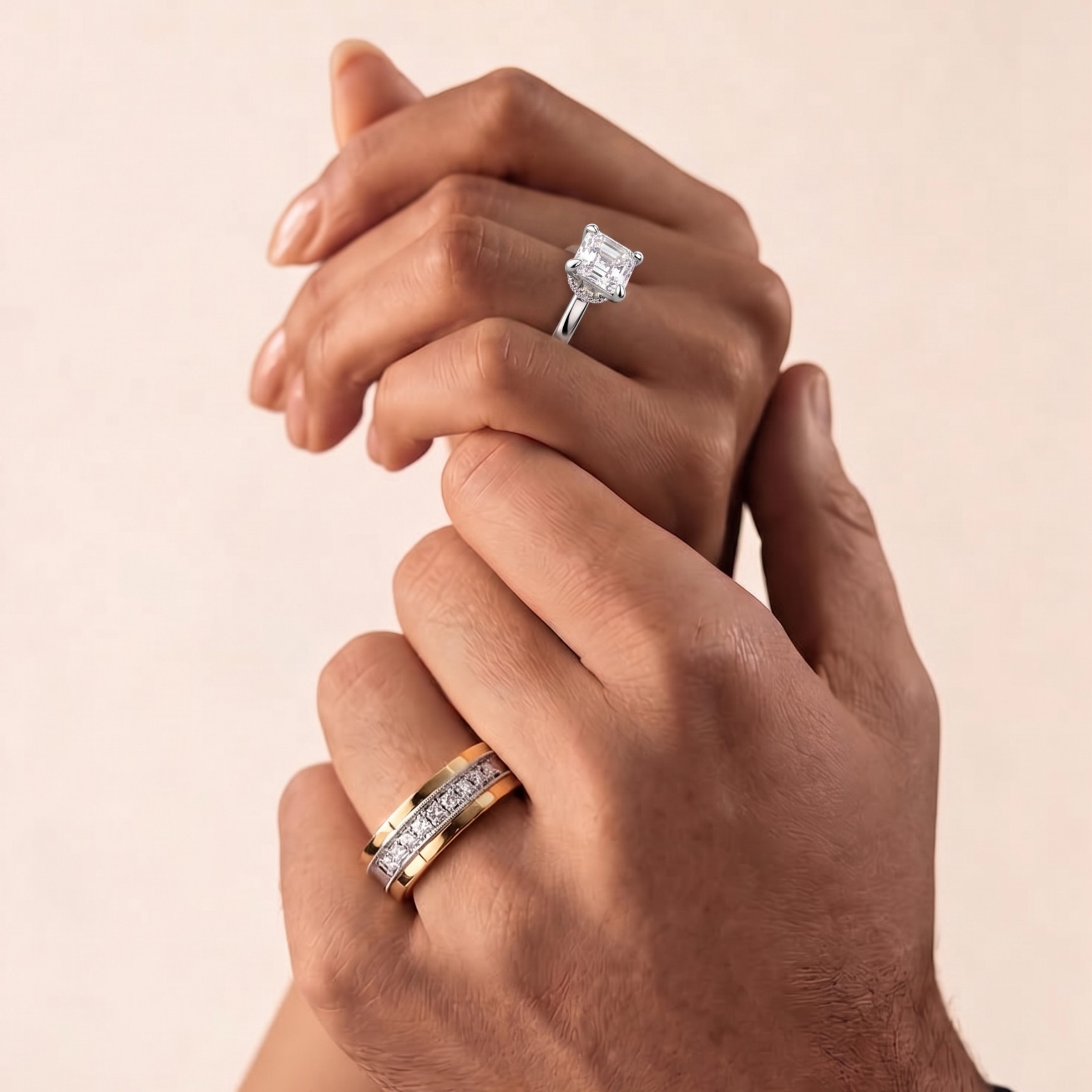
An engagement ring with a lab-grown or a natural diamond? Discover the facts without the marketing fluff. In this article, we honestly compare their origins, quality, price, and future value to help you decide which choice makes the most sense for you and your budget.
Internally Flawless (IF) Diamond Clarity Guide
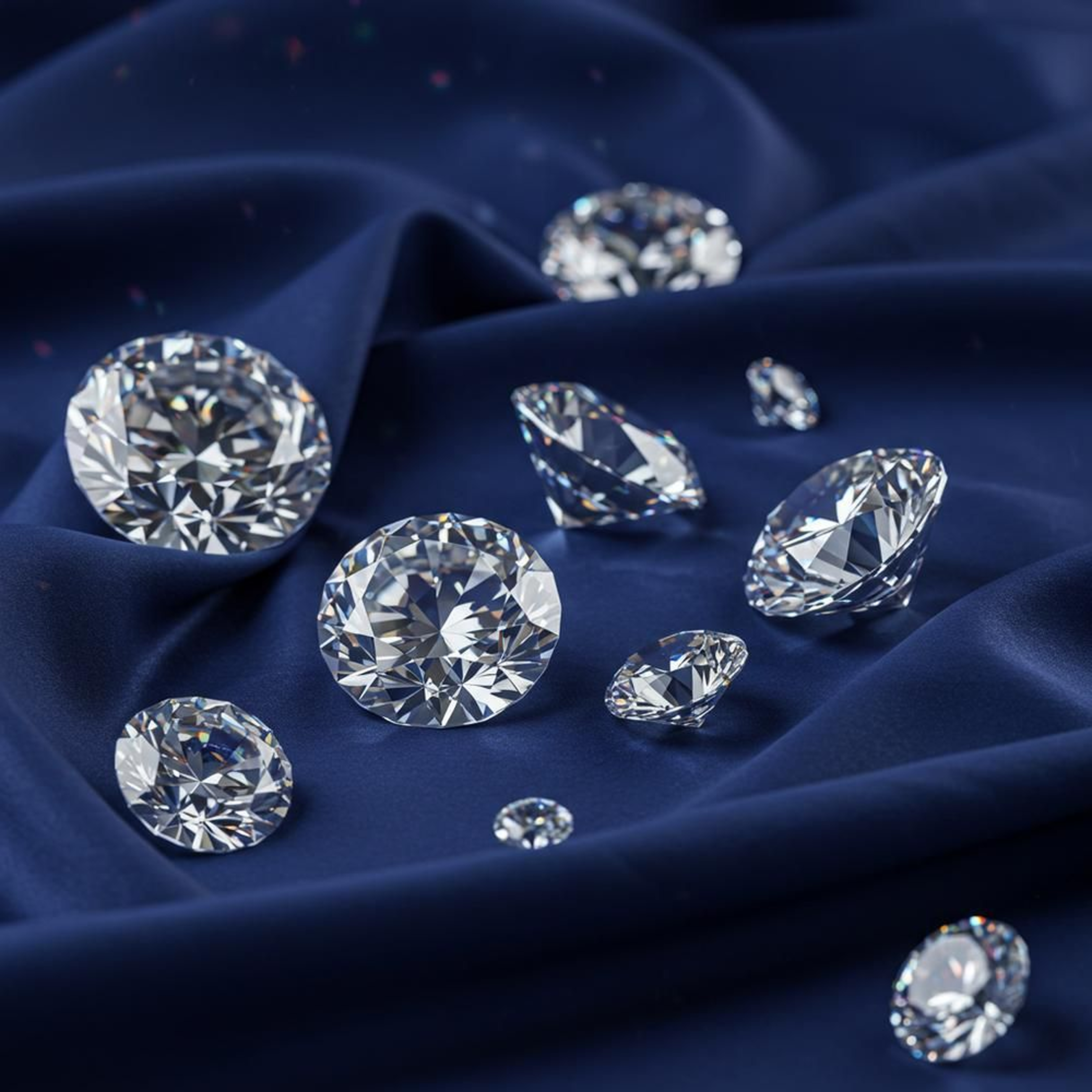
Internally Flawless (IF) represents the second-highest clarity grade on the Gemological Institute of America (GIA) scale.

Very, Very Slightly Included (VVS) Diamond Clarity Guide
Very, Very Slightly Included (VVS) diamonds represent some of the highest clarity grades available, sitting just below Flawless and Internally Flawless grades on the GIA clarity scale.

A Comprehensive Guide to Diamond Inclusions and Blemishes
Inclusions exist in virtually all diamonds, whether natural or lab grown. These internal features affect a diamond's clarity grading, value, and appearance.

Understanding I1, I2, and I3 Diamond Clarity
Diamond clarity in the Included grades represents the lowest end of the clarity spectrum, where inclusions are visible to the unaided eye.