
Gold Jewellery: 14k vs 18k and White, Yellow and Rose Gold
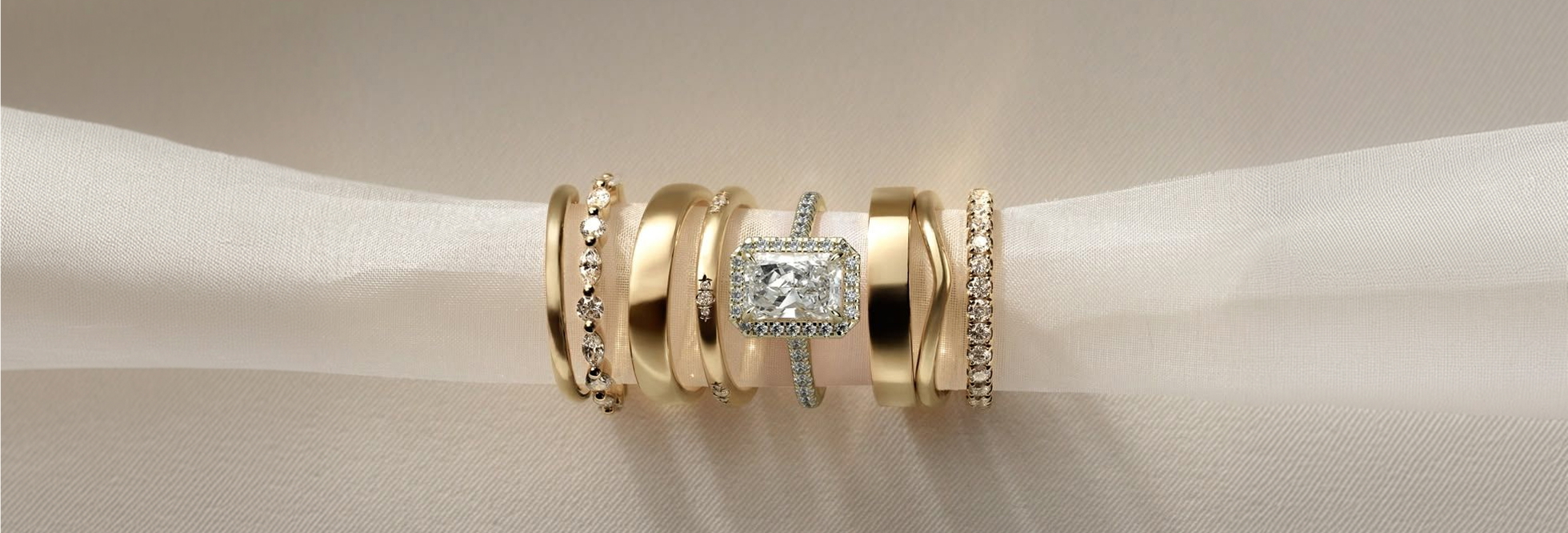
Gold jewellery is not a purchase “for a moment” – you often buy it for years, and sometimes for generations. That is why it pays to know a few basics before you decide: what 14k and 18k mean, how yellow, white and rose gold differ, and when gold is a better choice than silver.
In this article we explain gold purity simply and without jargon, compare the three shades in a table, add a tool for choosing between 14k and 18k gold and finish with what to look out for when buying gold jewellery. There is also a separate article with a detailed 14k and 18k comparison, so we will not repeat it here.
Gold jewellery: what 10k, 14k and 18k mean
Pure gold (24k) is too soft for everyday wear, so in jewellery it is alloyed with other metals. The number before the “k” tells you how many of 24 parts are gold: the higher the number, the more pure gold in the piece.
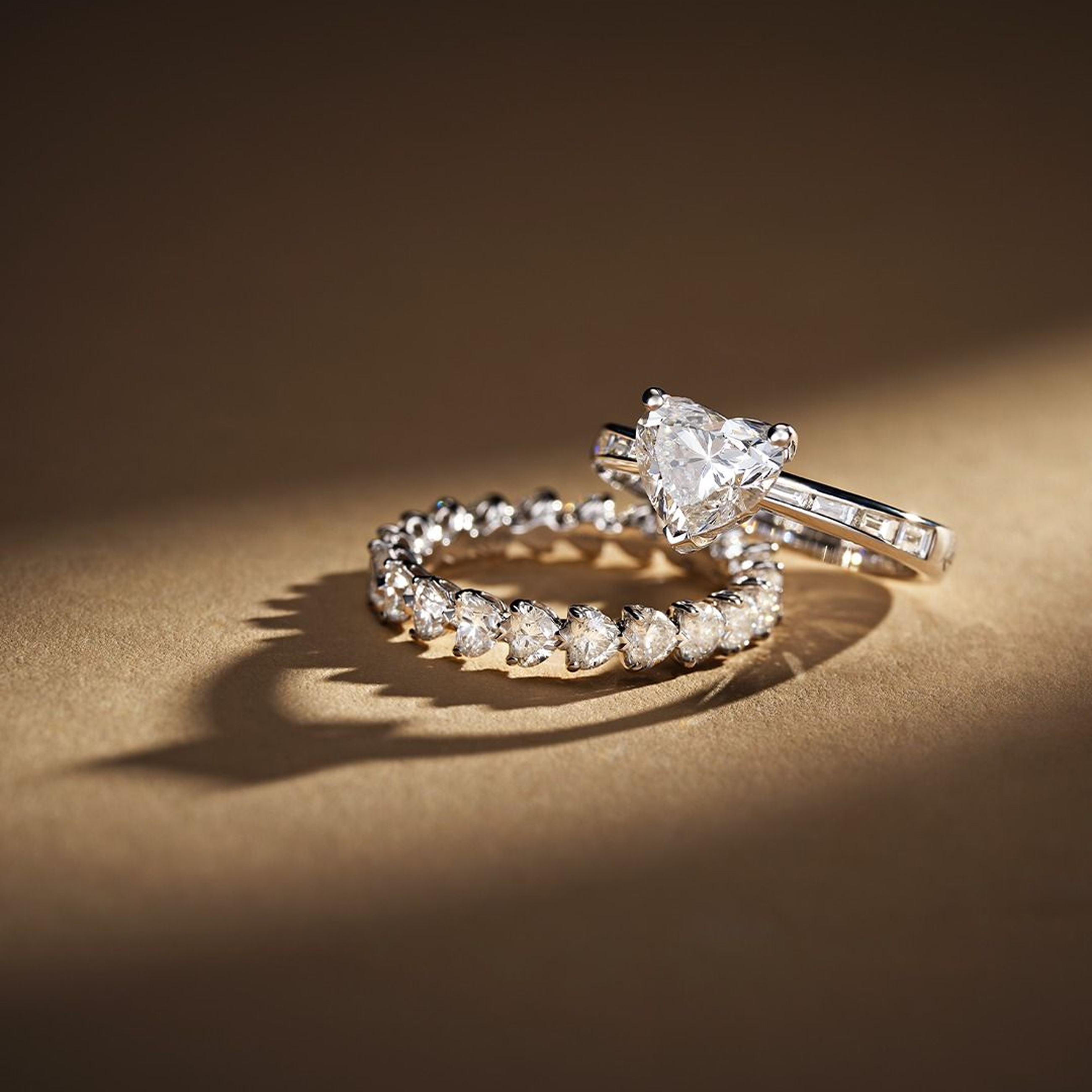
Gold purity in numbers
- 10k: approximately 41.7% gold (fineness 417). The hardest and most affordable, with a less rich colour.
- 14k: approximately 58.5% gold (fineness 585). A good compromise between durability, colour and price.
- 18k: 75% gold (fineness 750). A richer colour, slightly softer and more expensive.
You will find a comparison of 14k and 18k in everyday life in the article 14k vs 18k gold. For a specific piece, always check the gold purity given in the product description.
Yellow, white and rose gold: the difference is not only colour
The colour of gold comes from the alloy. Yellow gold is gold alloyed with silver and copper, white gold is mixed with white metals and is usually rhodium-plated on the surface, and rose gold has a higher share of copper. That is why the shades behave a little differently when worn.
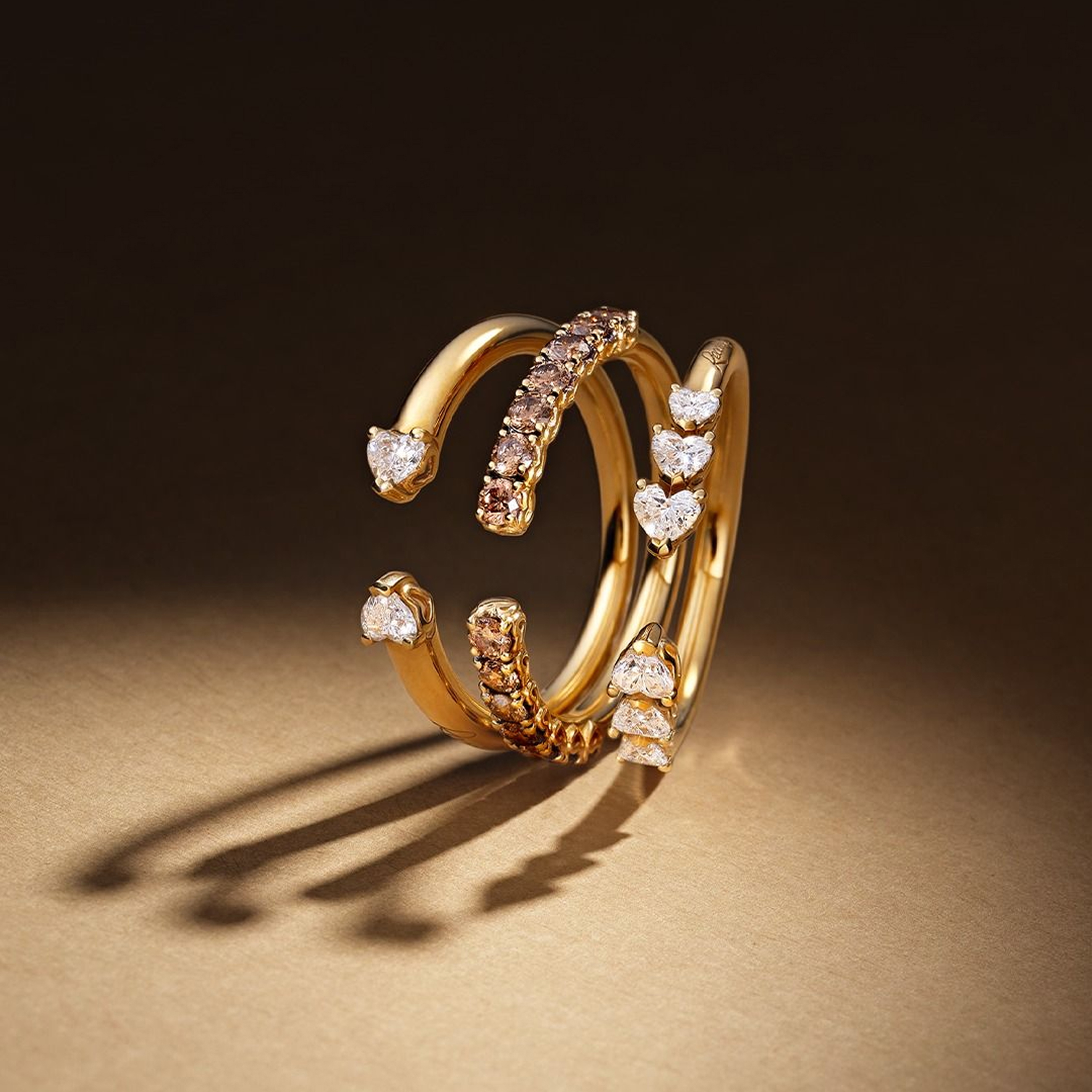
Three shades, three characters
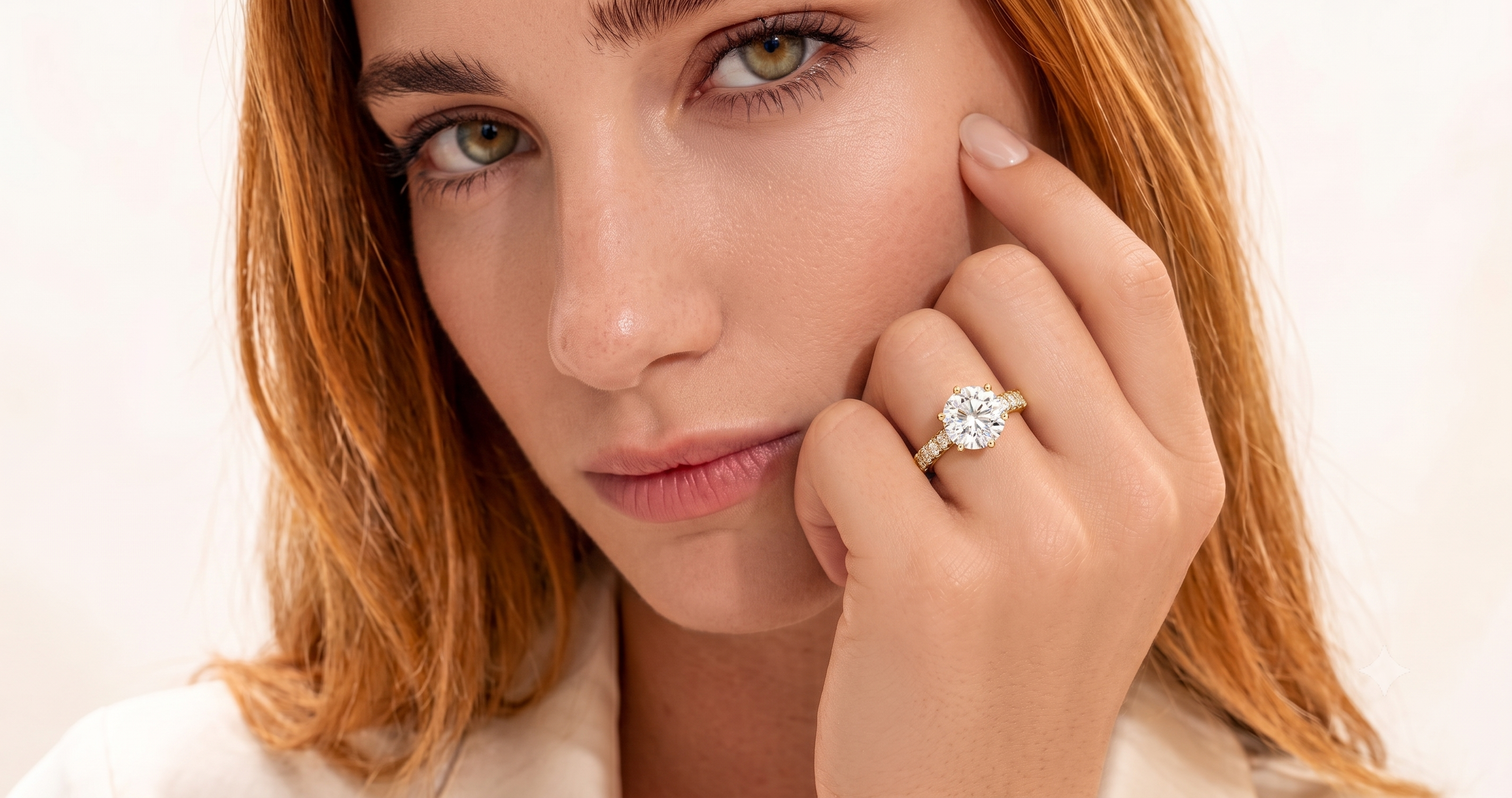
- Yellow gold: classic and warm, closest to the original colour of gold. See yellow gold engagement rings.
- White gold: a cool, modern shine that shows off a diamond nicely. See white gold engagement rings.
- Rose gold: a soft, romantic shade thanks to copper. See rose gold engagement rings.
| Shade | Composition | Look | Upkeep | Who it suits |
|---|---|---|---|---|
| Yellow gold | Gold, silver, copper | Warm, traditional | No surface treatment, normal cleaning is enough | Choose it if you want a classic that never gets lost |
| White gold | Gold and white metals, surface usually rhodium-plated | Cool, modern | May need re-plating with rhodium after some years | Choose it if you want a white colour at a lower price than platinum |
| Rose gold | Gold, copper, silver | Soft, romantic | No surface treatment, normal cleaning is enough | Choose it if you want an unusual, warm shade |
How to choose a shade for yourself
A simple trick: look at the veins on the inside of your wrist. If they look rather greenish, yellow or rose gold often suits; if rather bluish, white gold. Treat it as a hint, not a rule; the feeling you get when you wear the piece should decide. If you already wear a watch or a ring in a certain shade, pick the same – but mixing shades is perfectly normal today. You will find an overview of the metals Omara works with on the Types of metals page.
14k or 18k gold: which one to choose?
Choose 14k gold if:
- You will wear the piece every day, for example a ring or earrings
- You want the best ratio of price to durability
- You do not mind a slightly less rich colour
- You are looking for a piece that does not scratch easily
Choose 18k gold if:
- You care about a richer, fuller colour of gold
- You wear the piece more occasionally or protect it from knocks
- You do not mind a higher price and a slightly softer metal
- You want a higher share of pure gold
Good to know: the difference between 14k and 18k shows on the hand more in colour and price than in “quality”. Both are full-value gold. The most common mistake is to buy 18k just because it sounds better, without thinking about how you will wear the piece.
Gold jewellery and silver jewellery: when gold, when silver
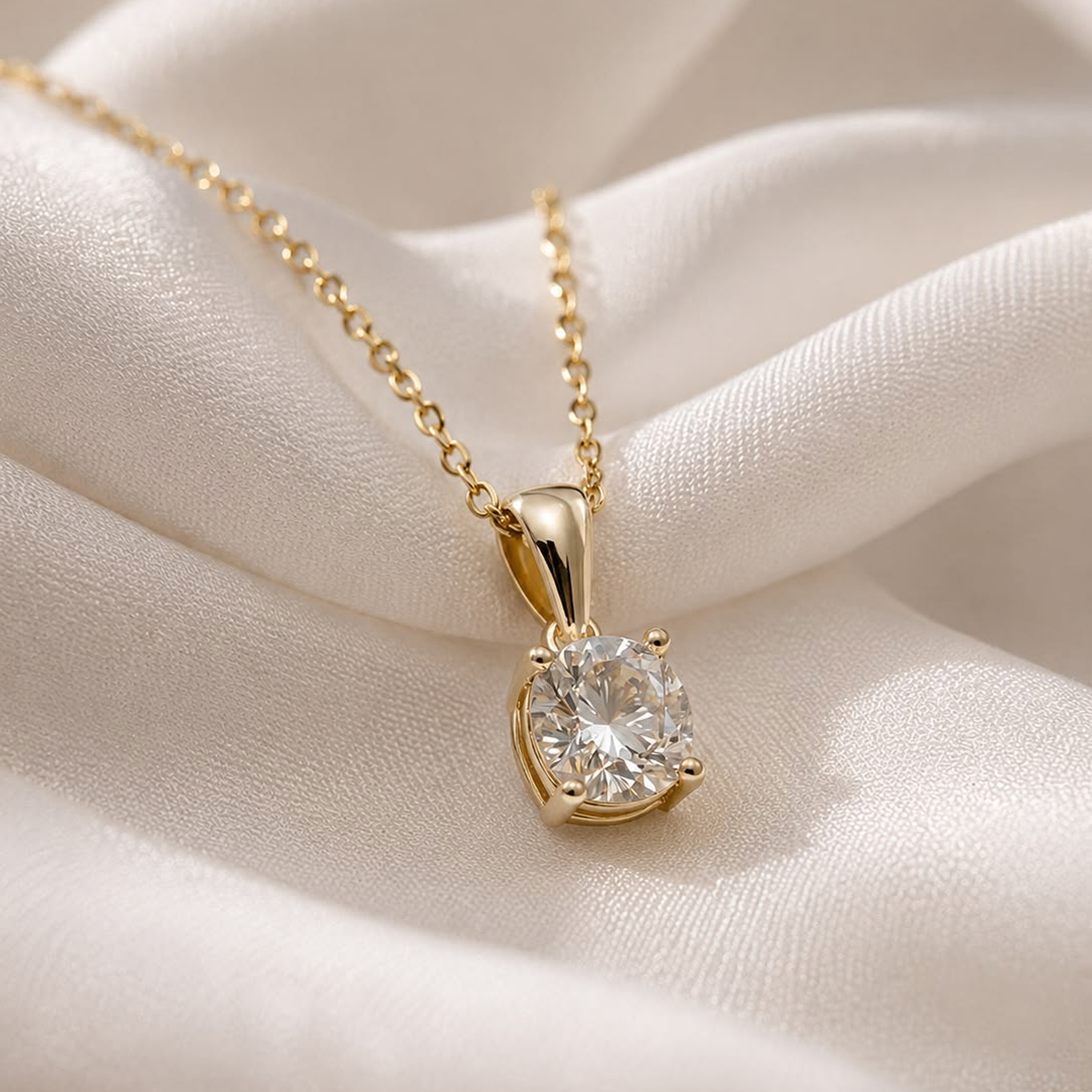
Similar look, different durability
Silver jewellery is more affordable, softer and darkens over time, so it needs a polish now and then. Gold does not oxidise as easily and keeps its colour even without polishing. Beware of gold-plated jewellery: it is a thin layer of gold on another metal, and it gradually wears off with use, so the base shows through.
Silver is a sensible choice for a fashion accessory you change with trends. For a piece you wear daily and want to keep for many years (a ring, earrings, a chain), gold pays off more. You will find a comparison of white gold and silver in the article White gold vs silver.
Gold jewellery: what to watch for when you buy
When buying gold jewellery it pays to go through a short checklist. It takes five minutes and saves unpleasant surprises:
- Purity: look for the fineness mark (for example 585 or 750) and check it in the product description.
- Solid gold, not plating: gold-plated pieces look the same at first, but the layer wears away.
- Alloy composition: if your skin is sensitive, ask for gold without nickel, especially with white gold.
- Thickness and weight: a thinner piece is lighter but is under more strain in daily wear. Choose according to how you will wear it.
- Stone and certificate: if a diamond is set in the gold, it should have an independent GIA or IGI certificate; at Omara that applies to every diamond, natural or lab-grown.
- Service: with rings, ask about resizing after purchase, which Omara offers.
Our honest tip: the price of a gold piece depends on the weight of the gold, its purity and the stones, so two pieces that look similar can cost very different amounts. Always compare purity and weight, not just how it looks in the photo.
Summary: choose the shade first, then the purity
First choose the shade that suits you – yellow, white or rose gold. Then decide between 14k and 18k according to how often and how you will wear the piece. And finally check that it is solid gold, what the alloy is and whether any diamonds have a certificate. That is how you choose gold jewellery that will last for years.
Gold ring and gold earring collections – browse gold jewellery in yellow, white and rose gold and choose the shade that suits you.
Frequently asked questions
Next article
Are lab-grown diamonds a good investment?
Do lab-grown diamonds lose their resale value? The honest answer is yes—but so do natural ones. In this article, we explain without any sugarcoating why no diamond is a financial investment, how the real math of depreciation works, and what you should actually focus on when choosing an engagement ring.