
What a Diamond Certificate Actually Means (and Why It Matters)
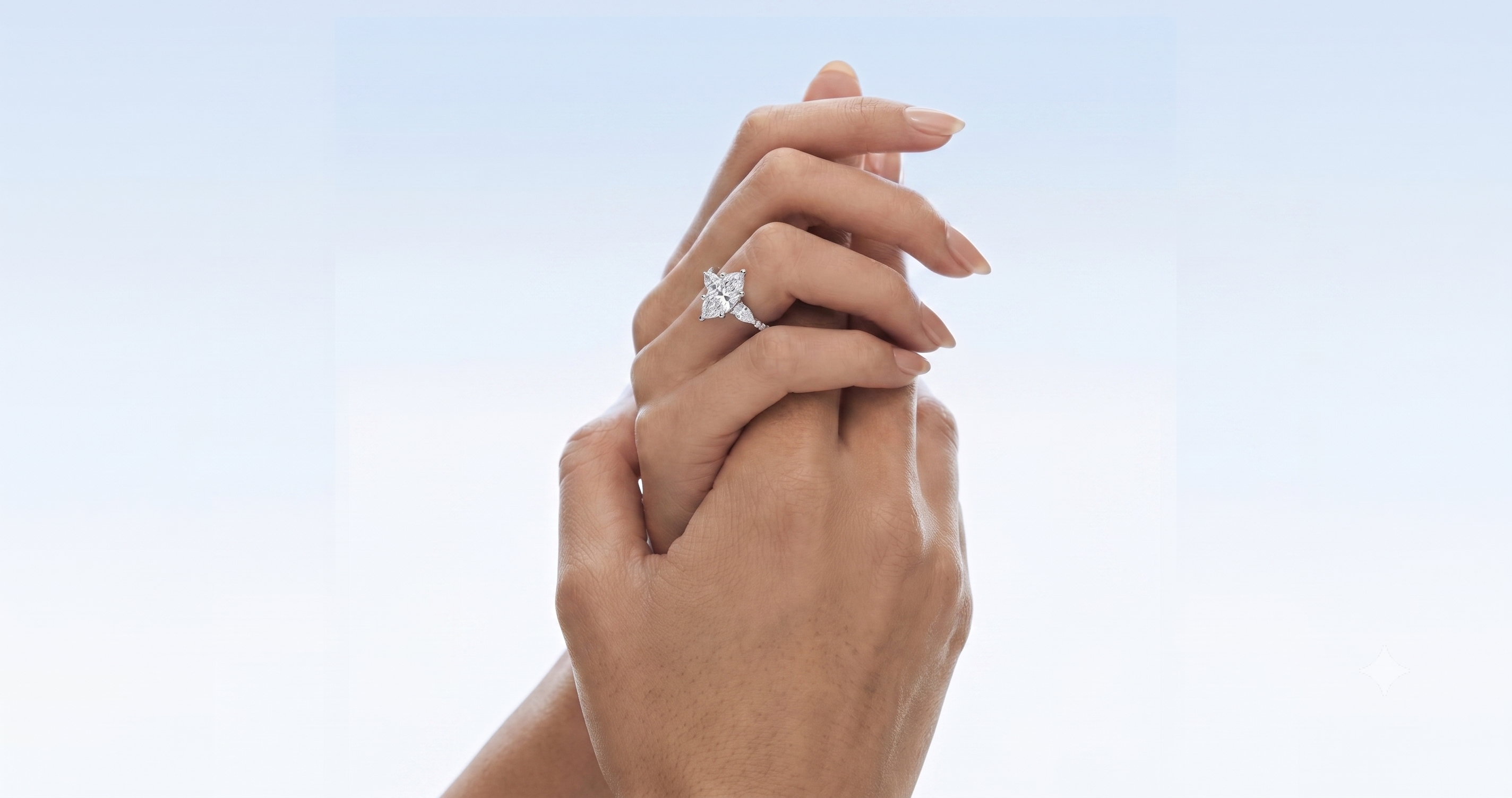
Choosing a diamond for an engagement ring means buying something you can't fully judge with the naked eye. Color, clarity and the precision of a cut can only be reliably assessed by a trained gemologist under magnification, with years of experience behind them — not by a salesperson across a counter, and certainly not from a photo on a screen. That's exactly what a diamond certificate is for: an independent, verifiable record of what you're actually holding.
At Omara, we believe the best feeling when buying a diamond doesn't come only from its sparkle, but from knowing exactly what you paid for. A certificate isn't a formality or extra paperwork — it's your guarantee of transparency, giving you peace of mind today and protecting your ring's value years from now. In this article, we'll walk through what a diamond certificate actually means, who issues them, and what to check before you trust one.
What a diamond certificate actually is
A diamond certificate — also called a grading report — is a document issued by an independent gemological laboratory after physically examining a diamond and assessing it against internationally recognized standards, known as the 4Cs: cut, color, clarity, and carat weight.
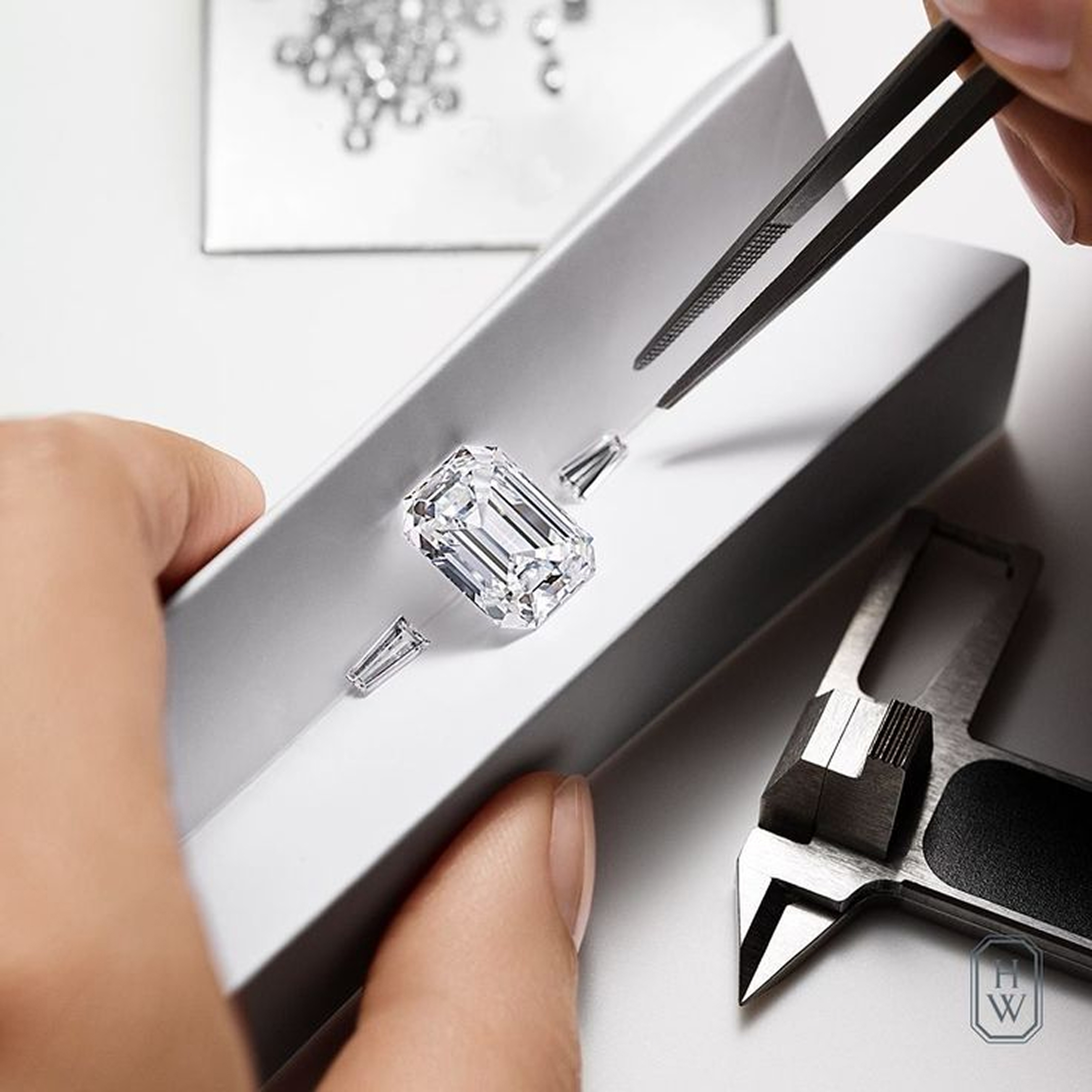
Beyond the 4Cs themselves, a certificate includes precise measurements of the stone, its cut proportions, a diagram of its internal characteristics (called a plotting diagram), an assessment of fluorescence, and in many cases a laser inscription on the girdle — the thin outer edge of the diamond — which acts as a unique identifier for that exact stone. In short, it's an objective birth certificate for the diamond, not an estimate or a marketing description from the seller.
Who actually issues these certificates
Not every laboratory carries the same weight. There are a number of grading labs in the industry, but their credibility and consistency vary widely. Two are considered the gold standard, trusted by jewelers and insurers worldwide:
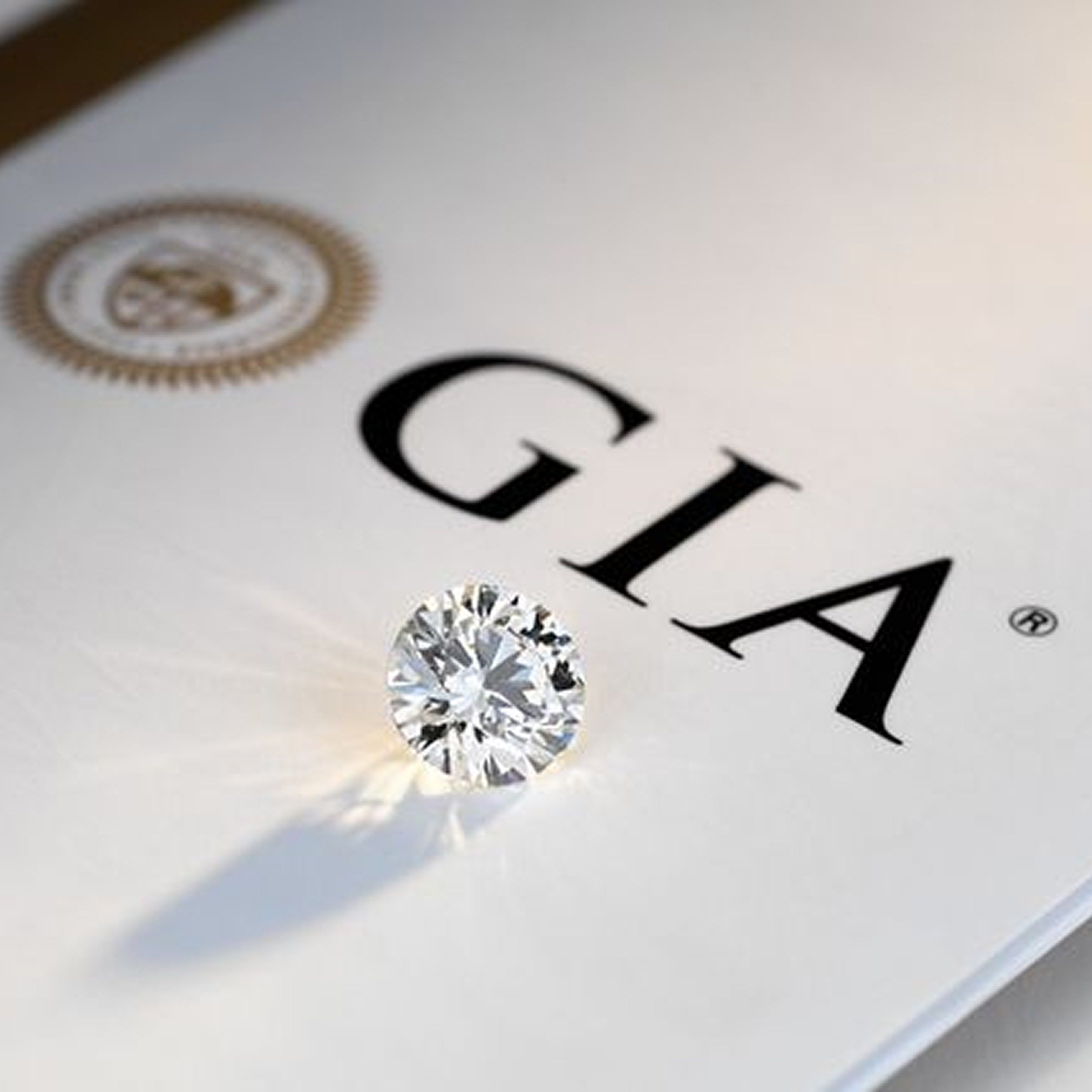
- GIA (Gemological Institute of America): a non-profit institute founded in 1931 that created the 4Cs system as we know it today. It's widely regarded as the strictest and most consistent reference point in the industry.
- IGI (International Gemological Institute): the largest independent gemological institute in the world, with extensive experience grading diamonds, including a wide range of services for lab-grown stones.
Both labs grade natural and lab-grown diamonds with the same rigor. IGI still applies its traditional color and clarity scale (D–Z, FL–I3) to both types of diamonds, while GIA introduced its own descriptive categories for lab-grown diamonds in 2025 — "Premium" and "Standard" — reflecting the fact that the vast majority of lab-grown stones on the market today fall within a narrow band of color and clarity. This doesn't make the grading any less trustworthy; it's still an equally independent, rigorous assessment of the stone.
That's why at Omara we only work with diamonds certified by one of these two respected labs. Other laboratories do exist, but we always recommend prioritizing a certificate from GIA or IGI — their grading is internationally recognized and verifiable.
Why the certificate actually matters
Without an independent certificate, you're relying entirely on the seller's word — even if they're acting in good faith. Without an objective assessment, there's simply no way to confirm that the color, clarity and cut match what you're being charged for. A certificate removes that risk: the grading is done by a third party with no financial stake in making the diamond look better than it is.
The certificate keeps mattering long after the sale. It's the standard basis for insuring the piece, it lets you identify your exact stone if it's ever lost or stolen, and it makes any future resale or valuation far more straightforward — buyers and insurers know precisely what diamond they're dealing with.
What's actually printed on a diamond certificate
A grading report can look intimidating at first glance, full of abbreviations and technical terms. In reality, it's very readable once you know what each section means. Here's what you'll typically find:
1. Report number
- Report number: a unique identifier the diamond is registered under in the lab's database, which you can use to verify the certificate online at any time.
2. Shape and measurements
- Shape and measurements: the exact cut style (round brilliant, oval, emerald, and so on) and the stone's millimeter dimensions, which let you confirm the certificate actually matches the diamond in front of you.
3. Carat weight
- Carat weight: the diamond's precise weight, measured to the hundredth of a carat.
4. Color
- Color grade: rated on a scale from D (completely colorless) to Z, indicating how much yellow or brown tint is present in the stone.
5. Clarity
- Clarity grade: an assessment of internal and surface characteristics, called inclusions and blemishes, on a scale from FL (flawless) to I (inclusions visible to the naked eye).
6. Cut, symmetry and polish
- Cut, symmetry and polish: how precisely the diamond was cut and how well it captures and reflects light — cut quality has the single biggest impact on how a diamond actually sparkles.
7. Fluorescence
- Fluorescence: notes whether and how the diamond glows under UV light — a common trait that, for most stones, has no noticeable effect on appearance.
8. Plotting diagram and online verification
- Plotting diagram and QR code: a diagram mapping the location of internal characteristics within the stone, plus a QR code or report number you can use to verify the certificate directly on the issuing lab's website.
How to verify a certificate in under a minute
Every reputable lab offers a report-check or verification tool on its website. Enter the certificate number and the system pulls up the diamond's core details exactly as recorded by the lab — including its shape, weight and grading.
We recommend doing this every time before you buy, especially when shopping online. If the details in the lookup don't match what's listed with the diamond, or the lab has no record of the report at all, that's a clear sign to look more closely before you commit.
Red flags to watch for
A diamond certificate is meant to protect the buyer — but only when it comes from a trustworthy source and genuinely belongs to the stone in question. A few things worth checking:
A certificate from an unfamiliar lab. Some labs aren't truly independent, or grade noticeably more leniently than GIA or IGI. That can make a diamond look better on paper than it actually is.
Details that don't match. The measurements, weight and shape on the certificate must line up exactly with the stone you're buying. When shopping online, confirm this with the issuing lab's own report-check tool.
Diamond certificate FAQ
Next article
Lab-Grown vs. Mined Diamonds: An Honest Comparison
An engagement ring with a lab-grown or a natural diamond? Discover the facts without the marketing fluff. In this article, we honestly compare their origins, quality, price, and future value to help you decide which choice makes the most sense for you and your budget.