
Platinum Jewelry
Uncompromising purity in 950 platinum.
Jewelry with lasting strength, precise detail, and a color that stays true over time.
Platinum Jewelry
Uncompromising purity in 950 platinum, with lasting strength and a color that holds over time.
Sorting
Categories
Diamond Origin
Stone Shape
Stones
Sorting
Platinum is the metal people choose when durability and a naturally white tone matter more than anything else. It's denser and heavier than gold, doesn't rely on rhodium plating to stay white, and tends to develop a soft, matte patina with age rather than showing scratches the way a polished metal does.
Platinum, Explained
Unlike gold, platinum isn't measured in karats. Fine jewelry platinum is usually around 95 percent pure, alloyed with a small amount of other metals for strength — a purity level gold rarely reaches even at 18K. That purity is part of why it keeps its white colour for life without needing to be re-plated, and why it's generally considered the more hypoallergenic of the white metals.
Platinum or White Gold?
The two often sit side by side, since they look almost identical at first glance, but they age very differently. White gold relies on a rhodium coating for its bright shine, which wears thin over the years and needs occasional re-plating to look its best. Platinum's white colour is natural, so there's no coating to fade, though the metal itself develops a soft matte patina with wear rather than staying mirror-bright — a look some people prefer and others choose to polish away. Platinum is also denser, so a ring or a pair of earrings in platinum will feel a little heavier than the same design in white gold, a difference that's more noticeable in a larger piece than in a small stud.
Available in Platinum
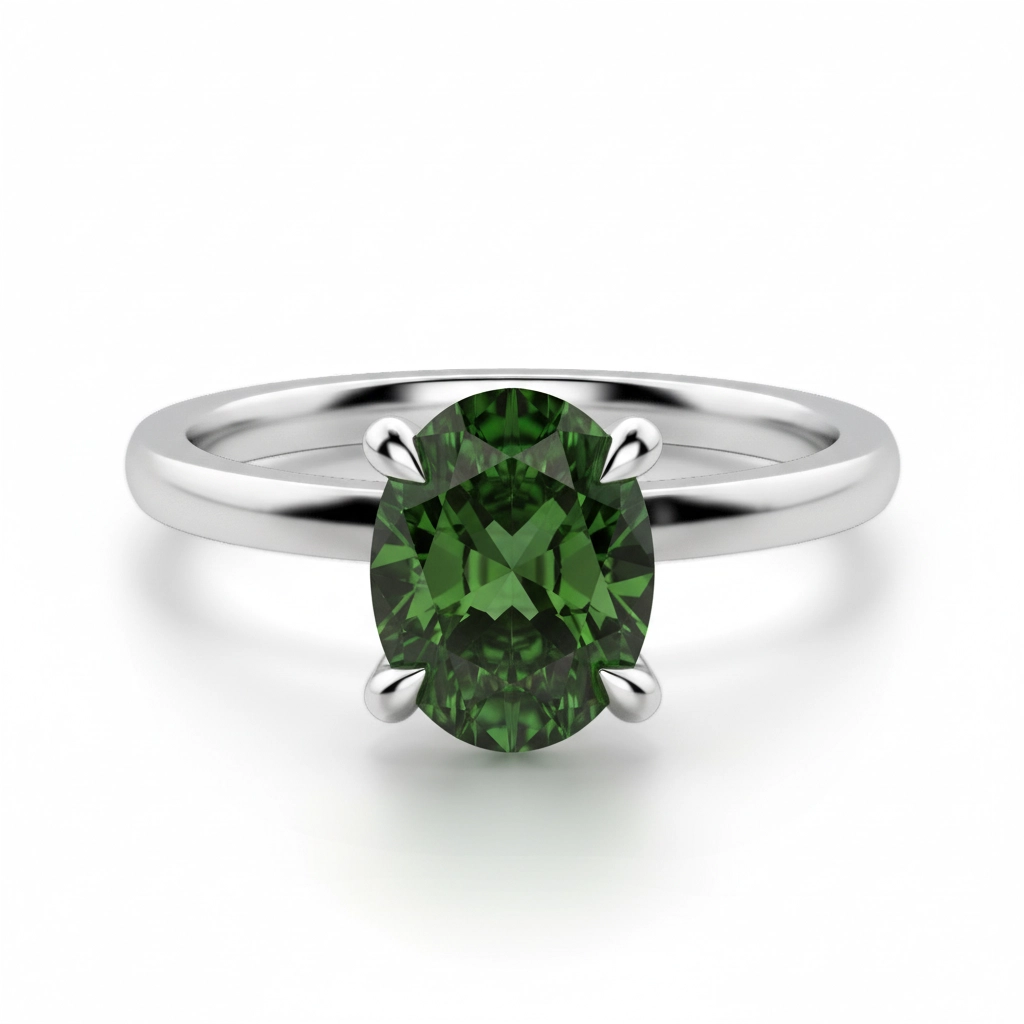
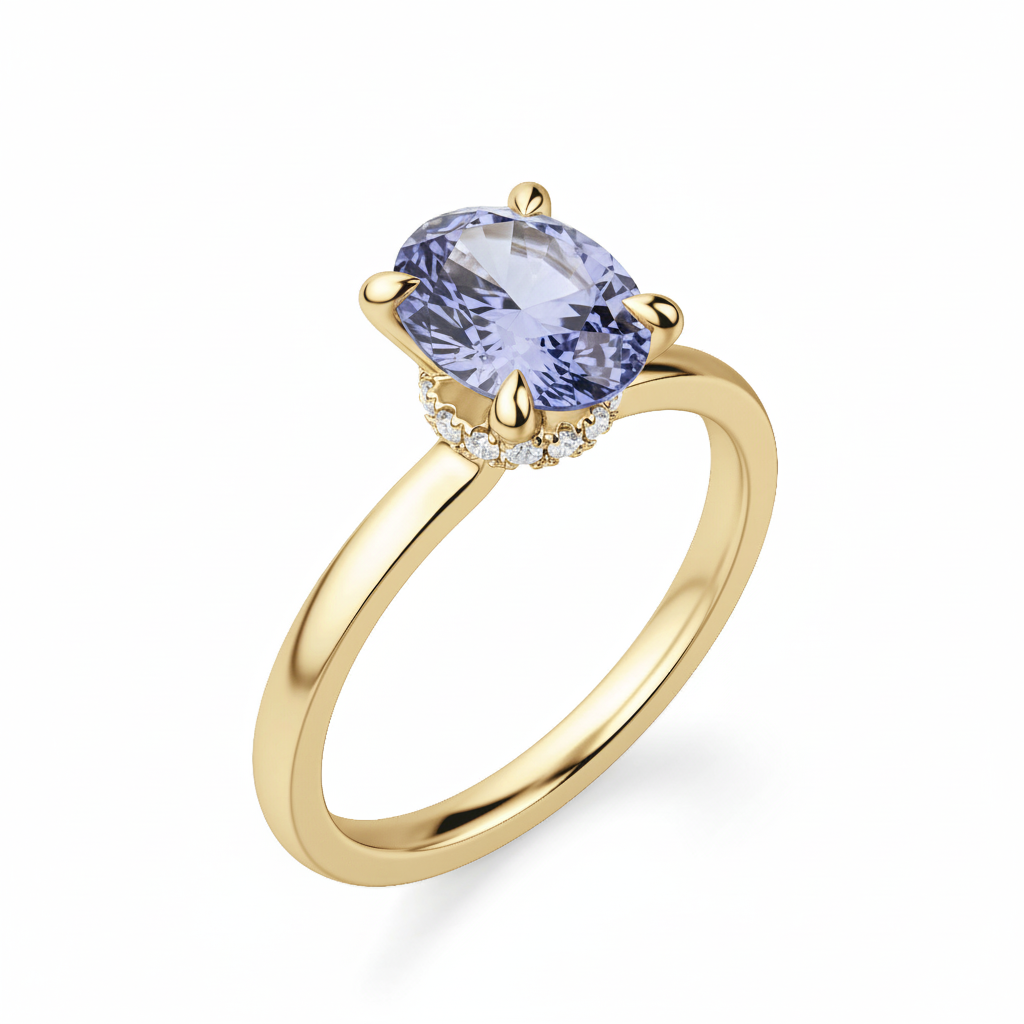
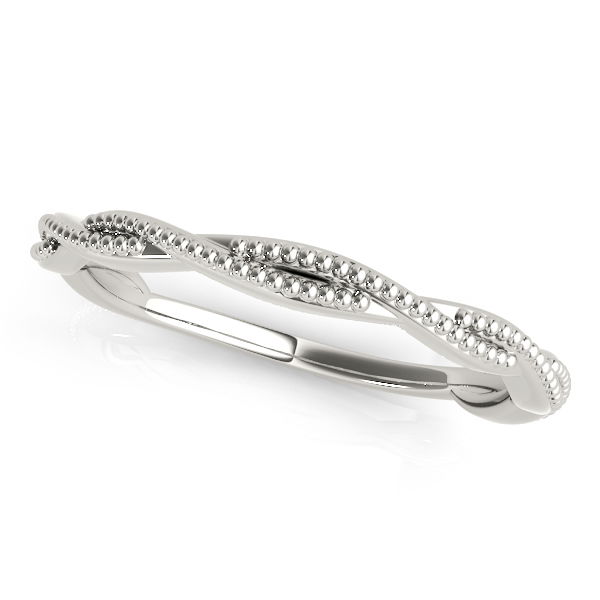
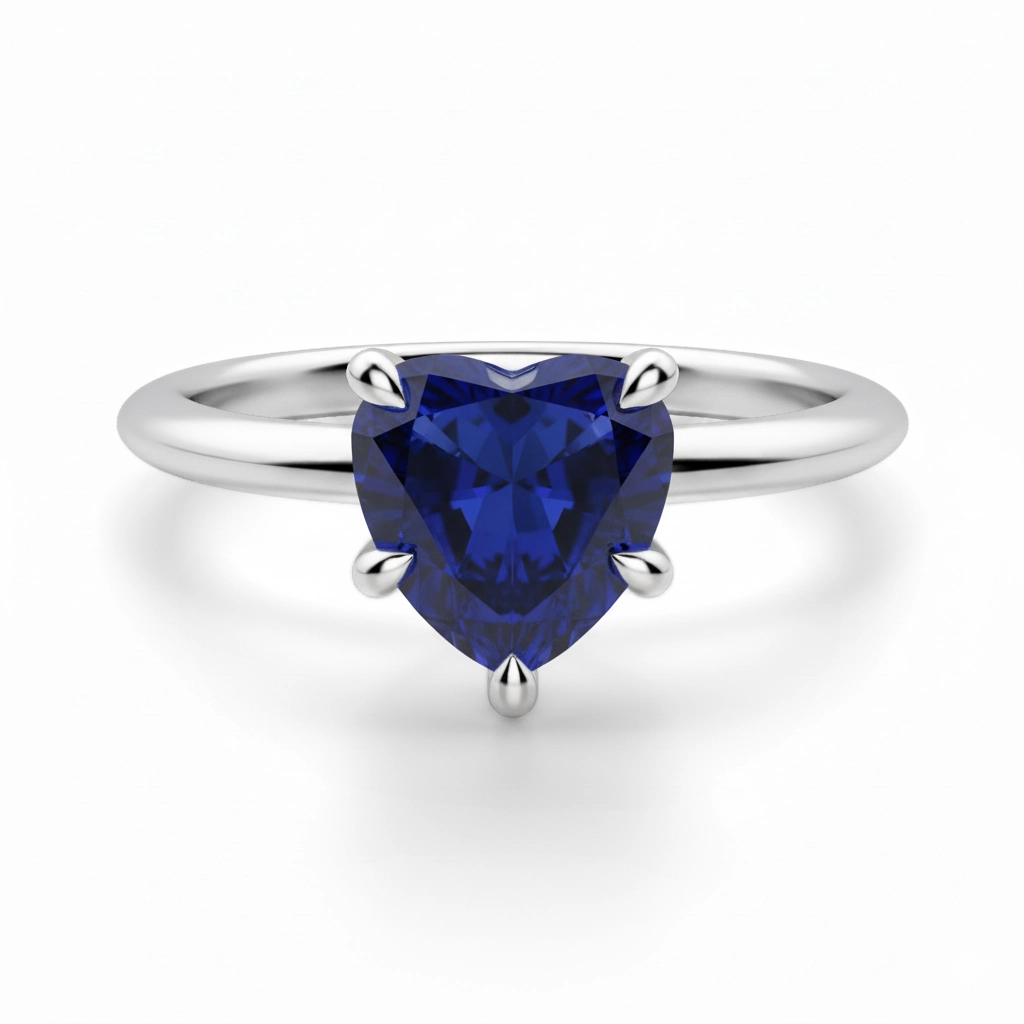
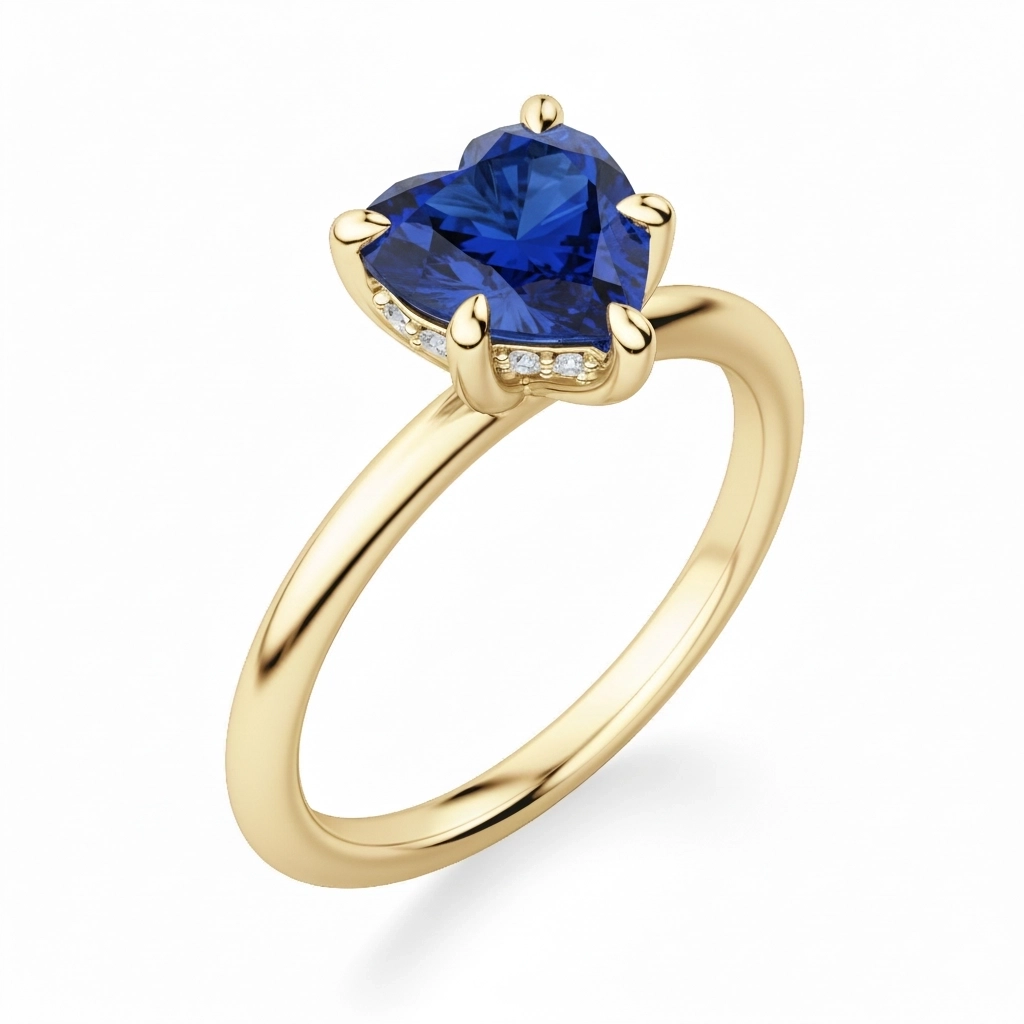
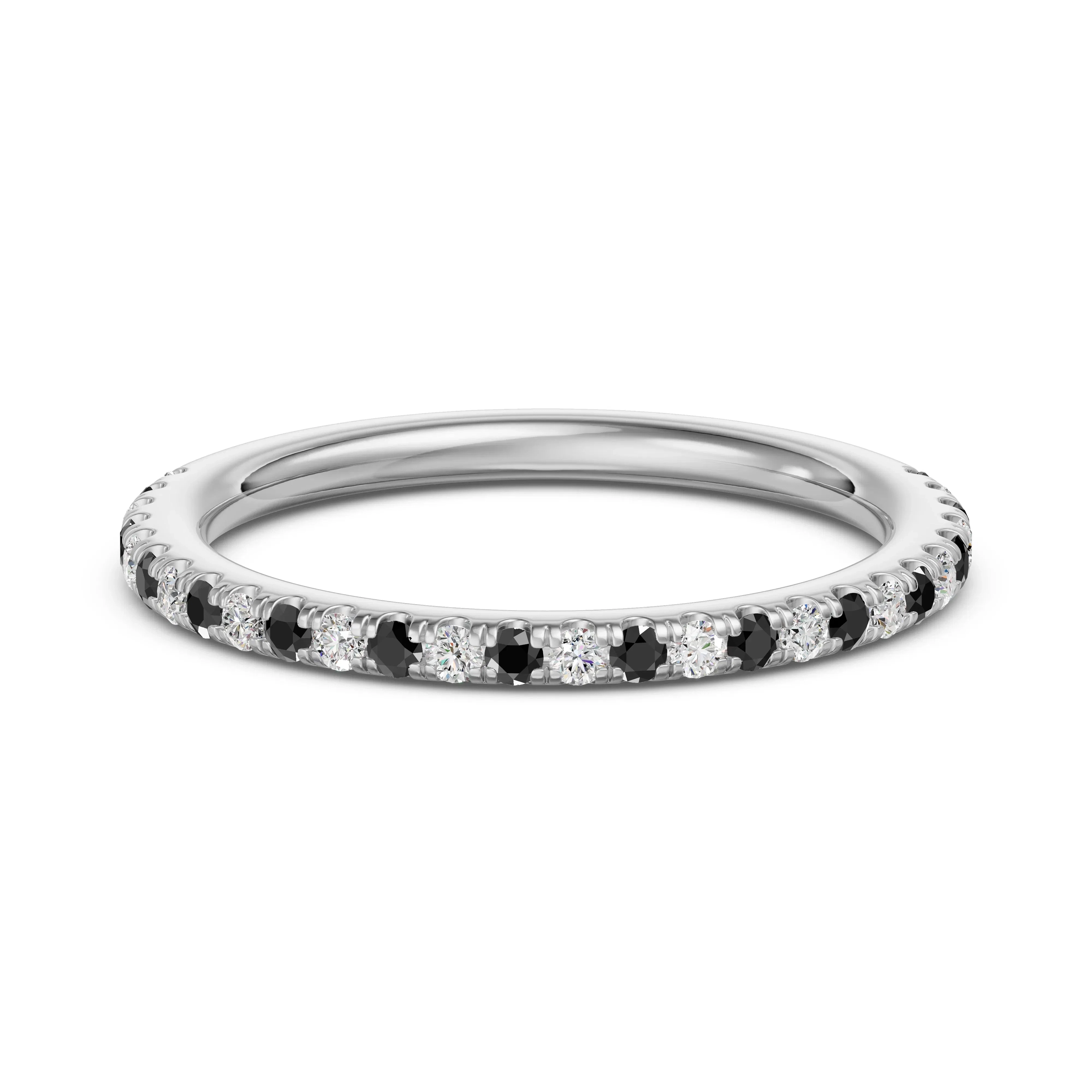
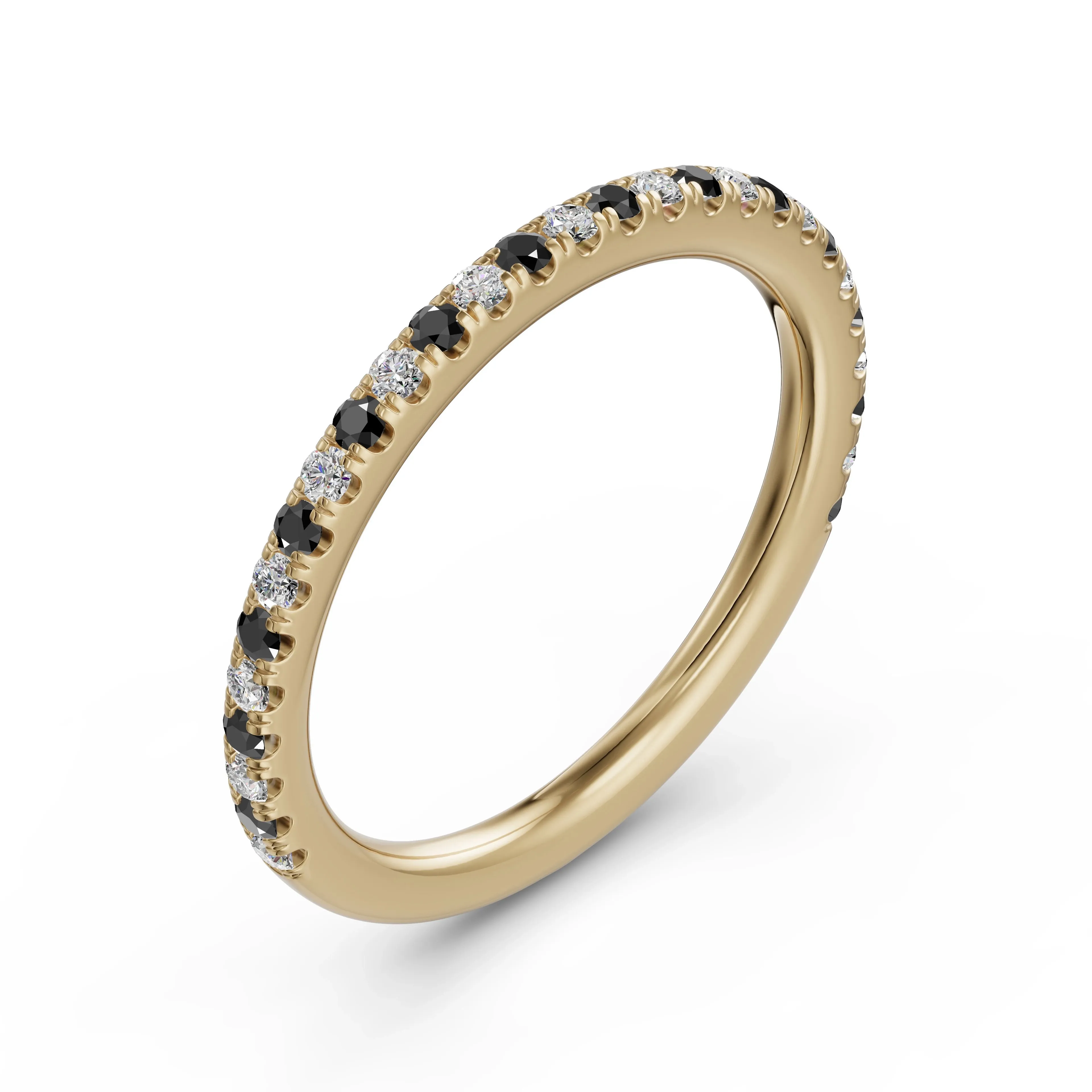
Outside of engagement and wedding rings, platinum has a smaller footprint in the collection, but it still shows up in:
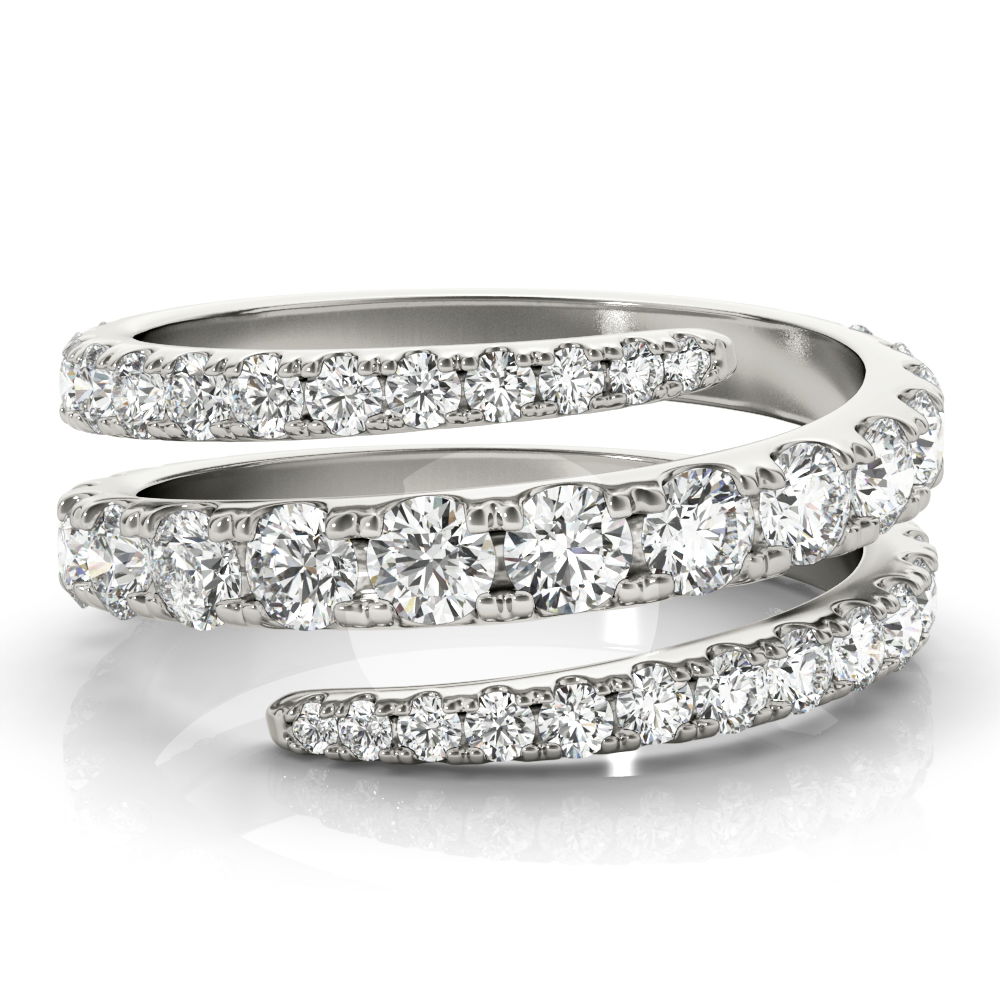
- Rings, for those who want a design in the same naturally white metal as a platinum engagement or wedding ring
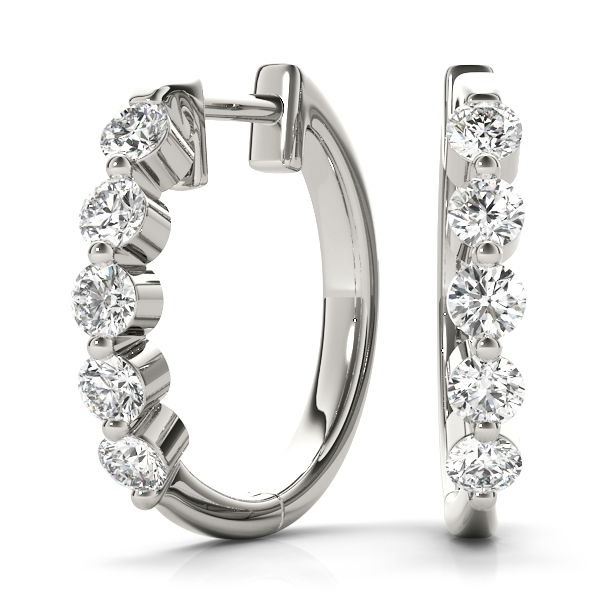
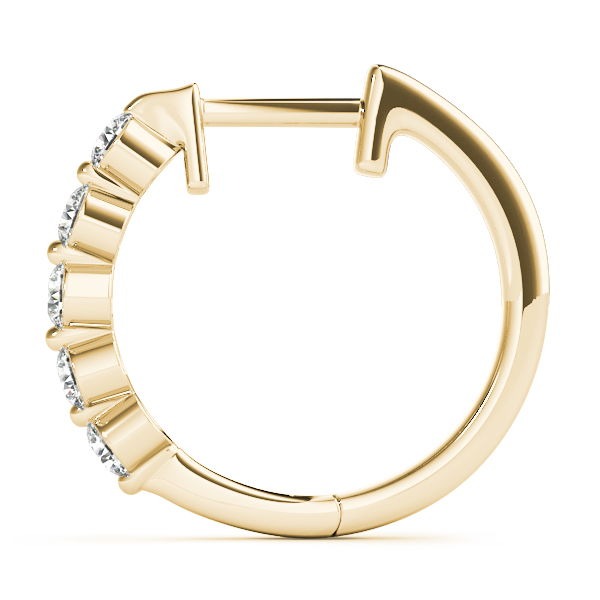
- Earrings, including everyday styles in the same naturally durable metal
Because platinum keeps its colour and its shape so reliably, it's also worth considering for a piece you'd like to still be wearing, or passing on, decades from now.
Related Categories: Rings with Gemstones, Earrings, Gold Jewelry, Silver Jewelry
Choosing Between Natural and Lab-Grown Diamonds
Whatever the piece, there's still one decision that applies across all of them: where the diamond comes from. Natural diamonds formed underground over billions of years, while lab-grown diamonds are created in a matter of weeks through a process that replicates those same conditions. Both are genuine diamonds, chemically and physically identical, and neither should be confused with simulants like cubic zirconia or moissanite — the choice comes down to personal preference, not quality.
Related: Lab-Grown vs. Mined Diamonds: An Honest Comparison
Diamond Quality and Certification
Diamond quality is measured by carat weight, colour, clarity, and cut grade. Colour is graded on a scale from colourless to visibly tinted, and our diamonds are typically graded F/G. Clarity indicates the presence of natural inclusions; ours are typically VVS/VS, meaning any inclusions are difficult to see without magnification.
Related: The 4Cs Made Simple: What Really Affects a Diamond's Appearance