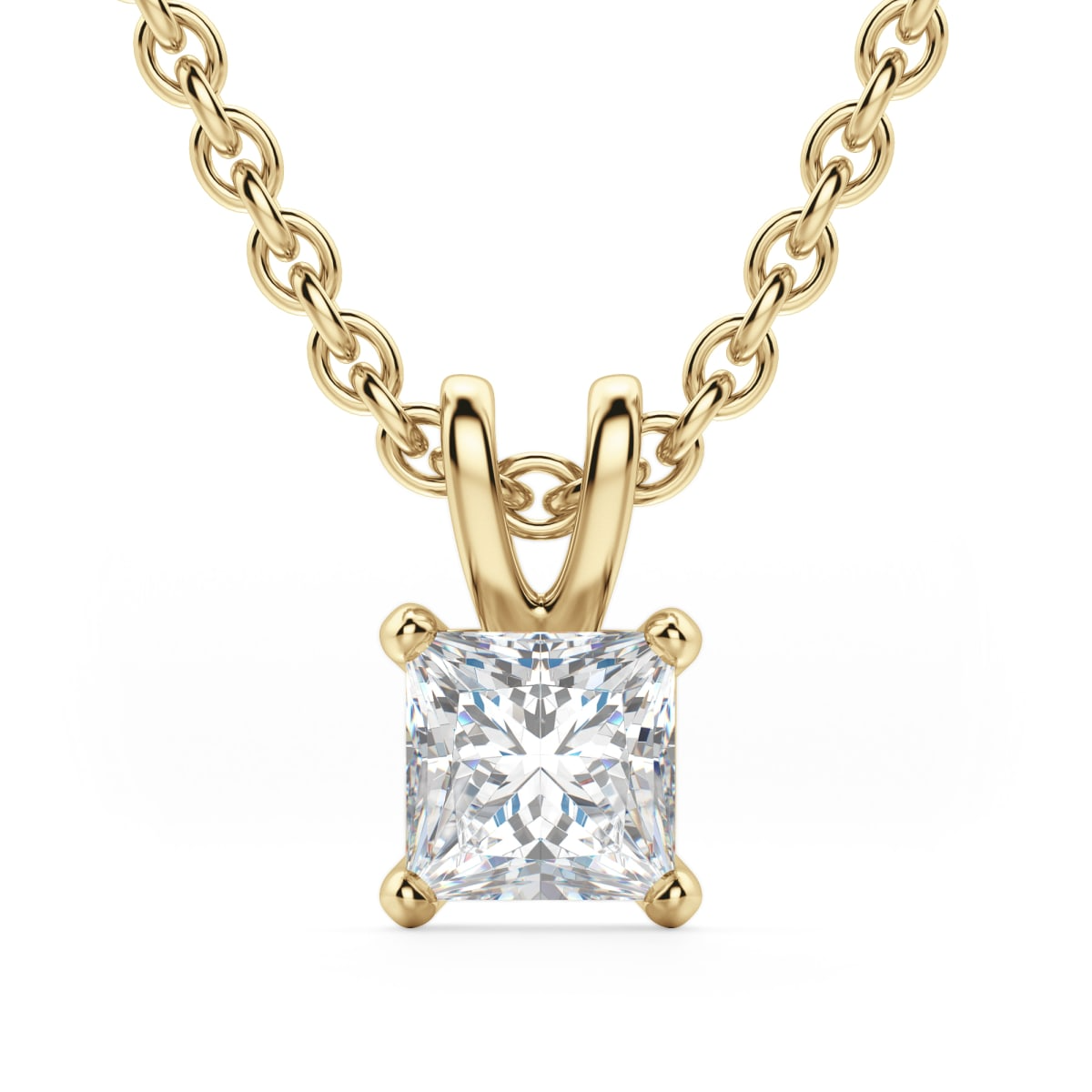
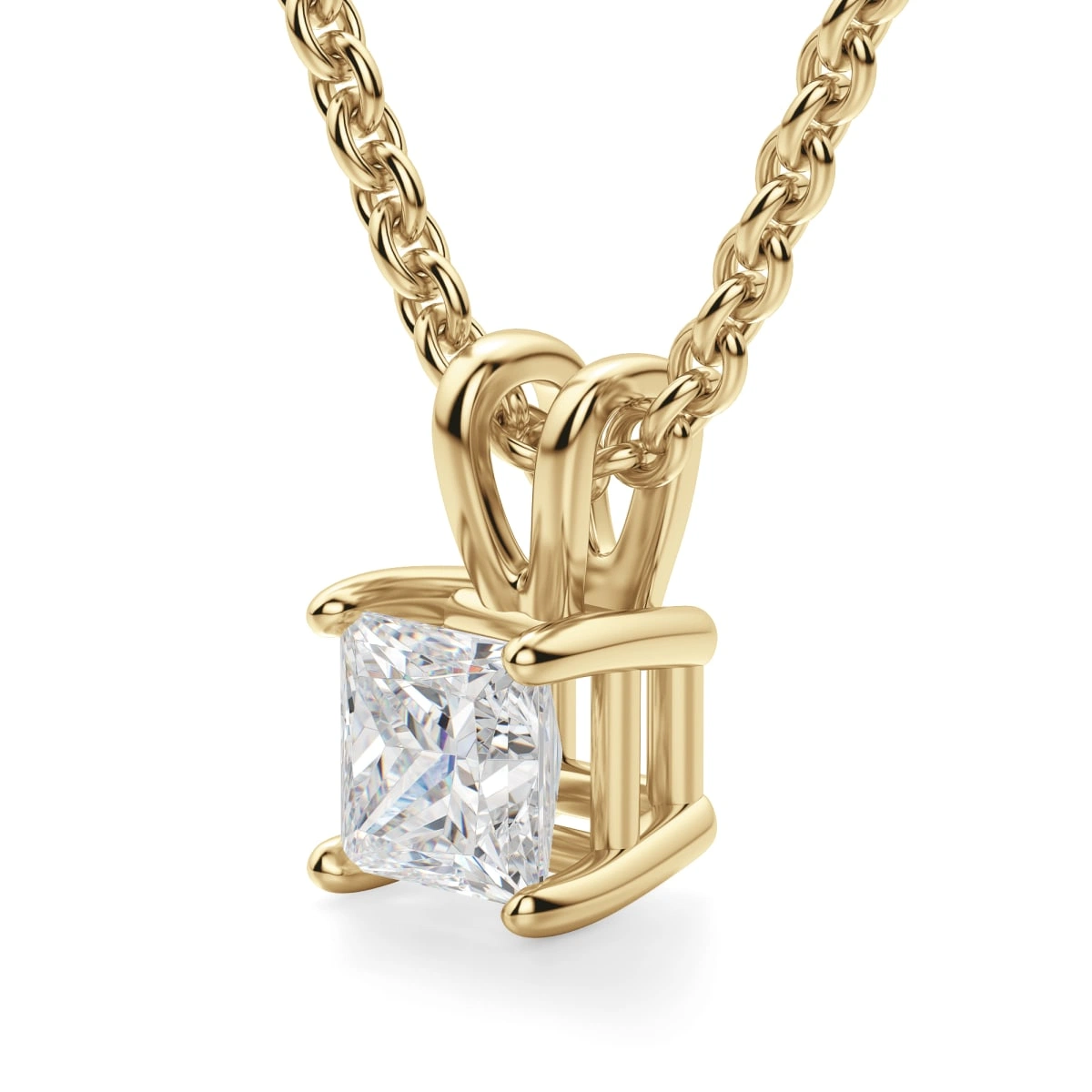
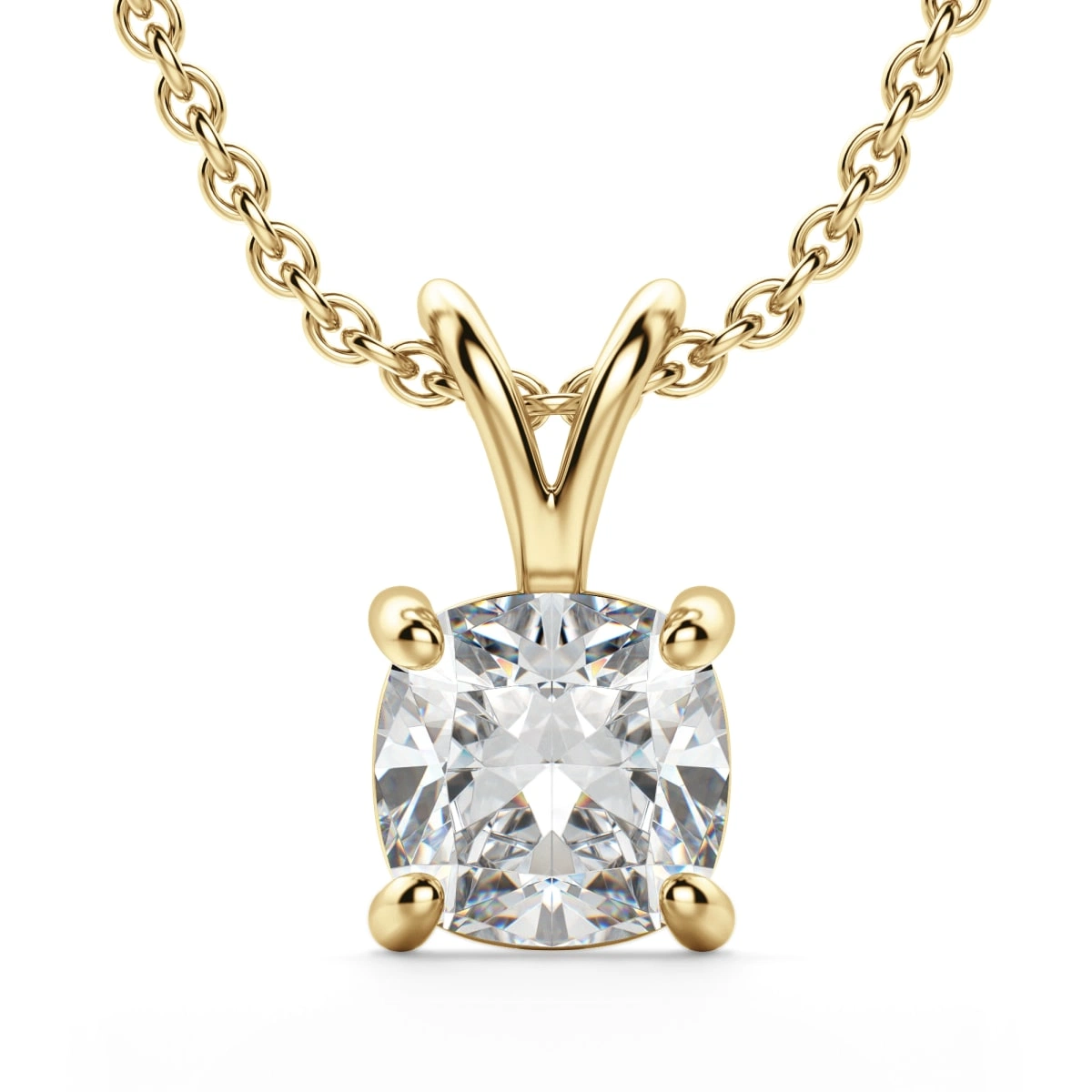
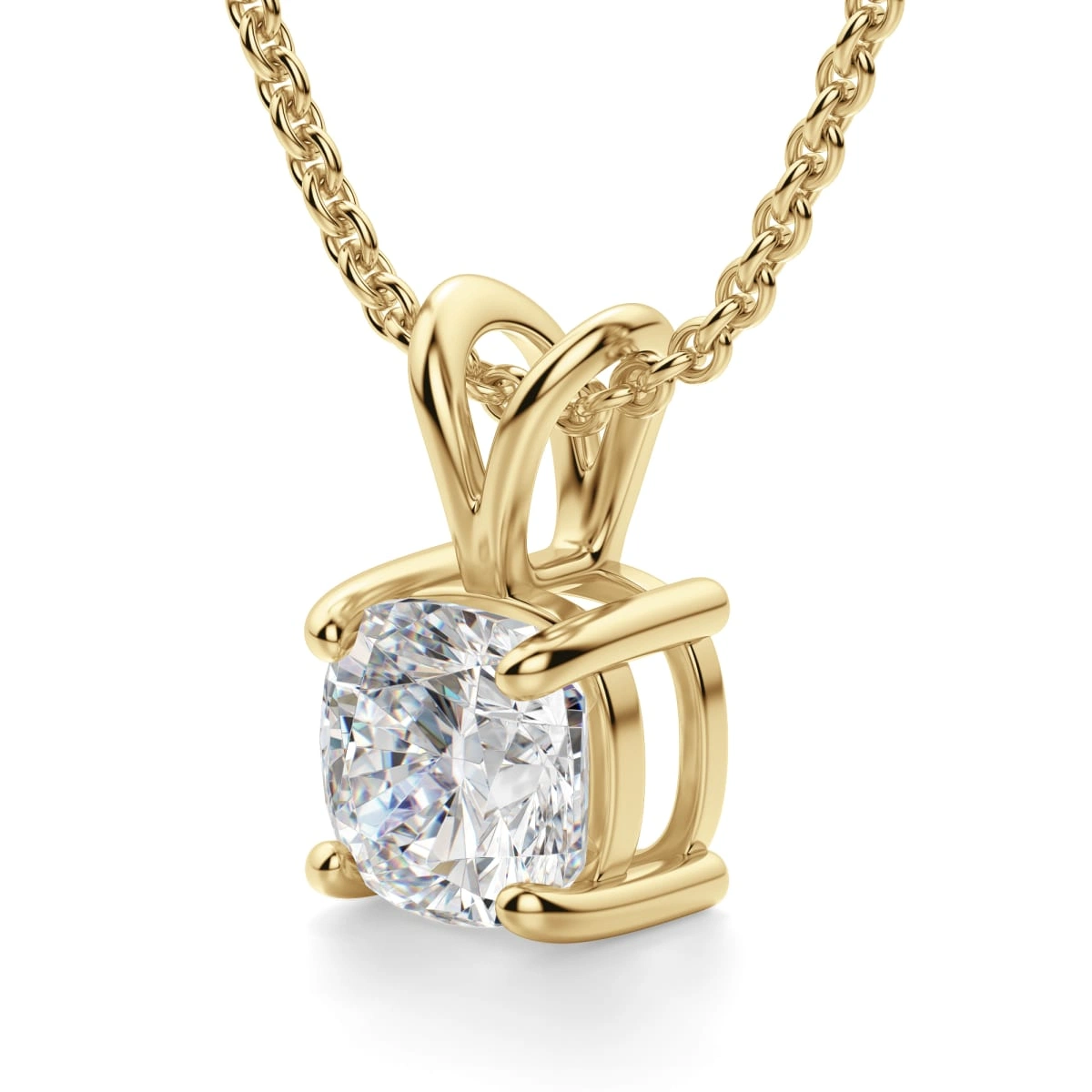
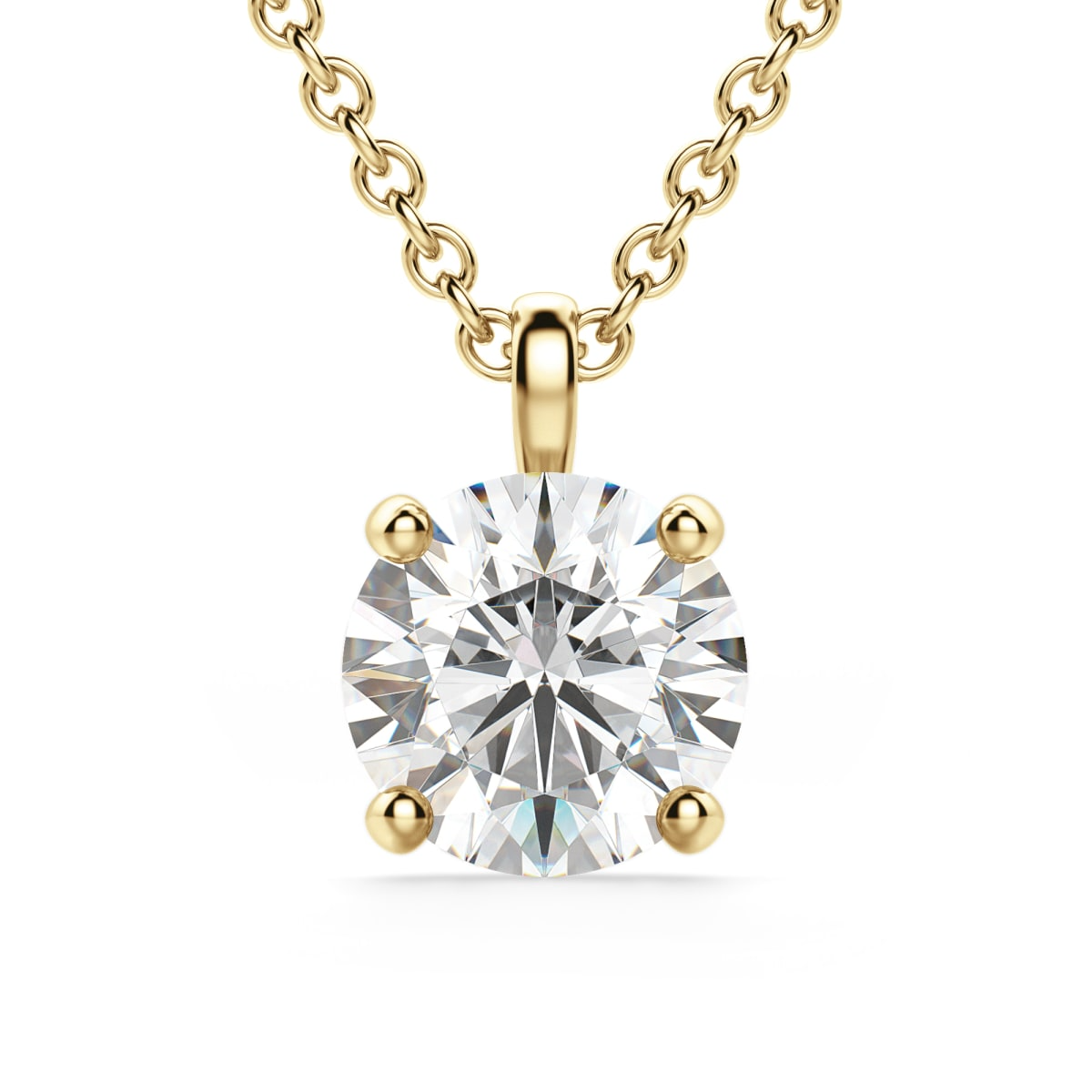
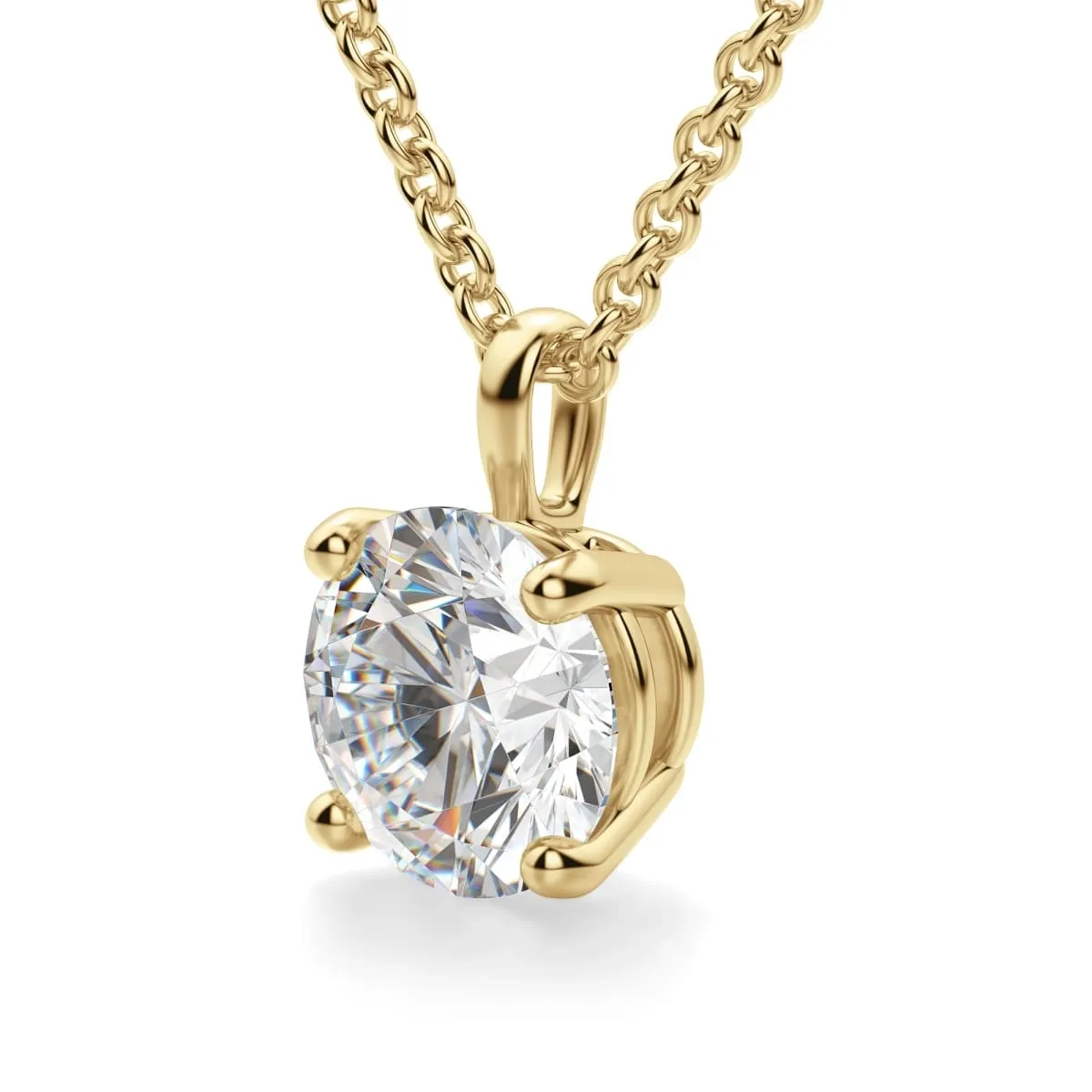
A solitaire necklace might be the most quietly versatile piece of diamond jewelry there is. It doesn't compete with anything else you're wearing. It works as easily with a t-shirt as with something you'd wear to a wedding, and you don't need a reason to buy one — no proposal, no anniversary, just liking it. That's probably why so many people's first diamond purchase, besides an engagement ring, ends up being a solitaire pendant.
Choose Your Cut and Setting
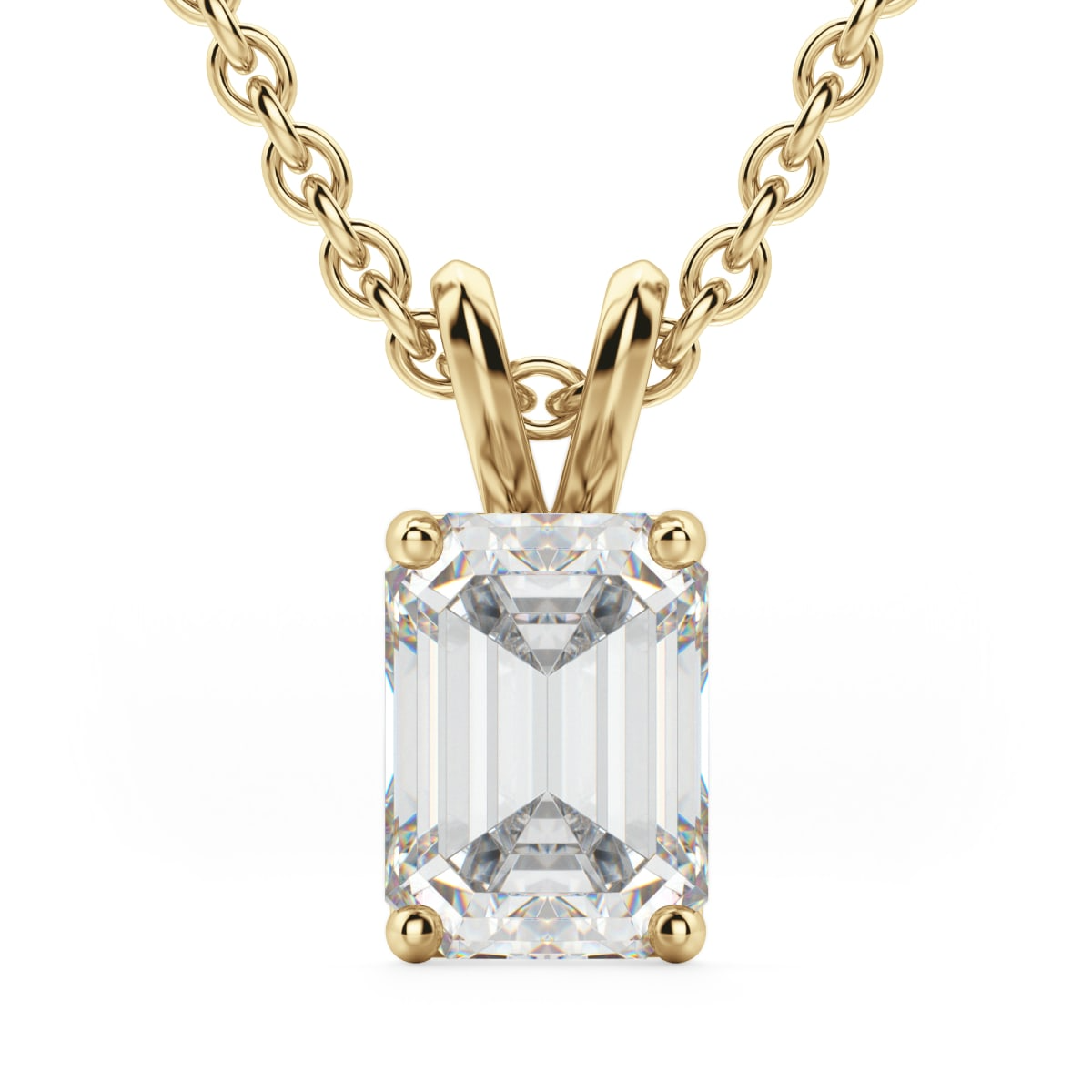
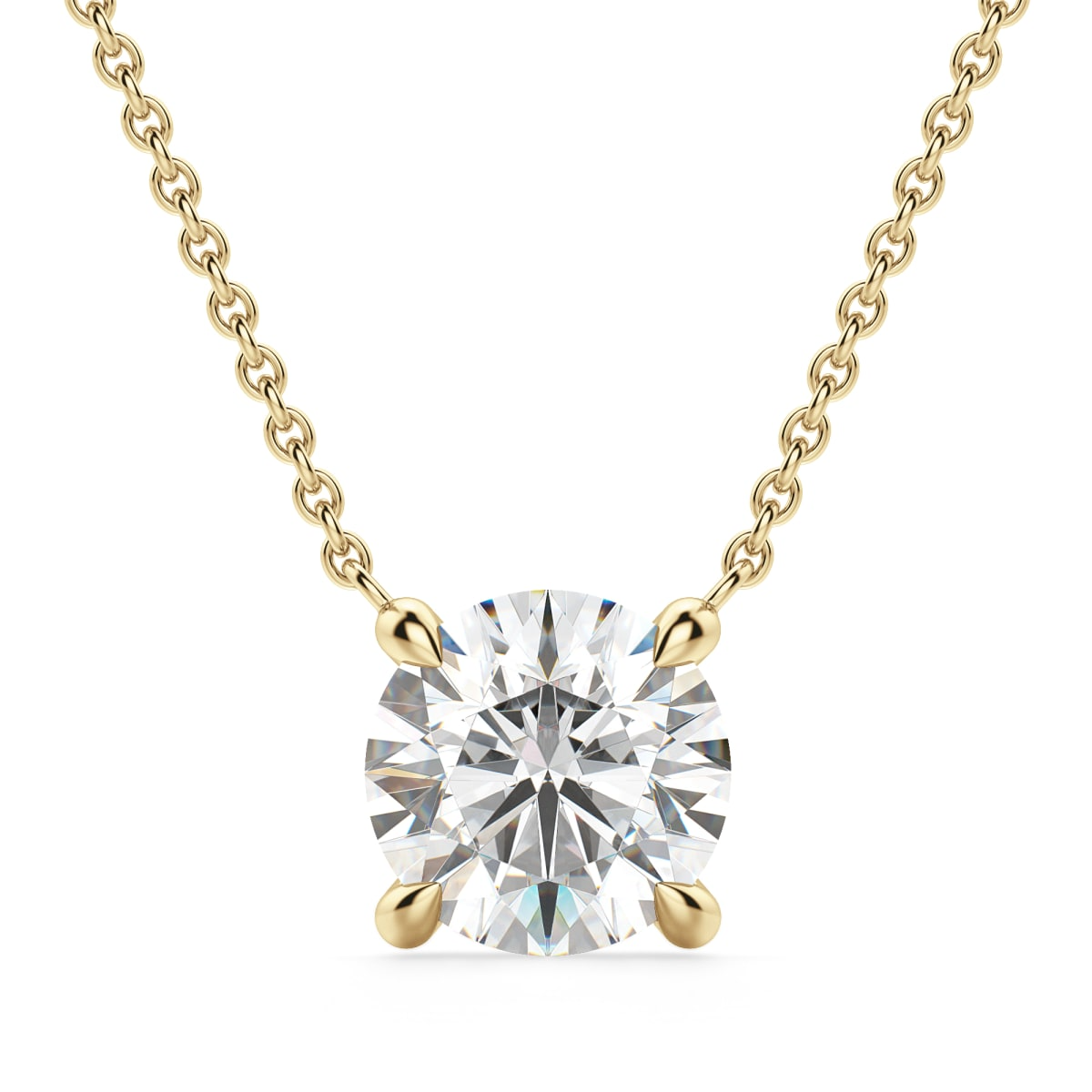
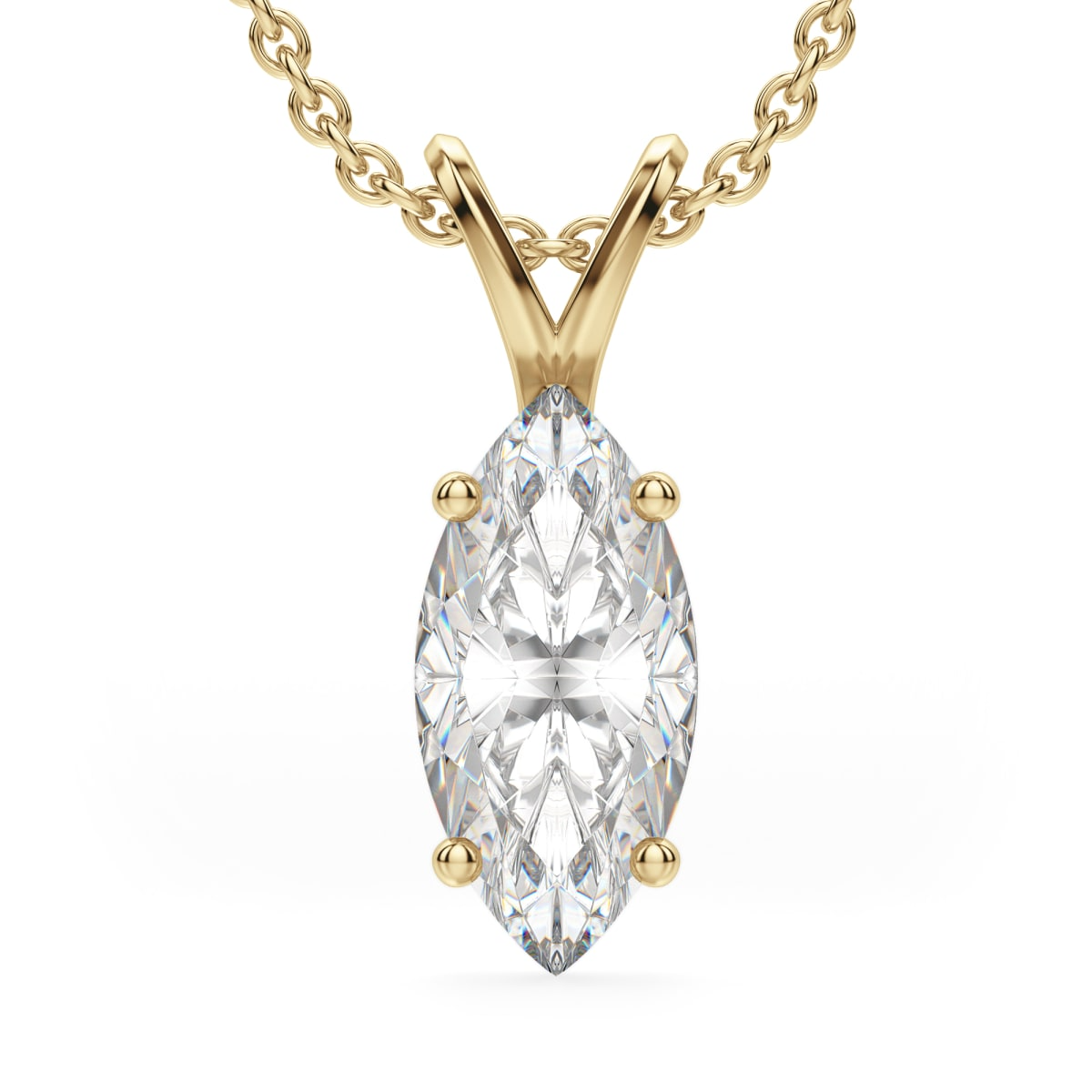
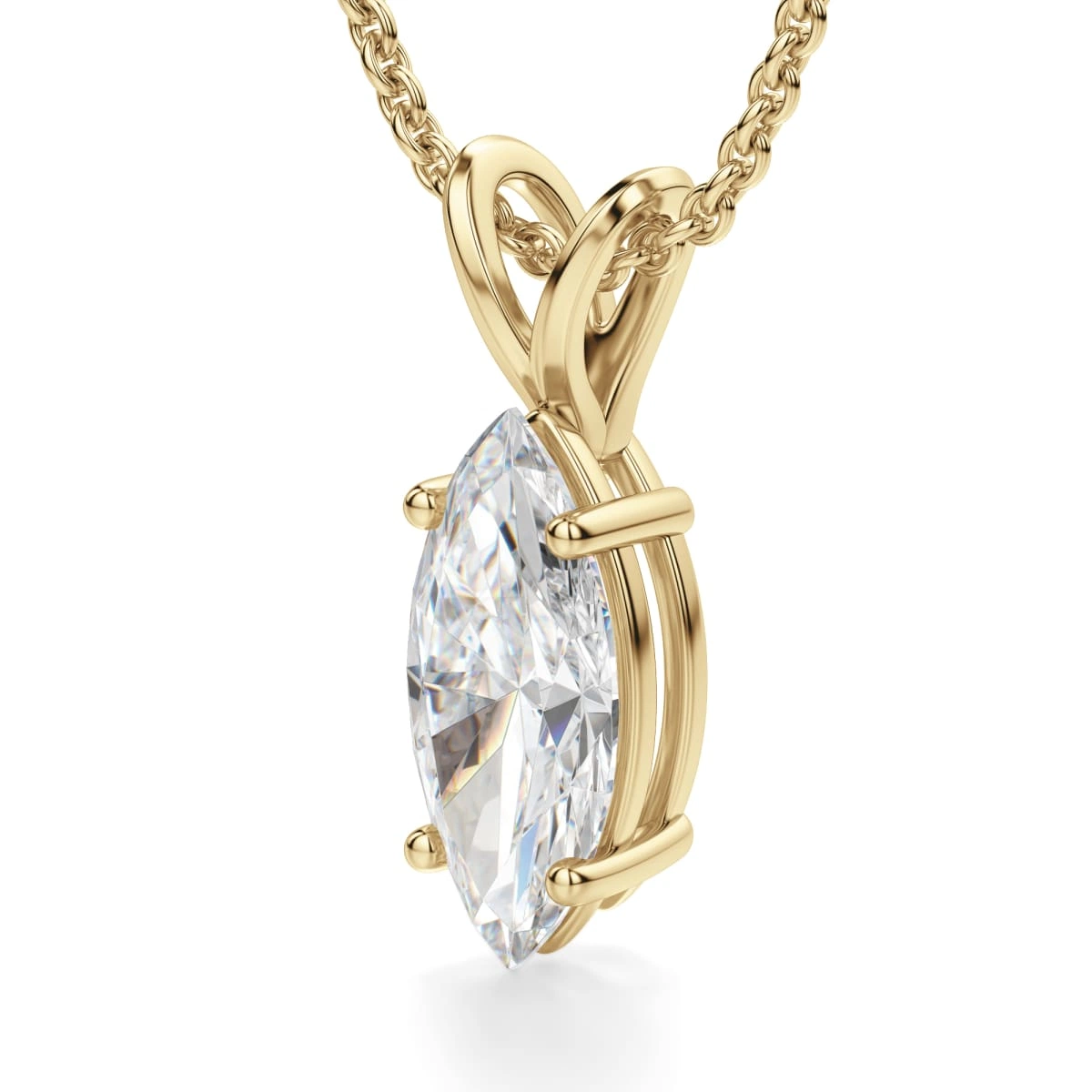
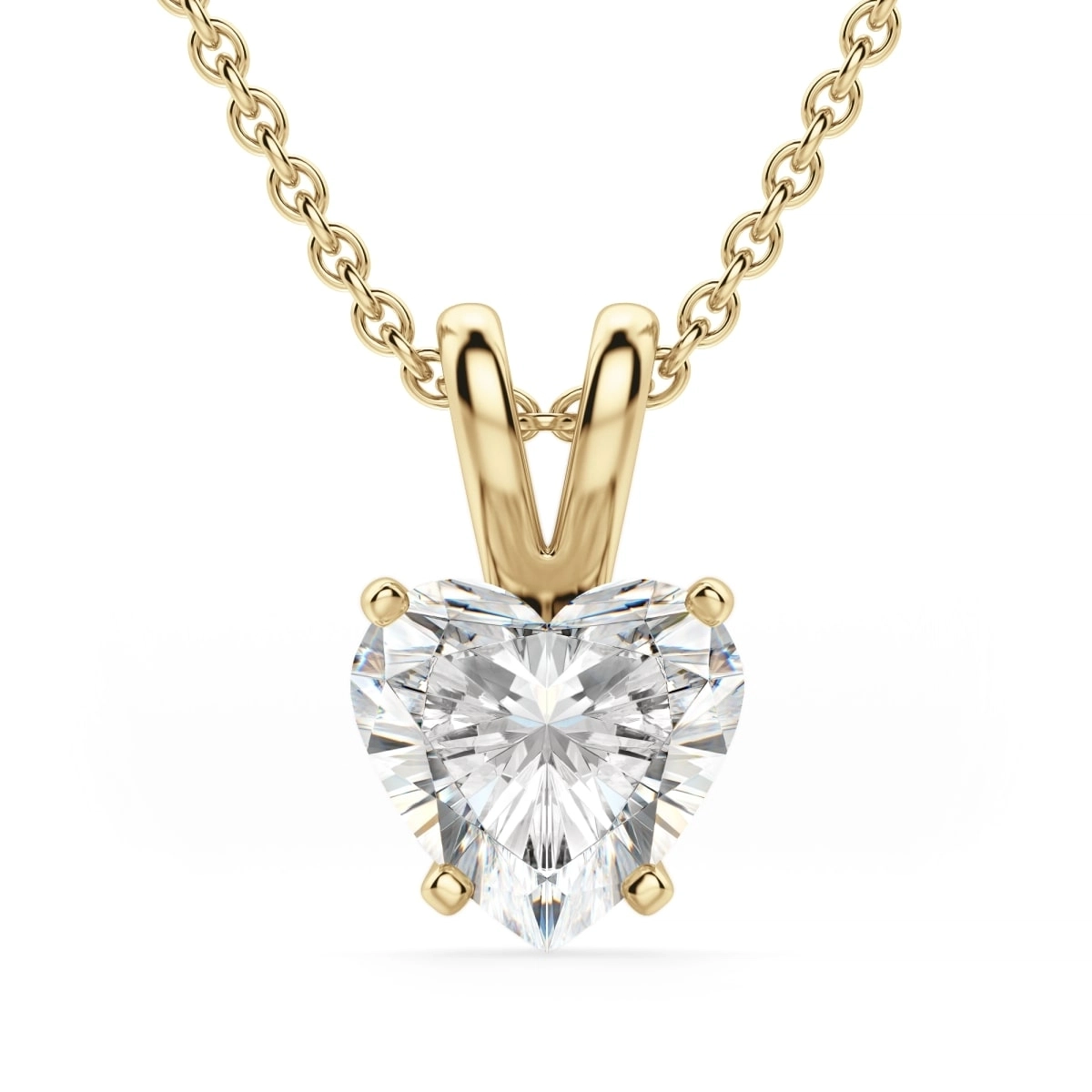
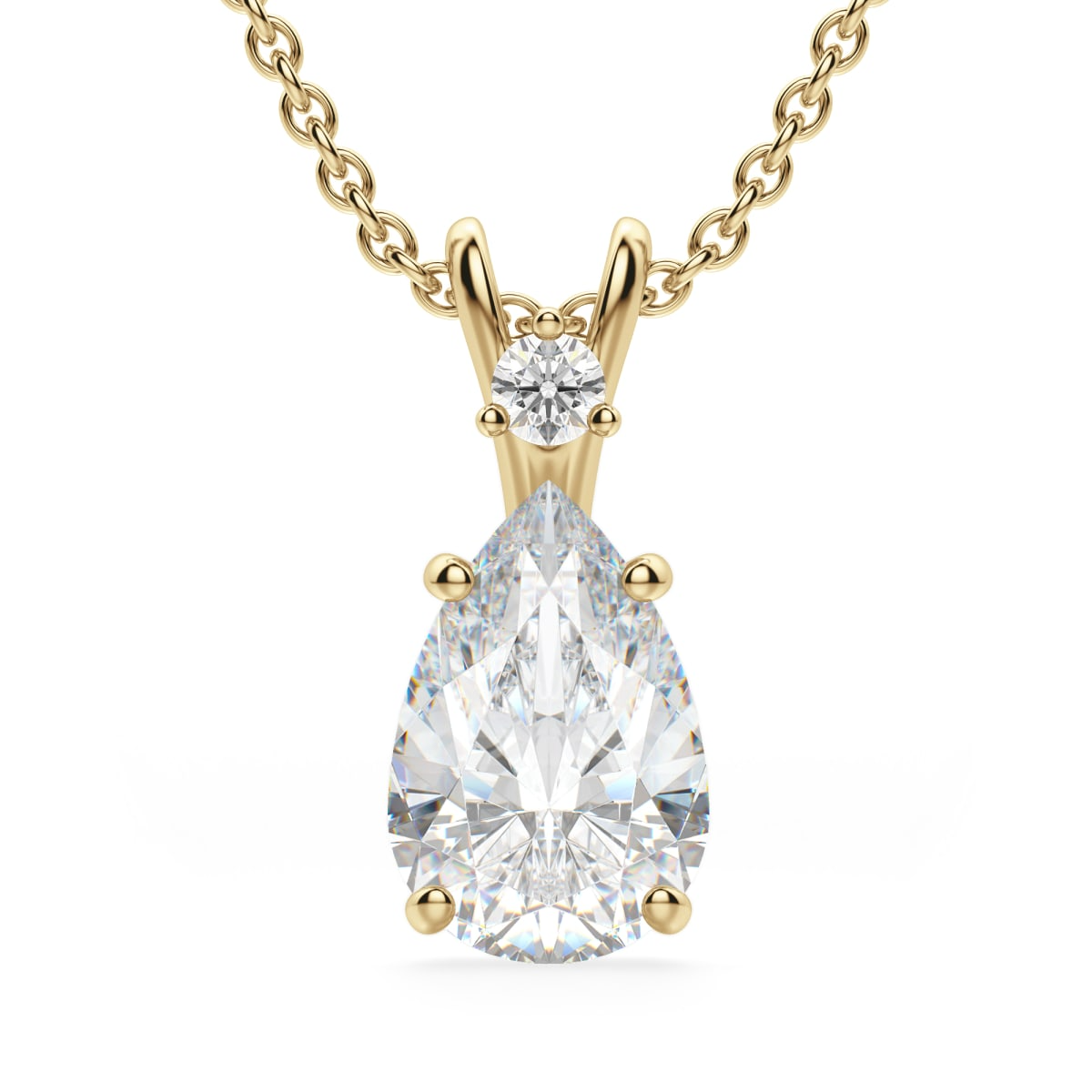
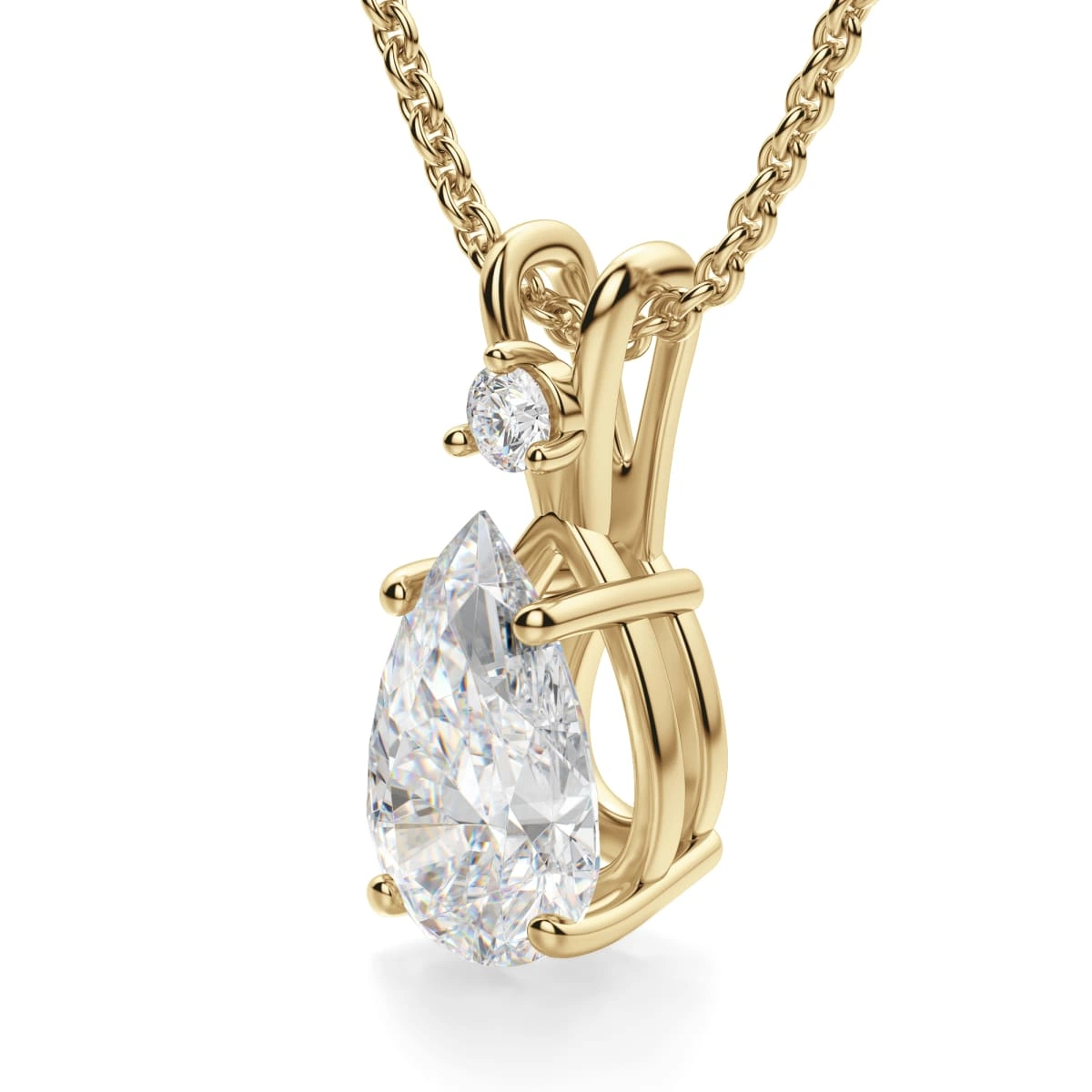
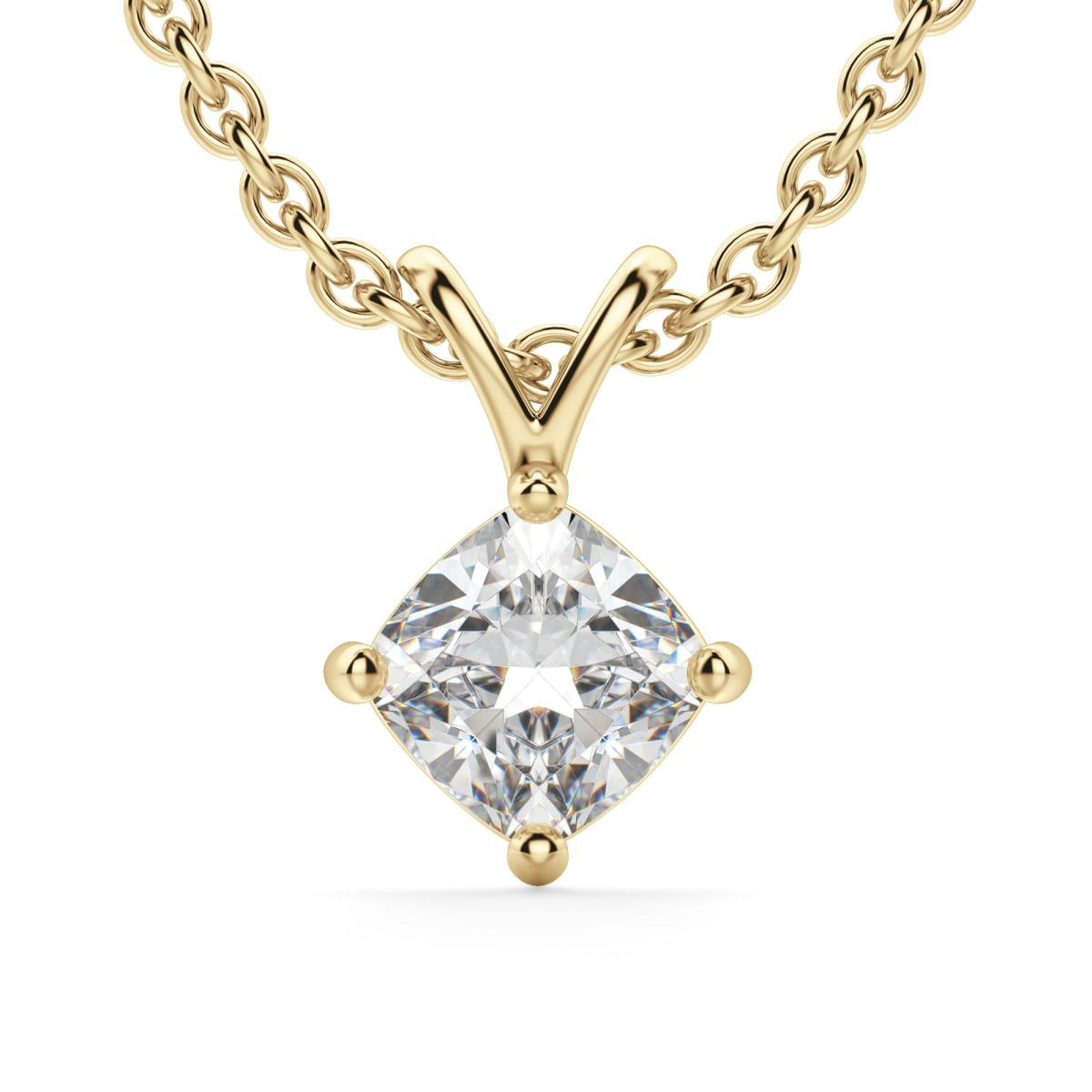
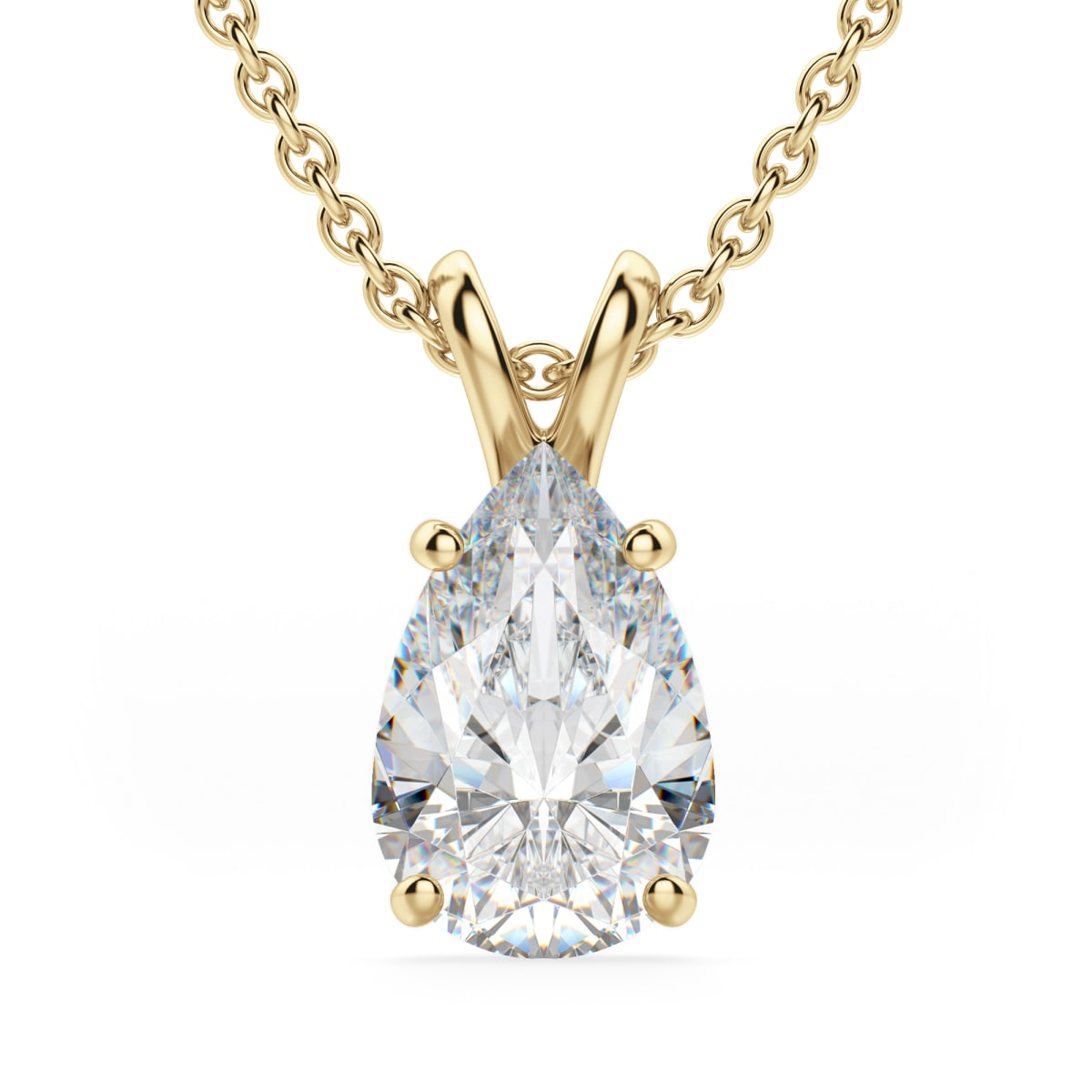
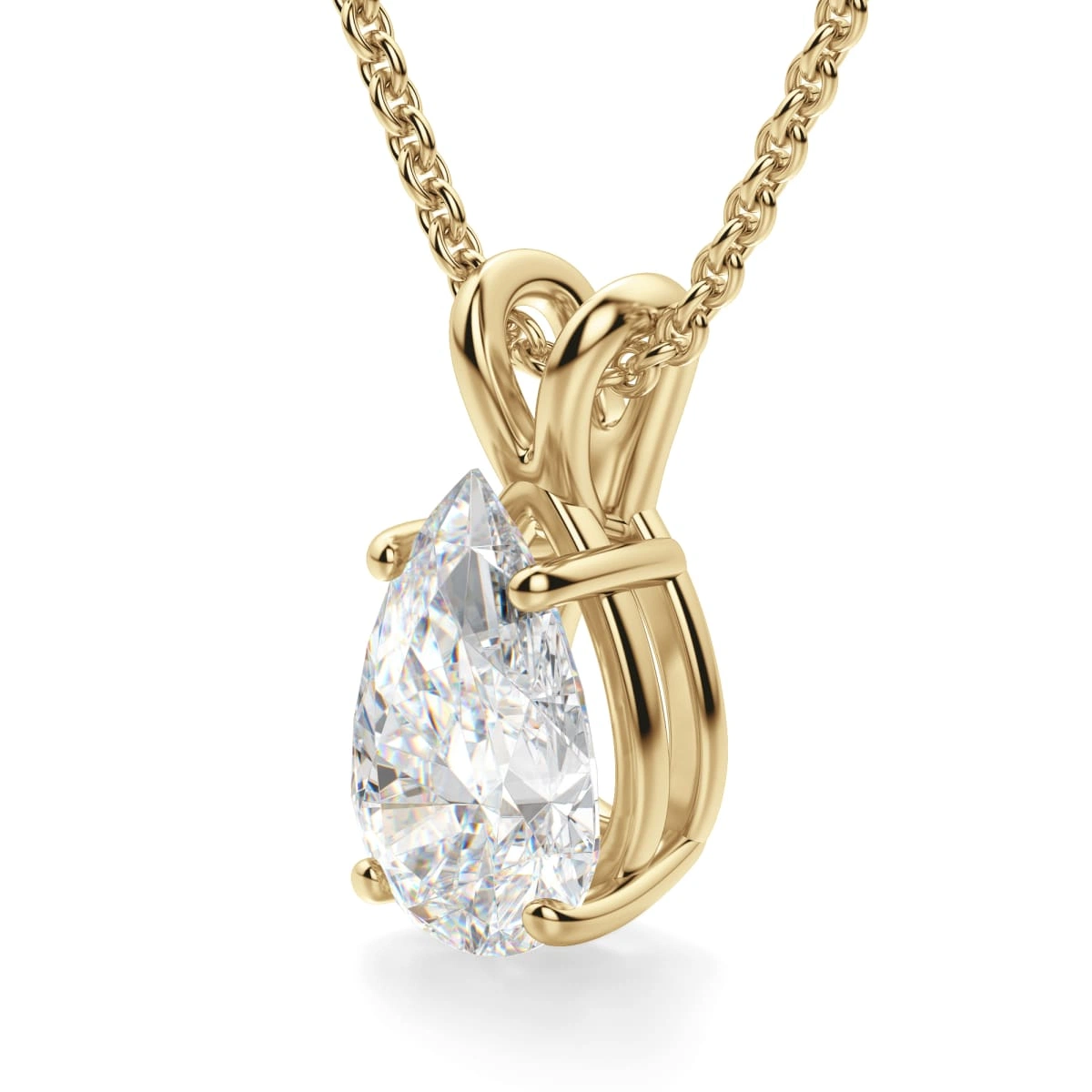
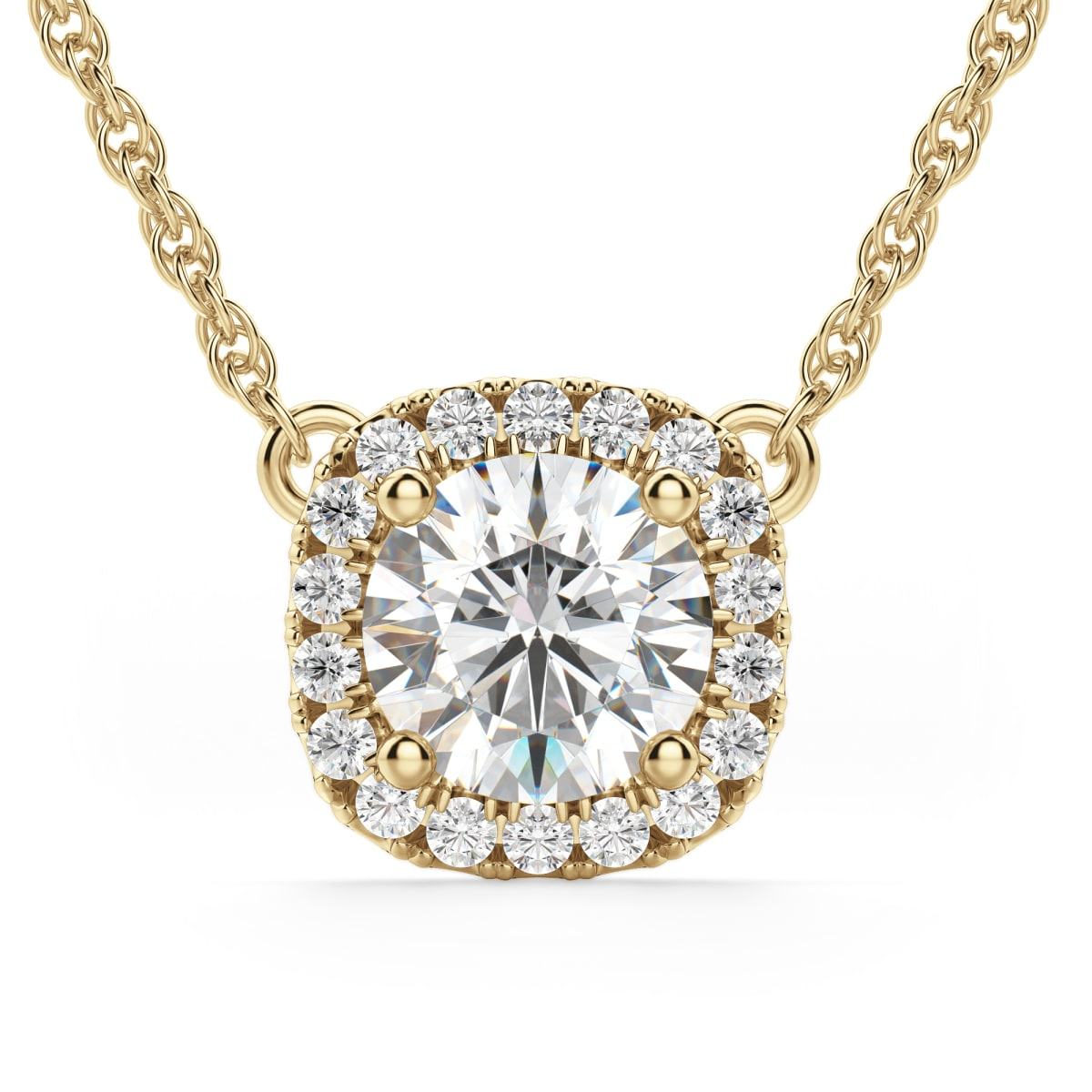
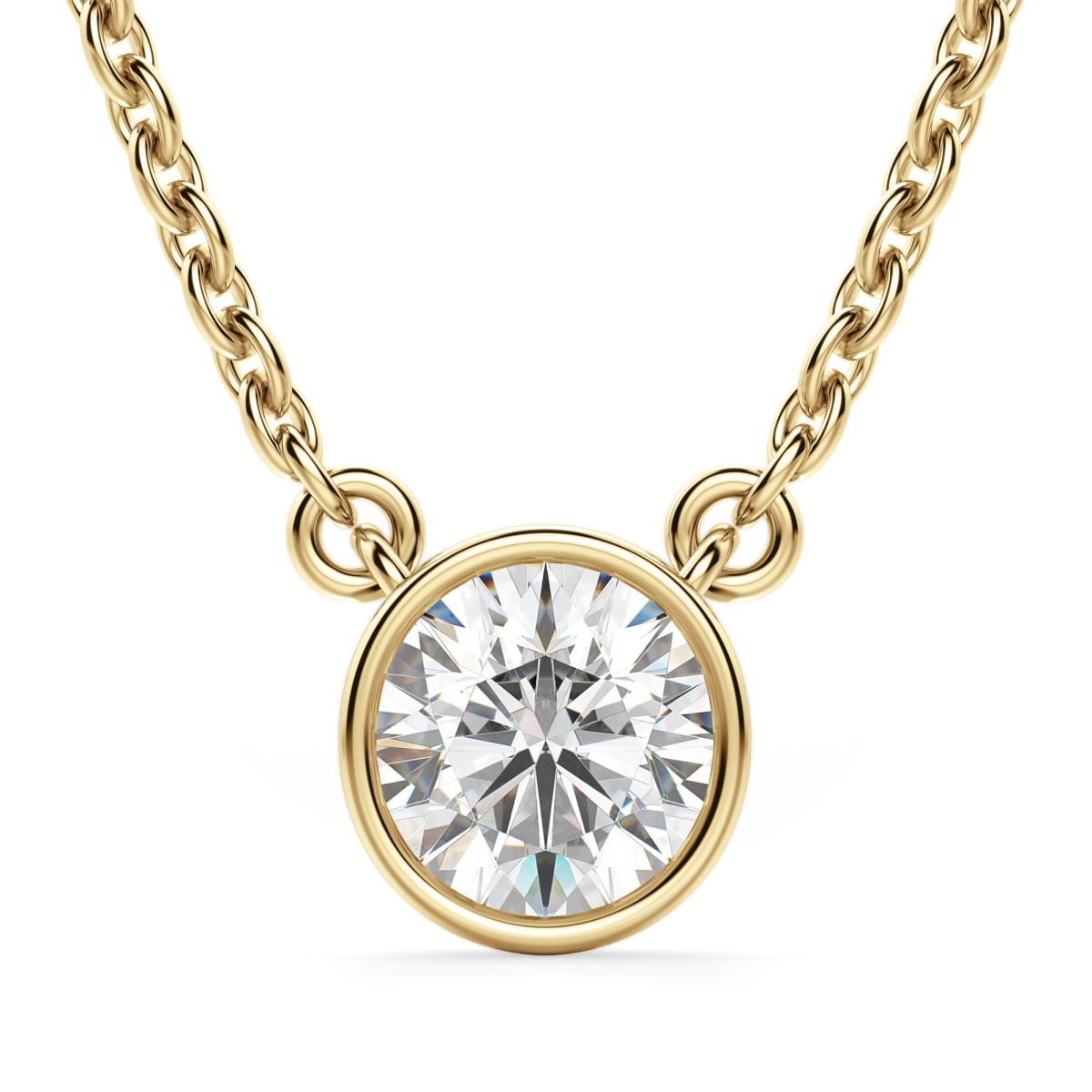
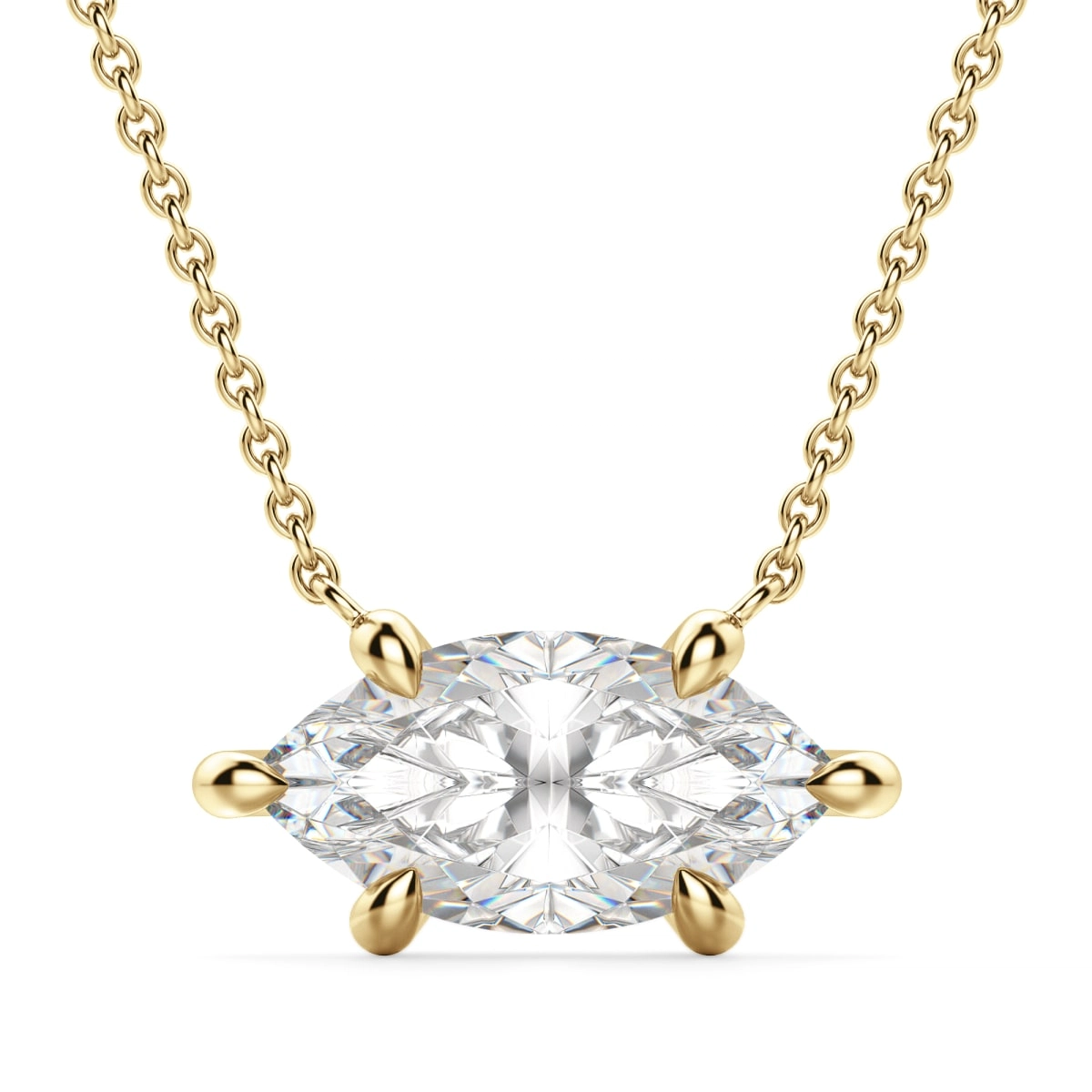
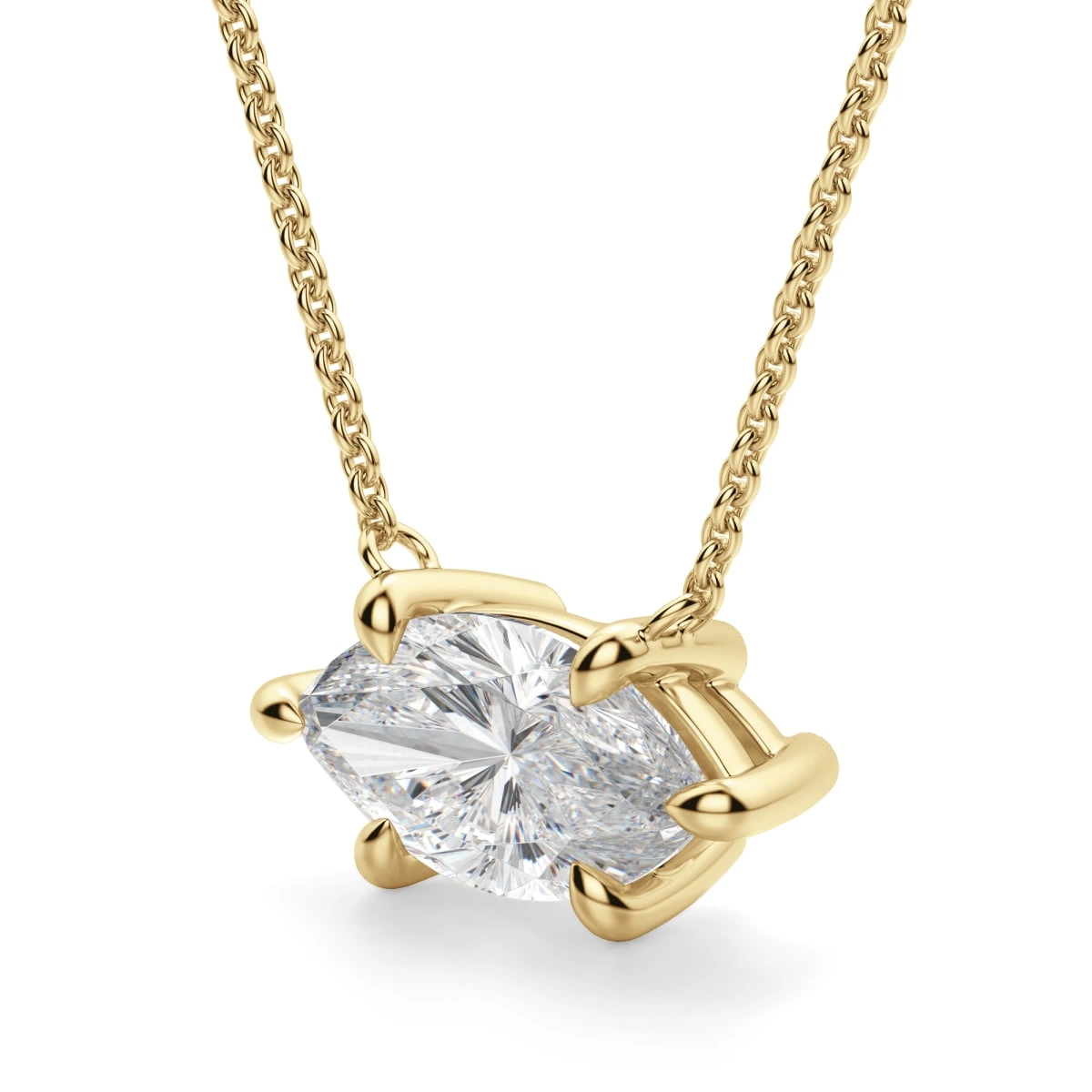
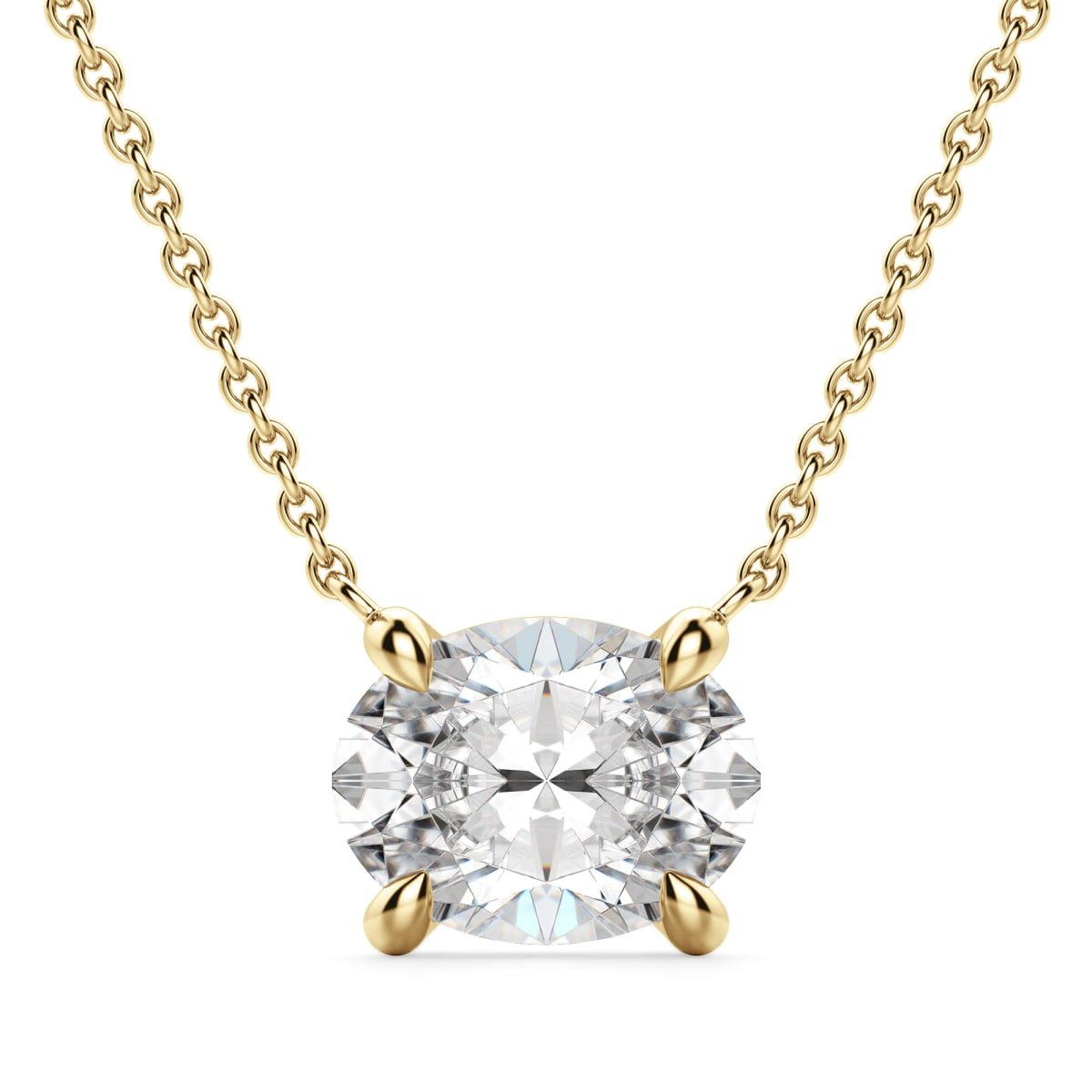
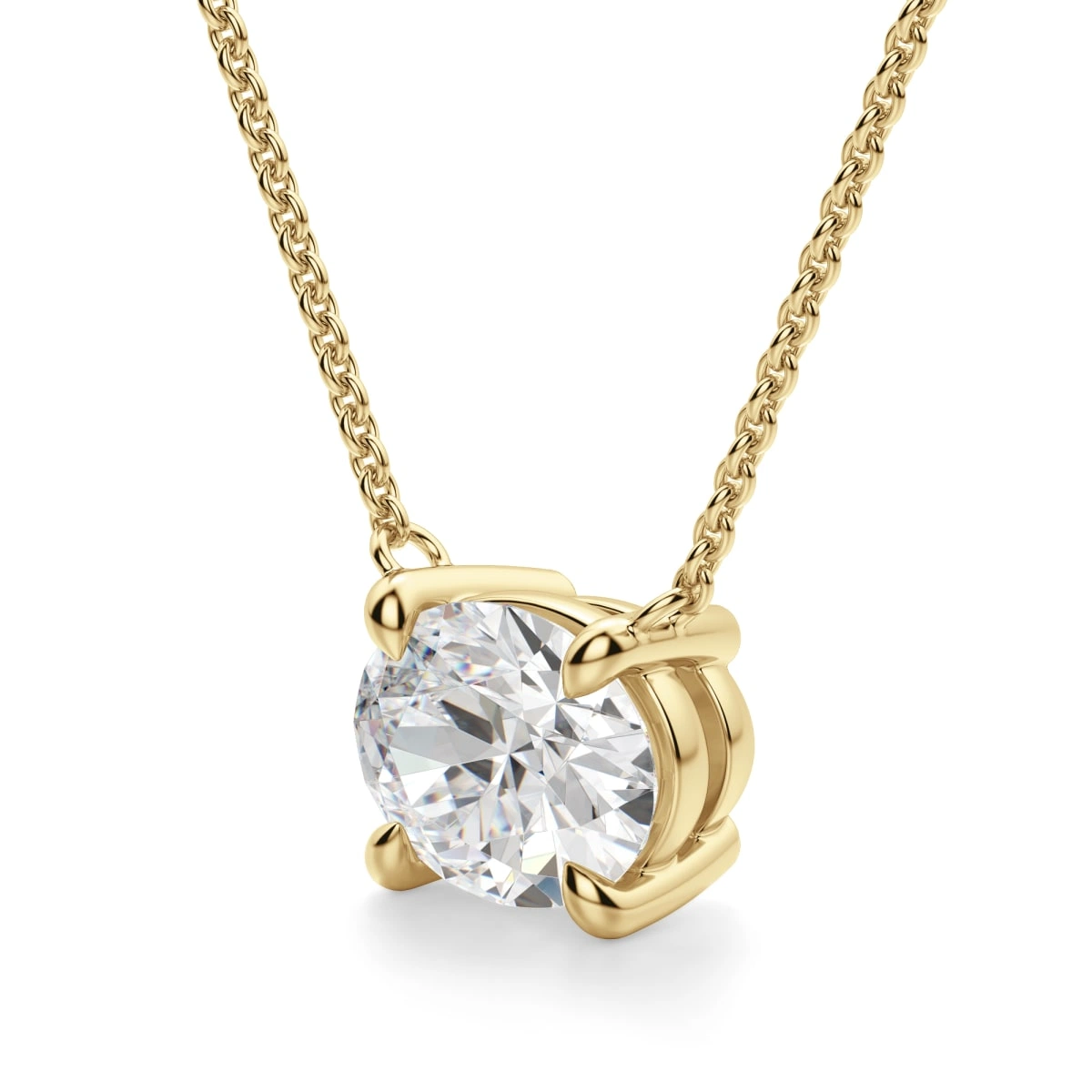
Because a solitaire necklace is just one stone, the cut you choose does more of the visual work than it would on a ring surrounded by other details. Round and oval remain the most familiar options, while pear and marquise give the pendant a longer, more elongated line down the neckline.
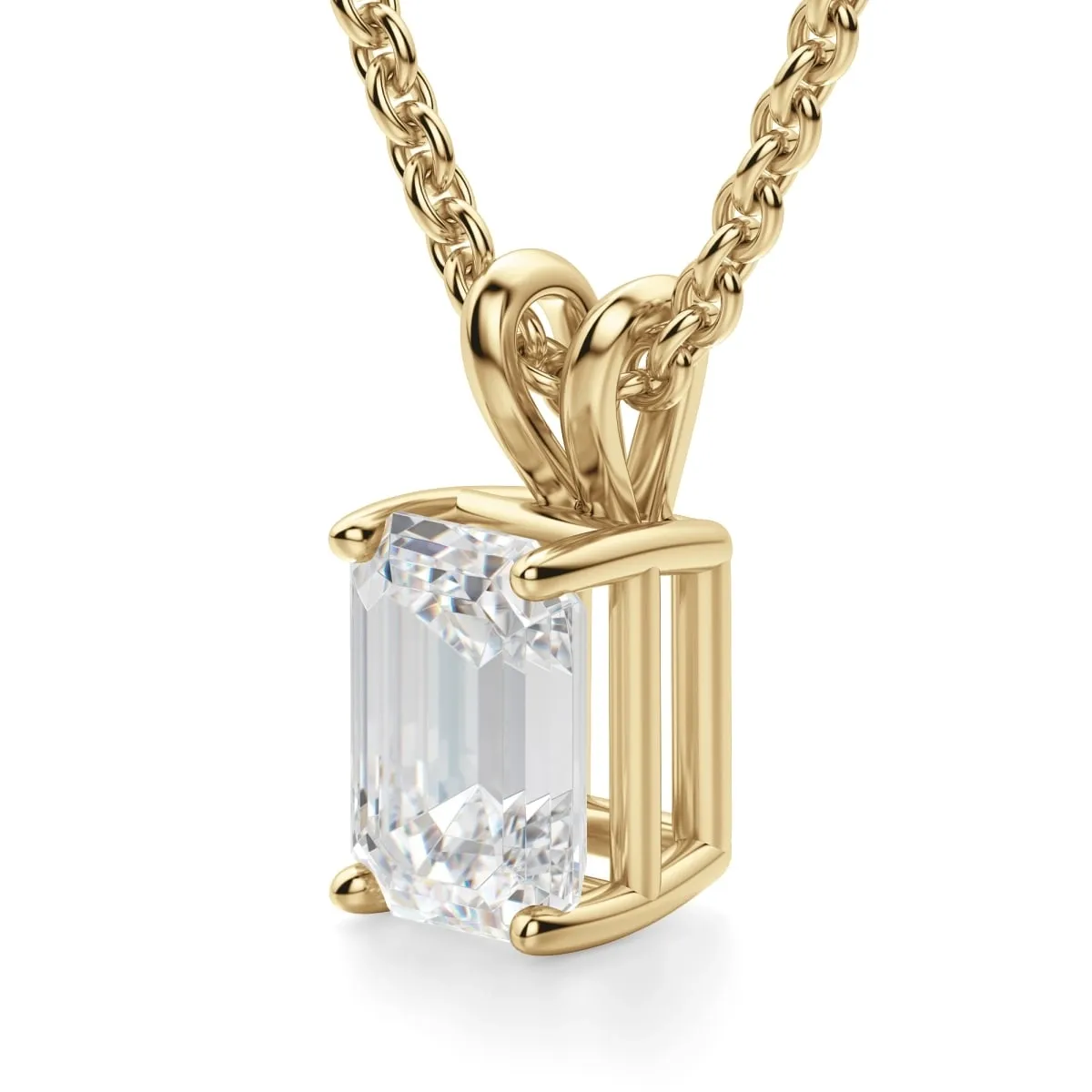
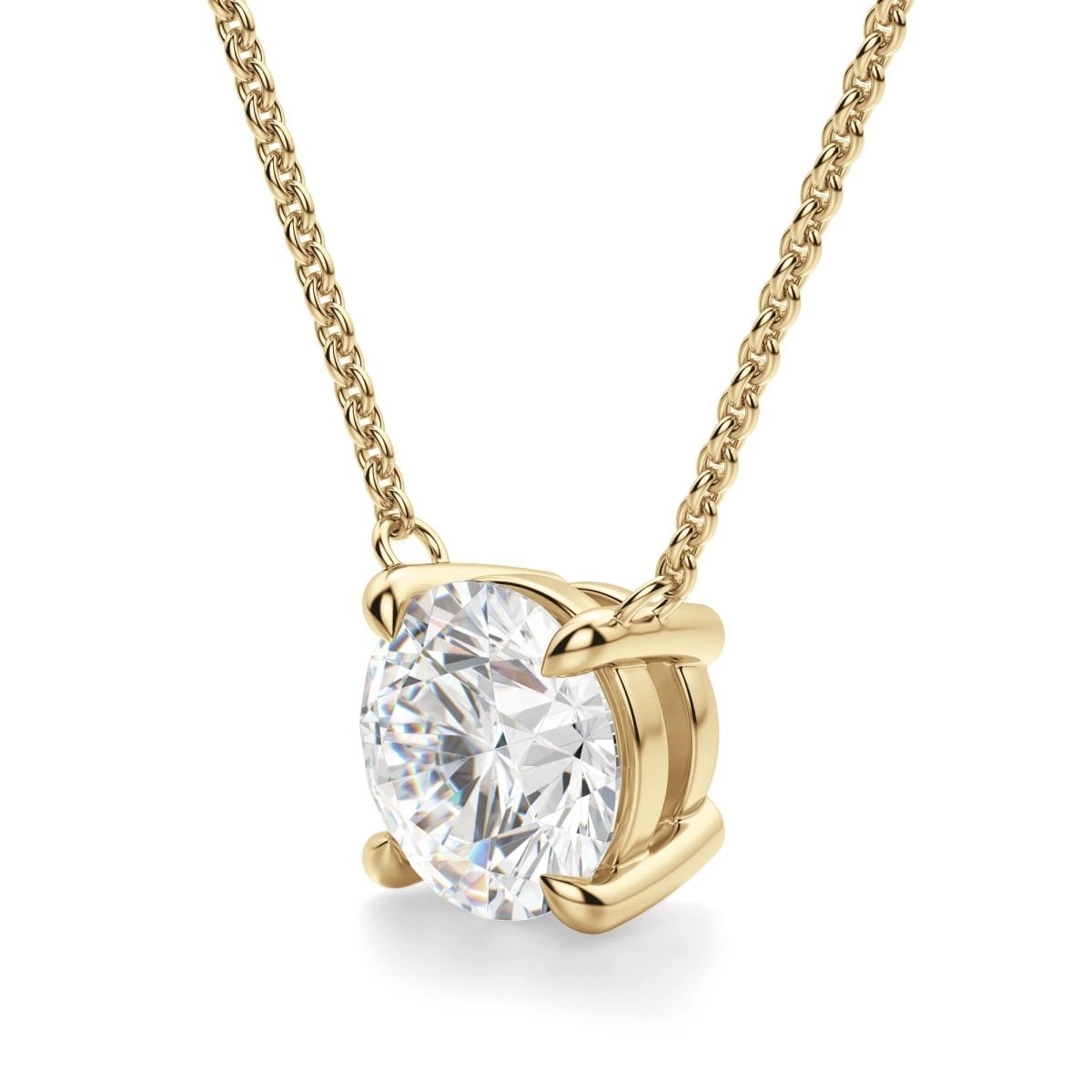
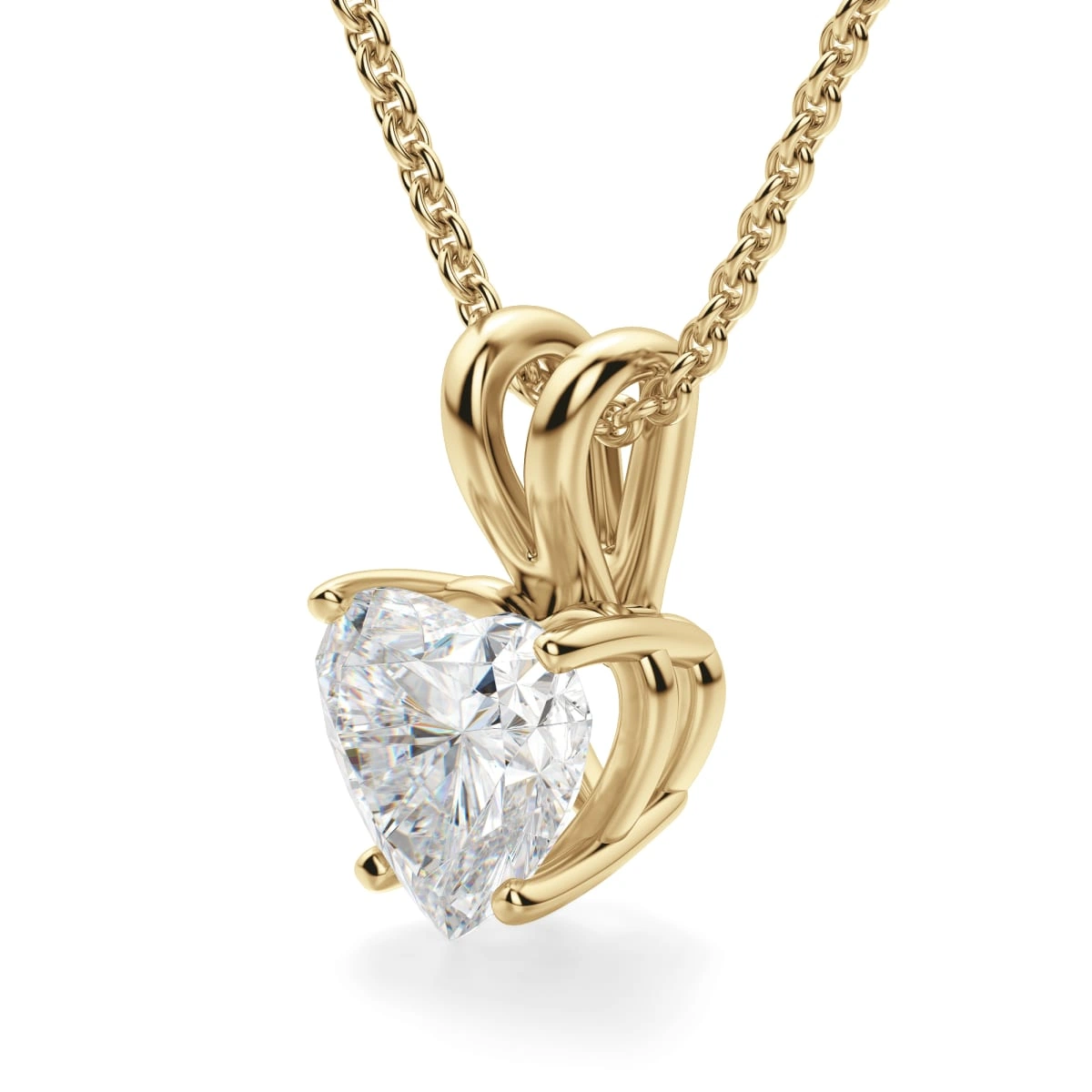
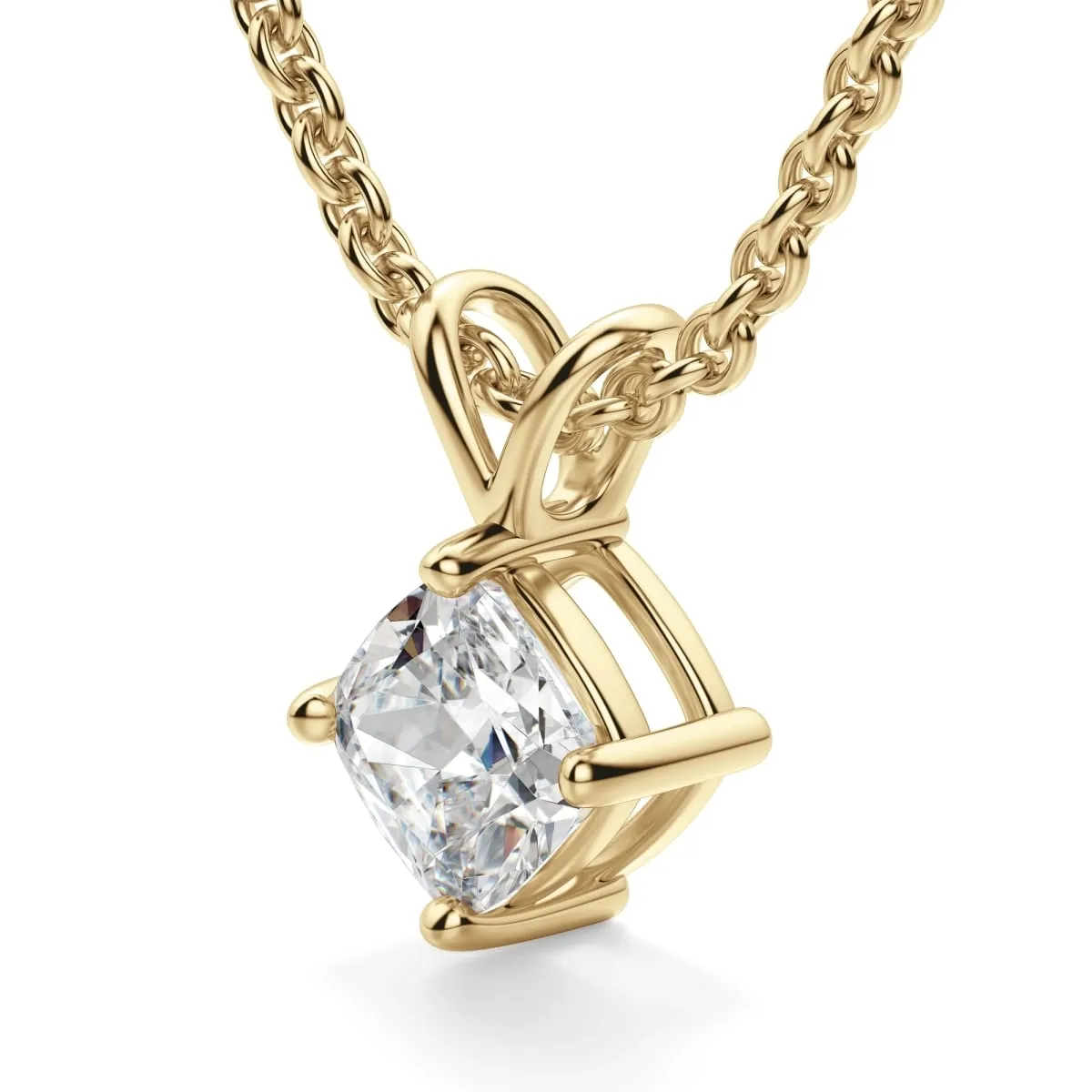
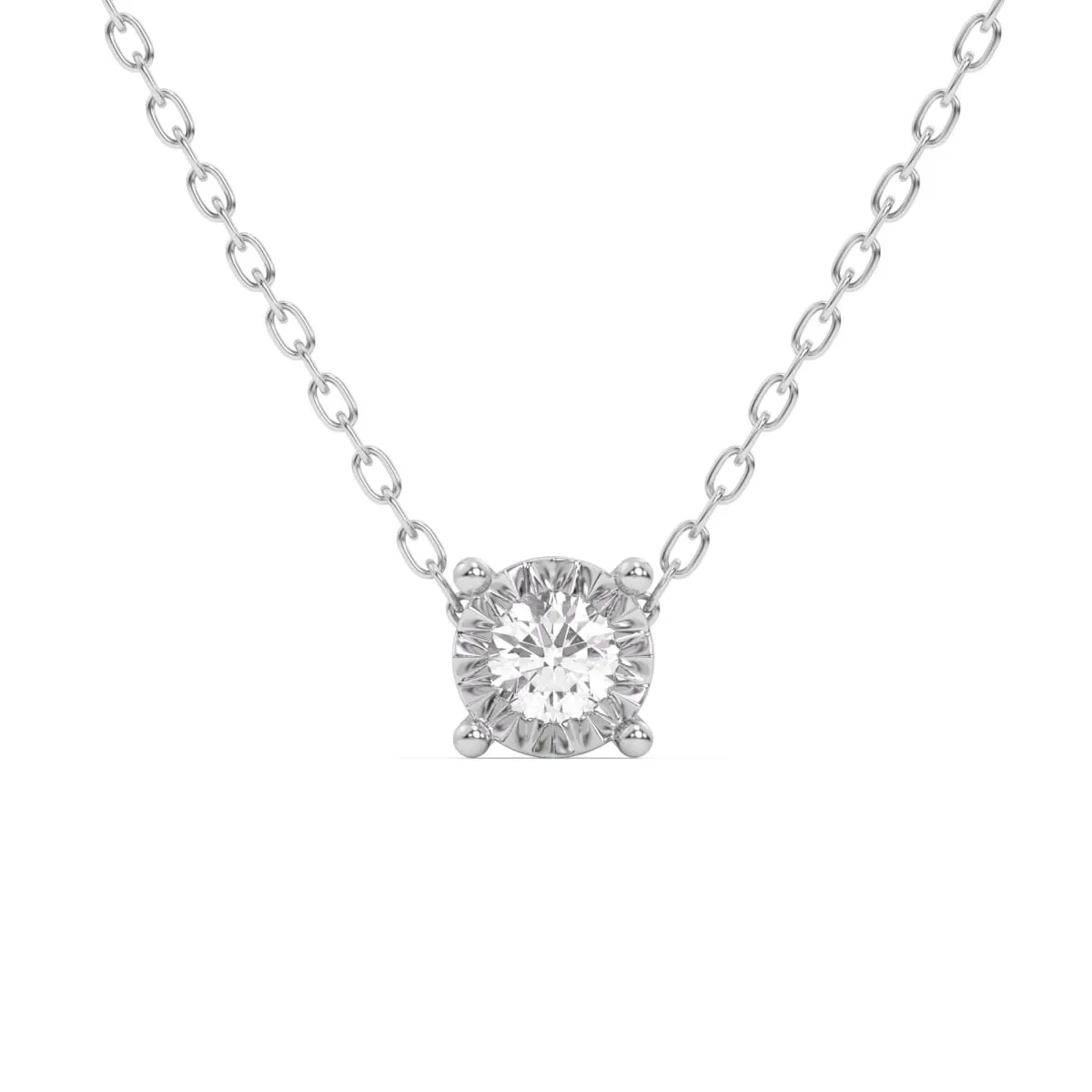
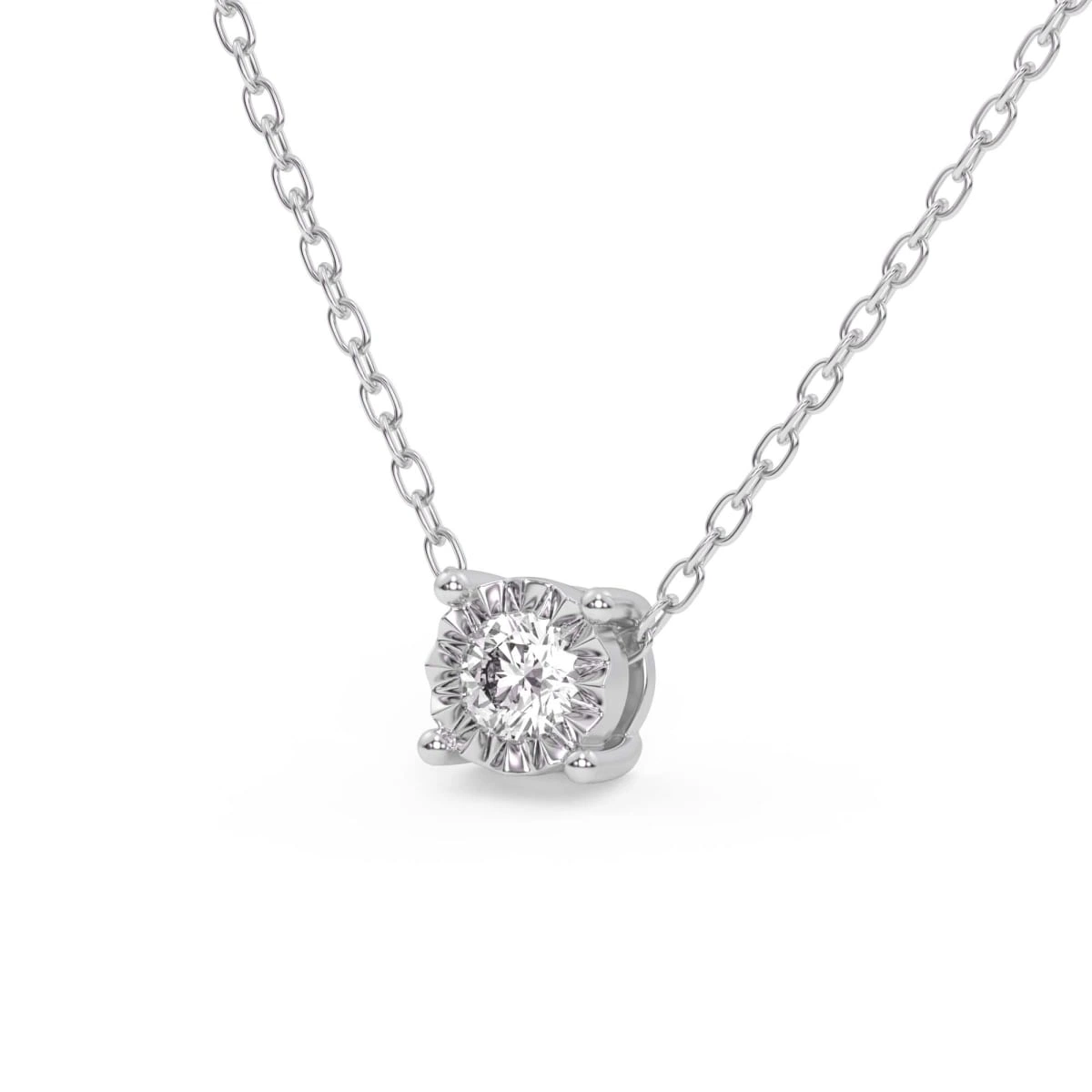
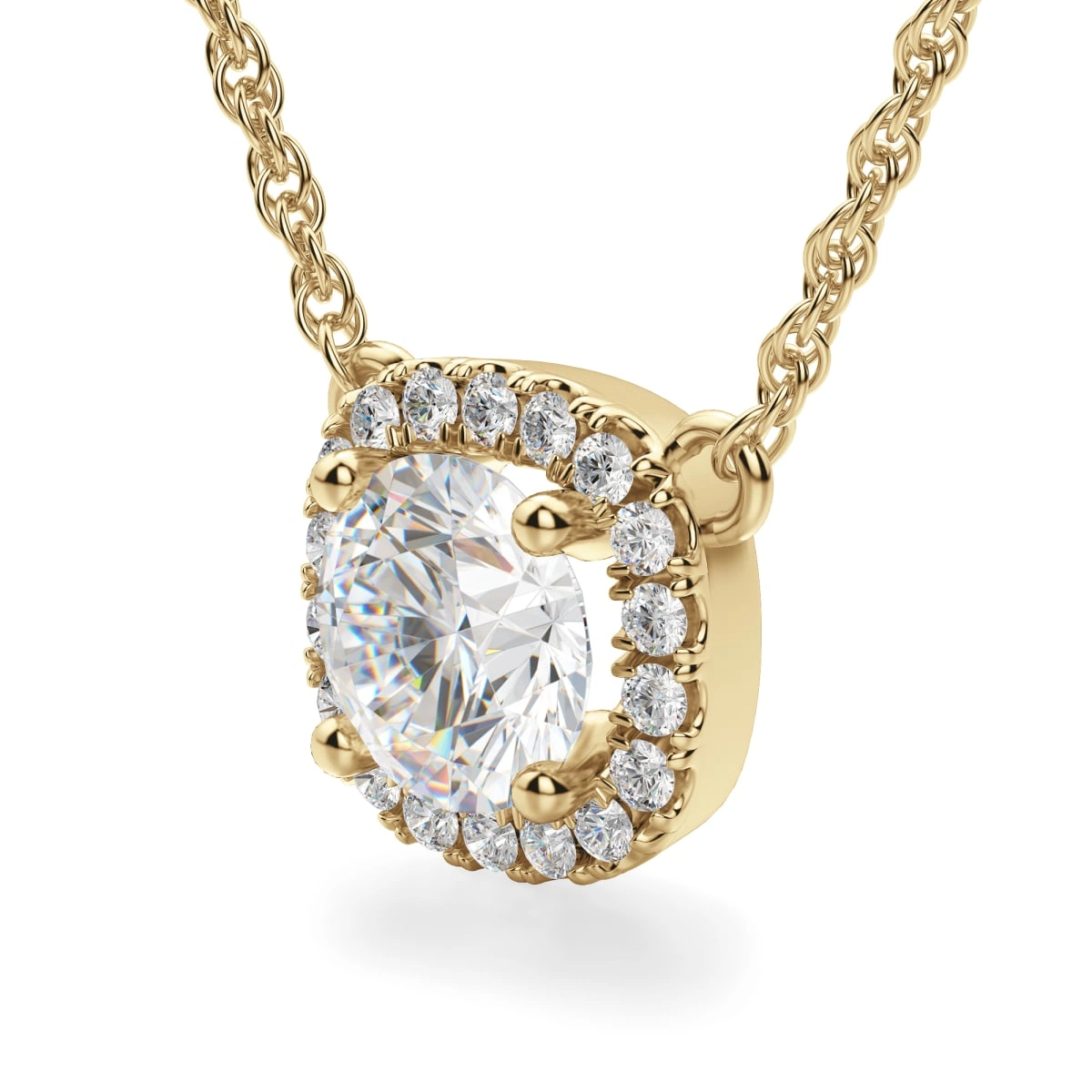
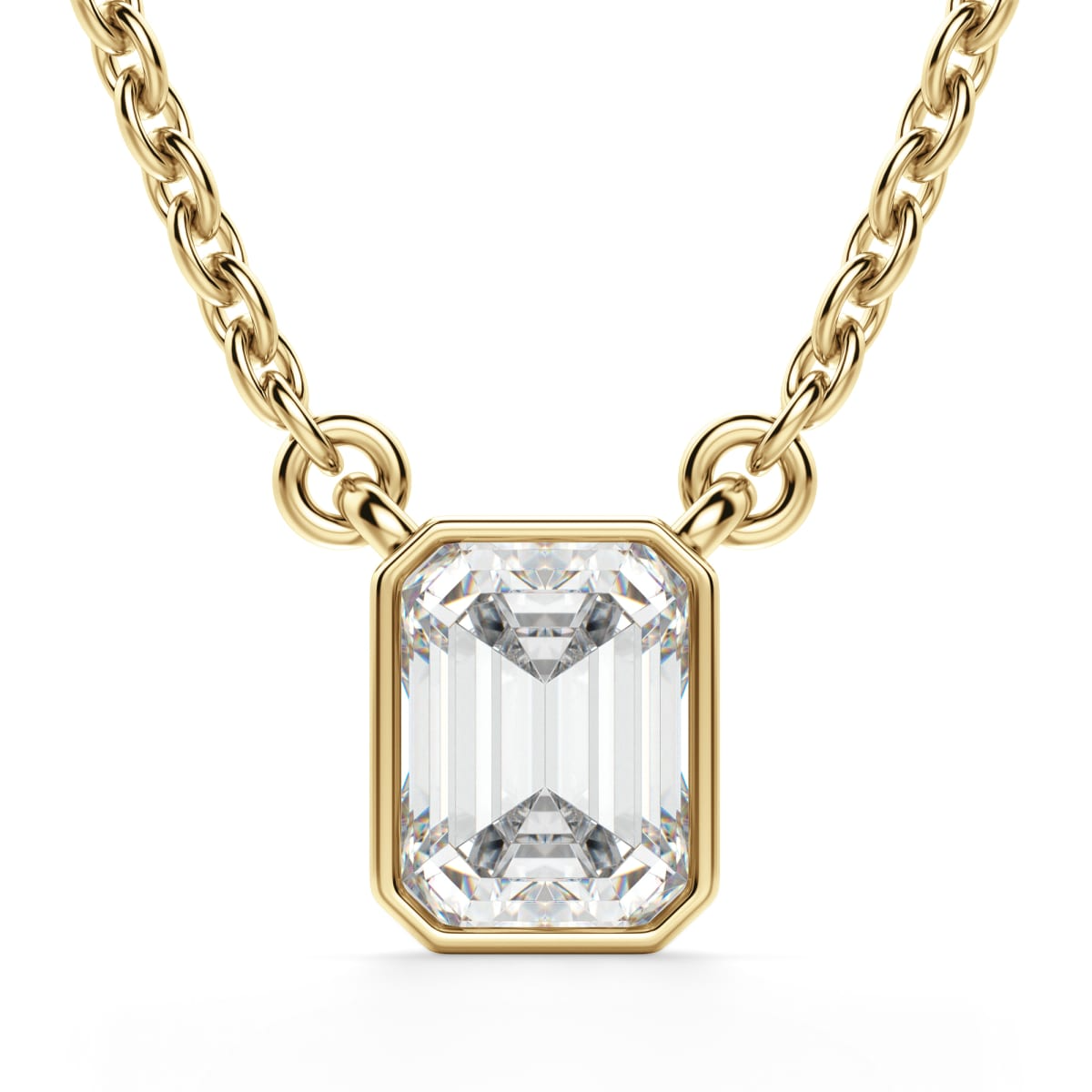
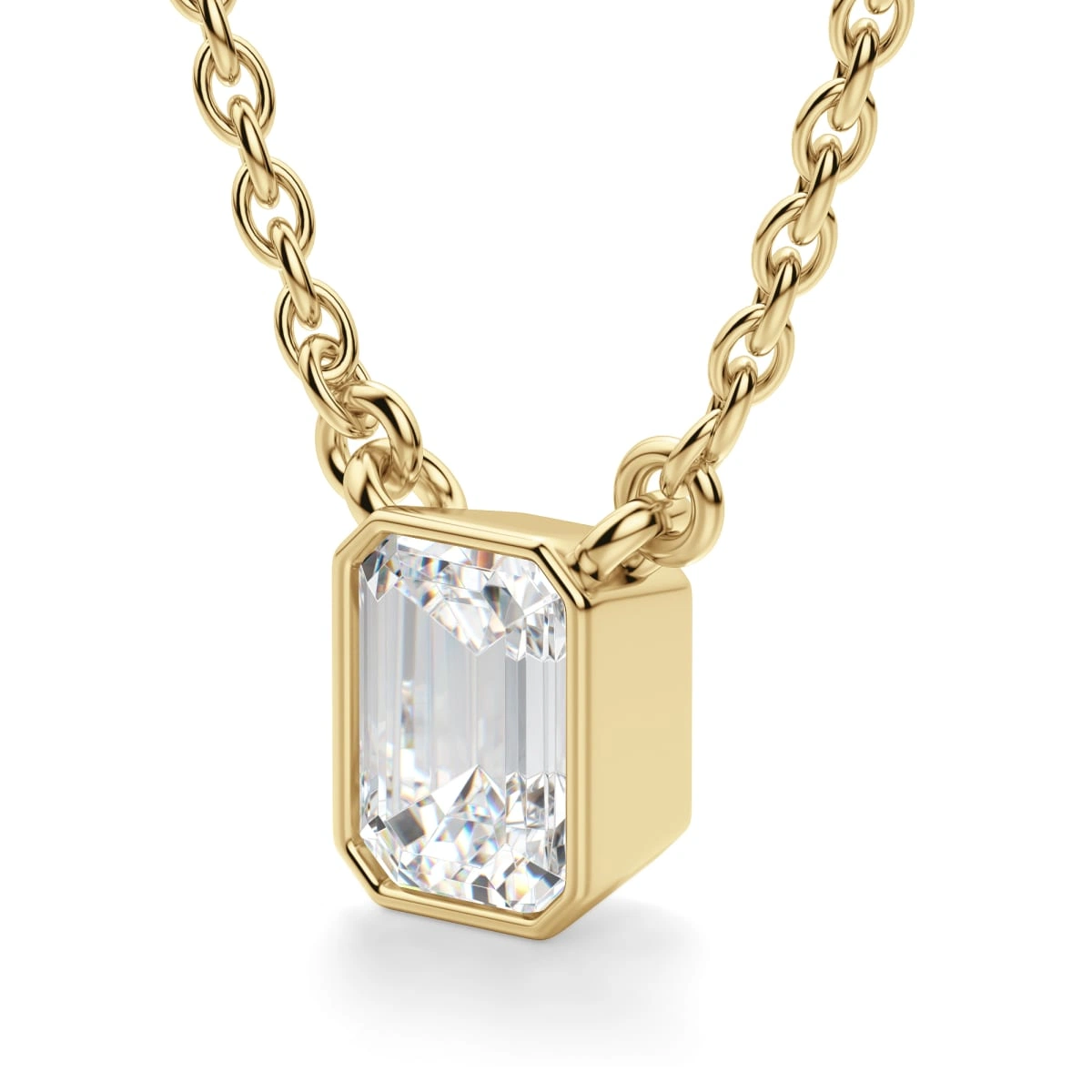
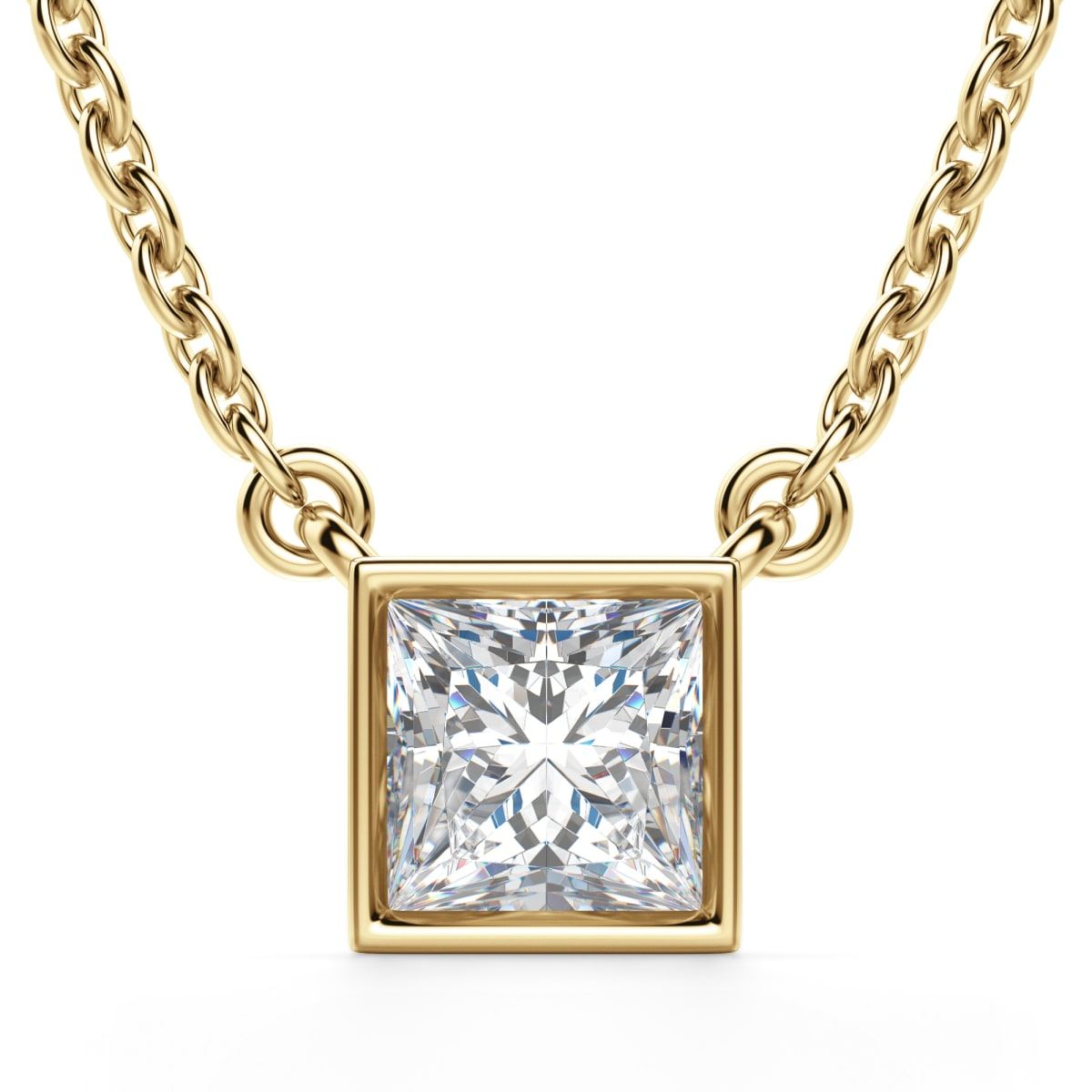
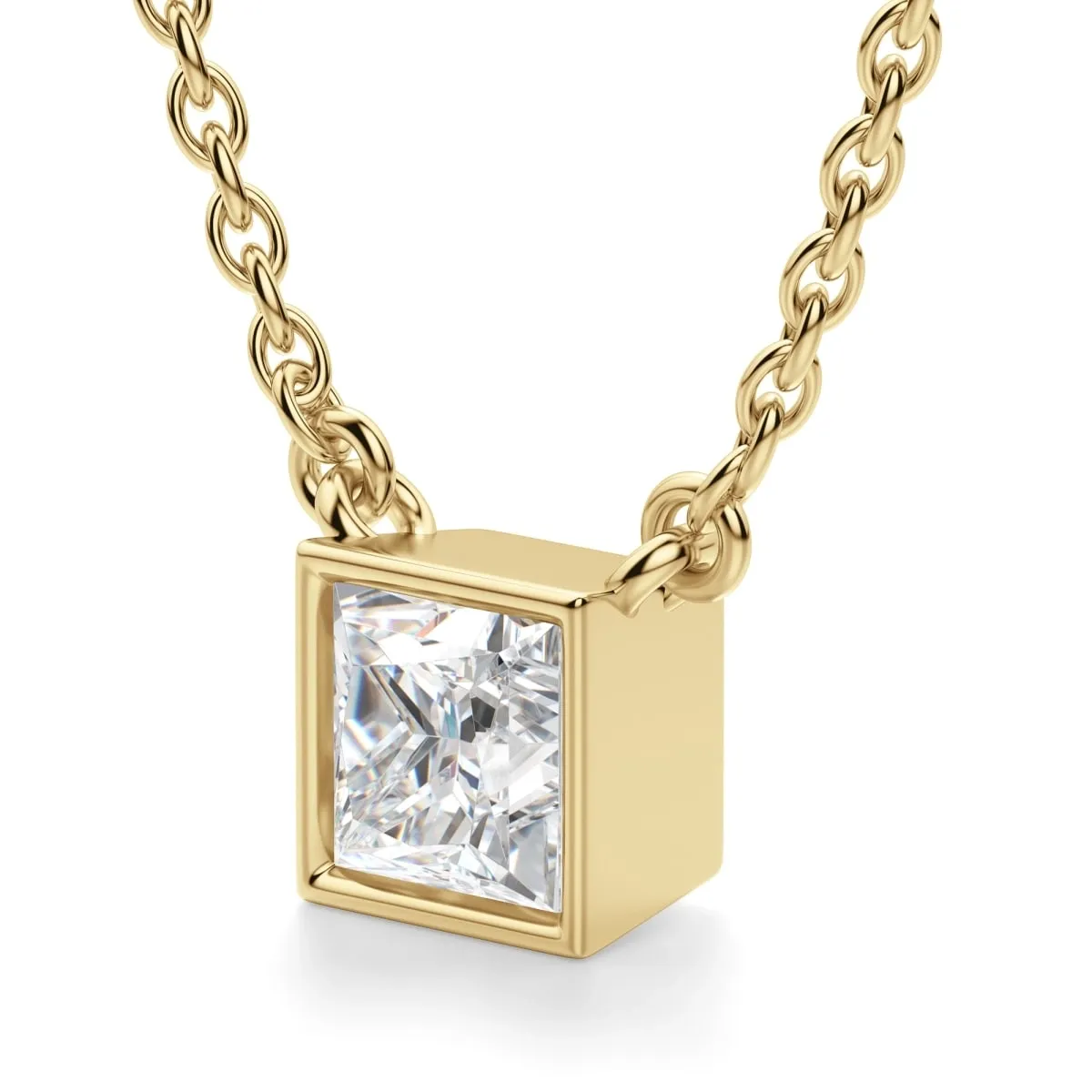
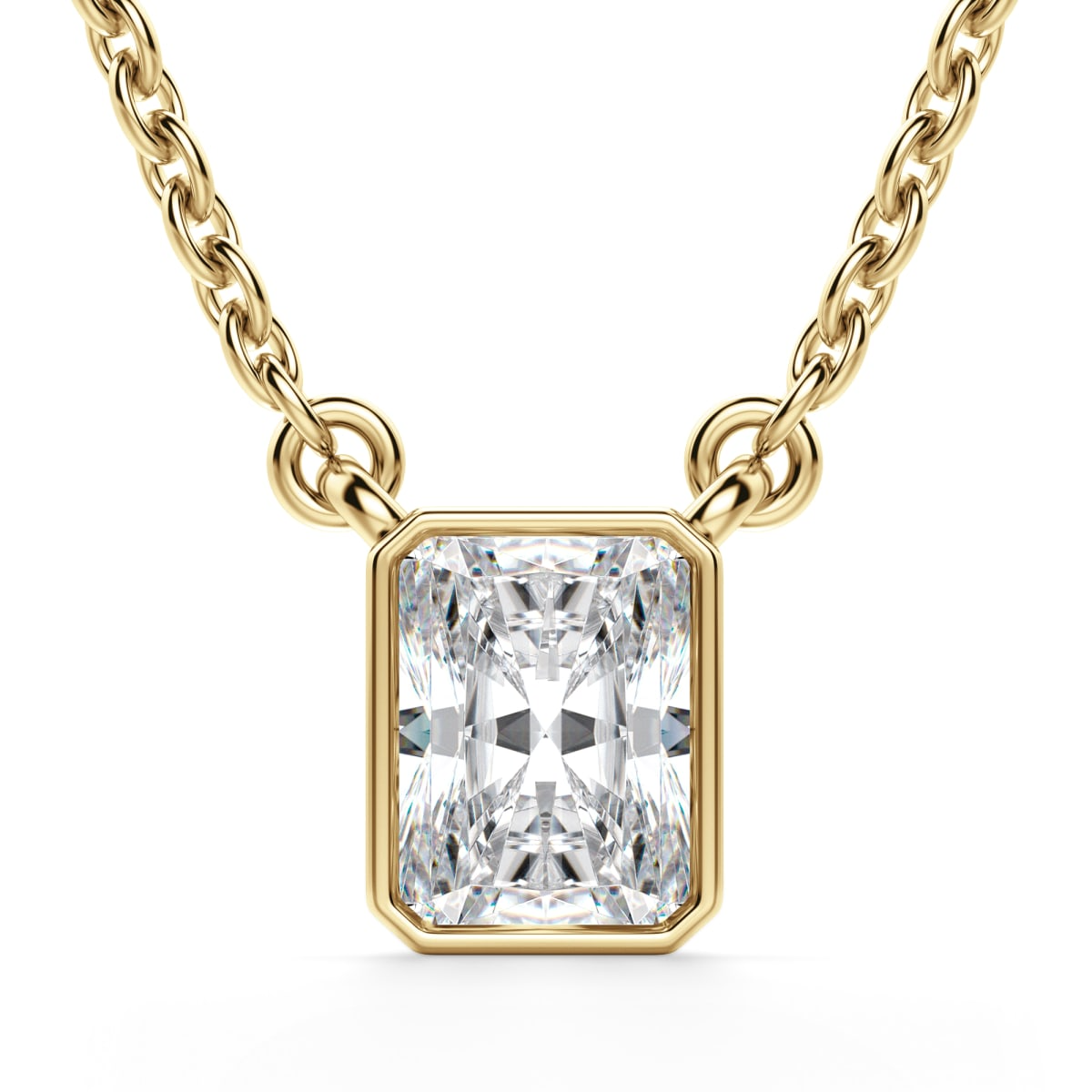
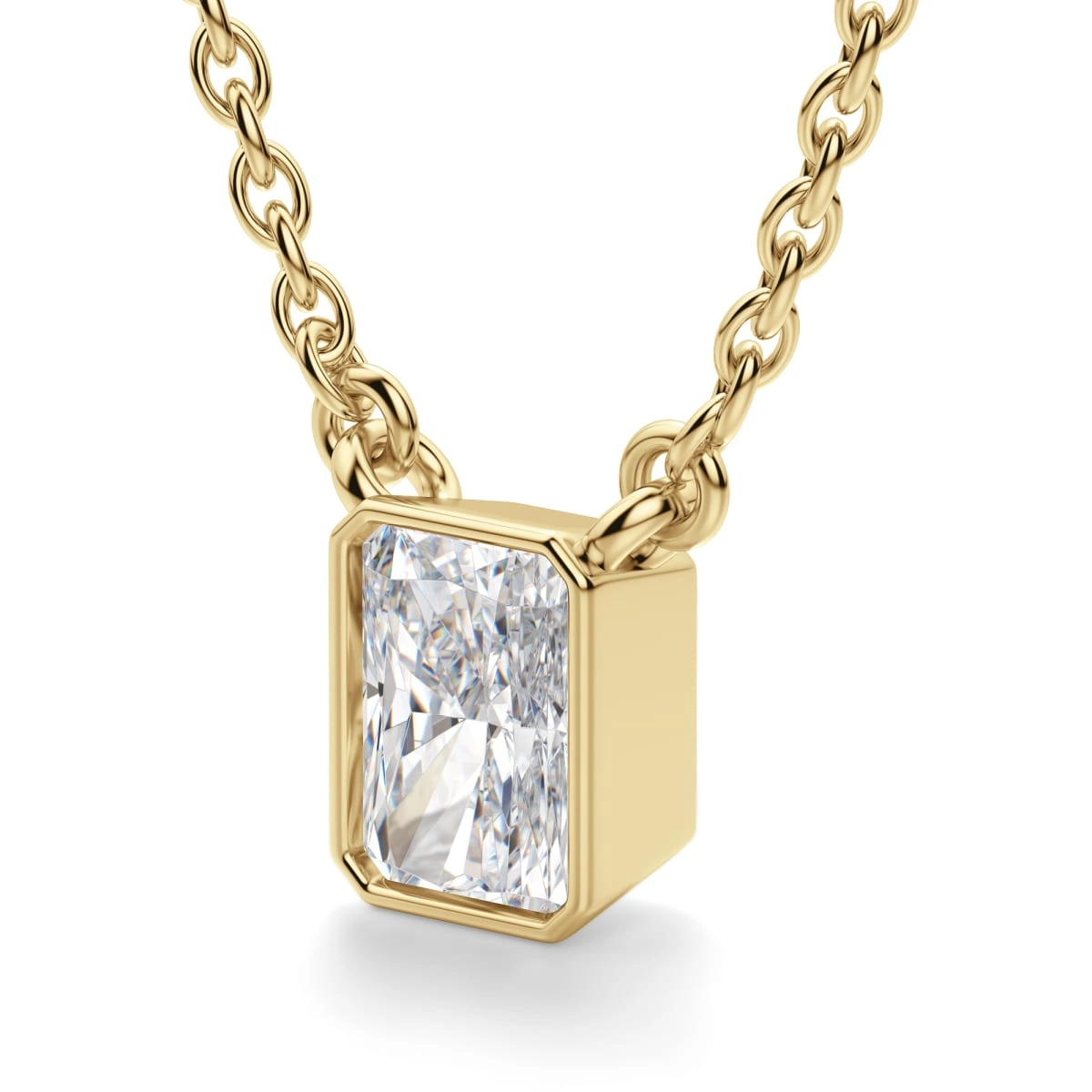
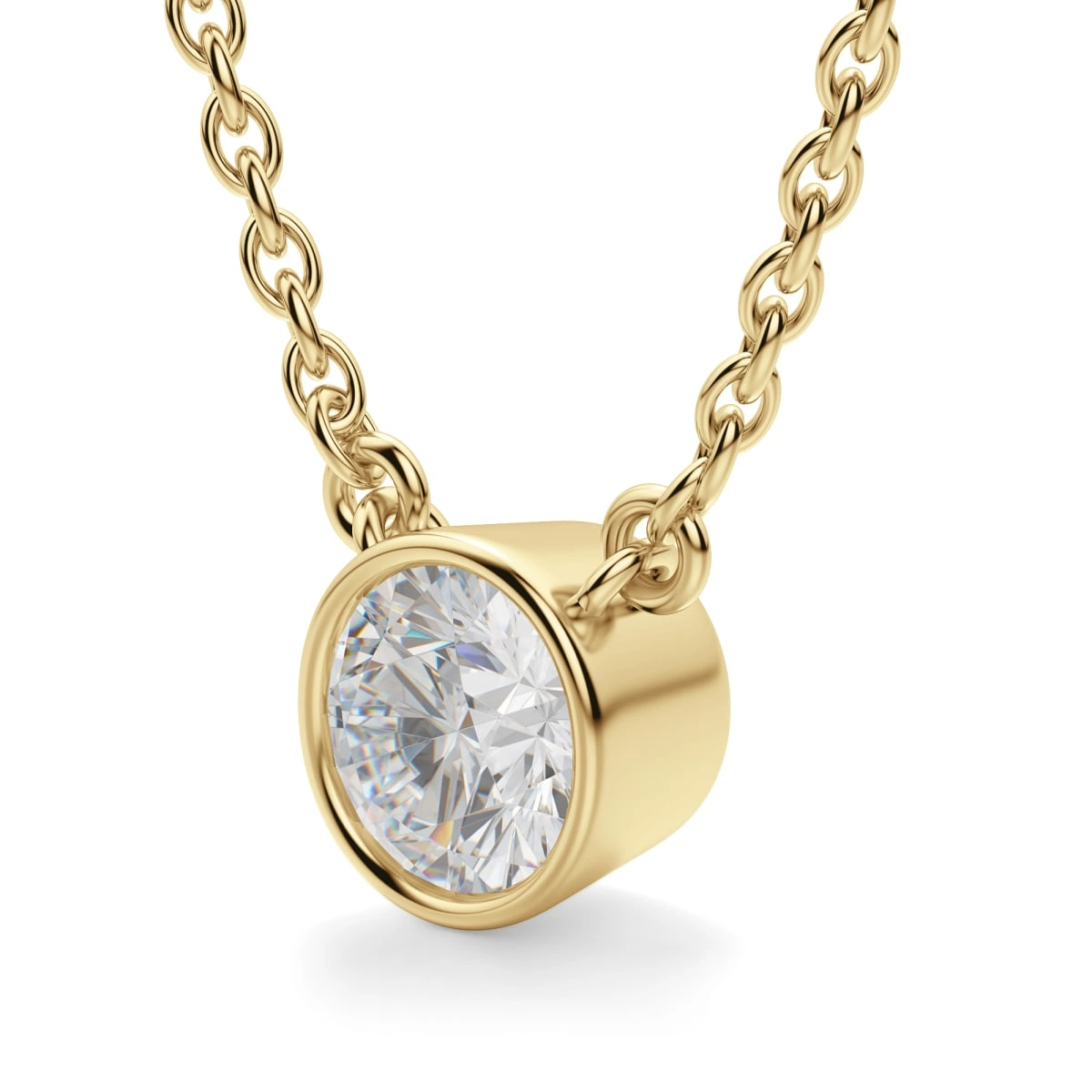
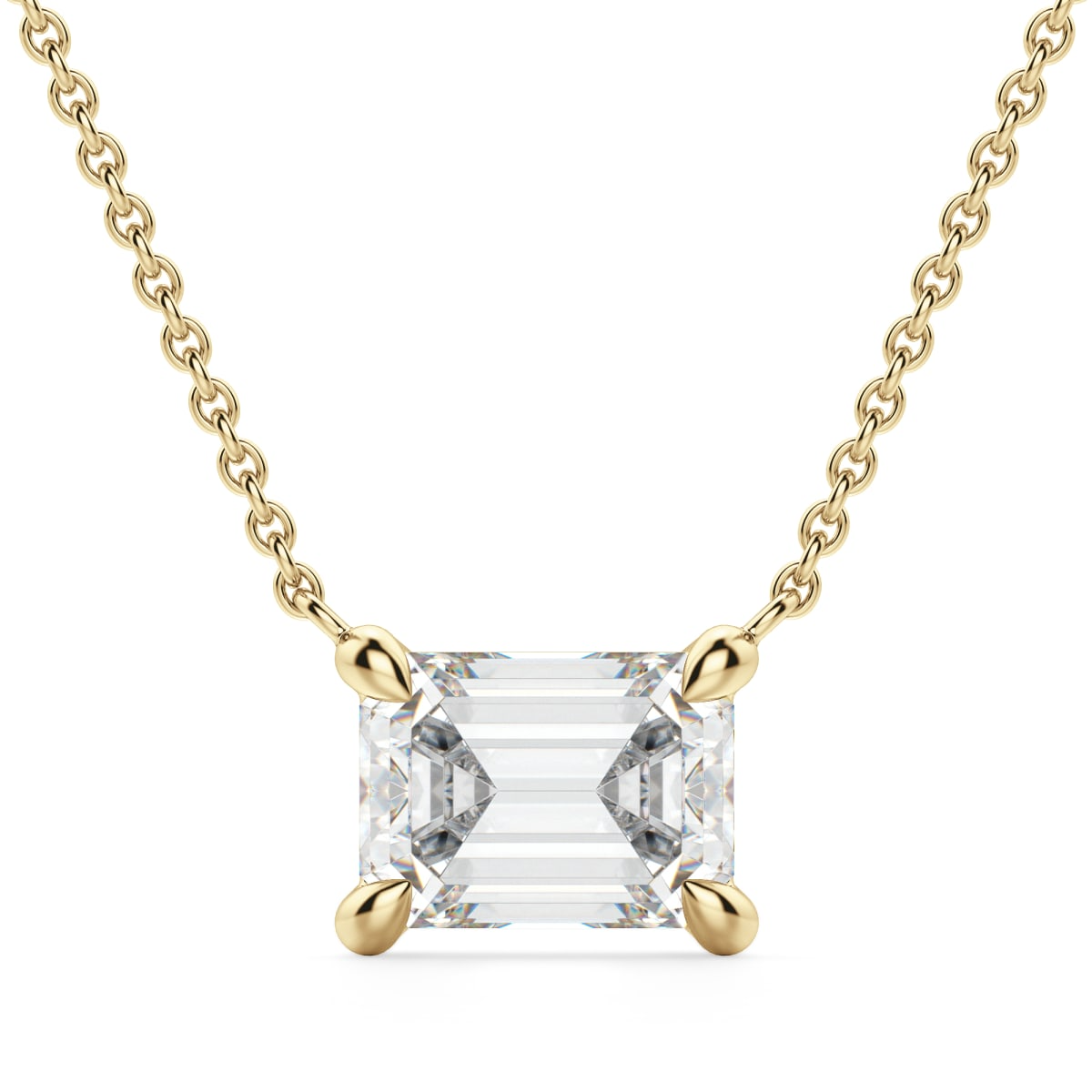
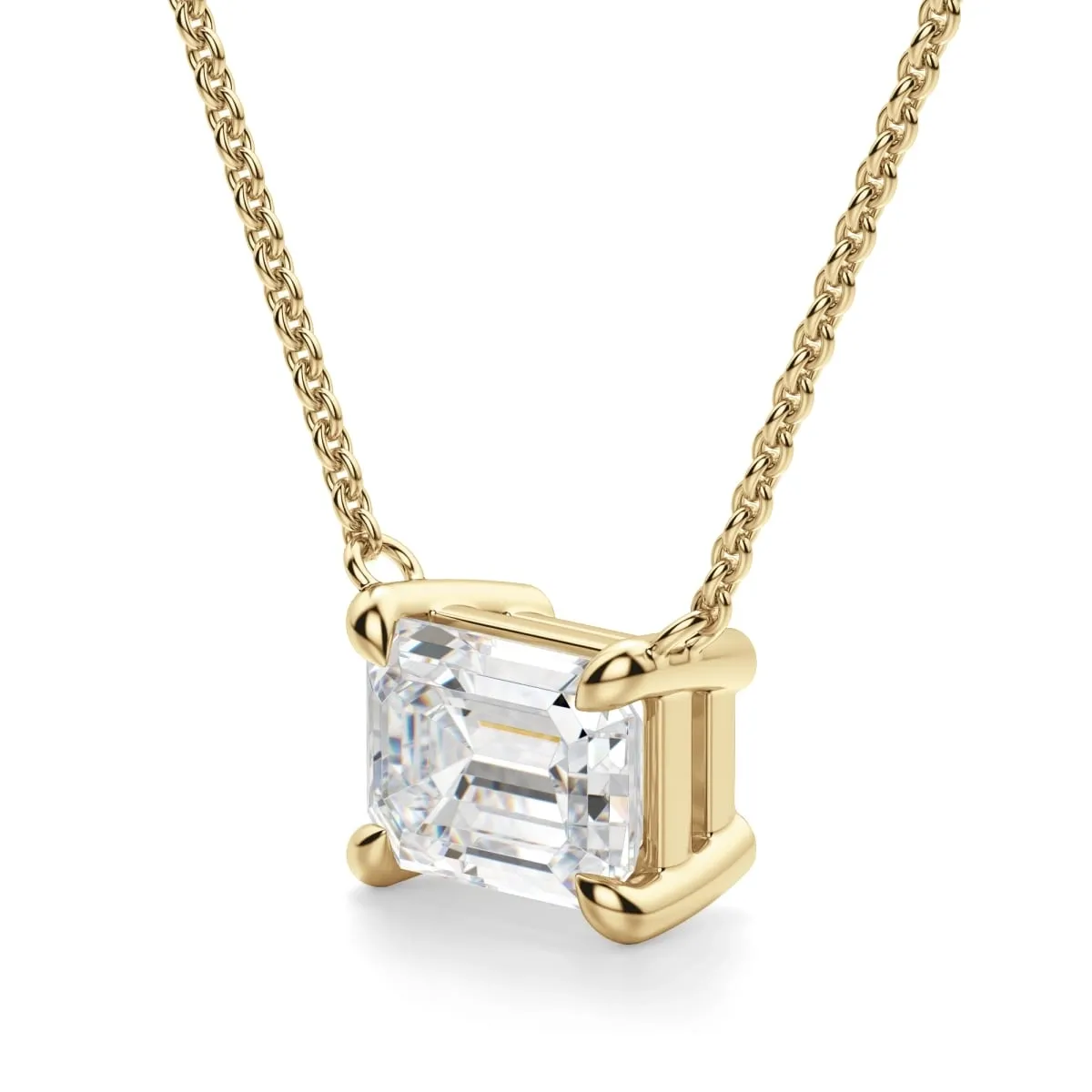
The setting shapes how the light behaves too: a basket setting lifts the diamond on thin prongs so light reaches it from every side, while a bezel setting wraps a rim of metal around the edge for something sleeker and a little more protected day to day.
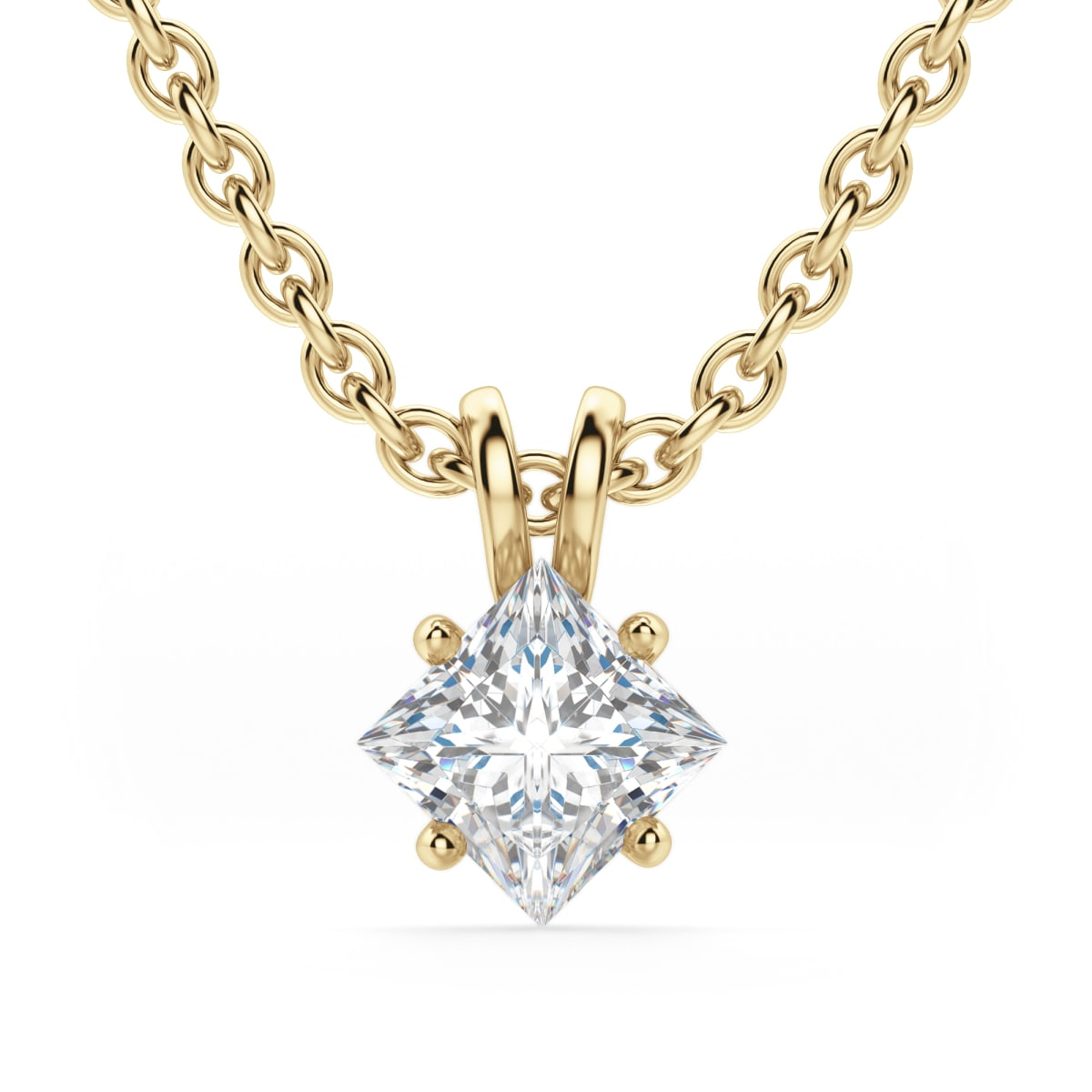
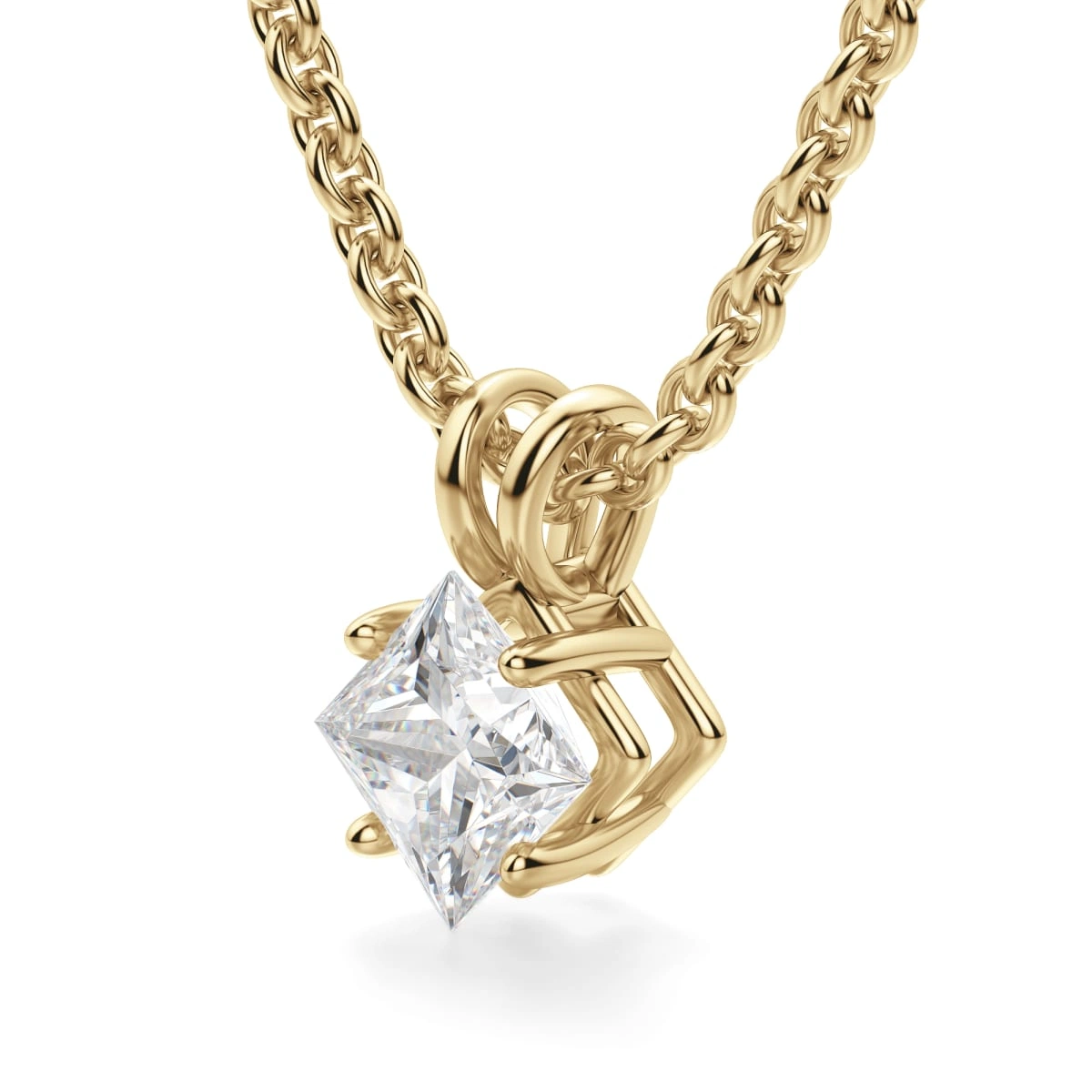
One shift worth knowing about: stones set east-west, turned onto their side instead of hanging point-down the traditional way. It's a small adjustment that changes the whole feel of a solitaire — less like the pendant everyone already owns, more like a version of it you found yourself. It's a look that appears to be picking up momentum, especially among people drawn to a classic shape with a less expected finish — worth keeping an eye on if you like to be ahead of a trend rather than behind it.
Choosing Your Metal
The metal sets the tone for any piece of jewelry, from the warm colour of yellow gold to the cool brightness of platinum. Our collection includes 417 (10K), 585 (14K) and 750 (18K) gold, as well as 950 platinum, so you can choose not only the shade you love but also the balance of purity, durability and weight that fits you.
- Yellow gold necklaces carry a warm, traditional tone.
- White gold's rhodium plating gives them a brighter, whiter finish than platinum's naturally warmer grey-white tone, and unlike silver, it won't tarnish between wears.
- Rose gold necklaces have a warm pink hue from its copper content, and are naturally resistant to everyday wear.
- Platinum necklaces use a naturally white metal that never needs rhodium plating, with a denser, heavier feel than gold.
Related Categories: Gold Jewelry, Platinum Jewelry, Silver Jewelry
Natural vs. Lab-Grown Diamonds
Diamonds define much of a necklace’s character, but the choice between natural and laboratory-grown diamonds also affects the story behind the piece. Natural diamonds are formed deep within the Earth over millions or even billions of years, while laboratory-grown diamonds are created using advanced technology and have essentially the same chemical, physical and optical properties. Both are genuine diamonds, not imitations, and each is accurately described by its cut, colour, clarity and carat weight. Our solitaire diamond necklaces feature both options, set in delicate rows or across the full surface of the band for a more continuous sparkle.
Related: Lab-Grown vs. Mined Diamonds: An Honest Comparison
Diamond Quality and Certification
Diamond quality is measured by carat weight, colour, clarity, and cut grade. Colour is graded on a scale from colourless to visibly tinted, and our diamonds are typically graded F/G. Clarity indicates the presence of natural inclusions; ours are typically VVS/VS, meaning any inclusions are difficult to see without magnification. The centre stones in our collection are accompanied by an IGI certificate detailing these characteristics.
Related: What a Diamond Certificate Actually Means (and Why It Matters)