
Understanding Included Diamond Clarity: A Guide to I1, I2, and I3 Diamonds
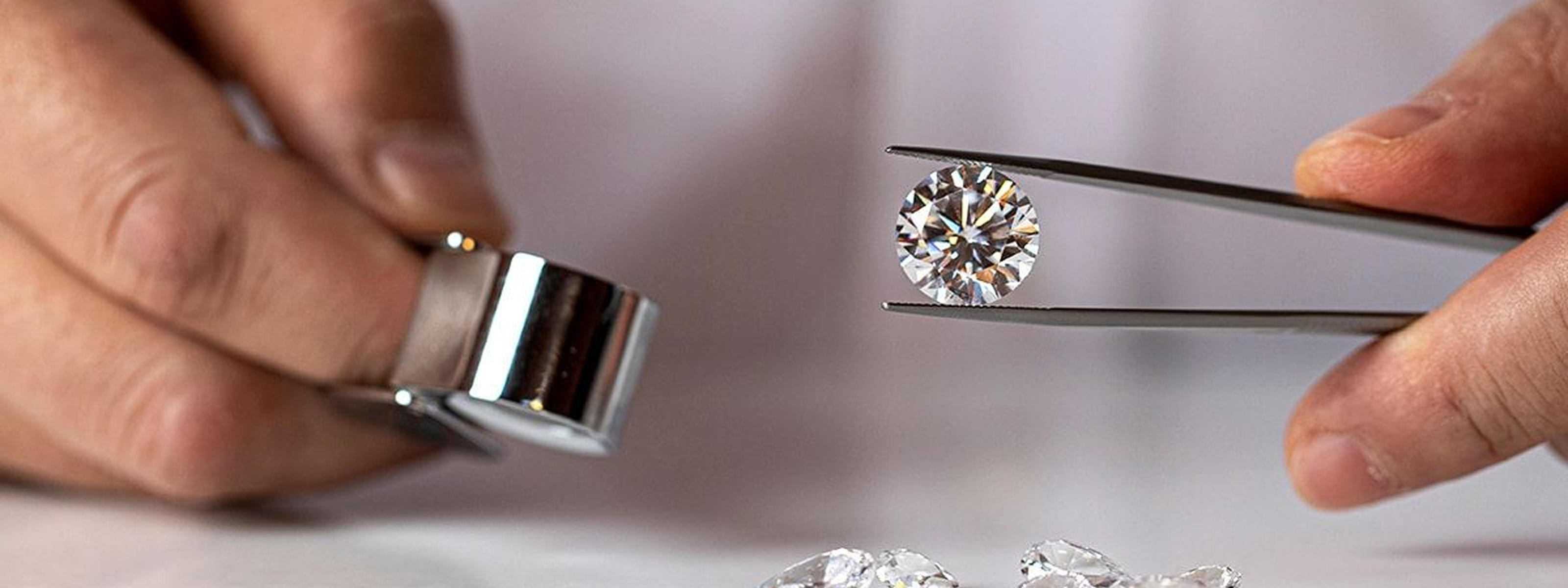
In the diamond industry, the "Included" category represents the final tier of the GIA clarity scale. While higher grades focus on microscopic perfections, the Included range (I1, I2, and I3) identifies diamonds with characteristics that are visible to the naked eye. These stones offer a unique market position: they provide the most affordable entry point into the world of natural diamonds, though they come with distinct trade-offs in brilliance and durability.
Defining the "Included" Tier
The Gemological Institute of America (GIA) defines Included diamonds as those containing internal or external characteristics that are obvious under 10x magnification and typically visible without any magnification at all. As you move from I1 to I3, these inclusions become more numerous, larger, and more impactful on the stone's overall performance.
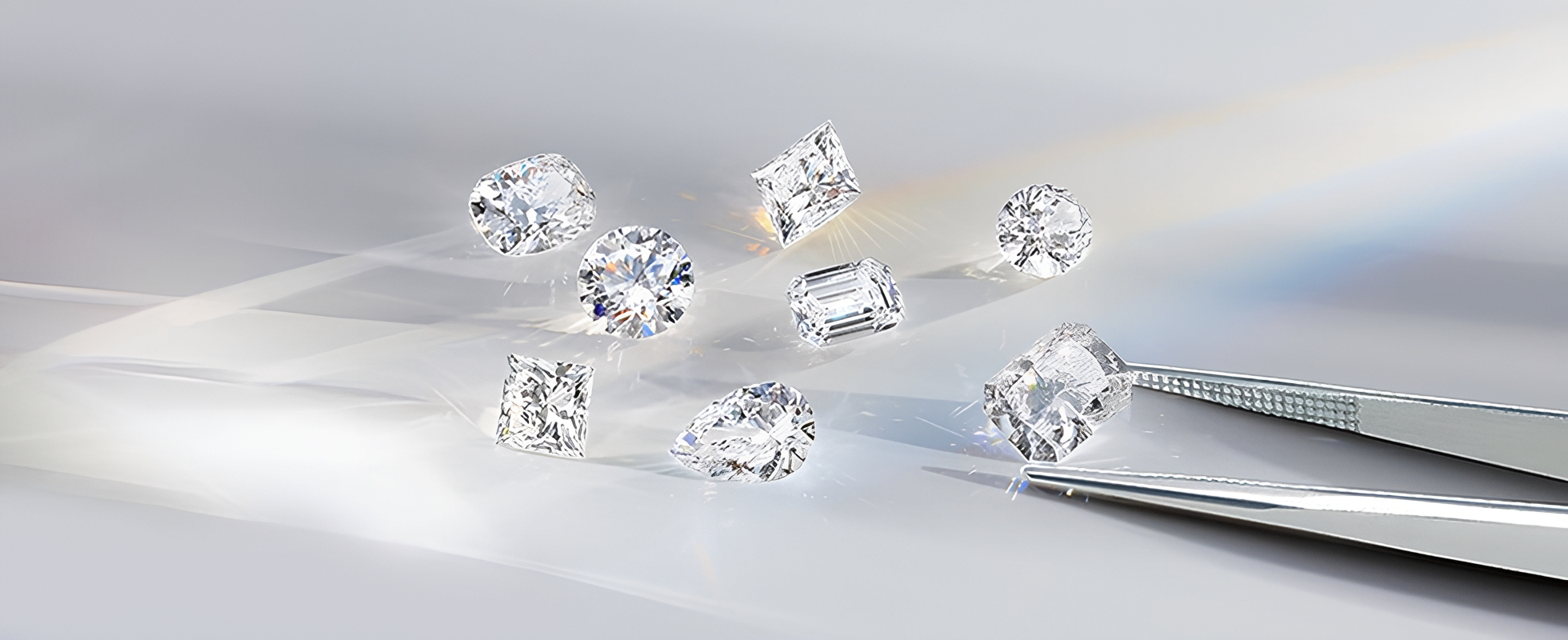
I1 Clarity: The Top of the Tier
I1 diamonds represent the highest quality within the Included category. While inclusions like small dark crystals, clouds, or feathers are visible to the naked eye, these stones generally maintain their structural integrity. To the casual observer, an I1 diamond may still appear bright, as the inclusions typically only affect the brilliance moderately.
I2 Clarity: Prominent Characteristics
In I2 diamonds, the inclusions are more numerous and larger than in I1 stones. These characteristics are immediately apparent to the unaided eye. You might see larger crystal clusters or extensive feathers that begin to significantly disrupt the path of light, leading to a noticeable decrease in the diamond’s "sparkle" or optical performance.
I3 Clarity: The Lowest Grade
I3 is the final grade on the GIA scale. These diamonds contain substantial, extensive inclusions that severely compromise both brilliance and transparency. Perhaps most importantly, I3 stones often face durability concerns, as the heavy inclusion patterns can create weak points in the crystal structure that make the stone susceptible to breaking or chipping.
Quality and Aesthetic Appeal
The quality of an Included diamond is highly dependent on the placement and type of the flaws. A "salt and pepper" diamond, for example, is often an I-grade stone where the inclusions are celebrated for their unique pattern.
- I1 Quality: These stones can maintain reasonable aesthetic appeal. If an inclusion is located near the edge of the stone (the girdle), it can often be masked by a prong in a strategic jewelry setting, making the stone appear cleaner than its grade suggests.
- I2 Quality: These are often best suited for jewelry where the standards for brilliance are less stringent, such as earrings or pendants that are not viewed as closely as a center-stone engagement ring.
- 3 Quality: Due to compromised optical properties, these stones often appear "milky" or "cloudy" and are generally avoided for fine jewelry applications where longevity and sparkle are the primary goals.
Market Value and Pricing
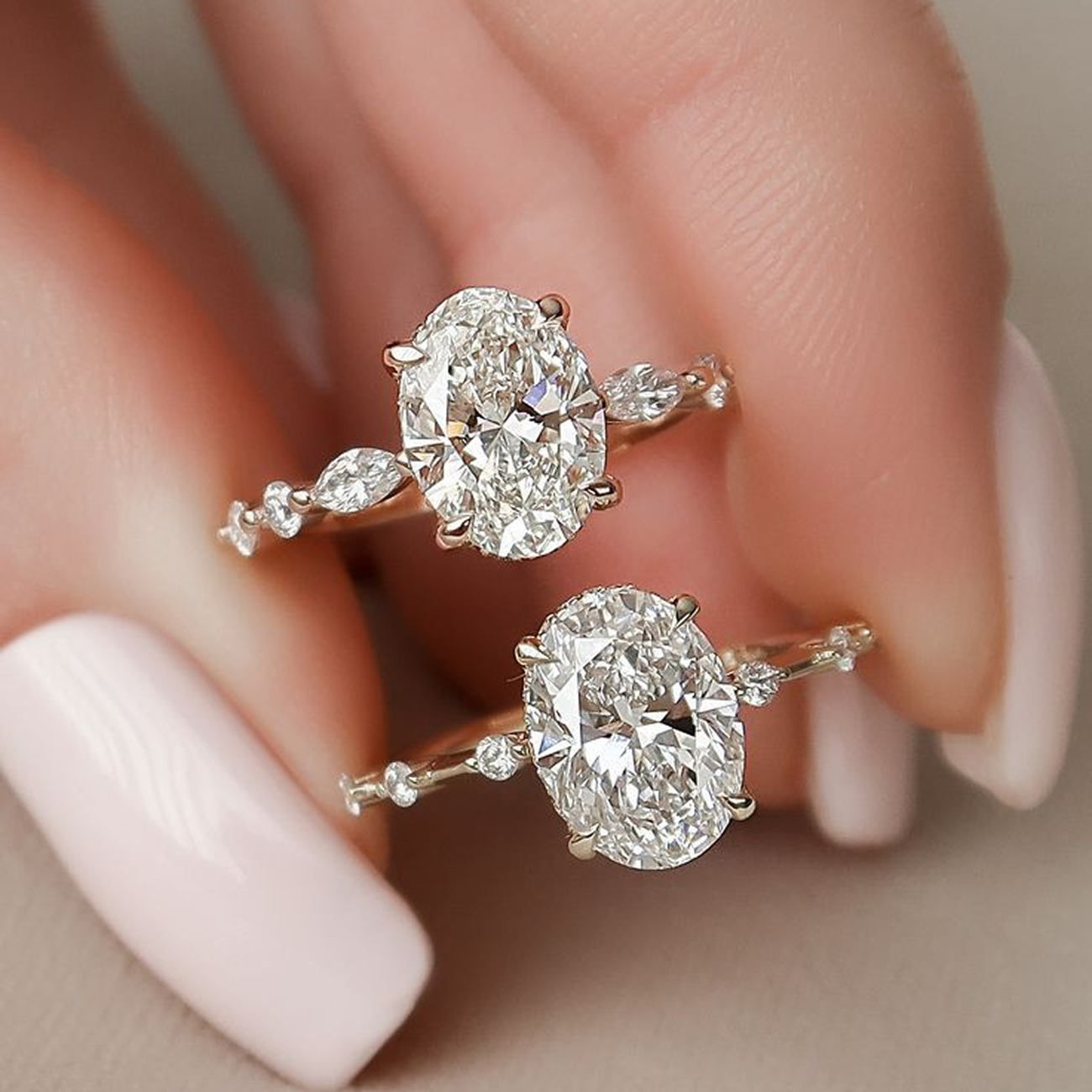
Included diamonds are priced at a significant discount compared to the "Eye-Clean" grades like VS2 or SI1. This makes them a popular choice for budget-conscious buyers who prioritize carat weight (size) over technical purity. If you're comparing different options, exploring a selection of diamond rings can help you understand how clarity affects both appearance and price.
- I1 diamonds command the highest prices in this category, offering a substantial discount from the VS2 range while remaining functional for jewelry.
- I2 diamonds represent a further price drop, reflecting their limited application in high-end pieces.
- I3 diamonds sit at the lowest end of the market; while they are the most affordable natural diamonds available, their extreme discount reflects their significant limitations in both beauty and structural safety.
| Grade | Visibility | Brilliance Impact | Structural Durability |
|---|---|---|---|
| I1 (Included 1) | Noticeable to the naked eye | Moderate reduction | Generally stable and secure |
| I2 (Included 2) | Immediately apparent | Significant reduction | Mostly stable; avoid high-impact wear |
| I3 (Included 3) | Substantial and distracting | Severely compromised | Potential risk of chipping/breaking |
Next article
Flawless (FL) Diamond Clarity Guide
As the highest clarity grade on the Gemological Institute of America (GIA) scale, FL diamonds are so rare that they constitute less than 1% of all gem-quality diamonds worldwide.