Diamond Guides
Expert insights to help you navigate the world of diamonds with confidence. From decoding the 4Cs and understanding complex certifications to finding the perfect wedding band pairing for your unique setting, our guides break down the technical details into simple, actionable advice. Whether you are a first-time buyer or a seasoned collector, discover everything you need to select a stone that reflects your style and stands the test of time.
Understanding I1, I2, and I3 Diamond Clarity
Diamond clarity in the Included grades represents the lowest end of the clarity spectrum, where inclusions are visible to the unaided eye.
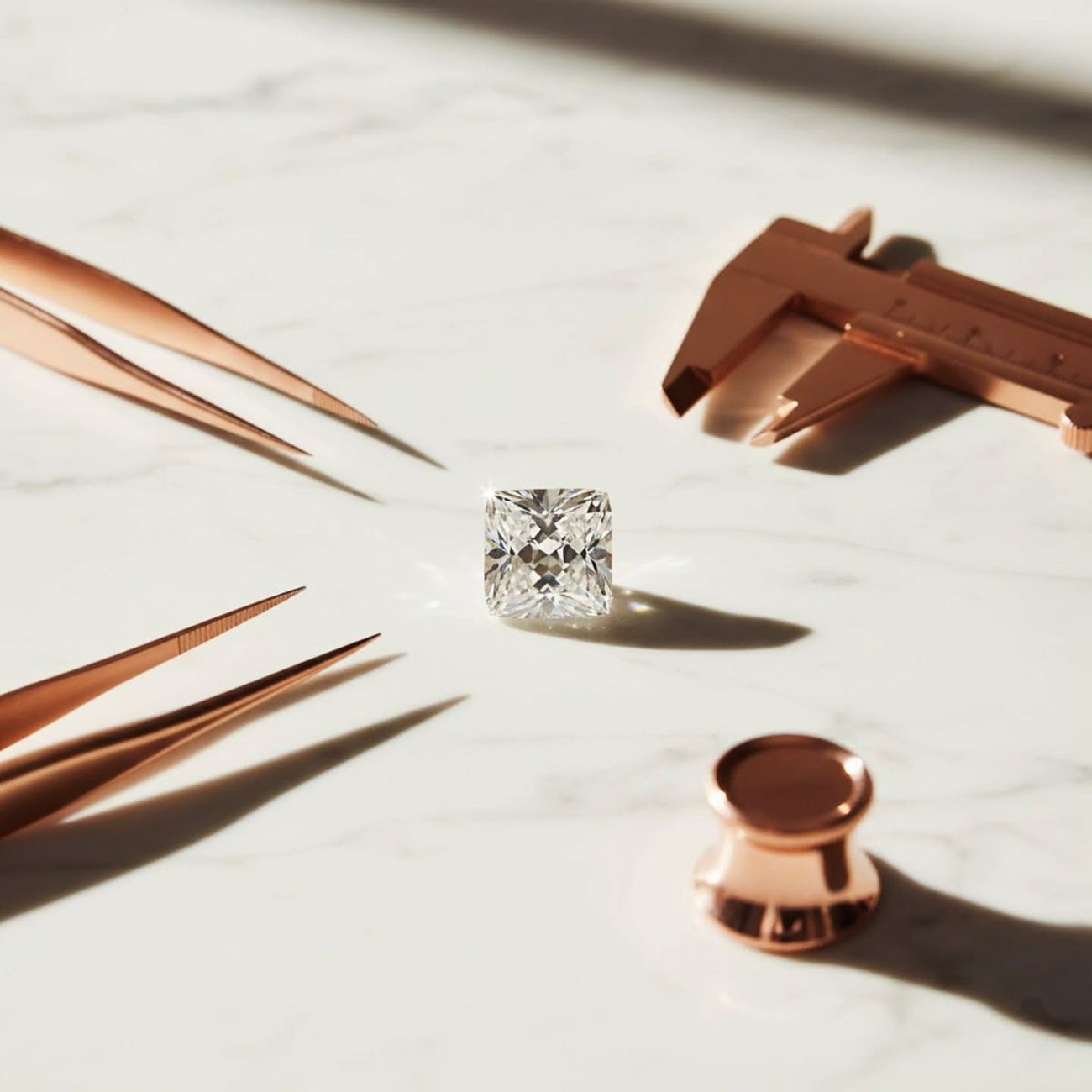
Flawless (FL) Diamond Clarity Guide
As the highest clarity grade on the Gemological Institute of America (GIA) scale, FL diamonds are so rare that they constitute less than 1% of all gem-quality diamonds worldwide.
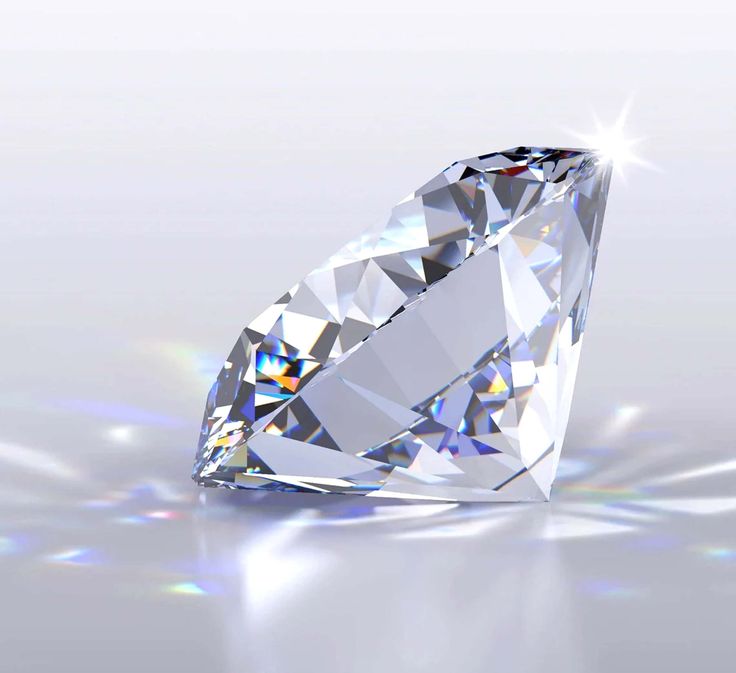
A Comprehensive Guide to Lab-Grown Diamonds
Lab grown diamonds are diamonds created in a laboratory environment. They are chemically, physically, and optically identical to natural diamonds. So is there any difference?
Guide to Diamond Clarity and Purity
When it comes to diamonds, one of the first things people learn is that no two diamonds are exactly alike. Each diamond is unique, varying in size, shape, color, and internal characteristics. Among the four key factors – Clarity plays a crucial role in evaluating a diamond’s purity and value.
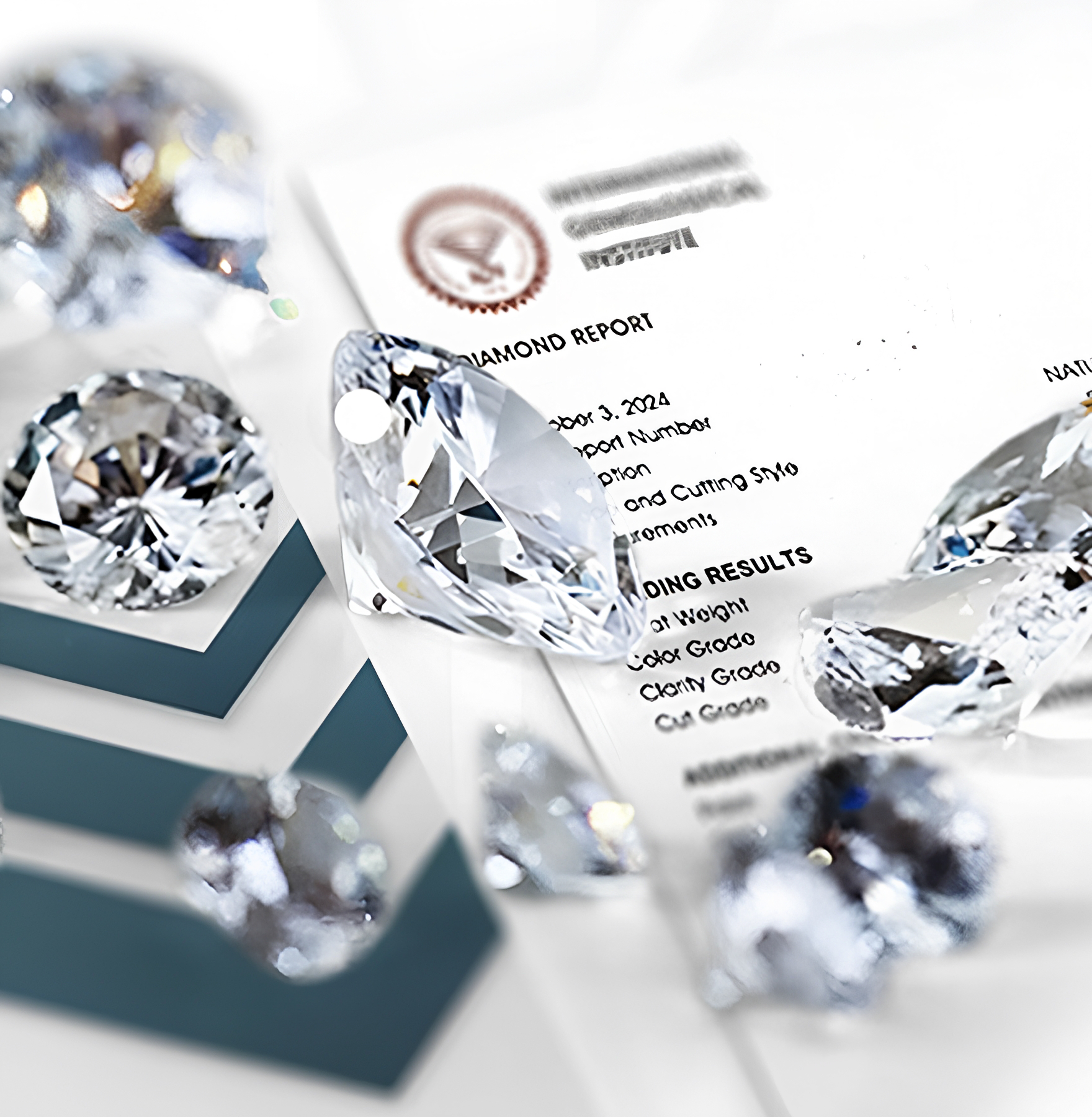
Secrets Behind How Diamonds Are Cut
Diamonds owe much of their brilliance to the art and science of cutting. While a diamond's natural beauty lies in its purity and clarity, it is human craftsmanship that unlocks its true radiance. The cut of a diamond determines how light interacts with the stone, influencing its brightness, fire, and scintillation. This intricate process transforms a rough crystal into a breathtaking masterpiece, enhancing both its appearance and value.
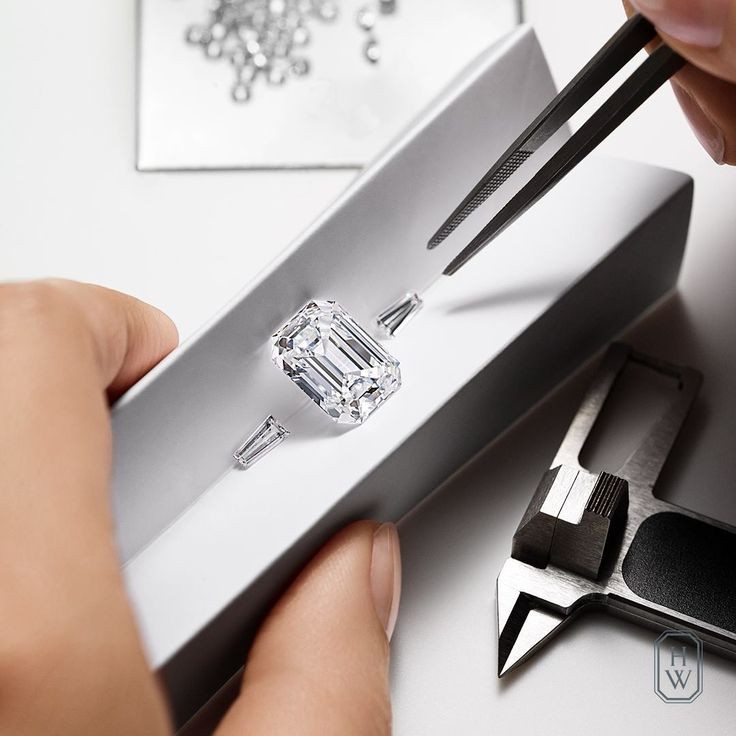
Color: A Guide to Understanding Diamond Color
The color of a diamond plays a big role in its beauty and value. Most diamonds naturally have slight hints of color, usually caused by trace elements like nitrogen. The less color a diamond has, the rarer and more valuable it is.