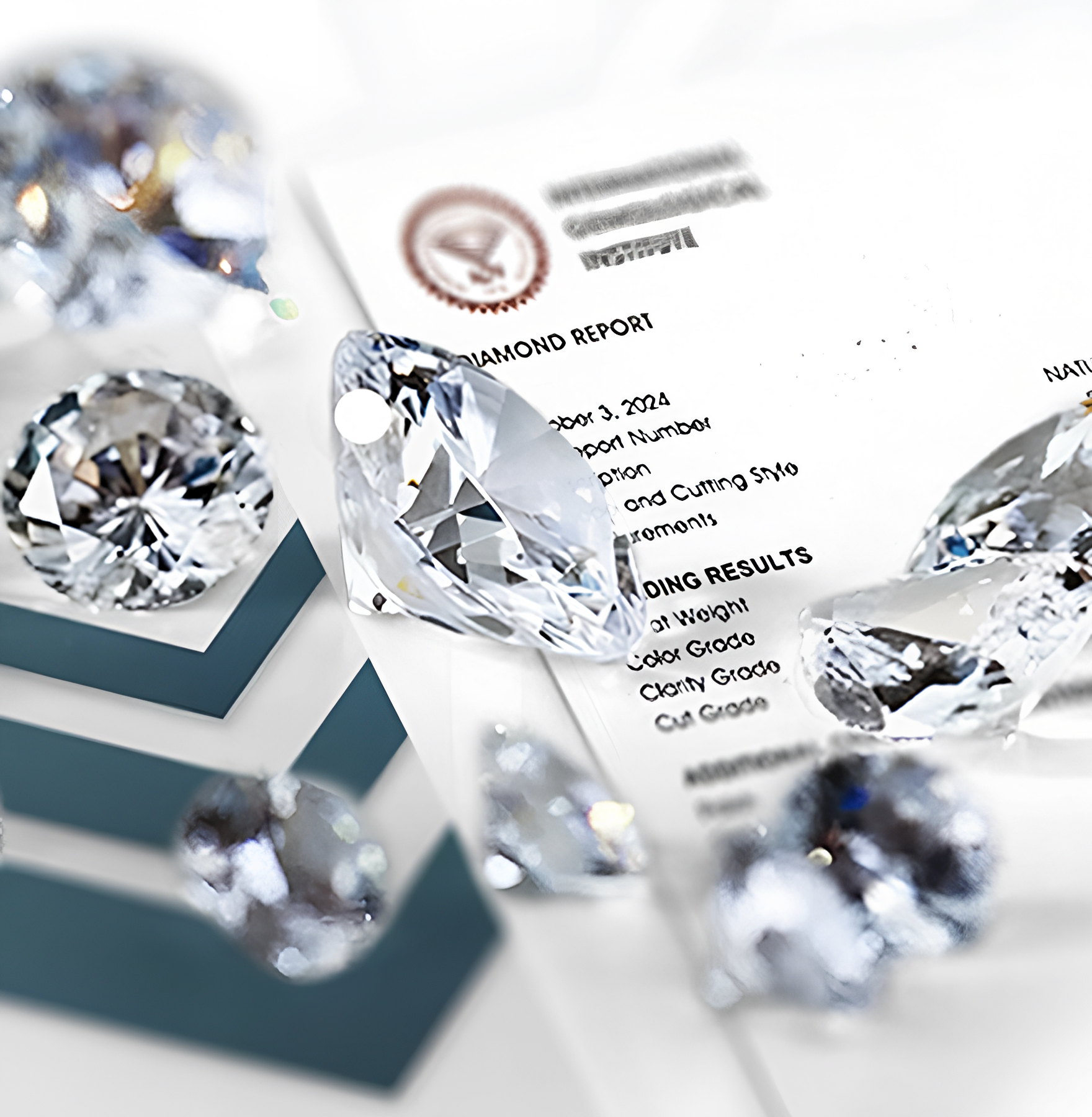
Clarity: Guide to Understanding Diamond Clarity
When it comes to diamonds, one of the first things people learn is that no two diamonds are exactly alike. Each diamond is unique, varying in size, shape, color, and internal characteristics. Among the four key factors – Clarity plays a crucial role in evaluating a diamond’s purity and value.
What Is Diamond Clarity?
Diamond clarity describes how clean a diamond appears when examined closely. It reflects how visible natural imperfections are and plays an important role in how much light the stone can reflect — and how valuable it is.
These imperfections form naturally as diamonds develop deep within the Earth under intense heat and pressure. They can appear as inclusions inside the stone or as small blemishes on its surface, and no two diamonds have them in exactly the same way.
Clarity is essentially a measure of how noticeable these natural features are. Diamonds with fewer or less visible inclusions are rarer, allowing more light to pass through the stone and resulting in greater brilliance and higher value.
The Grading Scale for Diamond Clarity
The Gemological Institute of America (GIA) developed the widely accepted 11-grade clarity scale, which categorizes diamonds based on their inclusions and blemishes. The grades are:
- Flawless (FL): No visible inclusions or blemishes under 10x magnification. Exceptionally rare.
- Internally Flawless (IF): No internal inclusions, only minor surface blemishes.
- Very, Very Slightly Included (VVS1, VVS2): Minute inclusions that are extremely difficult to see under 10x magnification.
- Very Slightly Included (VS1, VS2): Small inclusions that are only visible under magnification.
- Slightly Included (SI1, SI2): Noticeable inclusions visible under 10x magnification and sometimes to the naked eye.
- Included (I1, I2, I3): Obvious inclusions visible to the naked eye, which may affect transparency and durability.
Many inclusions and blemishes are too tiny to be seen by anyone other than a trained diamond grader. The chart below illustrates how inclusions and blemishes appear in different clarity grades:
Diamond Clarity Chart





How Inclusions and Blemishes Affect a Diamond’s Clarity
Inclusions and blemishes impact a diamond’s transparency and light reflection, influencing its overall brilliance and beauty.
Types of Inclusions (Internal Characteristics):
- Clouds – Groups of tiny crystals that create a hazy effect.
- Feathers – Small fractures that can impact durability if severe.
- Needles – Thin, elongated mineral inclusions.
- Pinpoints – Tiny white or black spots inside the diamond.
- Crystals or Mineral Inclusions – Other minerals trapped within the diamond during formation.
Types of Blemishes (External Characteristics):
- Nicks – Small chips on the diamond’s edges.
- Pits – Tiny surface indentations.
- Polishing Lines – Marks left behind during the finishing process.
- Naturals – Parts of the original rough diamond left unpolished.
The Role of Clarity in Diamond Price
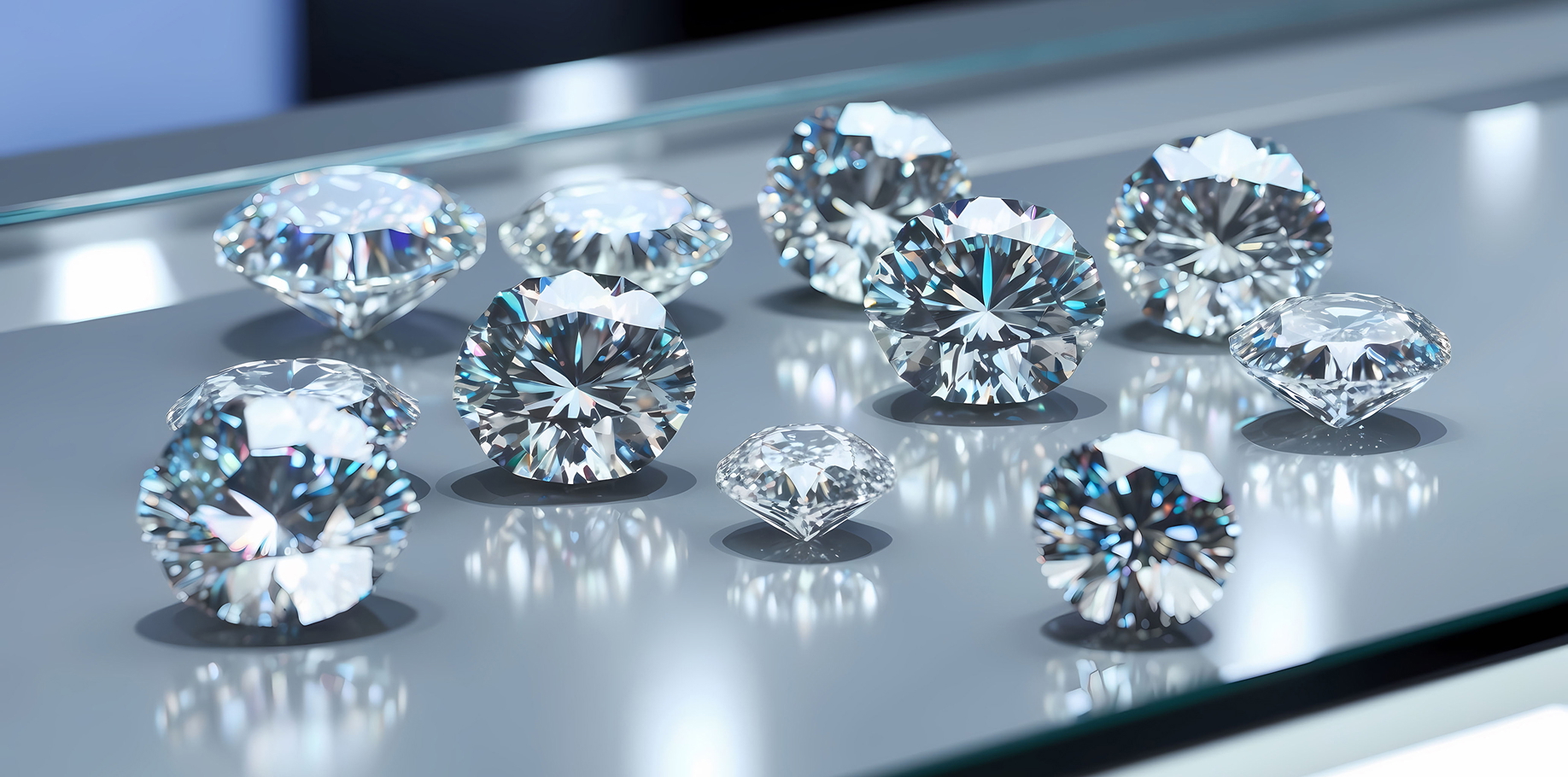
Clarity is a major factor in determining a diamond’s value. Flawless and Internally Flawless diamonds are incredibly rare and command premium prices. Diamonds with slight inclusions (VS and SI grades) offer a balance between quality and cost, as many inclusions are microscopic and do not significantly affect appearance. Included diamonds (I1, I2, I3) are more affordable but may have visible imperfections that impact their brilliance.
Diamonds with fewer visible inclusions are more desirable and often priced higher per carat. However, clarity should be evaluated alongside other factors, as a well-cut diamond can still appear brilliant despite minor inclusions.
How to Choose the Right Clarity for You
Selecting the right clarity grade depends on personal preference, budget, and intended use. Here are some key considerations:
- For maximum brilliance: Choose a diamond with high cut quality, as cut affects sparkle more than clarity alone.
- For budget-conscious buyers: Consider VS2 or SI1 diamonds, which appear eye-clean but cost significantly less than higher grades.
- For larger diamonds (1.5 carats or more): Opt for higher clarity grades (VS1 and above), as inclusions become more noticeable in bigger stones.
- For engagement rings: Choose a clarity grade that balances visual appeal and cost, such as SI1 or VS2, ensuring no visible flaws to the naked eye.
Diamond clarity is a crucial factor in determining a diamond’s beauty and value, but it should be considered in combination with cut, color, and carat. Understanding the grading scale, the impact of inclusions and blemishes, and how clarity affects pricing helps buyers choose the best diamond for their needs.