
Flawless (FL) Diamond Clarity Guide

In the high-stakes world of gemology, "Flawless" is far more than a marketing superlative—it is a rigorous technical achievement. While many diamonds possess breathtaking beauty, a Flawless (FL) diamond represents a geological miracle, sitting at the absolute peak of the GIA clarity scale. These stones are so exceptionally rare that they account for less than half a percent of all diamonds mined globally, making them the ultimate "trophy" gems for collectors and investors alike.
Defining "Flawless": The Two-Pronged Standard
A diamond is graded as Flawless only when a highly skilled gemologist, using 10x binocular magnification, finds zero internal inclusions and zero external blemishes. This evaluation is split into two critical categories: internal characteristics and external features. To meet the internal standard, the stone must be a "blank slate" entirely free of inclusions. This means there are no microscopic crystals trapped during formation, no hazy "clouds" of pinpoints that could dull the stone’s life, and no "feathers"—tiny internal fractures that might compromise the light path or the diamond's long-term durability.
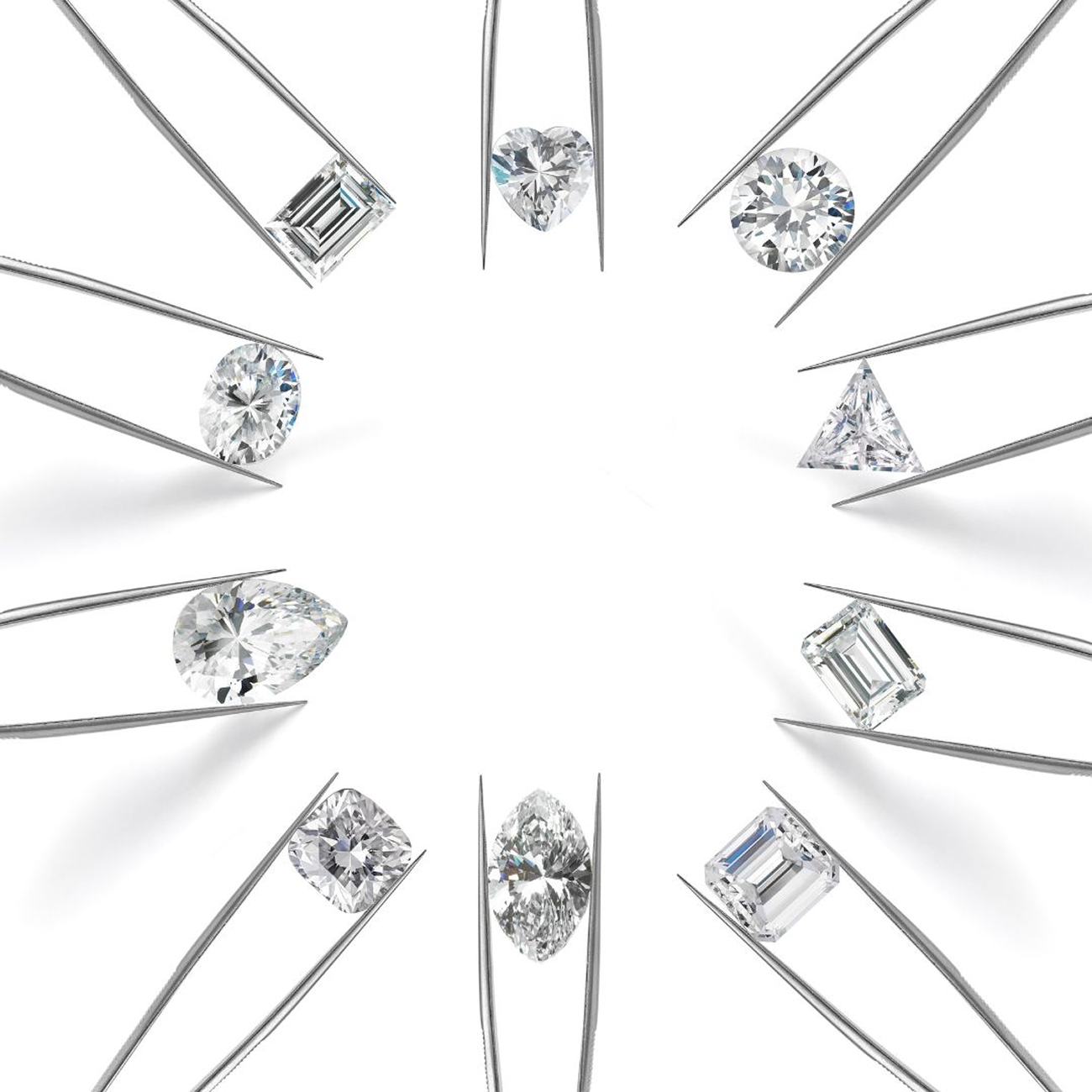
The external standard is what truly separates the Flawless grade from its peers. Unlike the Internally Flawless (IF) grade, which allows for microscopic surface marks, an FL diamond must be pristine on the outside. It cannot possess any polish lines left by the cutting wheel, nor can it have nicks or scratches resulting from the handling or setting process. Even "extra facets"—additional cuts often used to polish away a surface flaw—are prohibited if they are visible under magnification. While "naturals" (remnants of the original rough skin) are permitted if they stay within the girdle and do not distort the diamond's outline, any other surface-level disruption generally disqualifies a stone from this prestigious grade.
The Subtle Distinction: FL vs. IF
The difference between Flawless (FL) and Internally Flawless (IF) is a frequent point of confusion for buyers. To the naked eye, there is zero visual difference between the two; the distinction is entirely academic and driven by the pursuit of perfection. An IF diamond is "perfect" on the inside but may have minor surface blemishes that could theoretically be removed through careful repolishing. For a collector, however, the Flawless grade carries a prestige that "near-perfect" cannot match, as it signifies a stone that is 100% pristine throughout its entire structure.
| Grade | Internal Inclusions | External Blemishes | Visibility (10x Loupe) |
|---|---|---|---|
| Flawless (FL) | None | None | None |
| Internally Flawless (IF) | None | Minor | Blemishes only |
| VVS1 | Minute | Variable | Extremely difficult to find |
Optical Performance and Structural Integrity
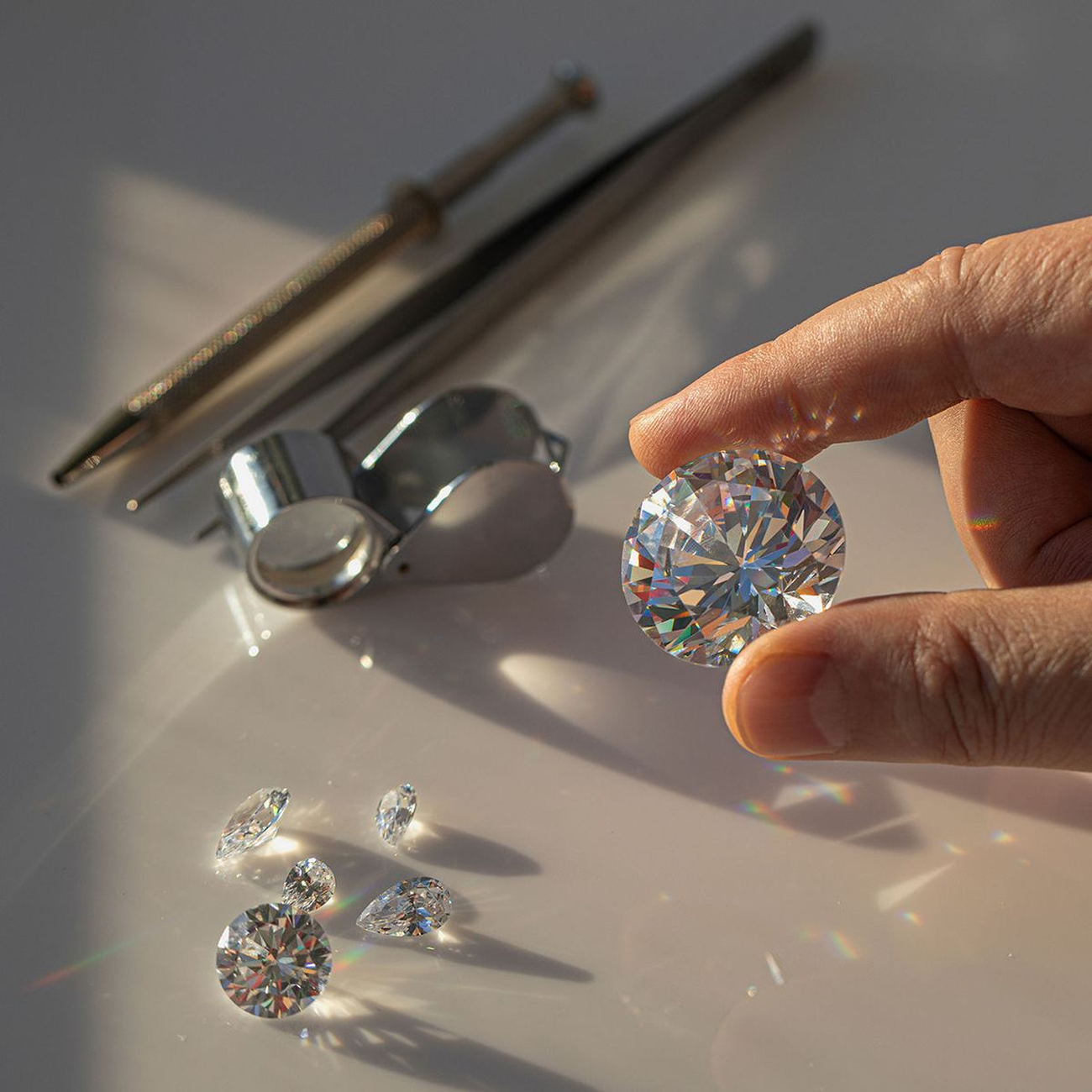
The appeal of an FL diamond extends beyond the technicalities of a lab report. Because there are no internal "clutter" or clarity characteristics to block or redirect light, these diamonds exhibit the highest possible levels of brilliance, fire, and scintillation. They offer a pure, "water-clear" transparency that remains uninterrupted when viewed from any angle.
Beyond aesthetics, the absence of inclusions ensures a pure and uninterrupted crystal lattice. In stones with lower clarity, certain inclusions can act as internal weak points. A Flawless diamond lacks these vulnerabilities, though it is important to remember that all diamonds, regardless of clarity, remain susceptible to damage from sharp, high-velocity impacts.
Market Value and the Rarity Premium
The pricing of Flawless diamonds reflects their extreme scarcity in nature. Because these stones are so rare, their value does not follow a linear path; instead, the price jumps exponentially as you cross into higher carat weights. A 1-carat FL diamond can cost significantly more than an Internally Flawless stone of the same weight, and the gap widens even further when compared to VVS1 or VVS2 diamonds.
This "perfection premium" is driven by several factors. The intensive selection process during sorting and the sophisticated cutting requirements needed to preserve Flawless status—where a single slip of the wheel can demote a stone—add to the final cost. Furthermore, the shape of the diamond plays a substantial role. Round Brilliants typically command the highest premiums because they require the most "rough" material to be removed to achieve their signature sparkle while maintaining a flawless surface.
| Carat Weight | VVS1 Est. Price | Flawless (FL) Est. Price | Price Premium |
|---|---|---|---|
| 0.50 Carat | $2,200 - $2,800 | $2,900 - $3,600 | ~25% |
| 1.00 Carat | $7,200 - $9,500 | $10,500 - $14,000 | ~45% |
| 1.50 Carat | $14,000 - $18,000 | $22,000 - $28,000 | ~55% |
| 2.00 Carat | $28,000 - $35,000 | $45,000 - $60,000+ | ~65%+ |
Note: Estimates based on Natural Round Brilliant diamonds with D-F color and Excellent cut. Prices fluctuate based on specific market demand and certification lab.
Is a Flawless Diamond the Right Choice?
Choosing a Flawless diamond is a decision usually driven by a desire for the absolute best that the Earth can produce. It is the ideal choice for a connoisseur seeking an investment-grade gemstone or a buyer who wants a stone that symbolizes "purity" without compromise.
However, for those prioritized by budget or visual size, it is worth noting that a VVS1 or VVS2 diamond will look identical to the naked eye. Many buyers choose to trade the technical perfection of an FL grade for a significantly larger diamond with a slightly lower clarity grade that still appears perfect to the unaided eye. Ultimately, the Flawless diamond remains the undisputed gold standard for those who settle for nothing less than perfection.
Next article
A Comprehensive Guide to Lab-Grown Diamonds
Lab grown diamonds are diamonds created in a laboratory environment. They are chemically, physically, and optically identical to natural diamonds. So is there any difference?