
14K vs. 18K Gold: A Comprehensive Guide to Purity, Color, and Value

Choosing the right metal for your fine jewelry, whether it is an engagement ring or a timeless necklace, often comes down to a single decision: 14K or 18K gold. While 18K gold is frequently marketed as the premium standard, it is not always the superior choice for every lifestyle or budget. Understanding the nuances of metal composition, durability, color, and price is essential for making an informed purchase that balances luxury with practicality.
Difference Between 14K and 18K Gold
| Feature | 14K Gold | 18K Gold |
|---|---|---|
| Composition | 58.3% pure gold with 41.7% alloy metals | 75% pure gold with 25% alloy metals |
| Color | Lighter, more subdued yellow tone; whiter in white gold; stronger pink in rose gold | Richer, more intense yellow; warmer undertone in white gold; subtle pink in rose gold |
| Durability | More durable due to higher alloy content; better scratch and dent resistance | Softer and more prone to scratching |
| Hypoallergenic Properties | More likely to cause reactions due to higher alloy content, especially with nickel | Better for sensitive skin due to higher gold content and fewer alloy metals |
| Price | Less expensive than 18K; better value for everyday pieces | Premium pricing reflects higher gold content |
Understanding Gold Composition and Purity
The most fundamental difference between these two metal types lies in their chemical composition. The "K" stands for karat, a system used to measure the purity of gold out of 24 parts. 18K gold is comprised of 75% pure gold and only 25% metal alloys. In contrast, 14K gold contains 58.3% pure gold, with the remaining 41.7% consisting of durable alloys such as zinc, copper, silver, and nickel. These alloy mixtures are necessary because pure gold is too soft for most jewelry; however, the ratio of gold to alloy dictates the metal’s physical characteristics, heavily influencing its appearance, longevity, and price point.
Comparing Color and Aesthetic Appeal
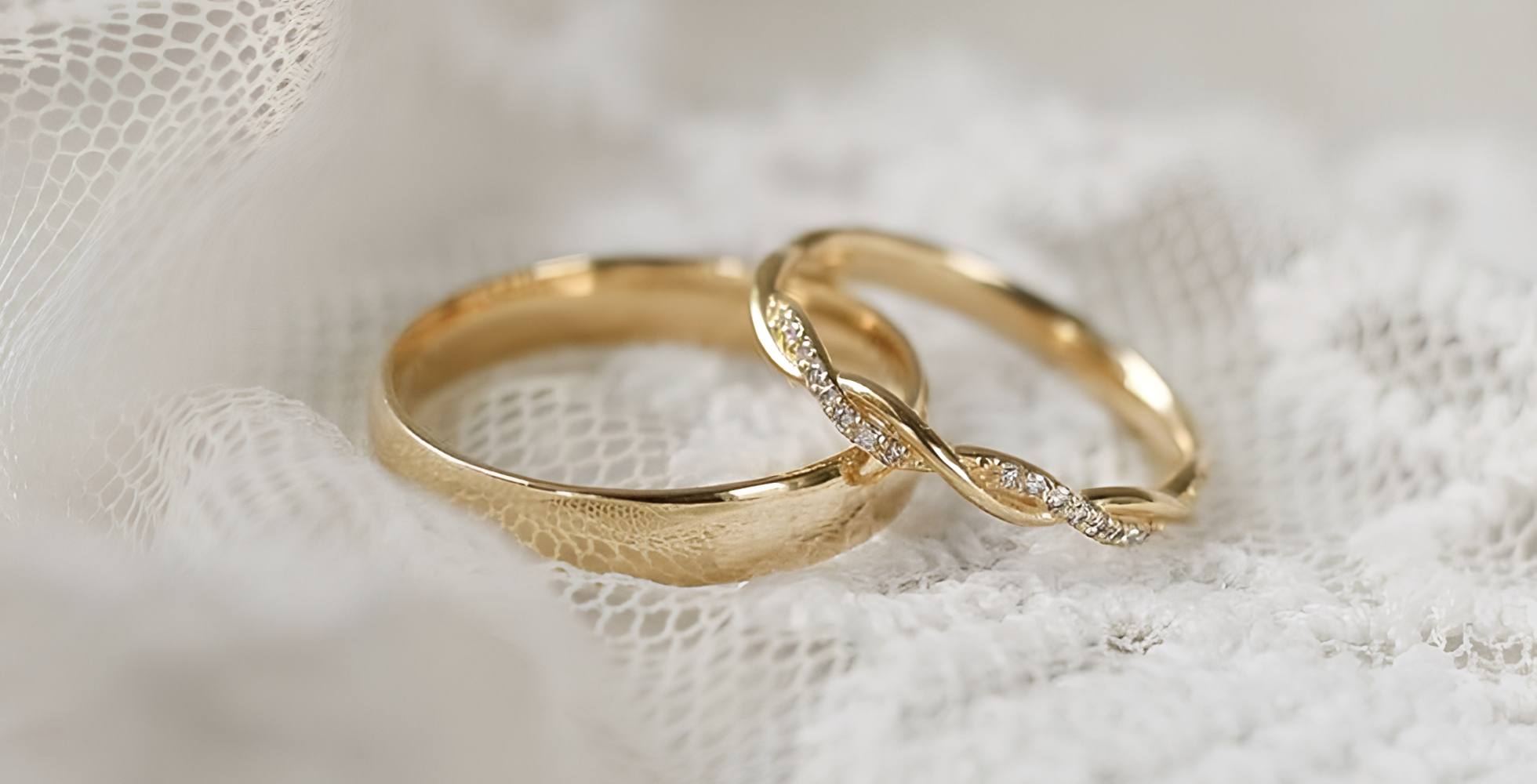
The percentage of pure gold significantly impacts the visual tone of the metal. Because pure gold possesses a deep, intense yellow hue, 18K gold generally displays a richer and more vibrant saturation that many associate with classic luxury jewelry. Conversely, 14K gold tends to have a lighter, more subdued yellow tone due to the higher concentration of whitening alloys.
The difference in composition also affects colored gold varieties. In rose gold, the color comes from copper alloys. Interestingly, 14K rose gold often exhibits a stronger, more pronounced pink or reddish tone because it contains more copper. 18K rose gold, with its higher gold content, dilutes the copper slightly, resulting in a softer, more subtle blush or champagne hue.
White gold presents a unique case. Both 14K and 18K white gold are typically plated with rhodium to achieve a bright, silvery-white finish, making them look nearly identical when new. However, as this plating wears off over time, 14K white gold tends to maintain a whiter appearance naturally due to its higher content of white metals. 18K white gold may eventually reveal a slightly warmer, yellowish undertone as the rhodium fades.
Durability and Scratch Resistance
When considering longevity, the rule of thumb is that lower karat gold is harder and more durable. Gold is naturally a malleable material, so the higher alloy content in 14K gold makes it the stronger option. It offers superior resistance to scratching, bending, and scuffing, making it the preferred choice for engagement rings and jewelry worn daily by those with active lifestyles.
While 18K gold is certainly durable enough for fine jewelry, its higher purity makes it softer than its 14K counterpart. It is more prone to acquiring scratches and dents over time. Consequently, 18K gold is often better suited for earrings, necklaces, or special occasion pieces that are not subjected to the same rough wear as a ring on your hand.
For a closer look at how different metals perform in everyday jewelry, especially wedding bands worn daily, explore our guide to the best metals for men's wedding bands.
Hypoallergenic Properties and Skin Sensitivity
For individuals with sensitive skin or metal allergies, the purity of the gold is a critical safety factor. 18K gold is generally considered the safer, more hypoallergenic option because it contains a higher volume of non-reactive pure gold and fewer potentially irritating alloys.
The primary culprit for jewelry allergies is often nickel, which is sometimes used as a strengthening alloy. Because 14K gold has a higher percentage of these base metals, it poses a slightly higher risk of causing skin irritation or allergic reactions. If you know you are sensitive to nickel or other base metals, investing in 18K gold can prevent discomfort and ensure the jewelry remains wearable.
Price and Market Value
The price disparity between 14K and 18K gold is directly linked to the current market value of gold bullion. Since 18K gold contains significantly more pure gold per gram, it commands a premium price, typically costing more than comparable 14K pieces.
For many buyers, 14K gold represents the "sweet spot" of value. It offers a lower price point while simultaneously providing greater durability, making it an economical and practical choice for everyday items. However, those who view their jewelry as an investment or simply prefer the prestige and rich color of high-purity metal often find the extra cost of 18K gold to be worth the investment.
Which Gold Is Better for Everyday Wear?
Both 14K and 18K gold can be excellent choices for fine jewelry, but they suit different lifestyles and preferences. Thanks to its higher percentage of alloy metals, 14K gold is more resistant to scratches and everyday wear, making it a popular option for engagement rings and jewelry worn daily.
18K gold, on the other hand, contains more pure gold, giving it a richer color and a slightly softer feel. It is often chosen for luxury jewelry pieces where color and gold purity are prioritized over maximum durability.
Final Verdict
There is no universal “better” option between 14K and 18K gold — the right choice depends on what you value most in a piece of gold jewelry. If durability, practicality, and long-term everyday wear are your main priorities, 14K gold is often the more versatile option. If you are drawn to a richer gold color and a higher pure gold content, 18K gold offers a more luxurious feel and appearance.
Next article
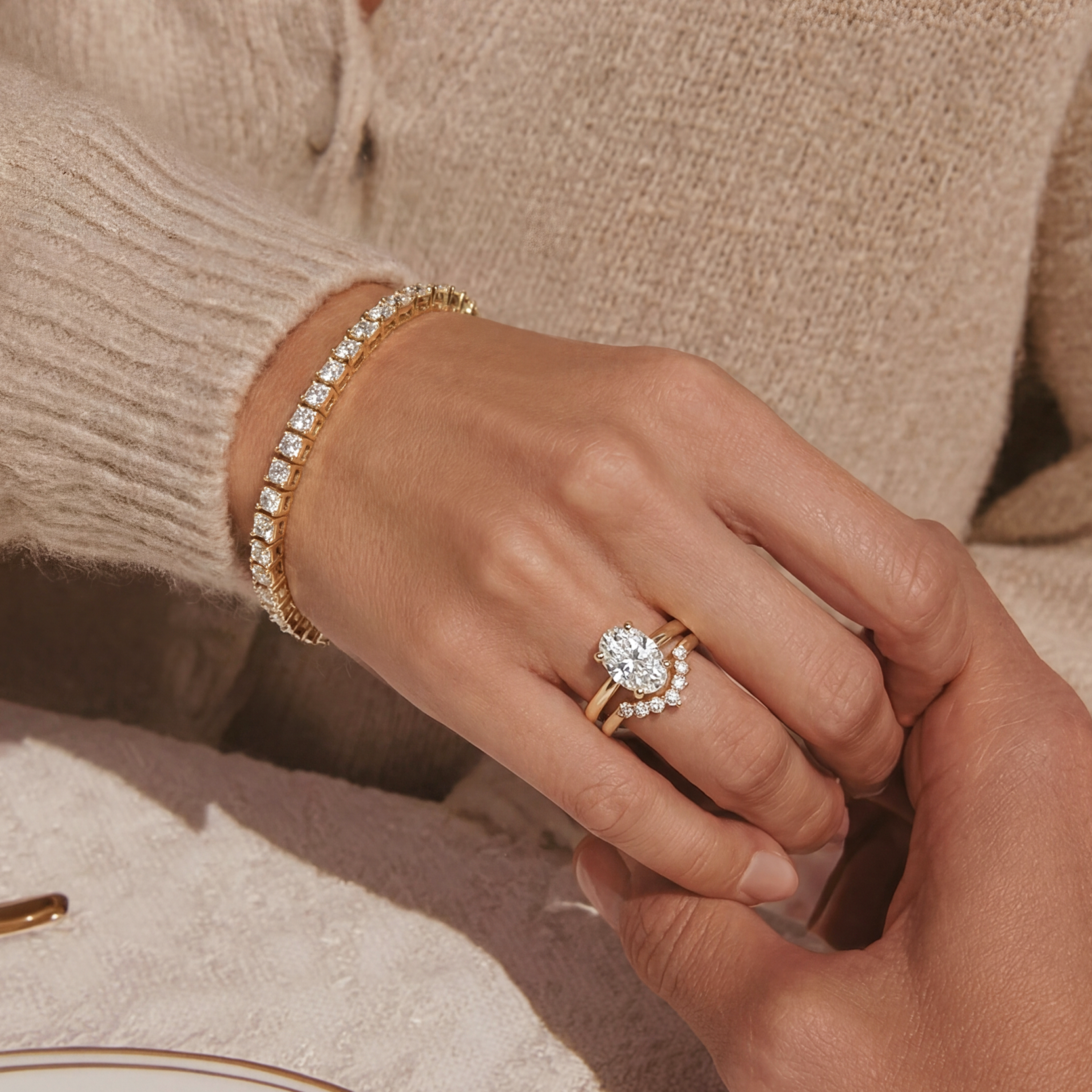
Revealed: Engagement Ring Trends For 2026
Move over, minimalism. 2026 is the year of vintage glamour and bold, architectural design. From the resurgence of antique Old Mine Cuts to the warmth of chunky yellow gold, we’re revealing the top trends redefining modern romance. Discover why personality is the new perfection.