
Diamond Ring Checklist: What to Check Before Buying on Black Friday
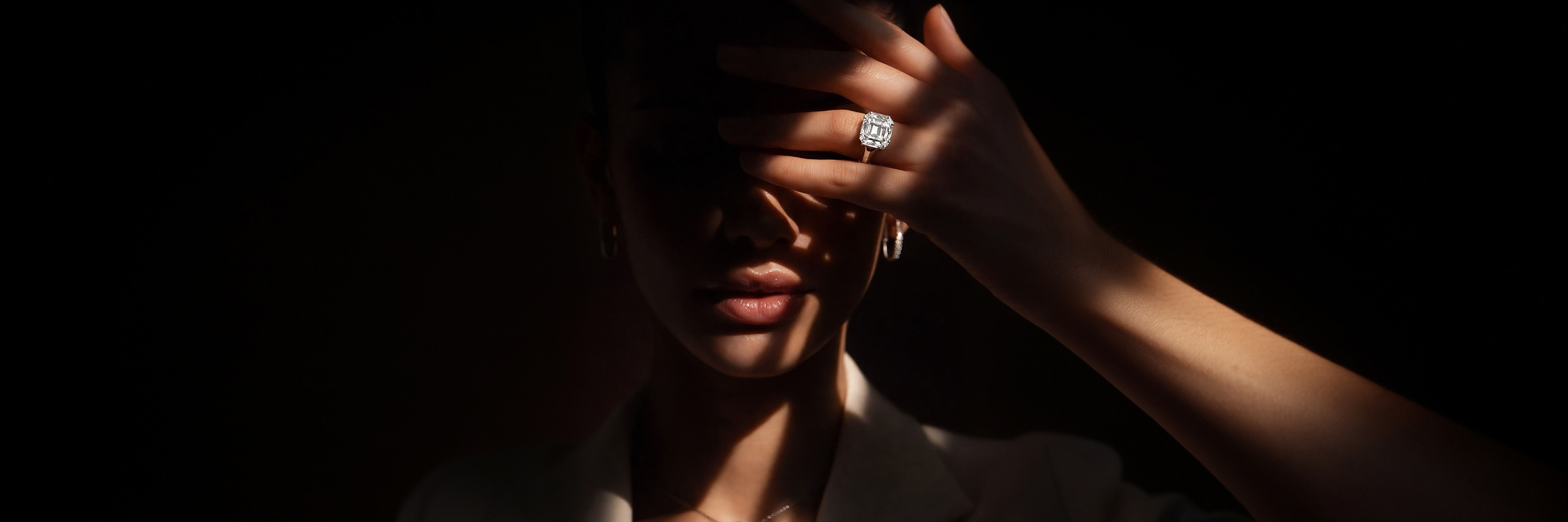
A diamond ring is one of the most expensive pieces of jewellery you will ever buy, which is exactly why it is worth buying with a calm head. The end of November, with Black Friday on 27 November, brings plenty of offers and countdowns, but even the best sale does not change the quality of the stone: what matters is the certificate, clarity, cut, colour and origin of the diamond.
In this article you will find a checklist that lets you assess any offer in half an hour: how to read a GIA or IGI certificate, what VVS clarity means and how much of it you really need, what a carat is and how natural diamonds differ from lab-grown ones. At the end there is a table, a simple decision aid and answers to common questions.
Diamond ring checklist in six steps
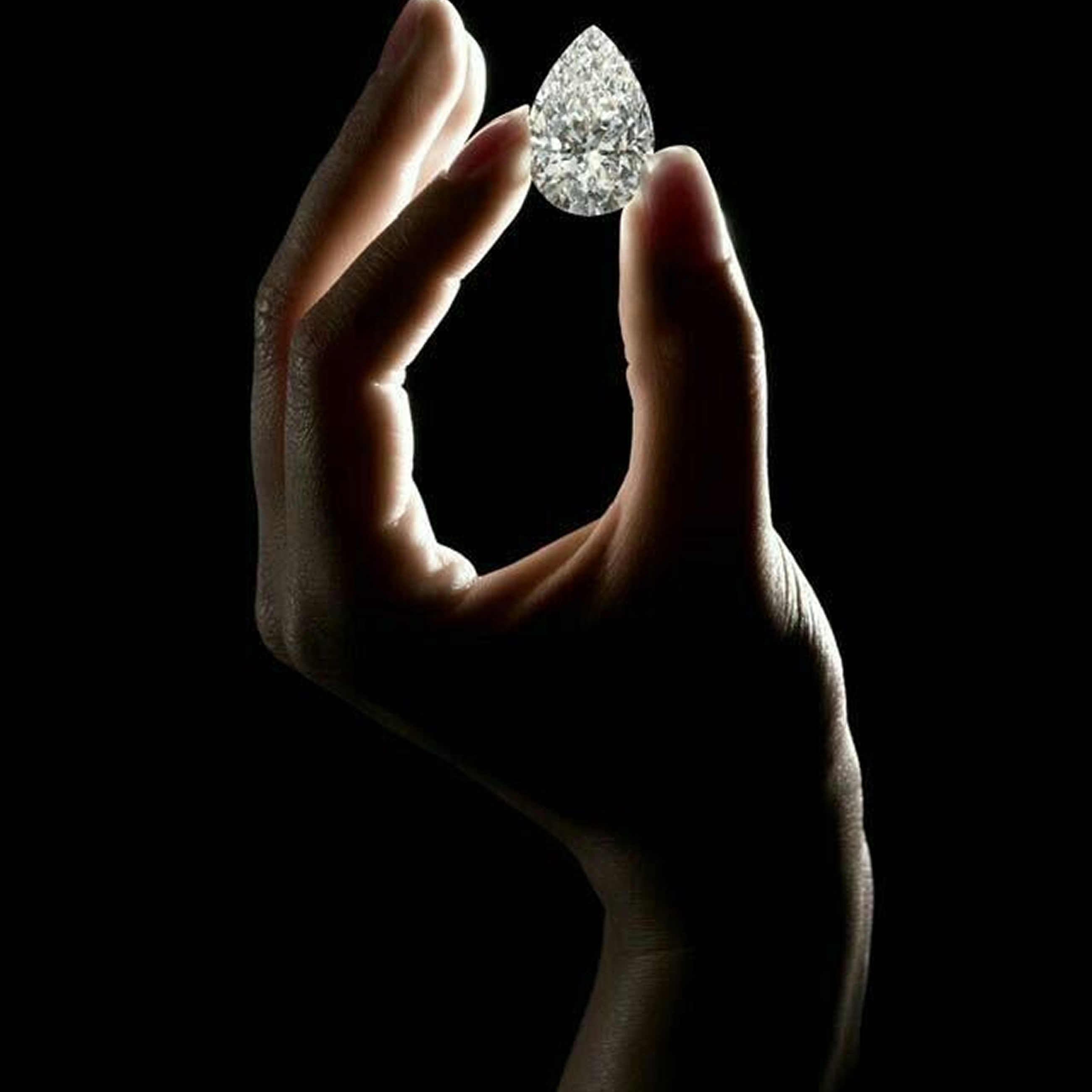
- Certificate: At Omara we sell only diamonds with an independent GIA or IGI certificate. For every ring, check which one the stone has, and whether the details (carats, colour, clarity, cut) match the description of the offer. You will find more on the Diamond certification page.
- Origin: A natural diamond, or a lab-grown diamond? They look the same; they differ in origin and price: lab-grown diamonds are approximately 60 to 80% cheaper than natural ones of comparable quality.
- Clarity: Do not pay for clarity you cannot see. The difference between VVS and VS is visible under magnification, not on the hand (more in the next section).
- Cut: The cut decides how the stone handles light. A well-cut smaller stone is often livelier than a bigger but flat one.
- Carat and colour: A carat is weight, not size, and colour shows most in larger stones. Look for balance, not the maximum in one category.
- The whole ring: Check the metal, the setting and the size. Omara offers resizing after purchase, so there is no need to fear the exact number.
Good to know: A sale does not turn a stone into a better stone. Always compare offers on the same basis: the same type of certificate, the same clarity and colour, the same origin. If something is missing from the description or certificate, ask before you decide. Always check specific offers and conditions directly in the shop.
GIA and IGI certificates: what to look for
Five details that should add up
A certificate is issued by an independent gemmological laboratory, not by the seller, which is why it is the best proof about a stone. When you check it, keep to these details:
- Origin: the certificate states whether the diamond is natural or grown in a laboratory.
- Weight: in carats, to two decimal places.
- Colour and clarity: the scales we cover below.
- Cut: above all the grade for finish and symmetry.
- Match: the details must correspond to the ring you are buying.
VVS and other clarity grades: how much is enough
Clarity describes tiny internal features of a stone (inclusions) and surface imperfections. The scale runs from FL and IF (flawless, or without inclusions visible under 10x magnification) through VVS, VS and SI down to I, where the features are visible to the naked eye. So an “IF diamond” is one of the highest clarity grades.
| Grade | What it means | Visible to the eye? | What to think about |
|---|---|---|---|
| FL / IF | No features, or surface imperfections only | No | The rarest and most expensive grades |
| VVS1 / VVS2 | Very, very small inclusions, hard to find even under magnification | No | A gemmologist will see the difference from VS, hardly anyone else |
| VS1 / VS2 | Very small inclusions | Usually not | Often a sensible compromise between price and clarity |
| SI1 / SI2 | Small inclusions, visible under magnification | Sometimes | With larger stones, judge the specific stone |
| I1 and lower | Inclusions visible to the naked eye | Yes | May affect sparkle and durability |
For an ordinary engagement ring you therefore do not need the top grade: VS clarity is often indistinguishable from VVS to the eye, and the money you save can go into a better cut or a bigger stone. VVS makes sense if rarity matters to you and you want a stone that is practically free of features even under a loupe. You will find a closer look in the article VVS diamond clarity guide.
What is a carat, and why the number is not everything
A carat is a unit of weight: one carat is 0.2 grams. It does not tell you the size of the stone directly, which also depends on the cut and the shape. Prices also tend to jump at round values such as 0.50 or 1.00 ct, so with a stone just under the mark you often save a lot and barely see the difference on the hand. An overview of all the factors, from cut to colour, is in our Diamond guide.
Natural or lab-grown diamond: how they form and what to choose
How natural and lab-grown diamonds are made
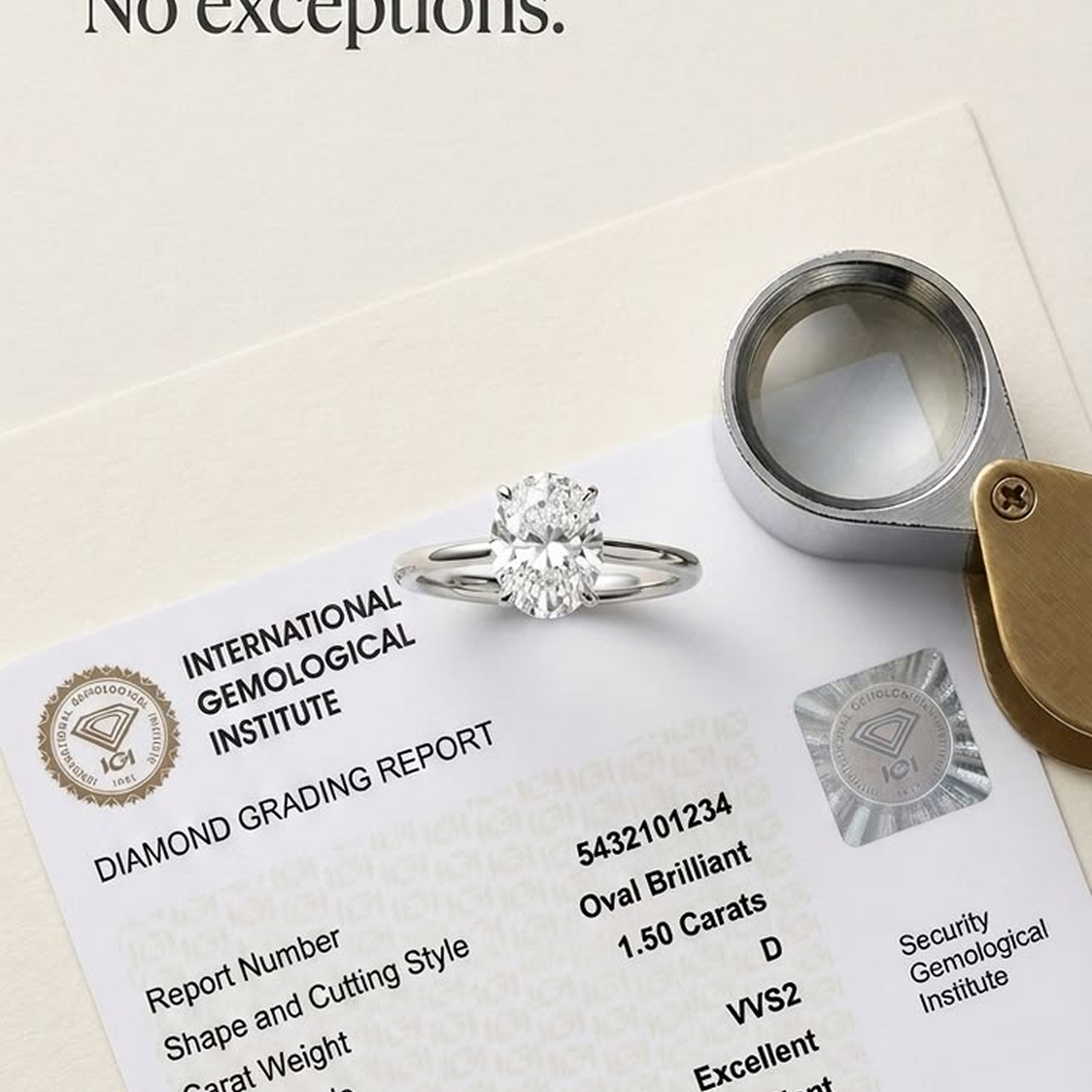
Natural diamonds form in the Earth’s mantle at a depth of approximately 150 to 200 km, where pressure and temperature are huge, and it takes a very long time: hundreds of millions to billions of years. Volcanic eruptions carried them to the surface. Lab-grown diamonds are made in controlled conditions, most often by the HPHT or CVD method.
The chemical composition and the hardness (10 on the Mohs scale) are the same, and only special equipment can tell them apart. The difference is in origin, rarity and price.
Choose a lab-grown diamond if:
- You want a larger or higher-quality stone for the same budget
- You do not mind that the origin is not natural
- You do not plan to resell the jewellery
- You want a more affordable price (approximately 60 to 80% lower)
Choose a natural diamond if:
- It matters to you that the stone formed in nature
- You want traditional rarity and the story of the stone
- You do not mind a higher price for the same quality
- A higher return on resale counts too (typically approximately 40 to 60% of the purchase price)
To be honest: with a lab-grown diamond you typically get back approximately 20 to 40% of the purchase price when you sell. Do not buy any diamond as an investment, buy it because you love it. You will find a comparison of the two types in the article Lab-grown vs mined diamonds: an honest comparison.
When and how to buy: without the stress
If you are aiming for Christmas (24 December), allow time for delivery and a possible resize. Ready-made rings ship quickly, while a custom ring takes longer and usually costs more, so look at the current delivery times early, not in the last week. If no ready-made ring suits you, you can have a ring designed for you. And if you simply want inspiration, browse diamond rings by style.
Our honest tip: pick the three things from the checklist that matter most to you (for example certificate, origin and cut) and compare offers by those. The rest is a compromise nobody else can make for you.
Summary: choose a diamond ring by the stone, not by the number on a poster
A good offer shows itself by an independent certificate, a clear origin of the stone and clarity you will actually use. The rest is a matter of budget and taste.
Engagement rings with certificates – browse rings with lab-grown and natural diamonds, all with a GIA or IGI certificate, and choose the one that is yours.
Frequently asked questions
Next article
Gold Jewellery: 14k vs 18k and White, Yellow and Rose Gold
What 14k and 18k mean, how yellow, white and rose gold differ and when to choose gold over silver: a clear guide with a comparison table.