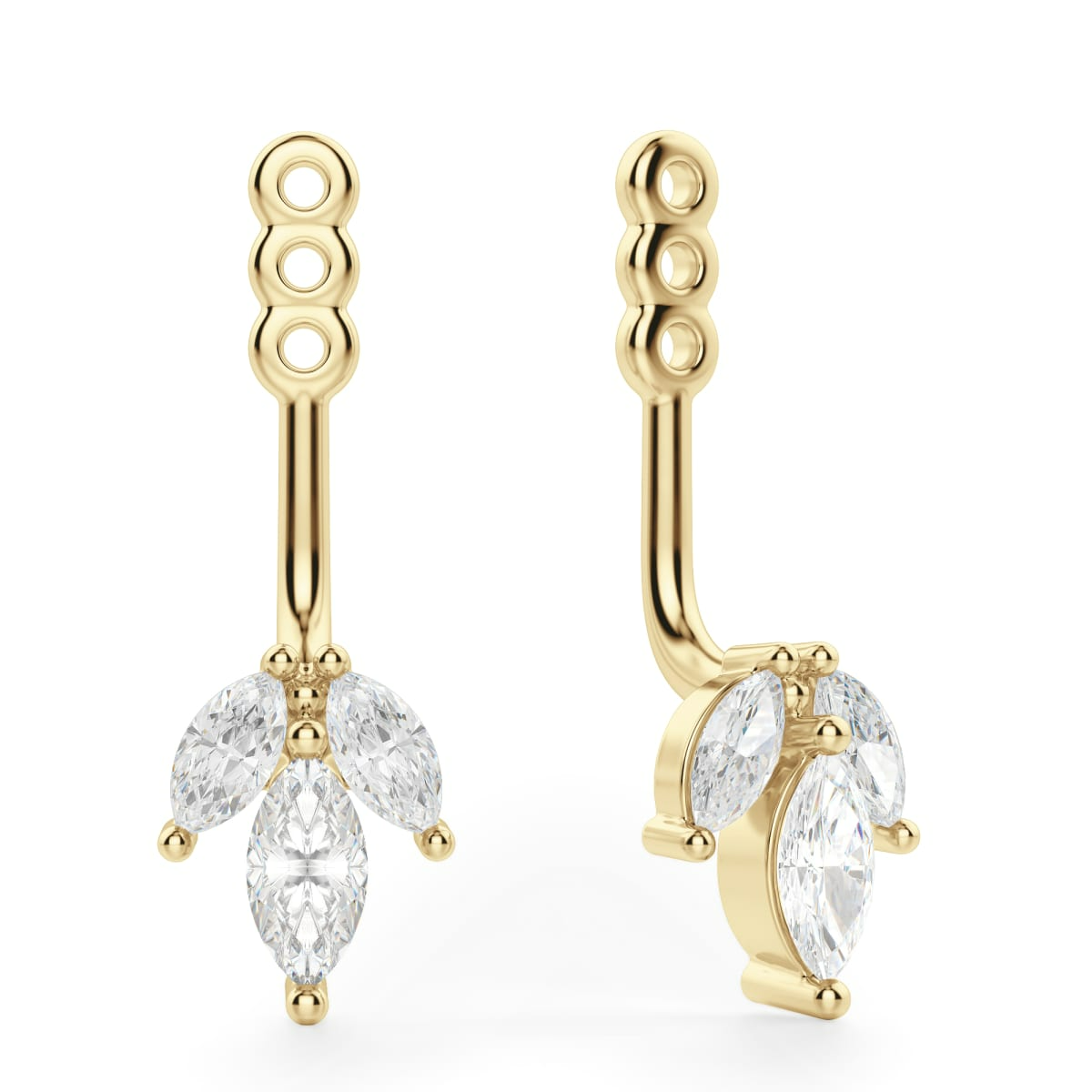
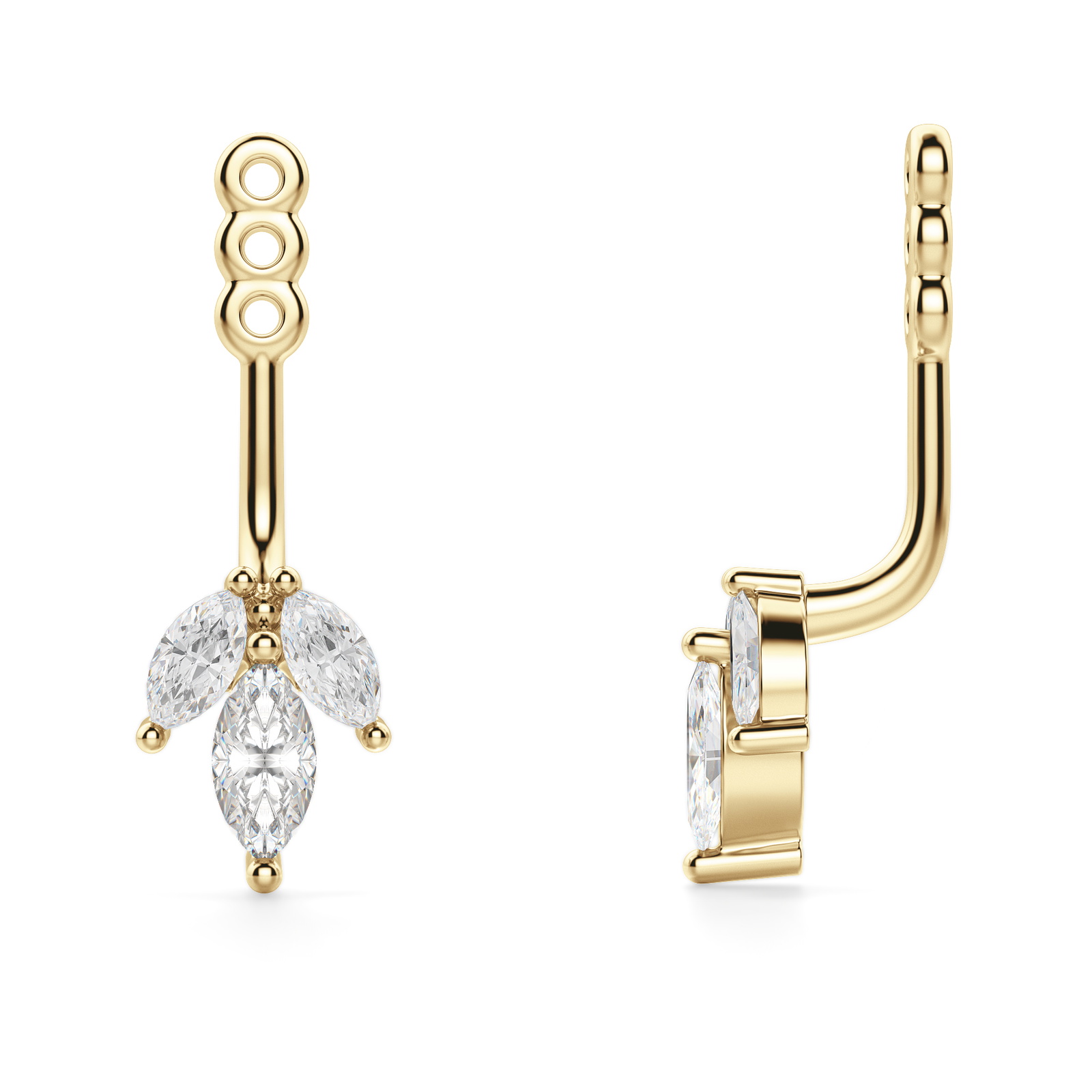
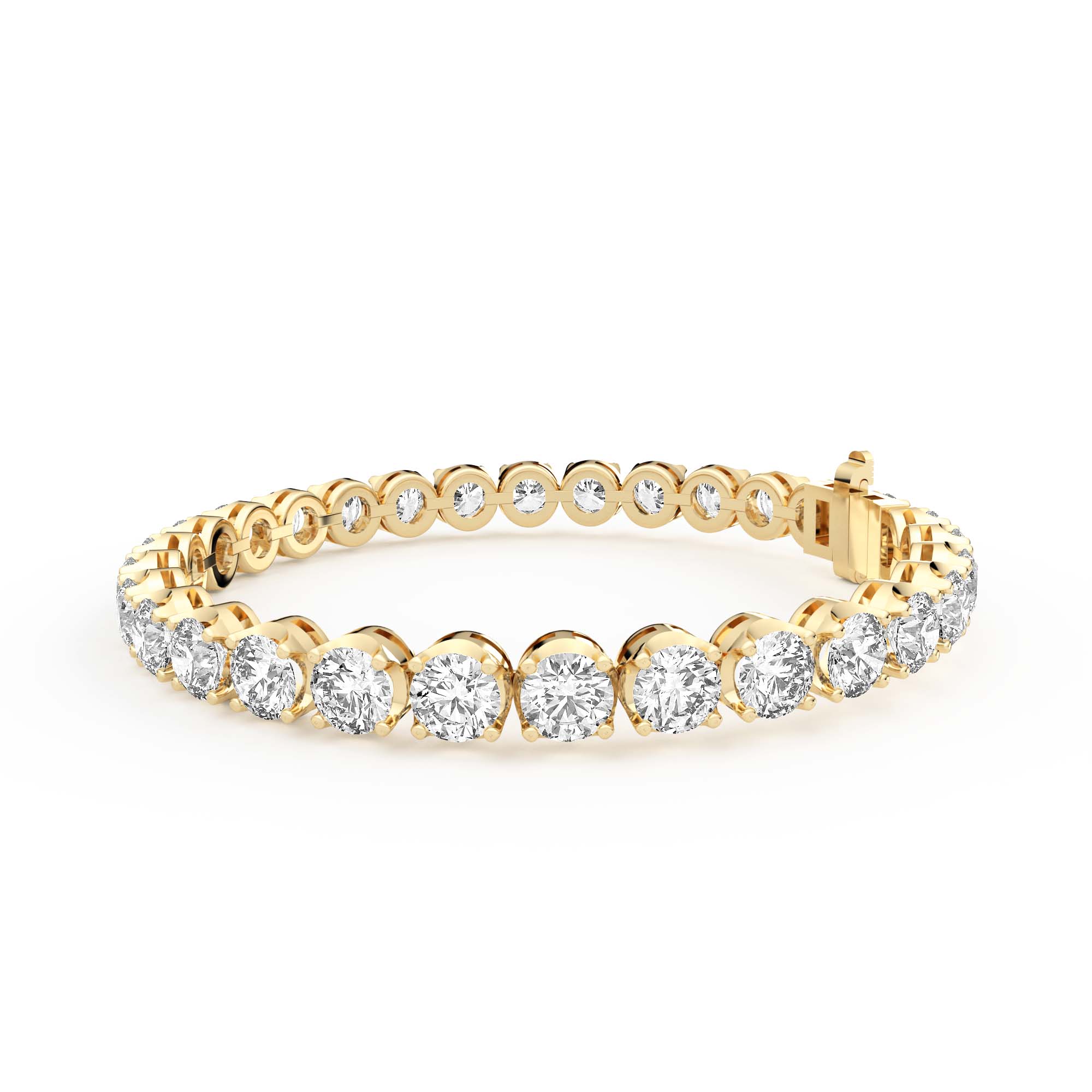
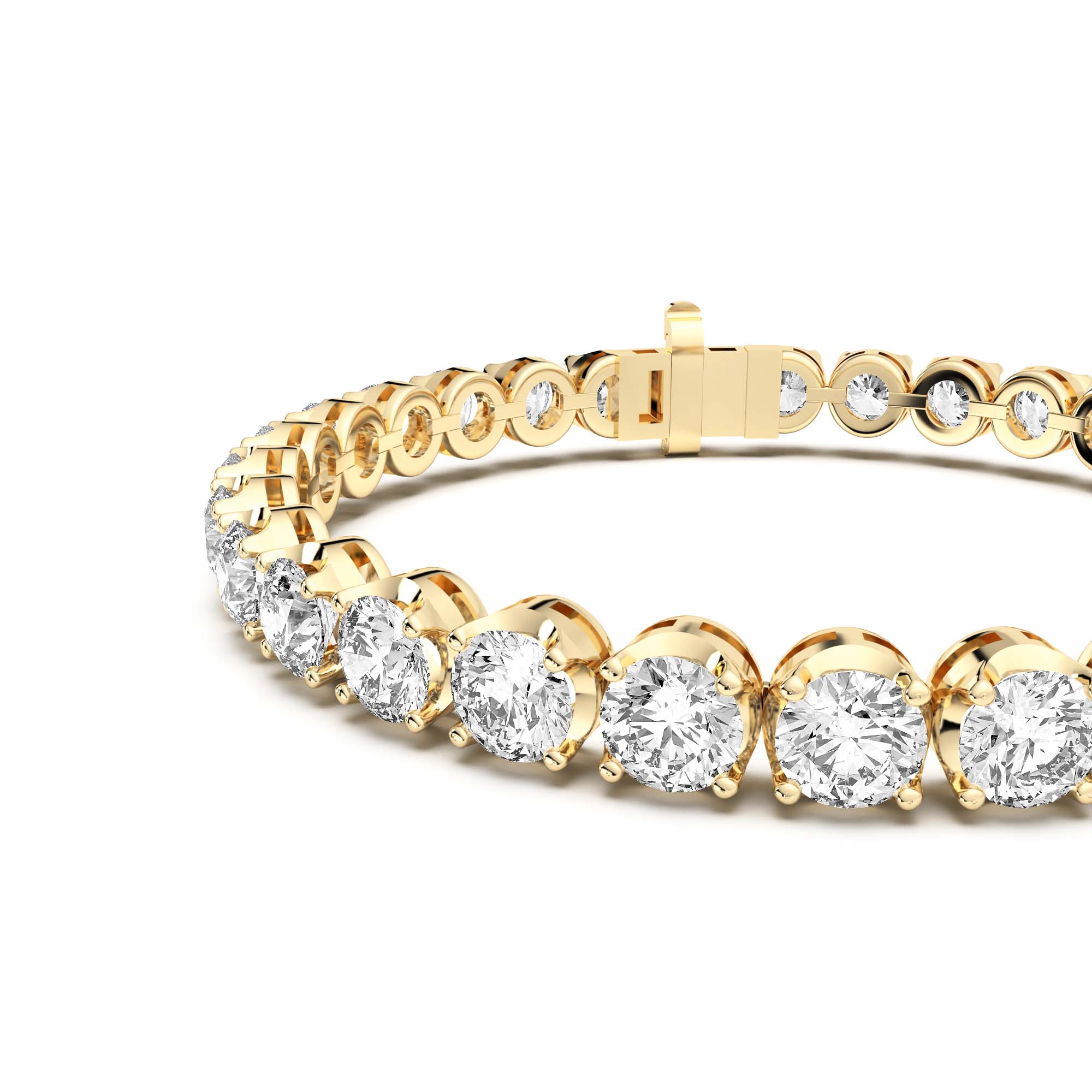
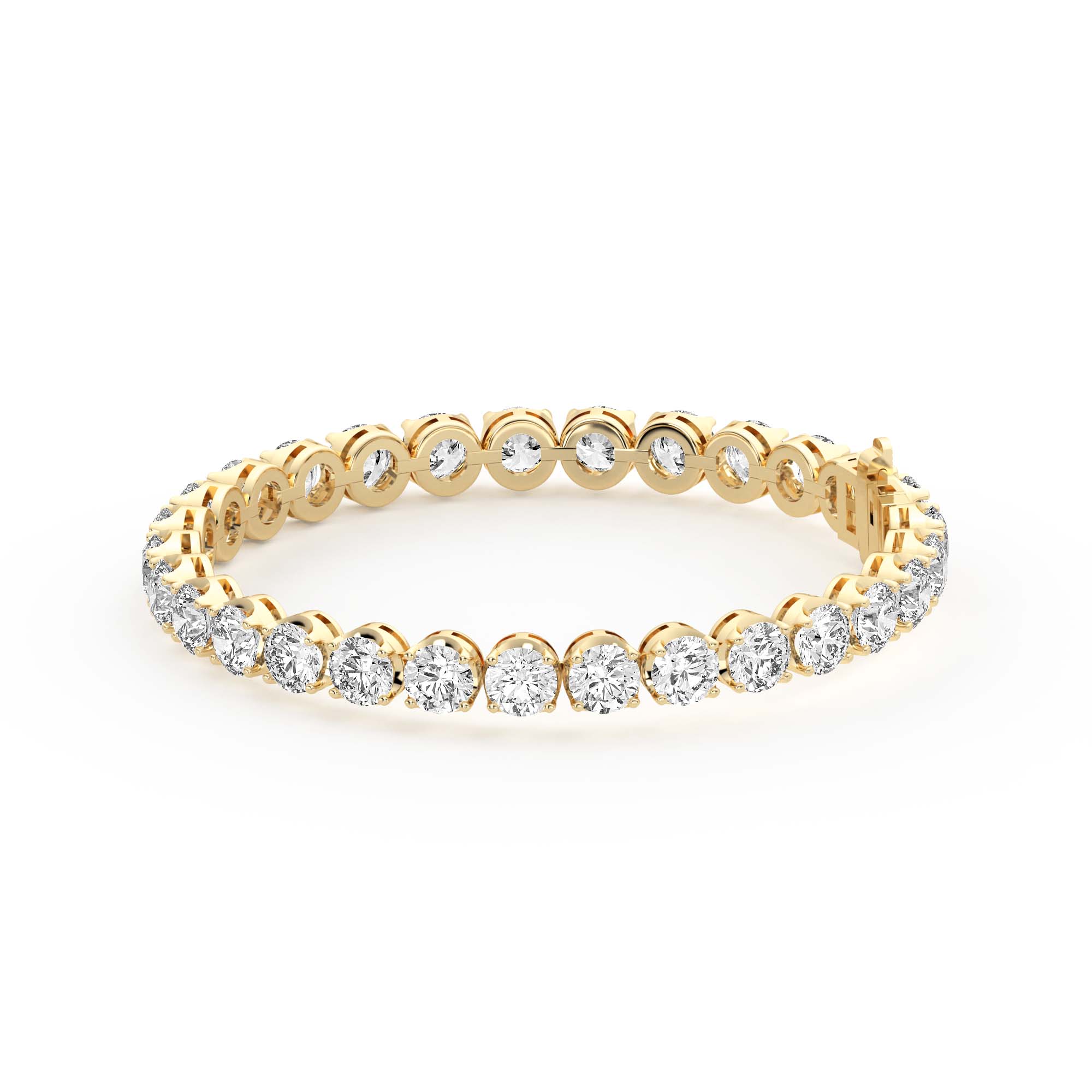
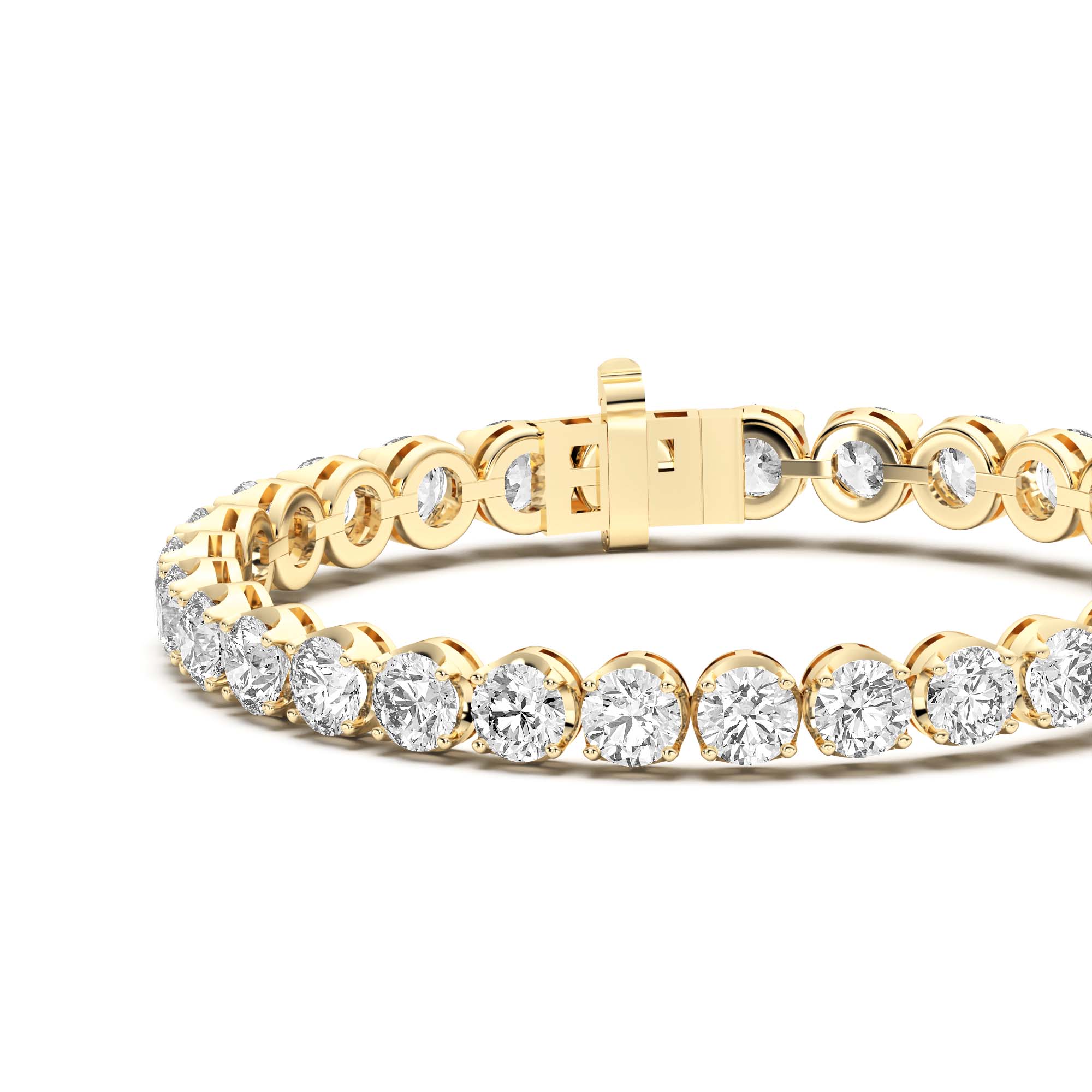
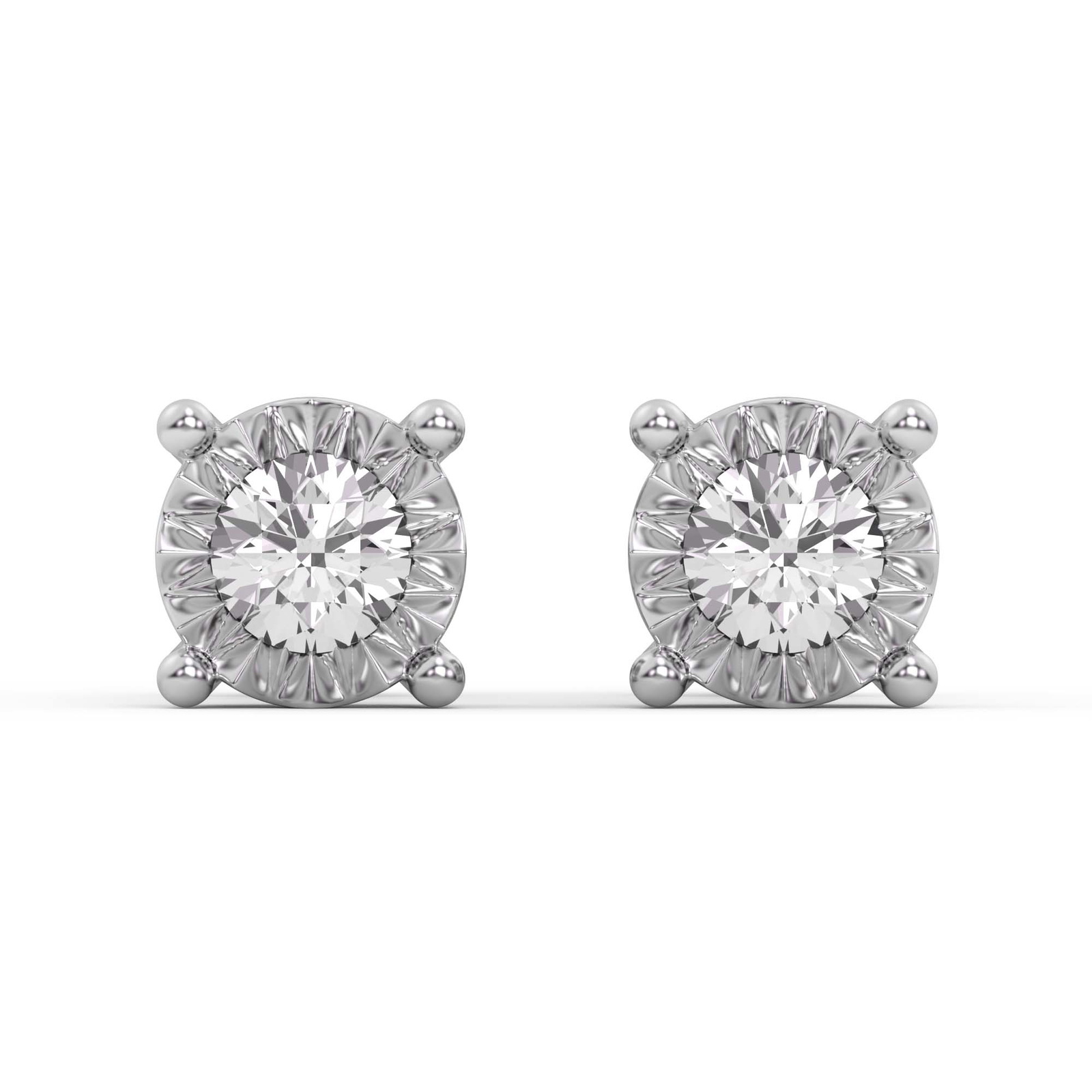
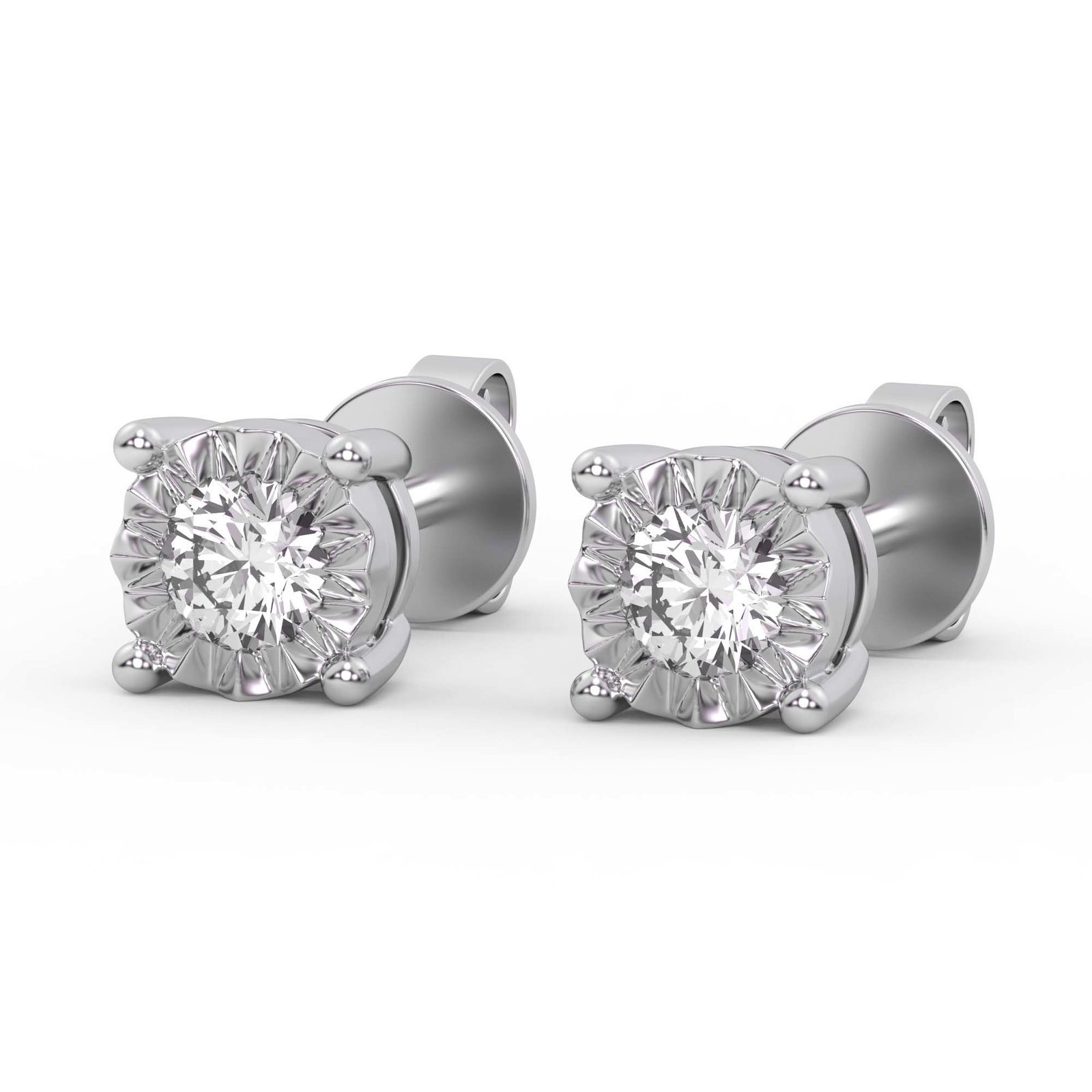
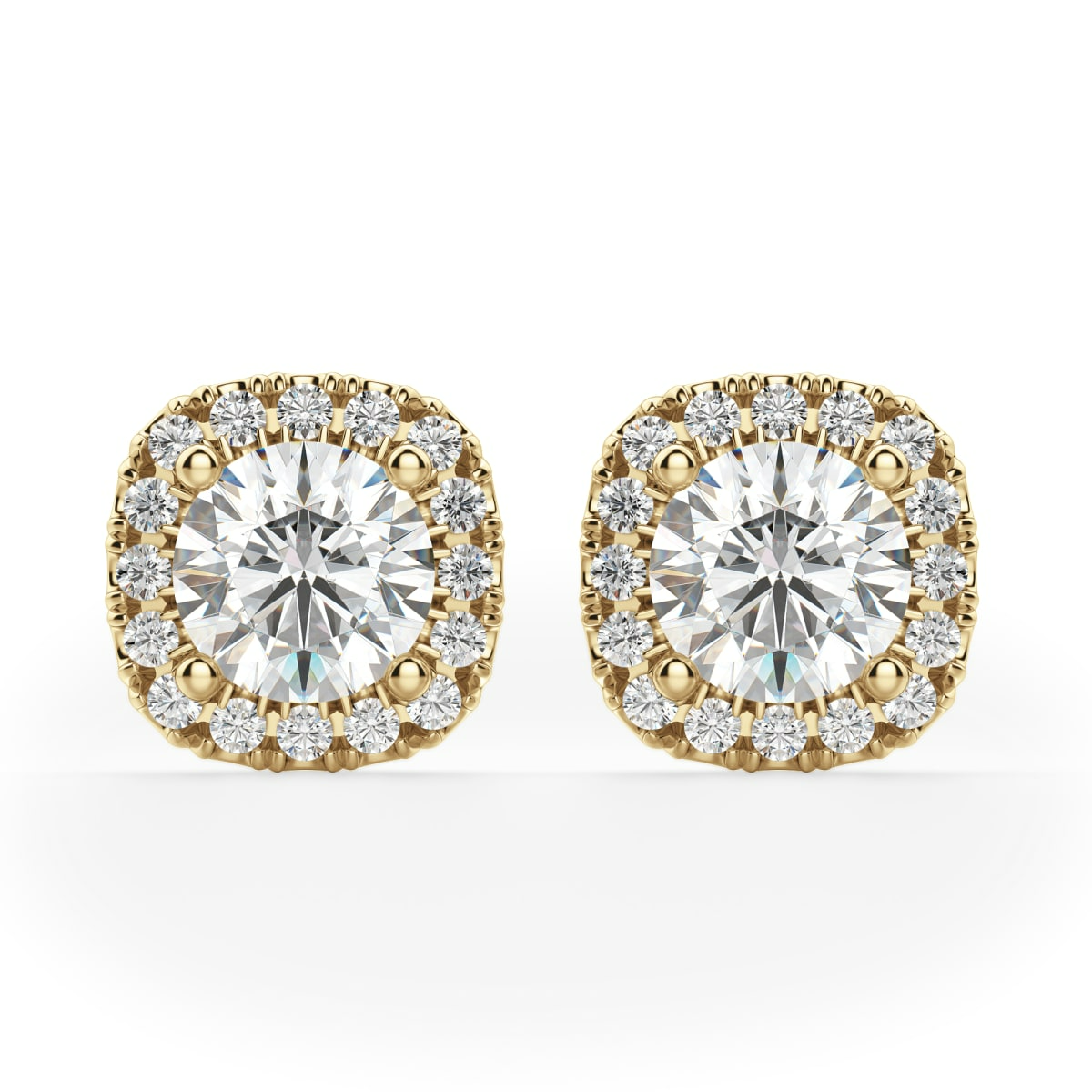
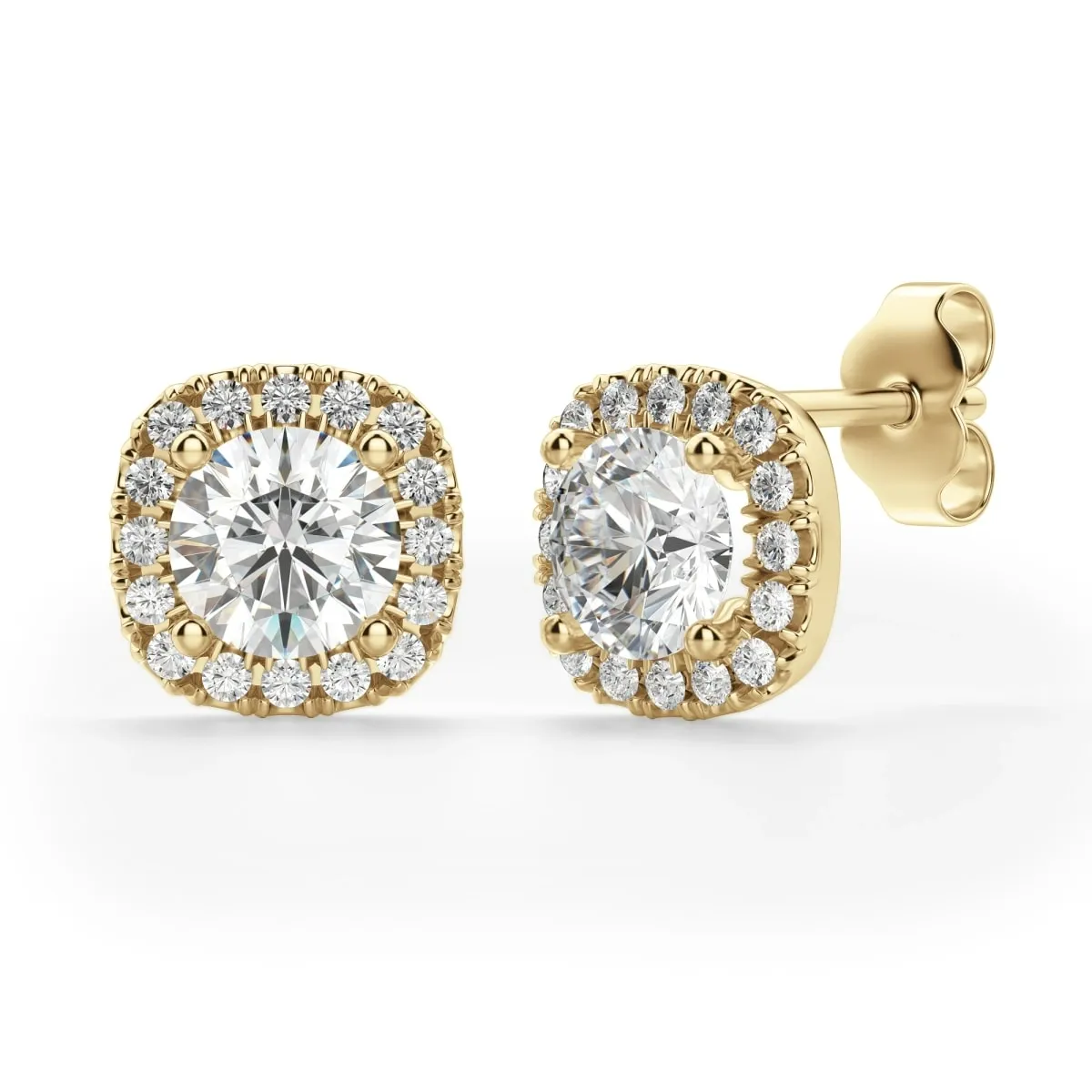
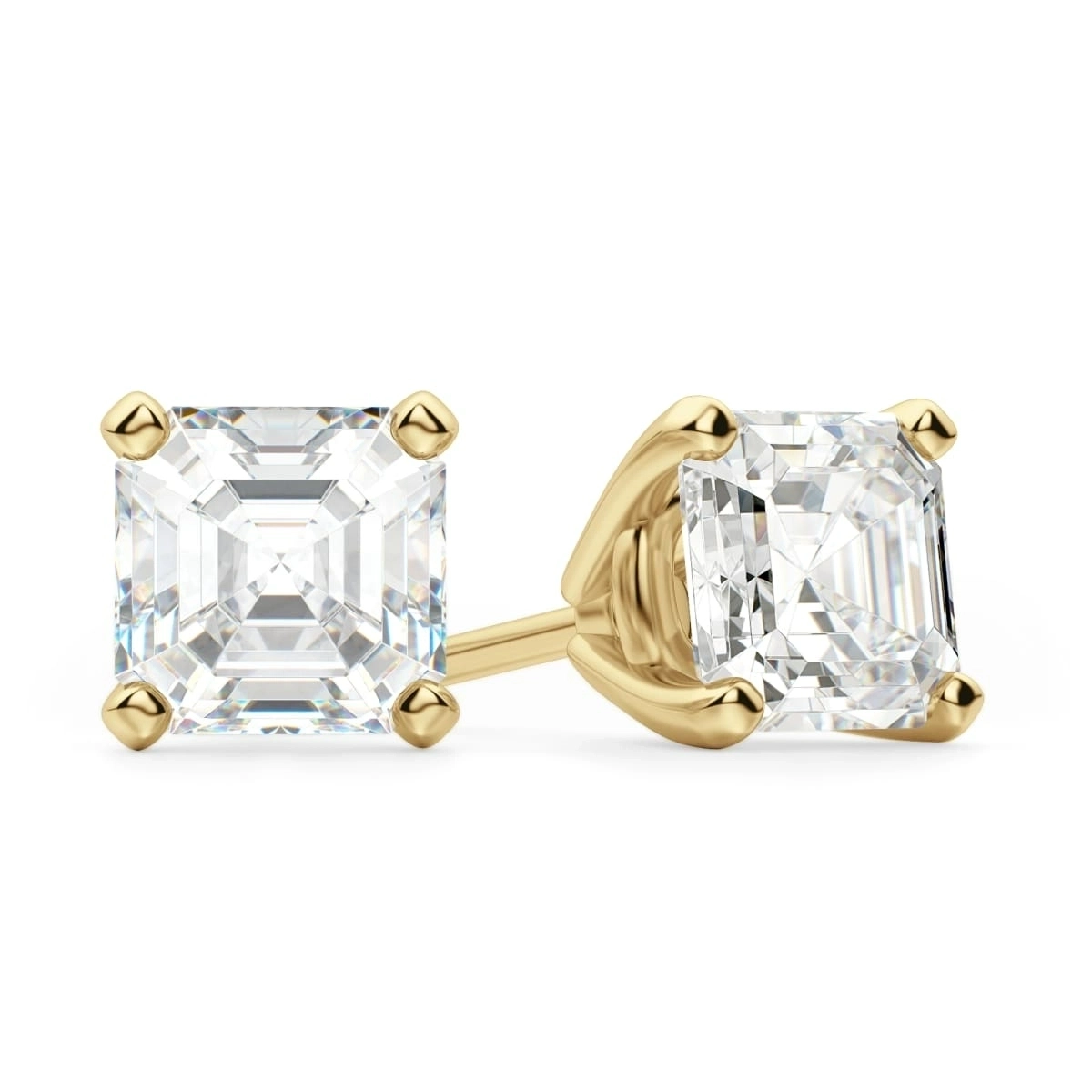
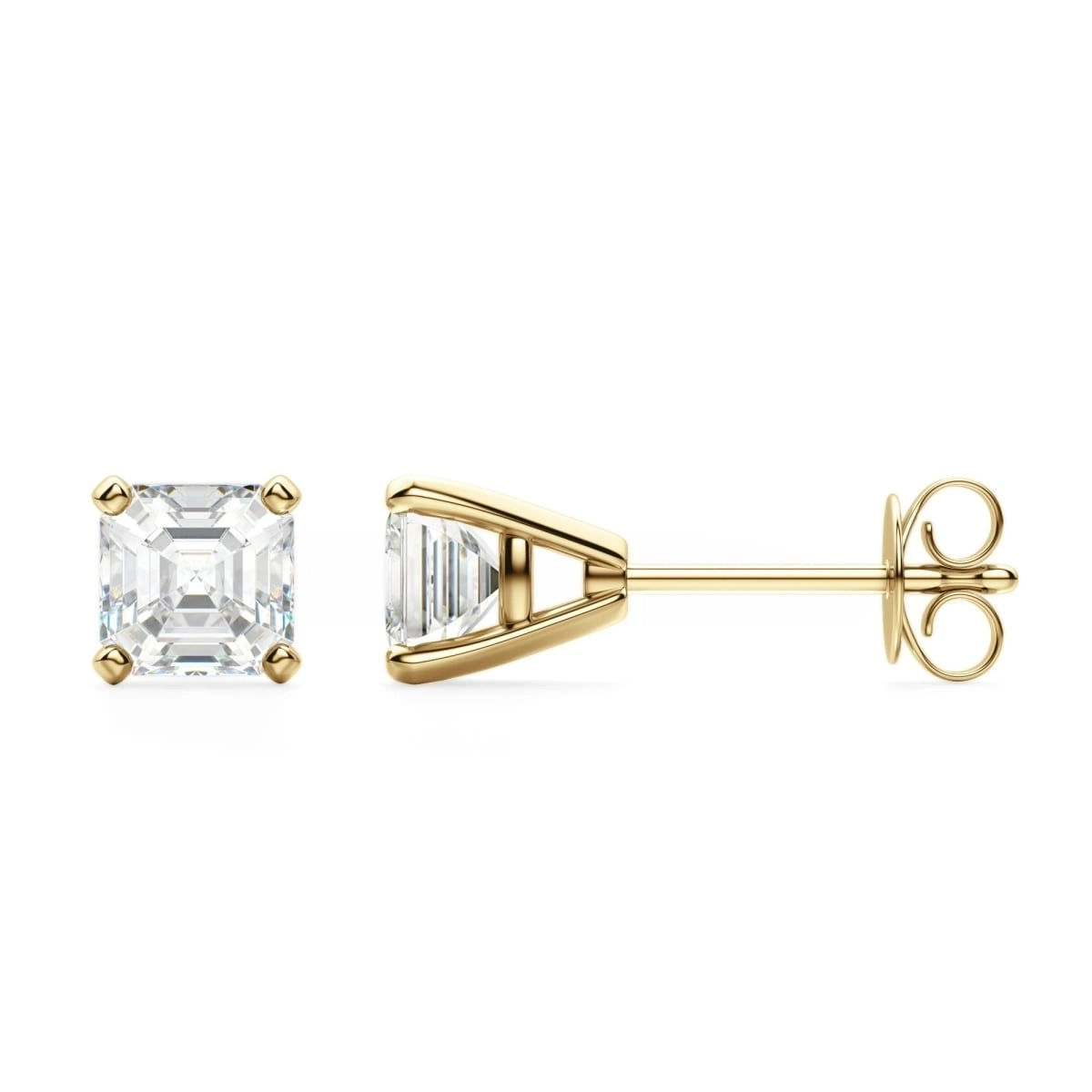
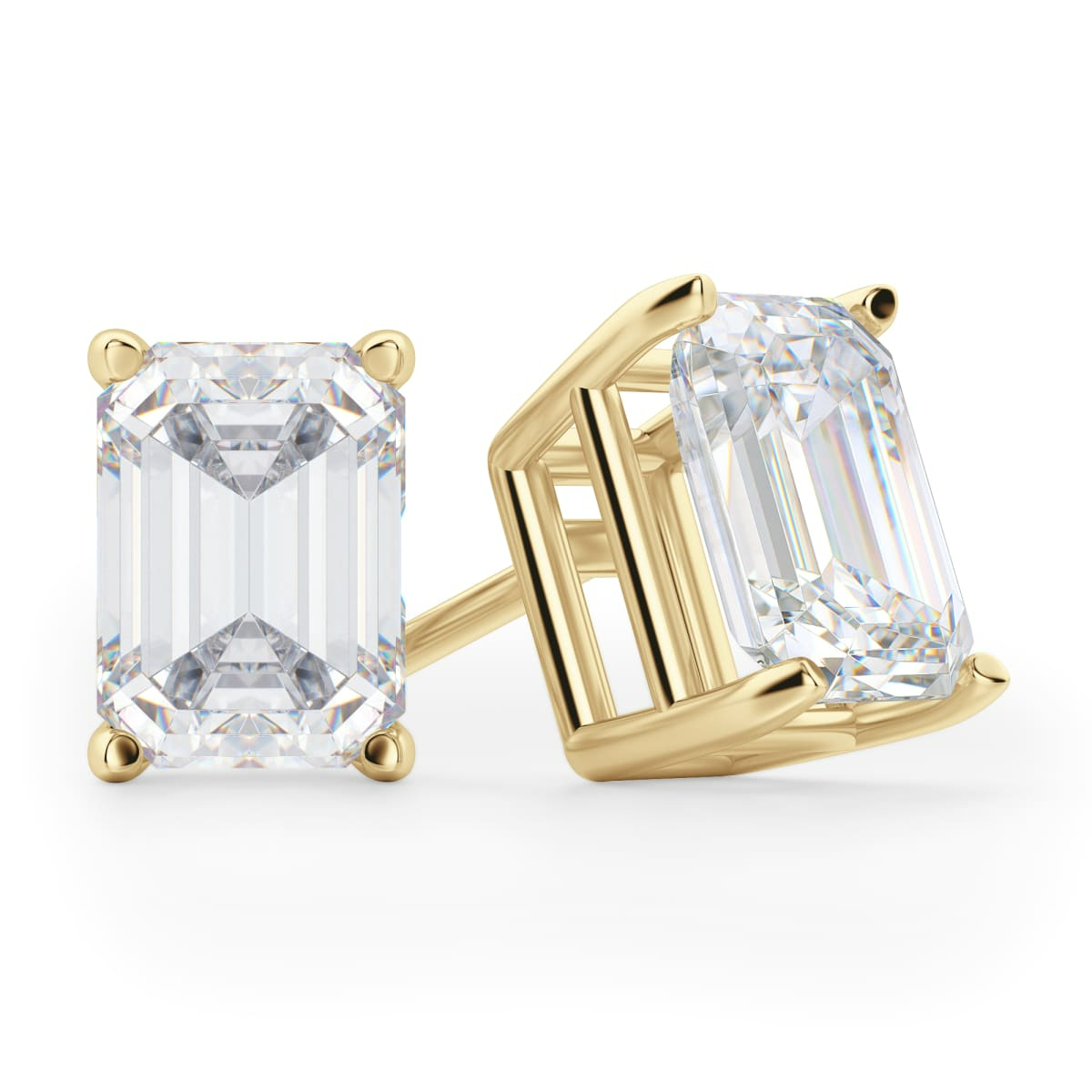
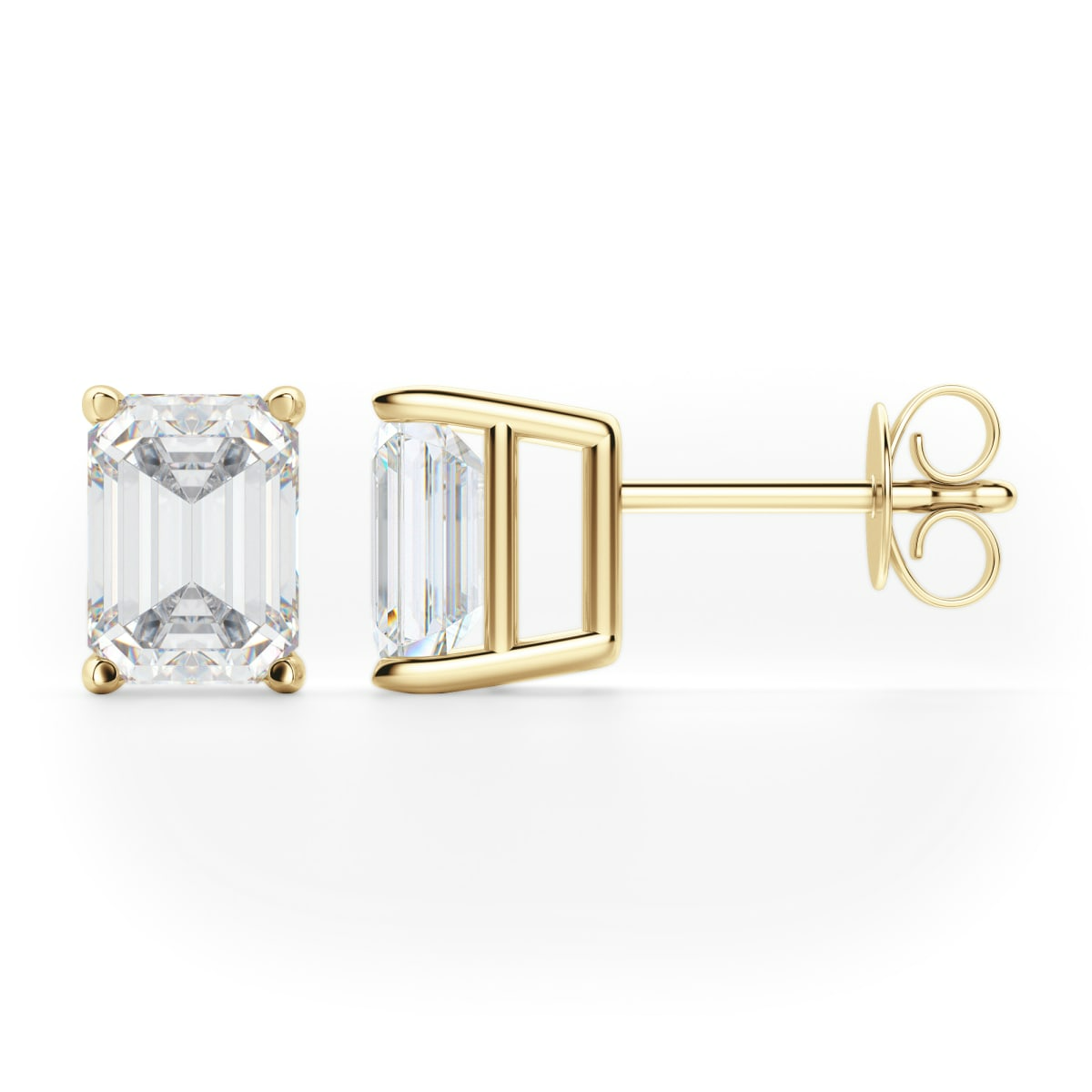
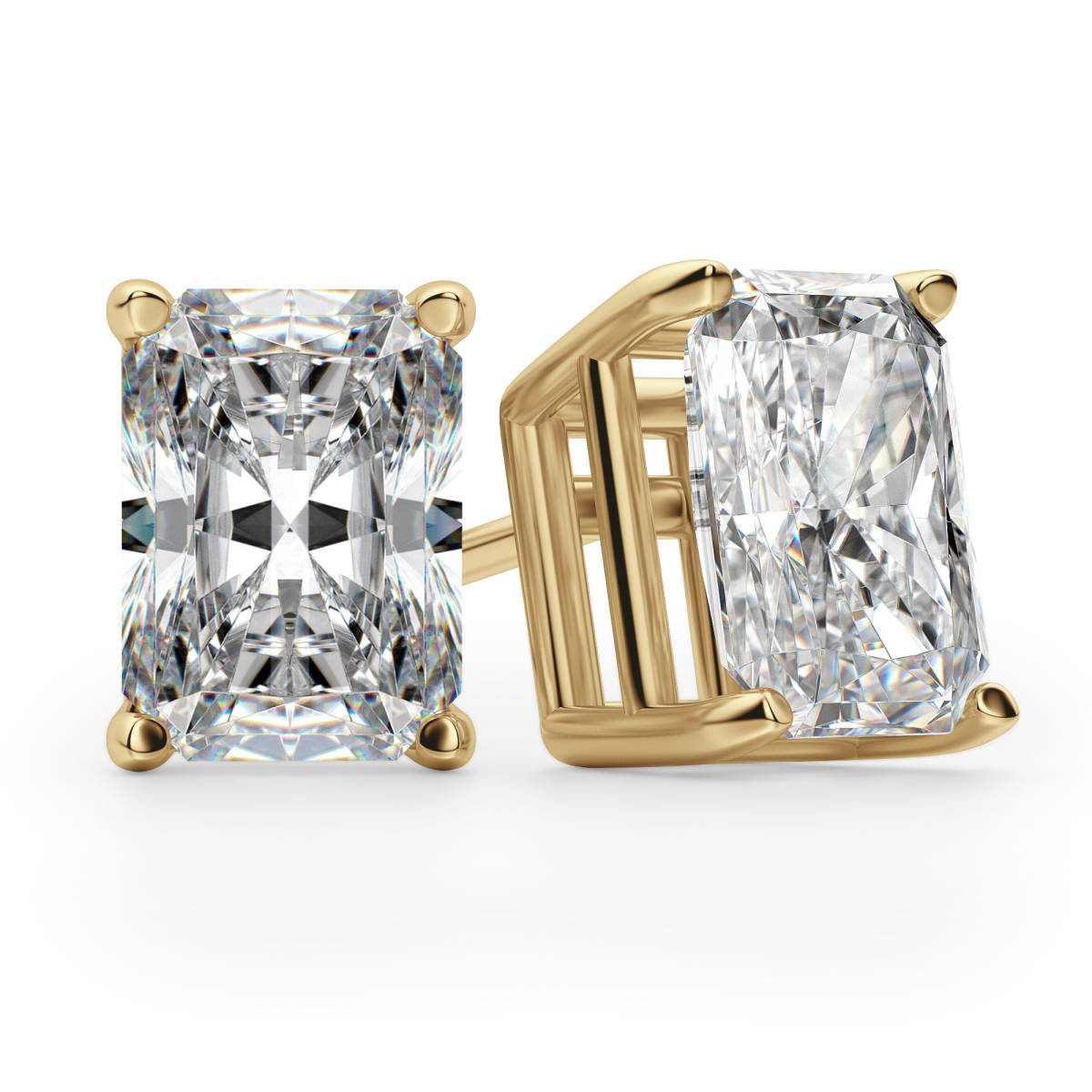
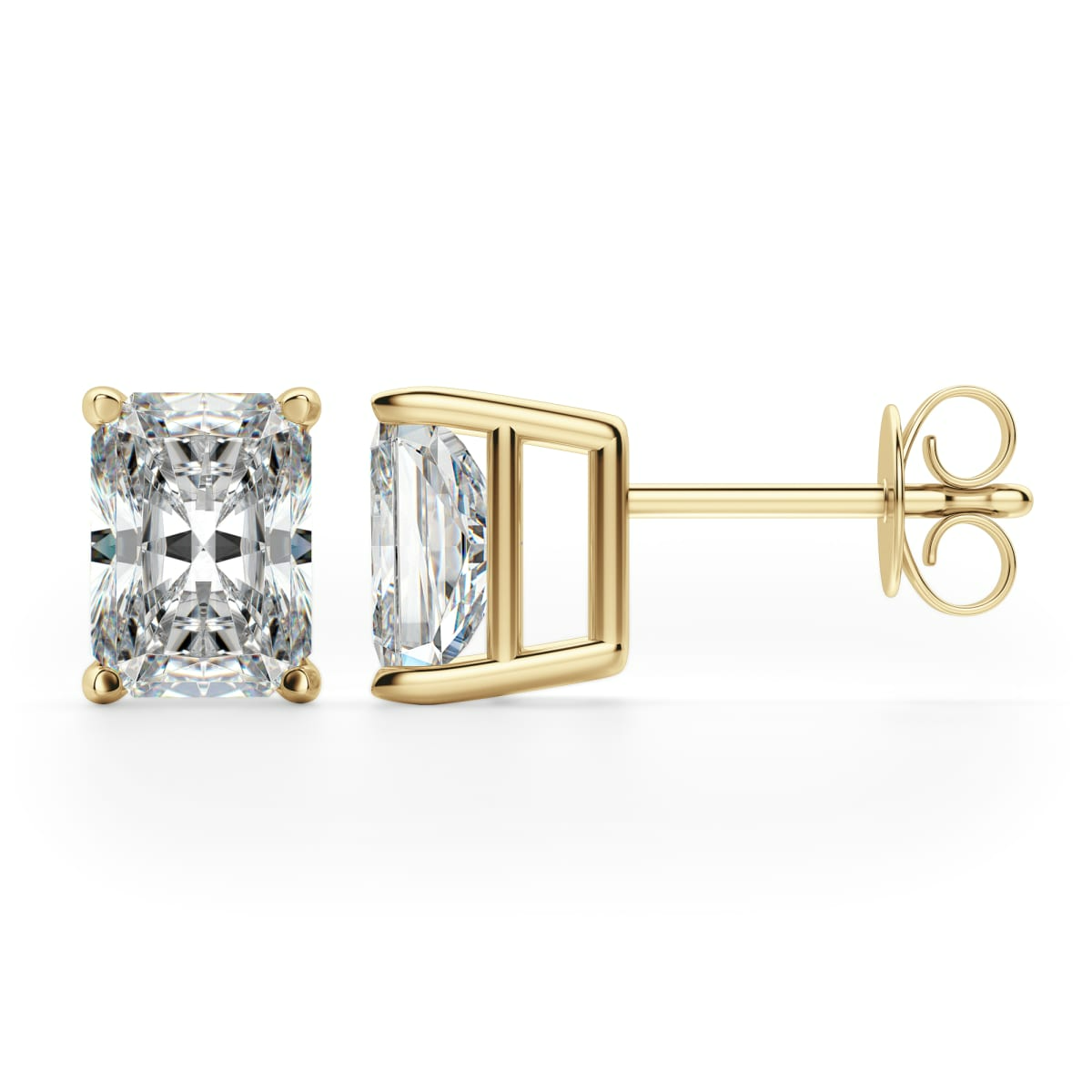
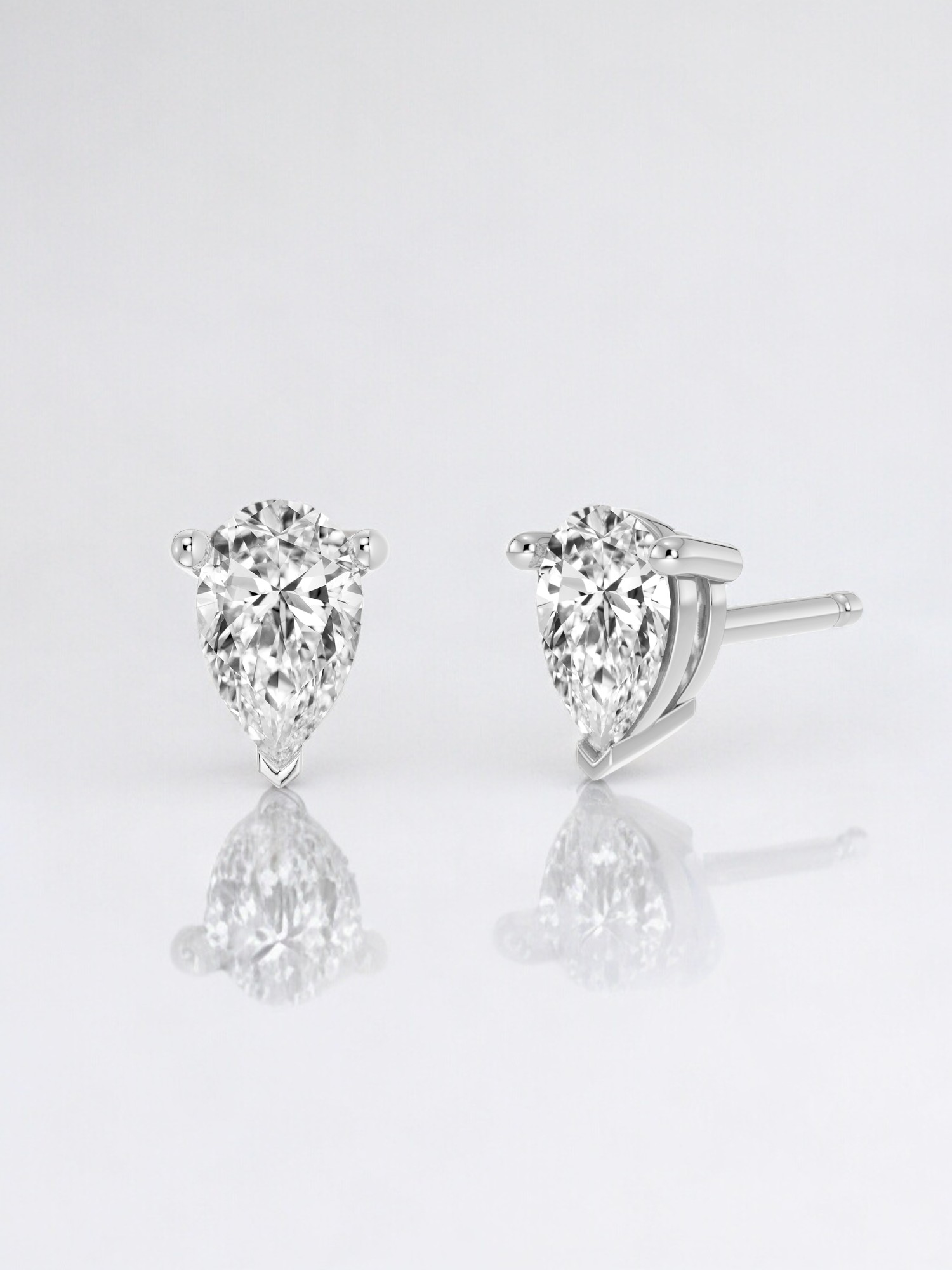
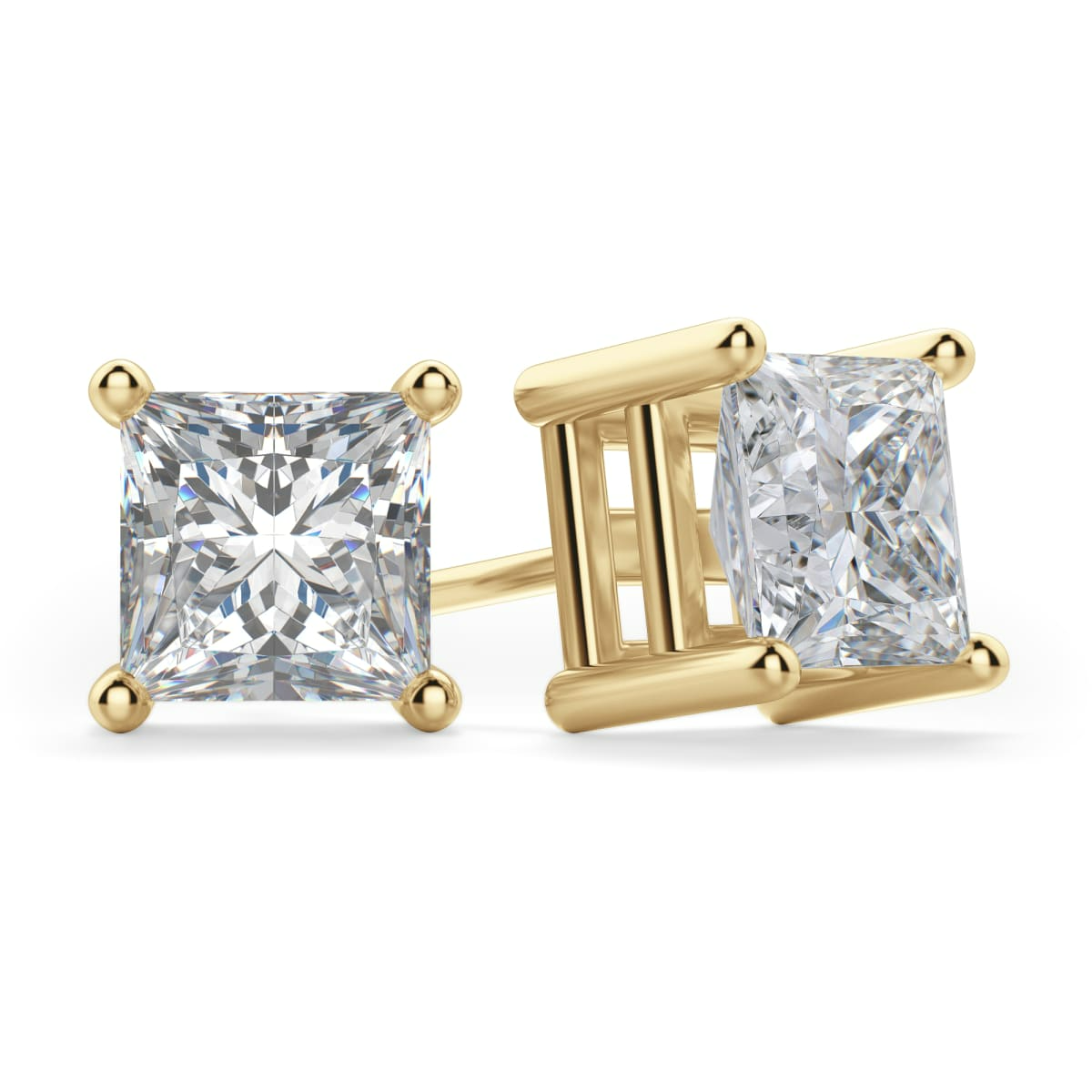
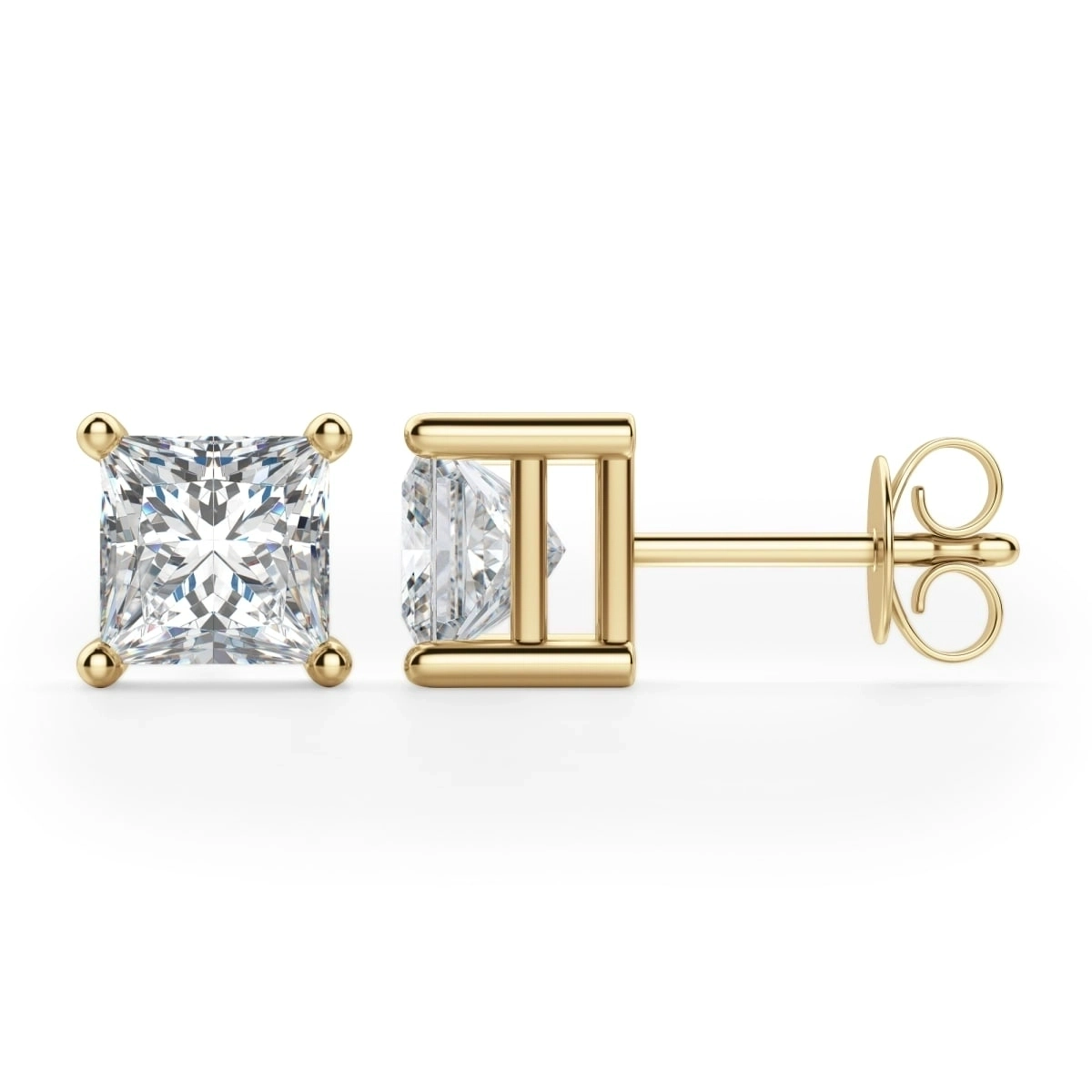
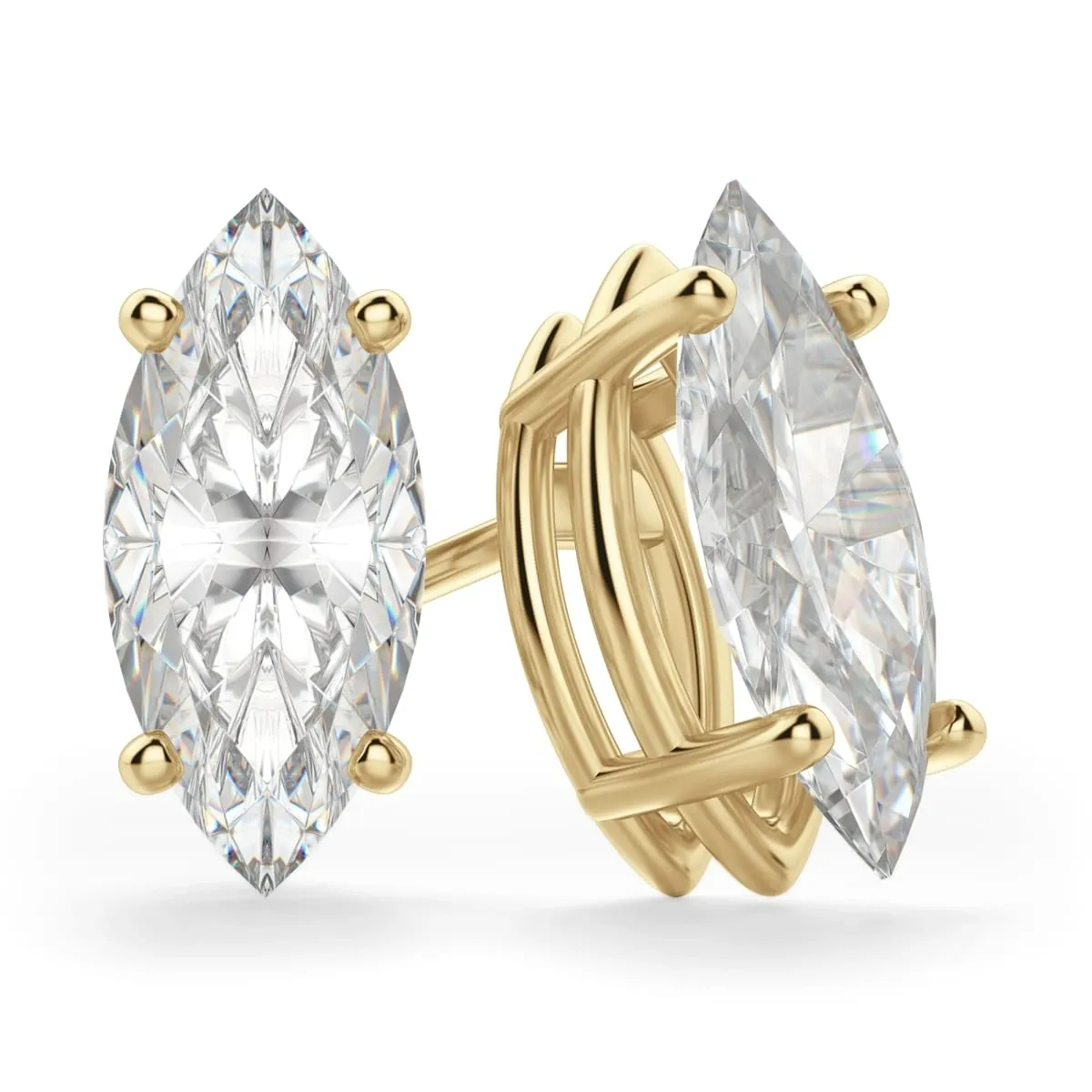
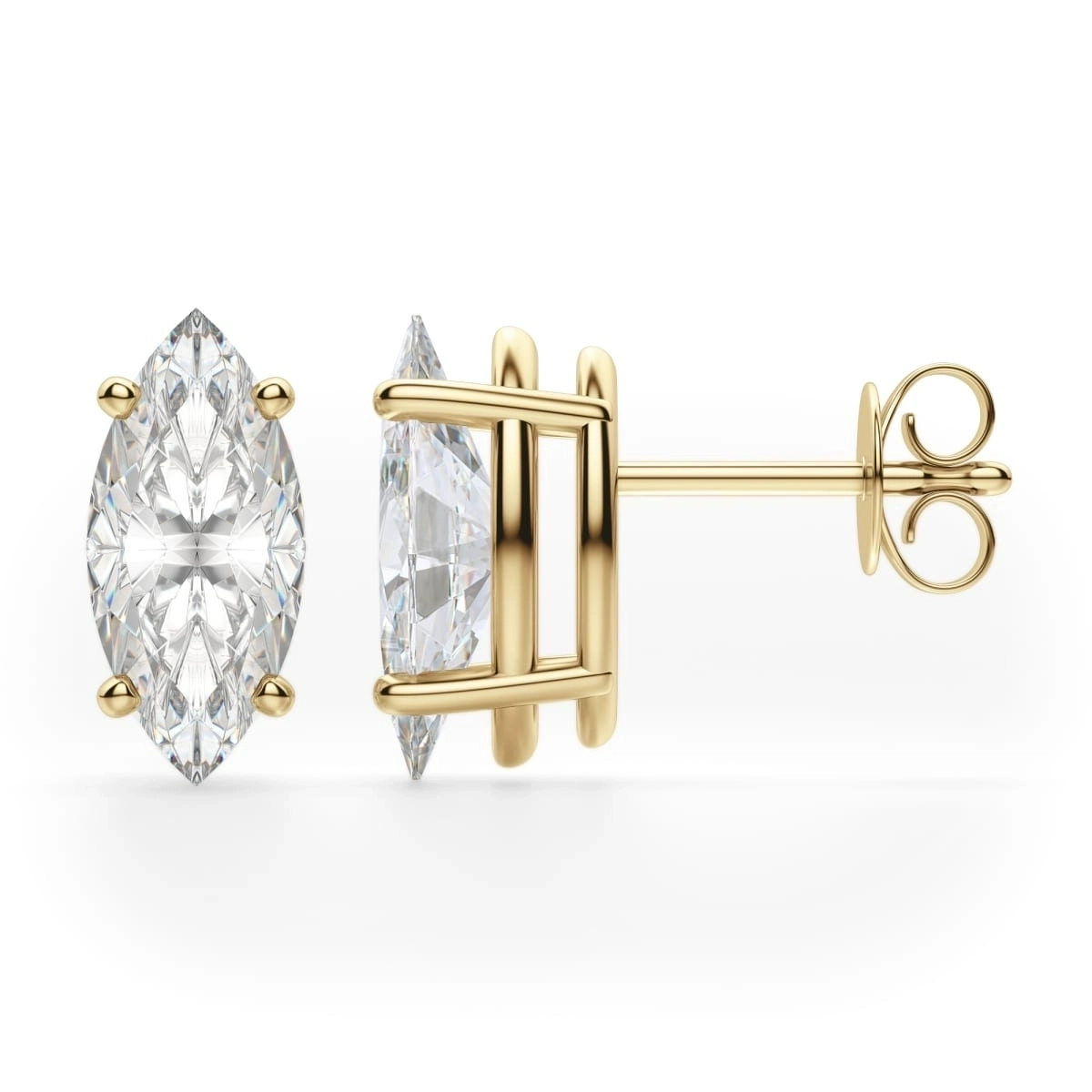
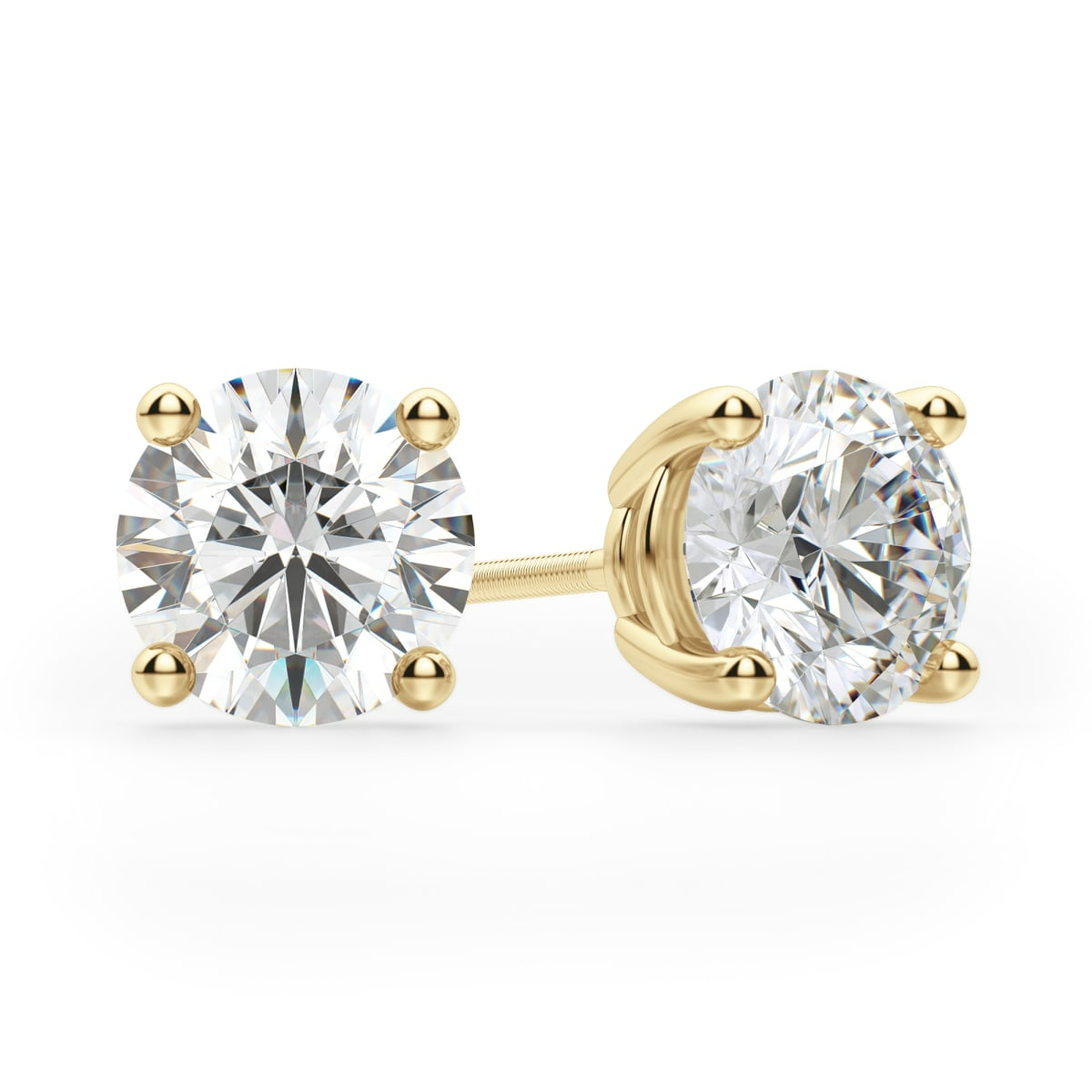
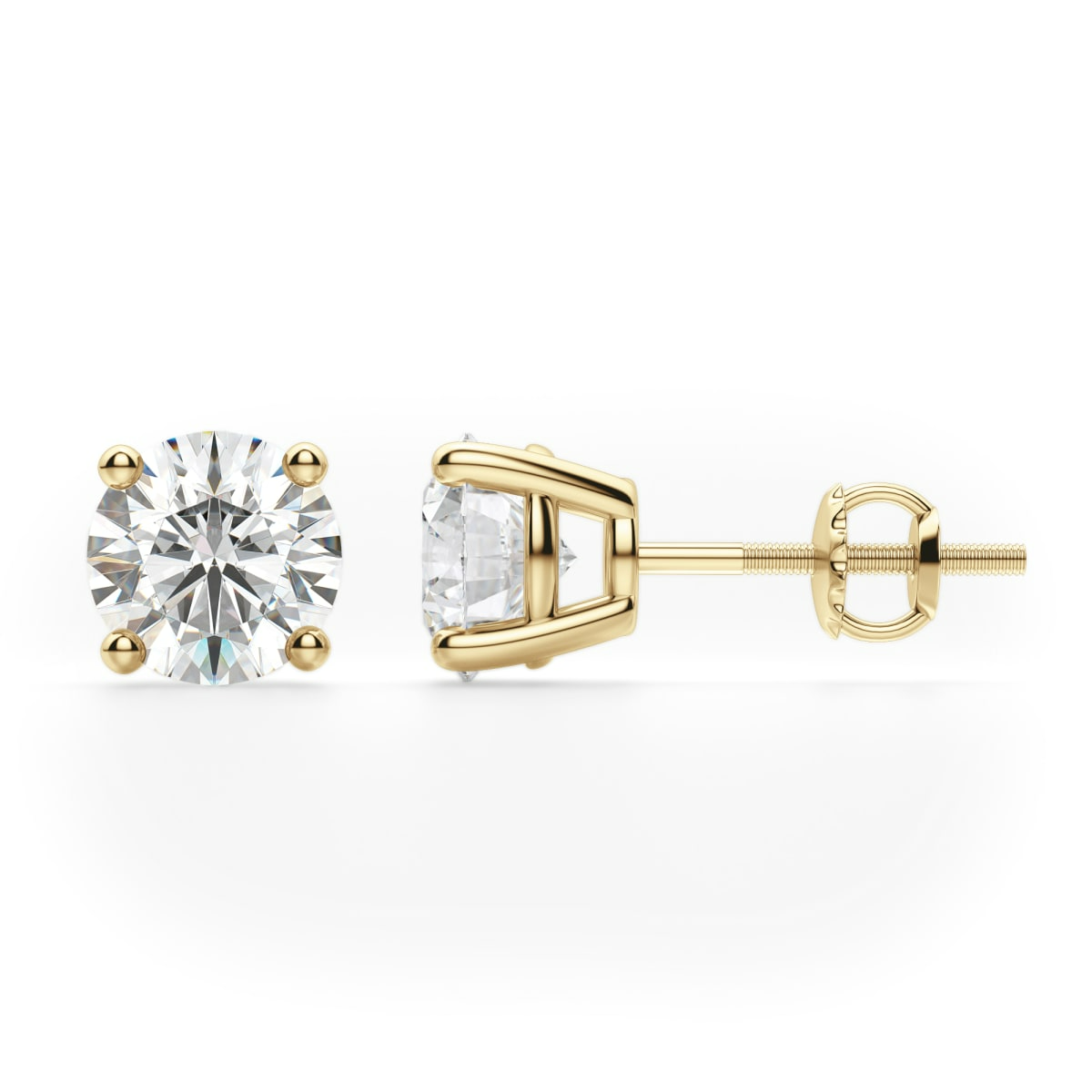
Most people buy their first diamond for an engagement ring, then discover how many other ways there are to wear one. A pair of diamond studs earns a place in daily rotation faster than almost anything else in a jewelry box, and a diamond necklace or bracelet works just as well on its own as layered with pieces you already own.
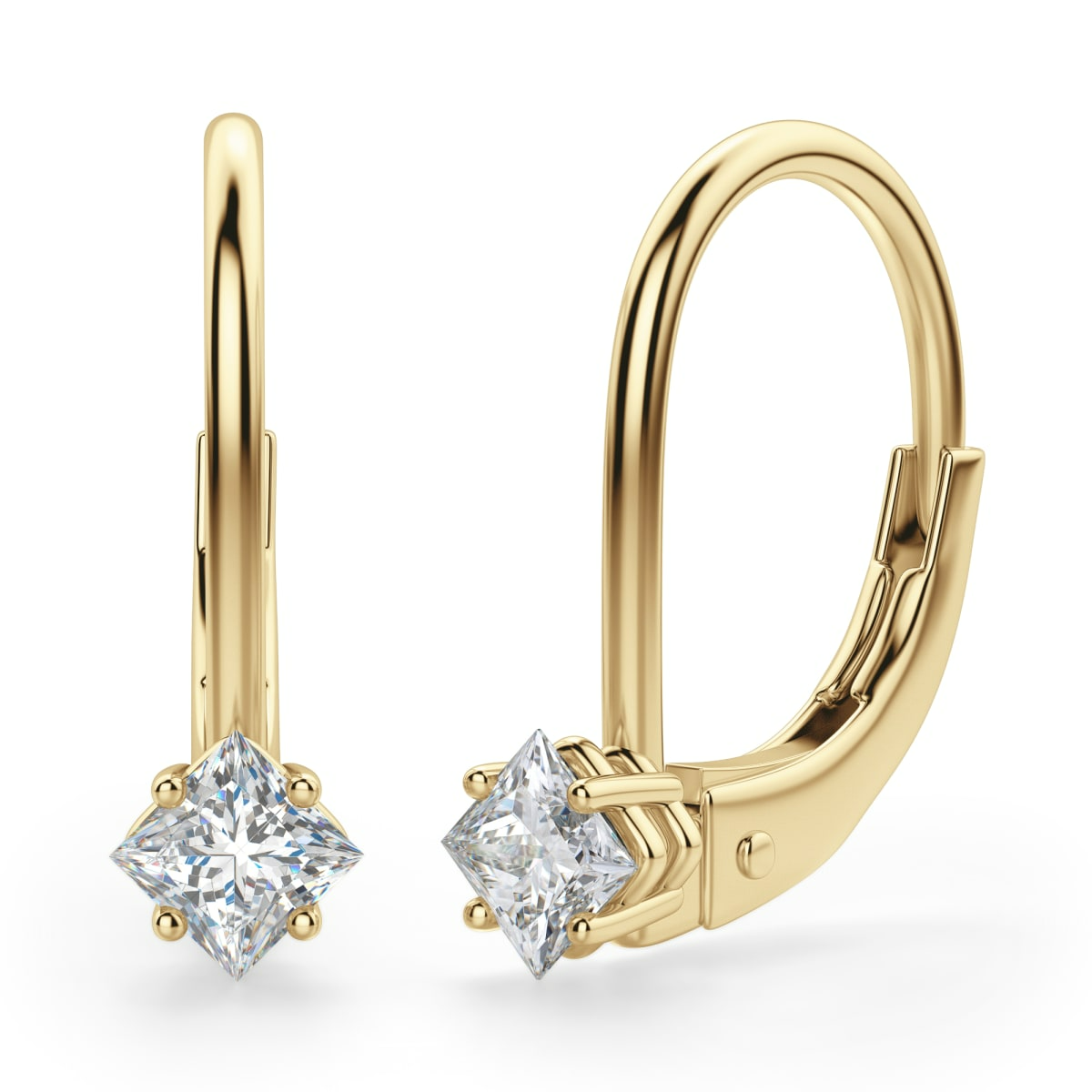
An engagement ring is usually the starting point, built around a single, carefully chosen centre stone. From there, most people build outward: a wedding band to match, earrings for actual daily wear, and a necklace or bracelet that doesn't need an occasion to justify itself. Each works differently depending on where it sits — a ring takes daily knocks a necklace never will, while earrings need a closure that holds up through months of putting them on and taking them off.
Meet the Collection
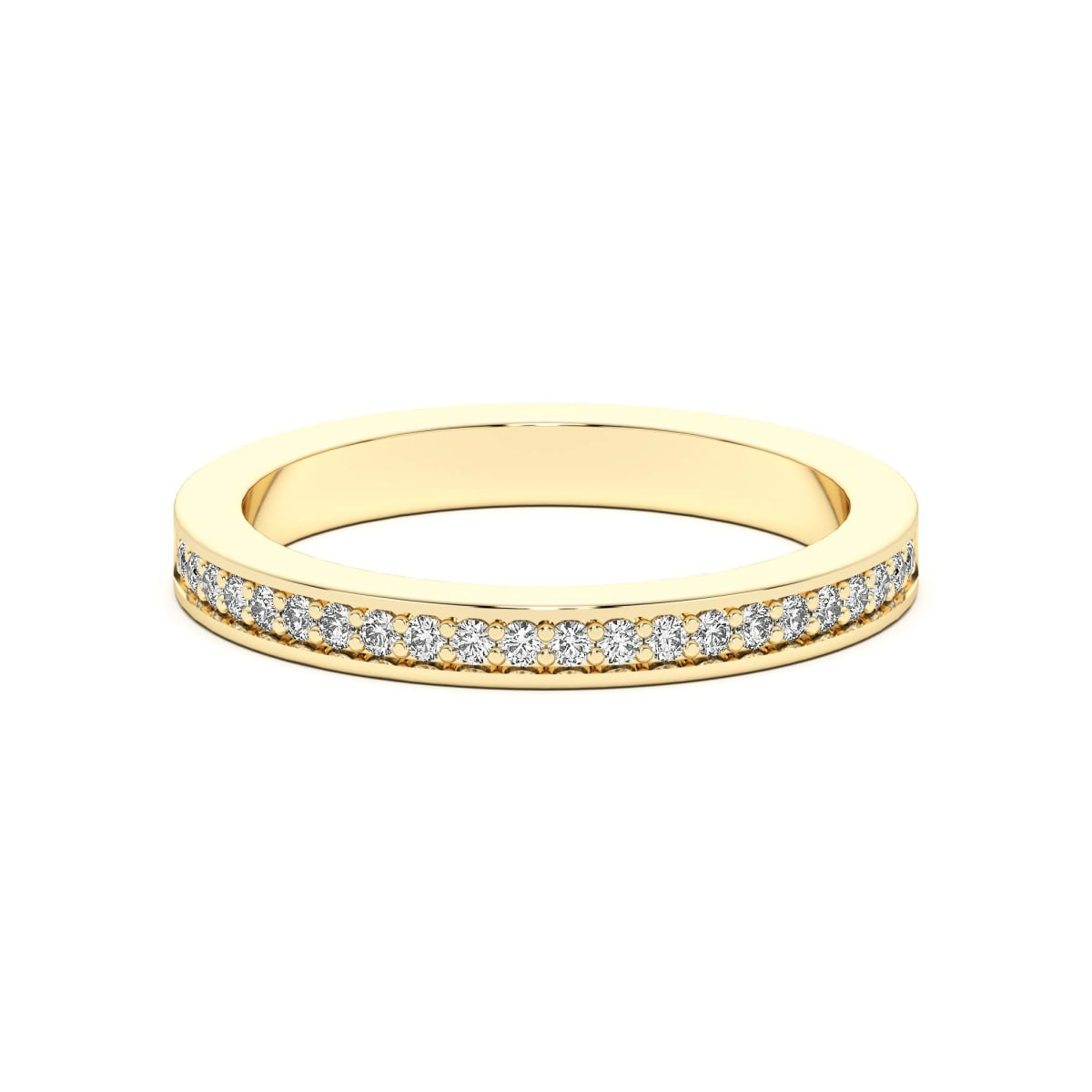
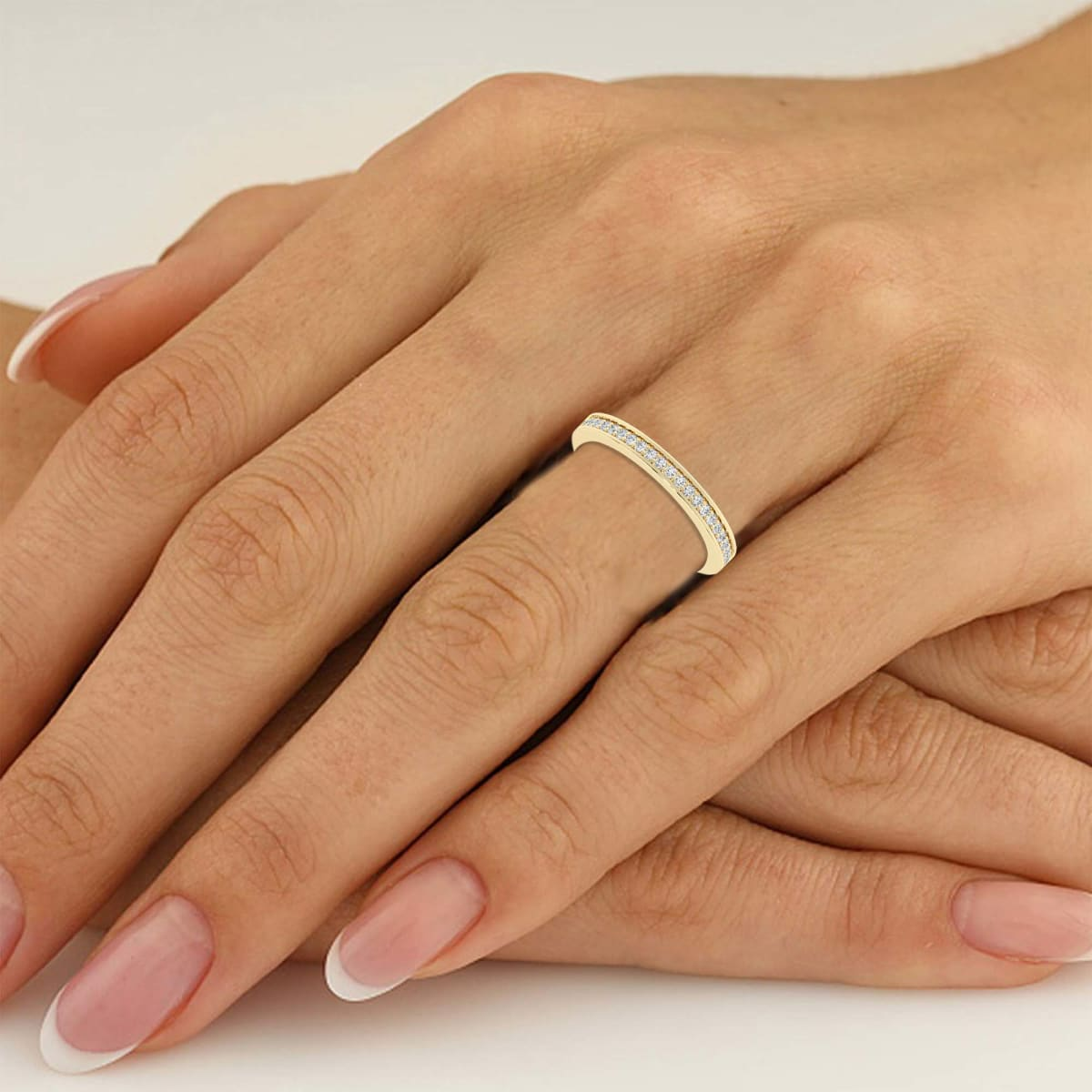
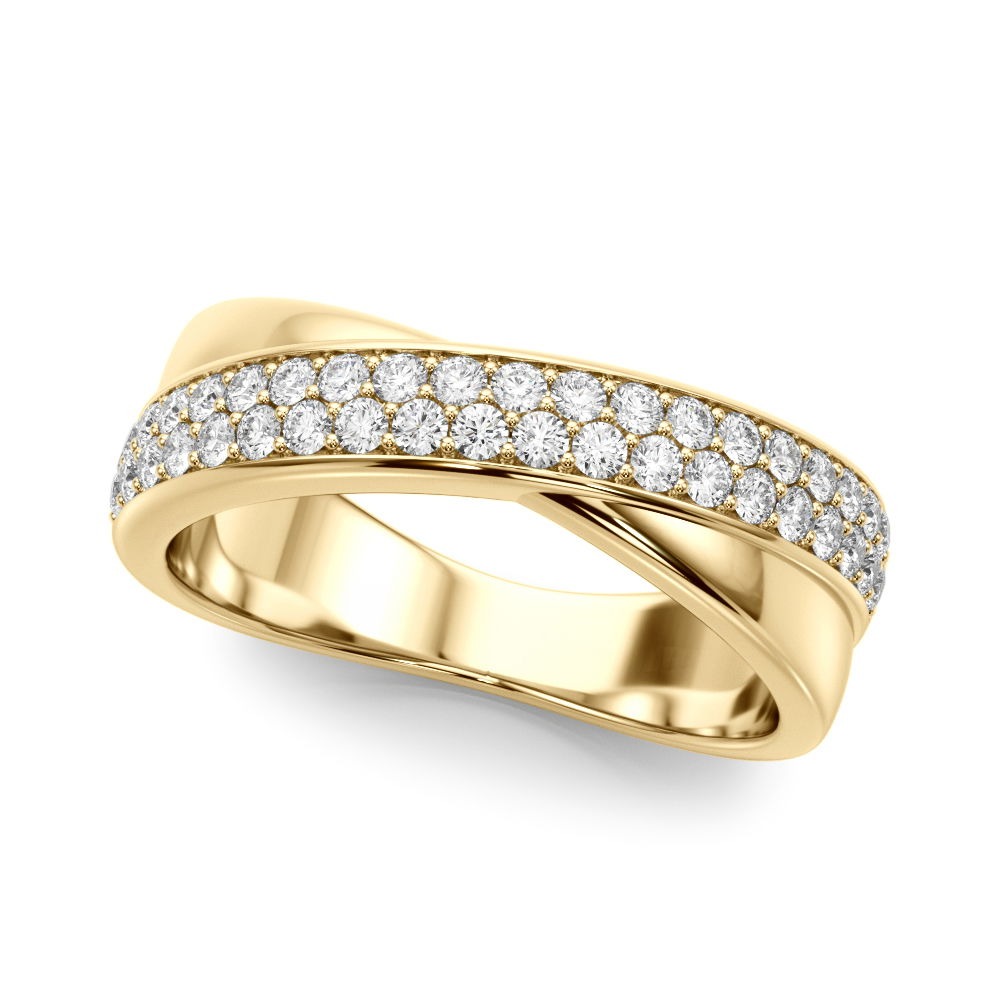
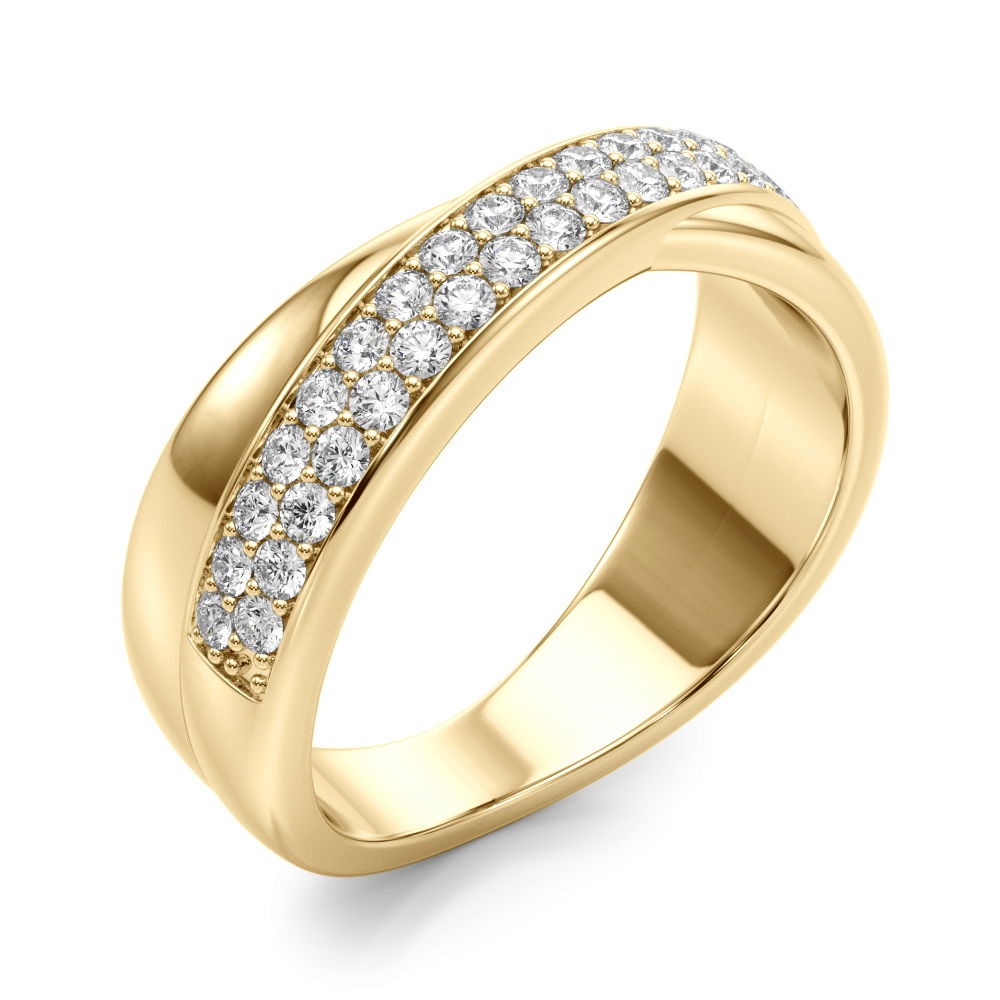
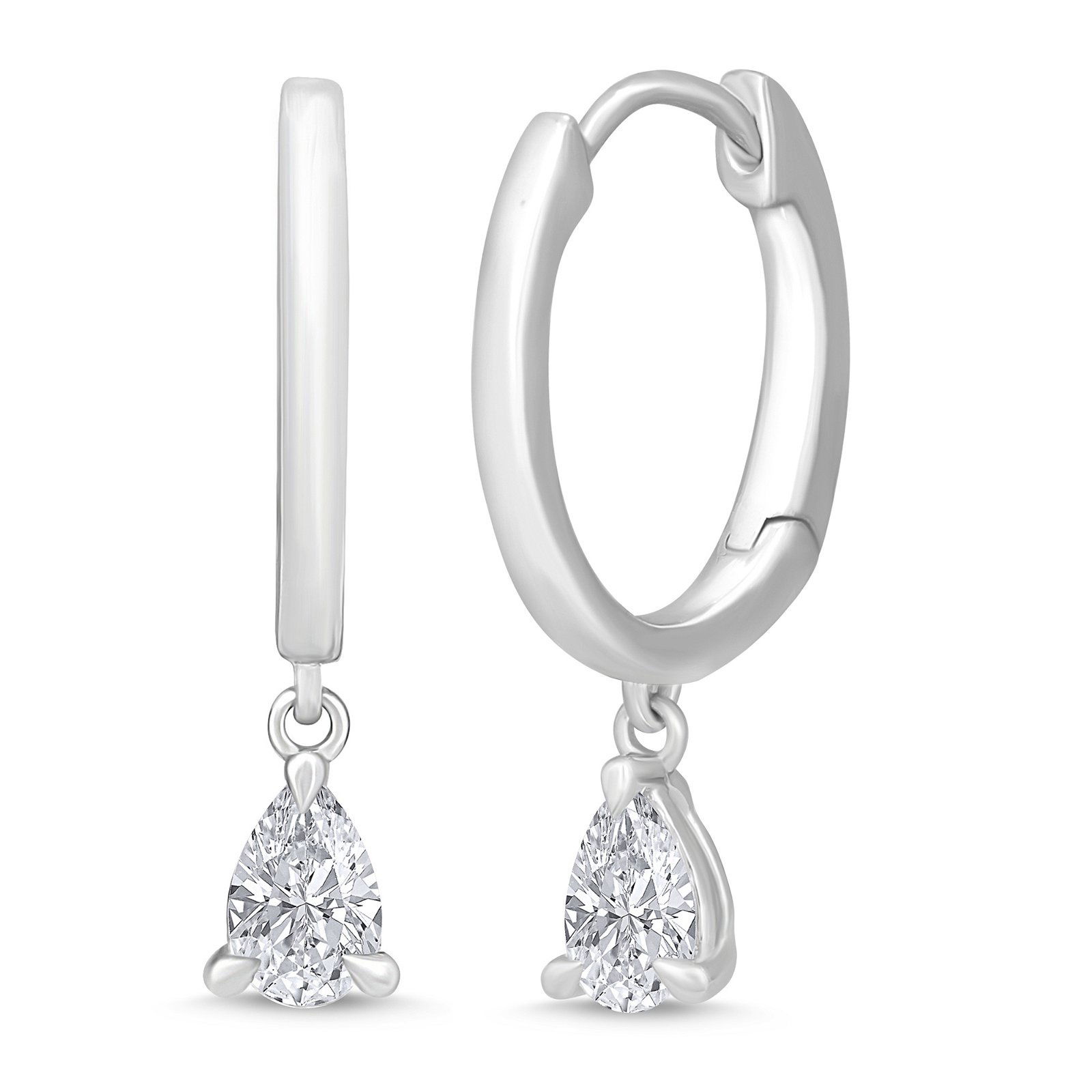
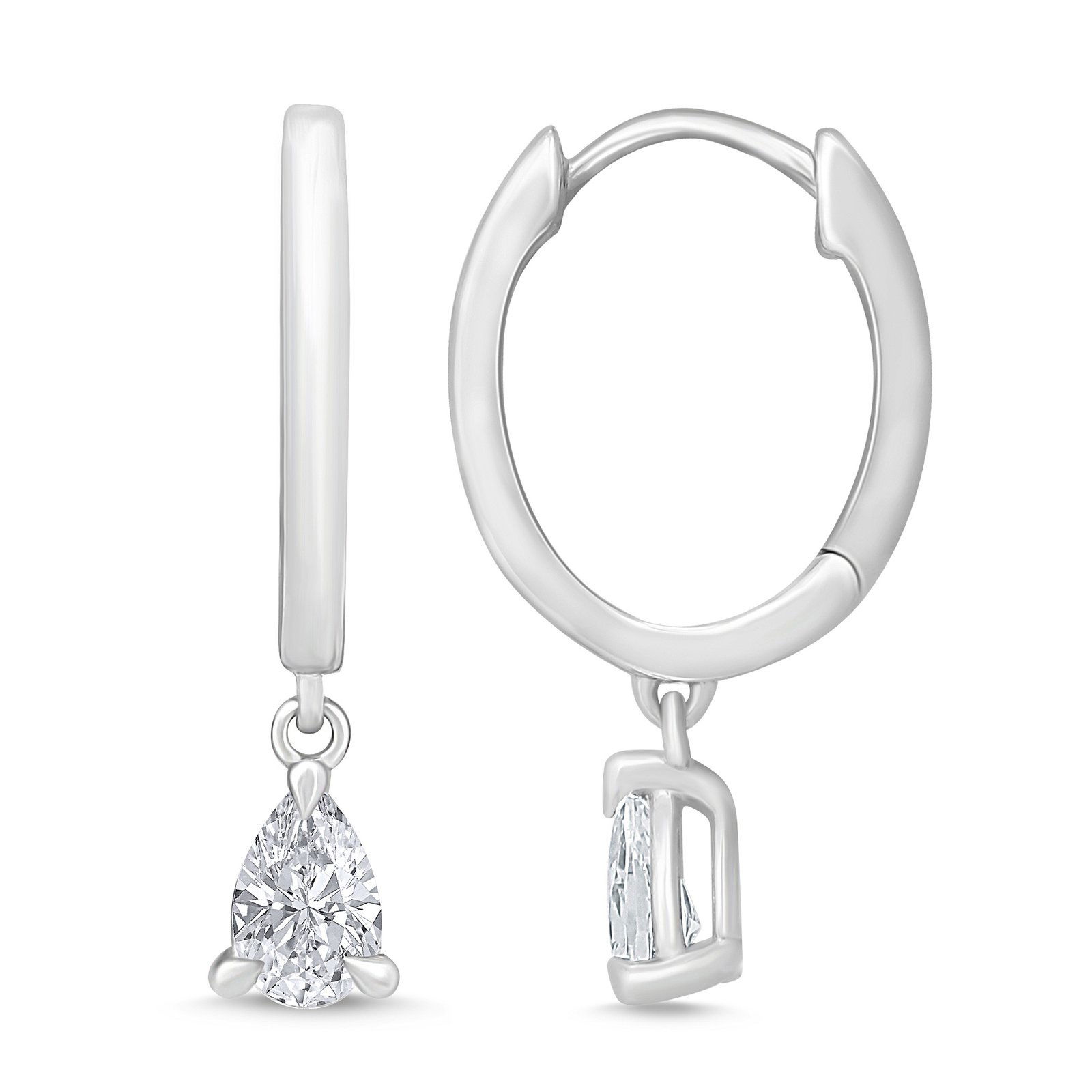
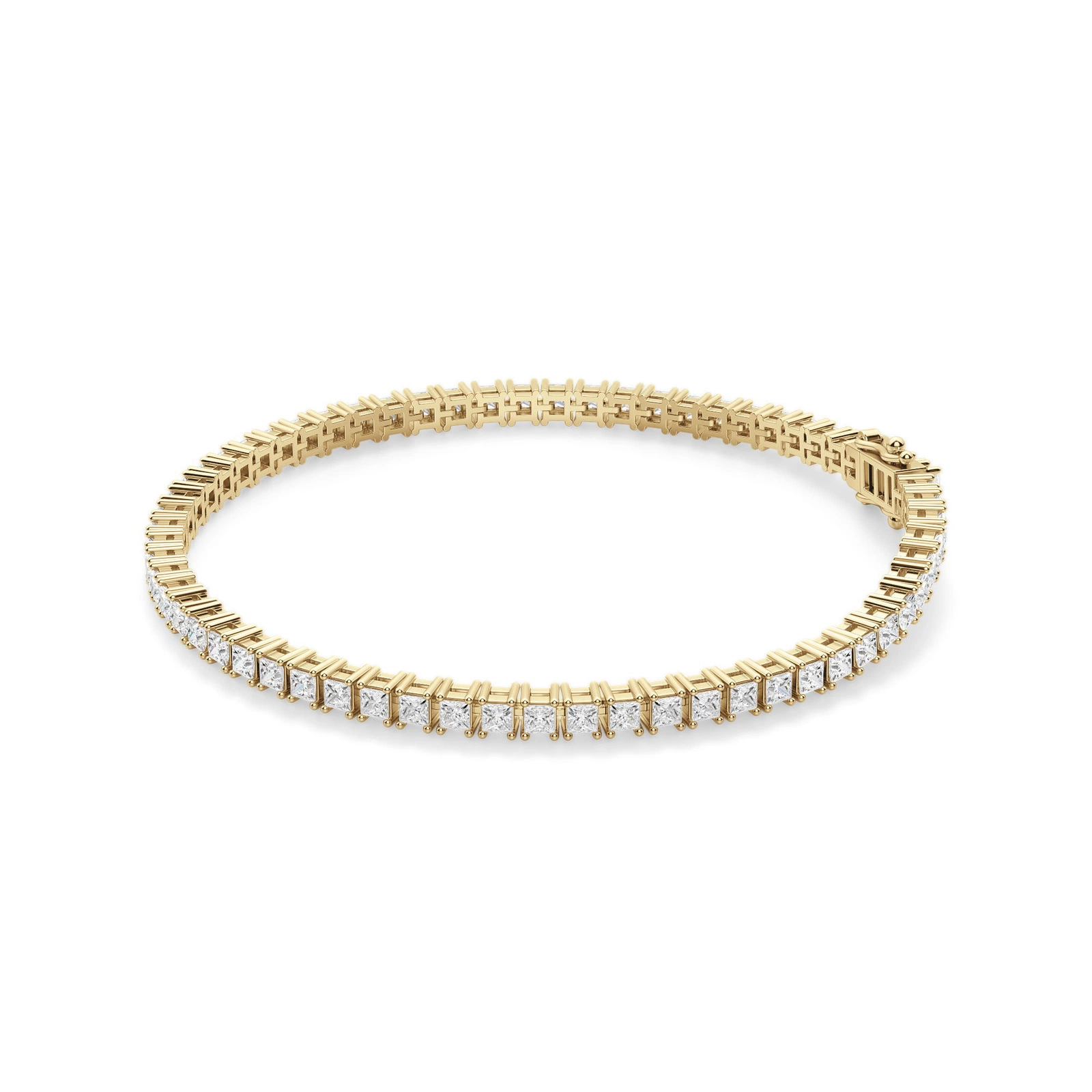
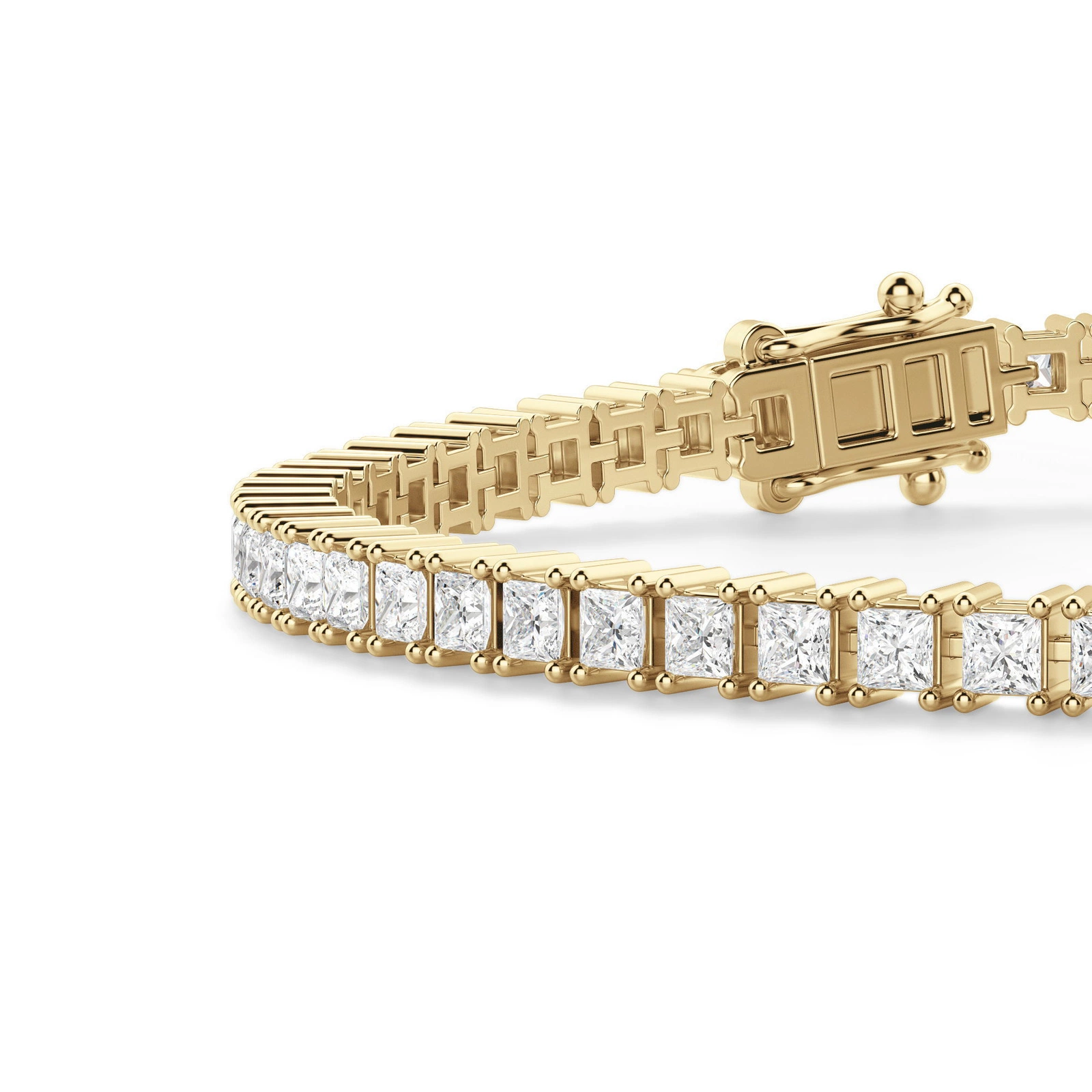
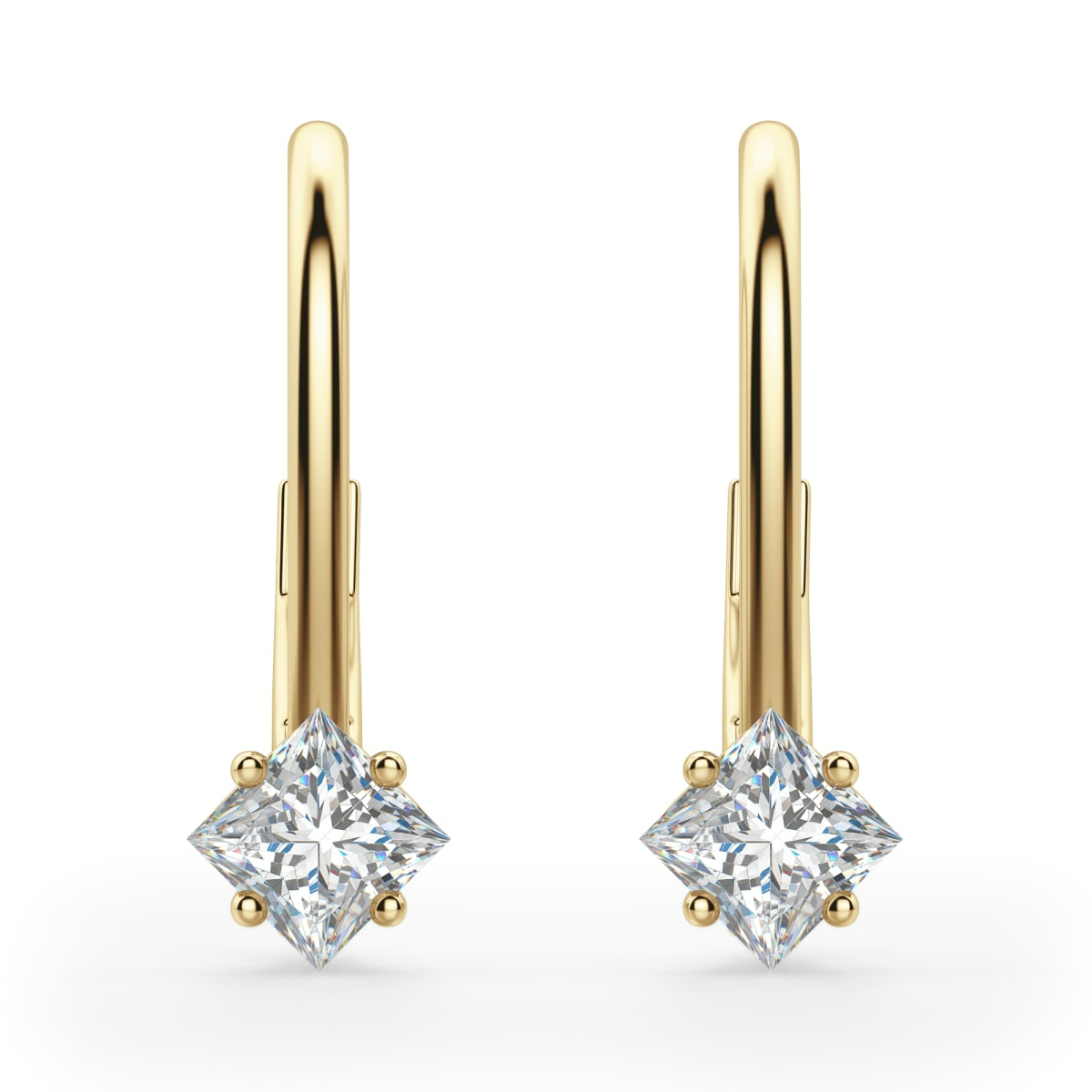
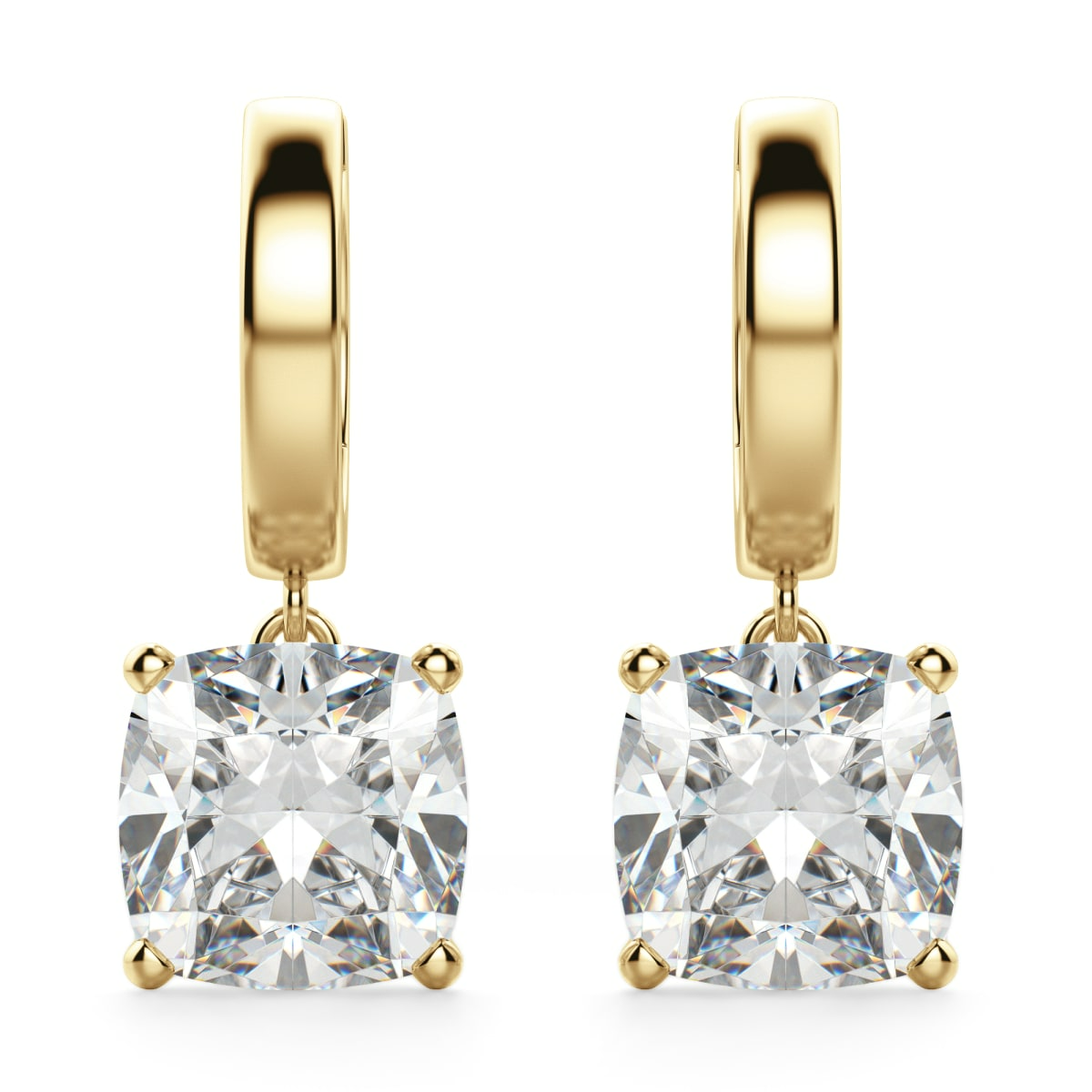
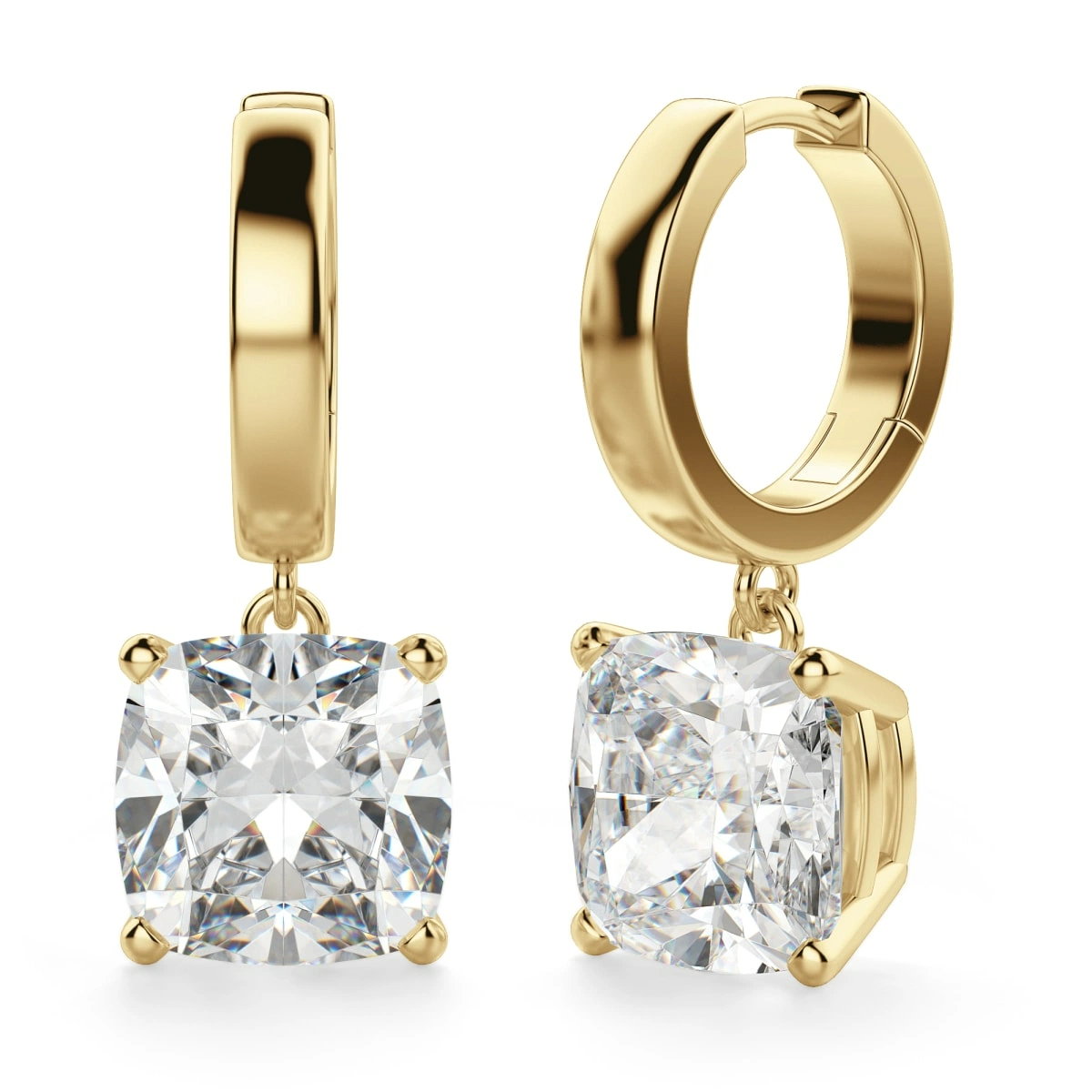
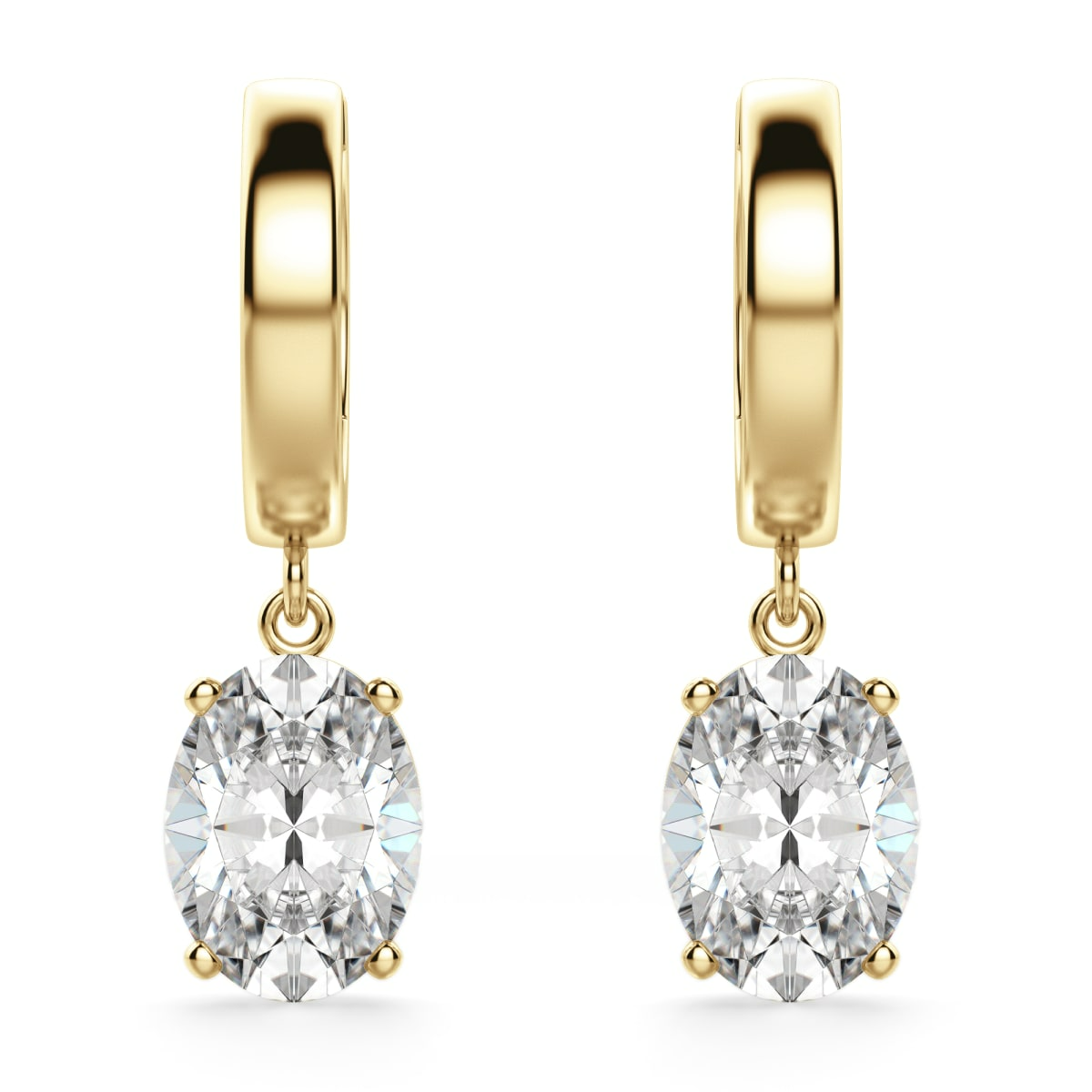
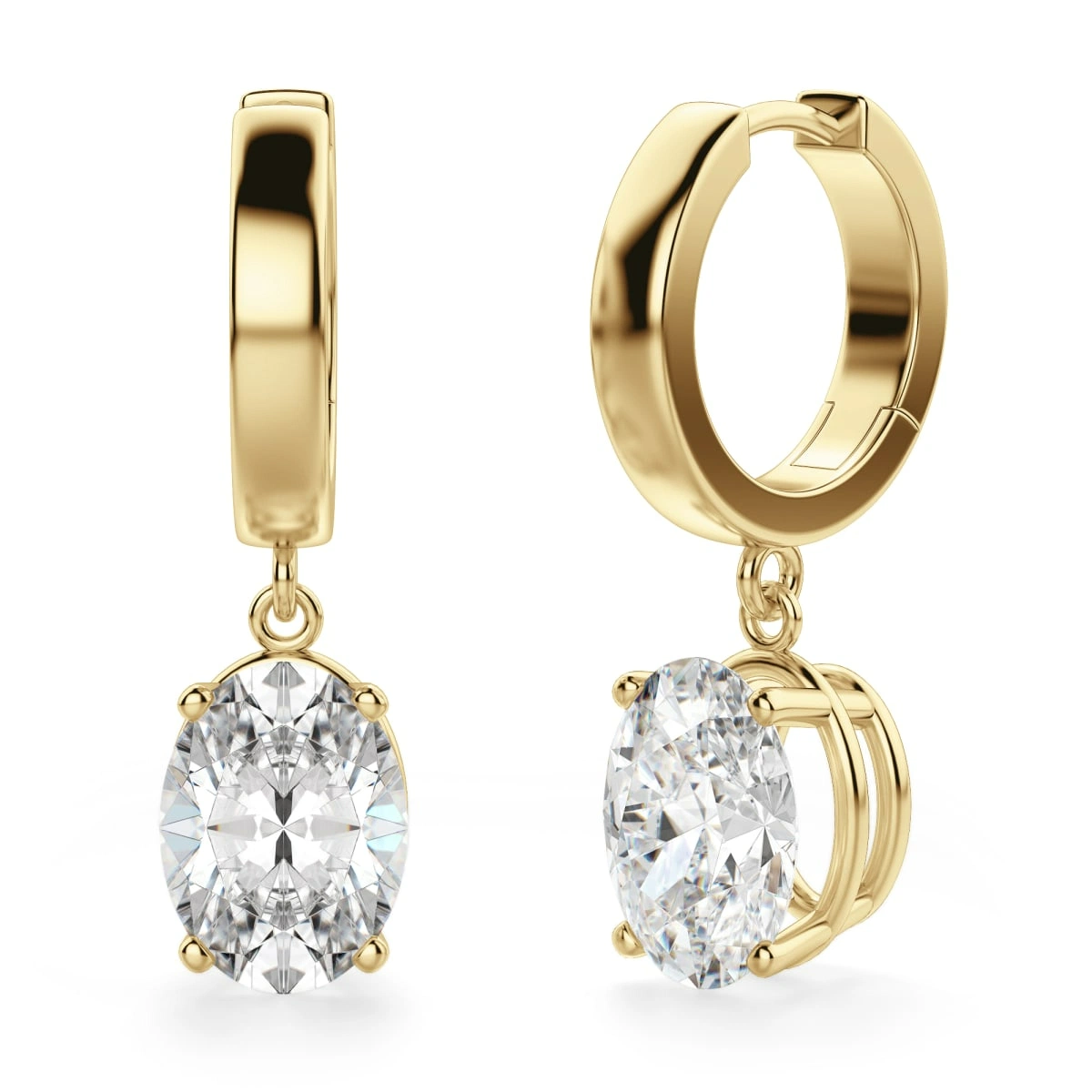
Rings make up the core of the collection: engagement rings built around a centre stone, wedding bands to go with them, and fashion rings for anyone who wants a piece with no ceremony attached. Earrings range from simple studs and close-fitting huggies to hoops and dangle or drop styles for more movement. Necklaces come as a single solitaire pendant, a personalised initial, or in more fashion-forward designs, while bracelets cover the widest range of all, from a classic tennis bracelet to bangles, cuffs and beyond.
Related Categories: Diamond Rings, Diamond Earrings, Diamond Necklaces, Diamond Bracelets
Choosing Your Metal
Across our diamond jewelry, you'll find platinum and 10K, 14K or 18K gold, in yellow, white and rose tones.
- Yellow gold jewelry carries a warm, traditional tone.
- White gold's rhodium plating gives it a brighter, whiter finish than platinum's naturally warmer grey-white tone, and unlike silver, it won't tarnish between wears.
- Rose gold jewelry has a warm pink hue from its copper content, and is naturally resistant to everyday wear.
- Platinum jewelry uses a naturally white metal that never needs rhodium plating, with a denser, heavier feel than gold.
For yellow, white and rose gold, 10K contains the most alloy metal for extra durability, 14K balances durability with colour, and 18K contains the most pure gold for the richest tone; platinum, by contrast, is usually offered at a single, naturally high purity.
Choosing Between Natural and Lab-Grown Diamonds
Whatever the piece, there's still one decision that applies across all of them: where the diamond comes from. Natural diamonds formed underground over billions of years, while lab-grown diamonds are created in a matter of weeks through a process that replicates those same conditions. Both are genuine diamonds, chemically and physically identical, and neither should be confused with simulants like cubic zirconia or moissanite — the choice comes down to personal preference, not quality.
Related: Lab-Grown vs. Mined Diamonds: An Honest Comparison
Diamond Quality and Certification
Diamond quality is measured by carat weight, colour, clarity, and cut grade. Colour is graded on a scale from colourless to visibly tinted, and our diamonds are typically graded F/G. Clarity indicates the presence of natural inclusions; ours are typically VVS/VS, meaning any inclusions are difficult to see without magnification. Larger centre stones in our collection are accompanied by an IGI certificate detailing these characteristics.
Related: What a Diamond Certificate Actually Means (and Why It Matters)