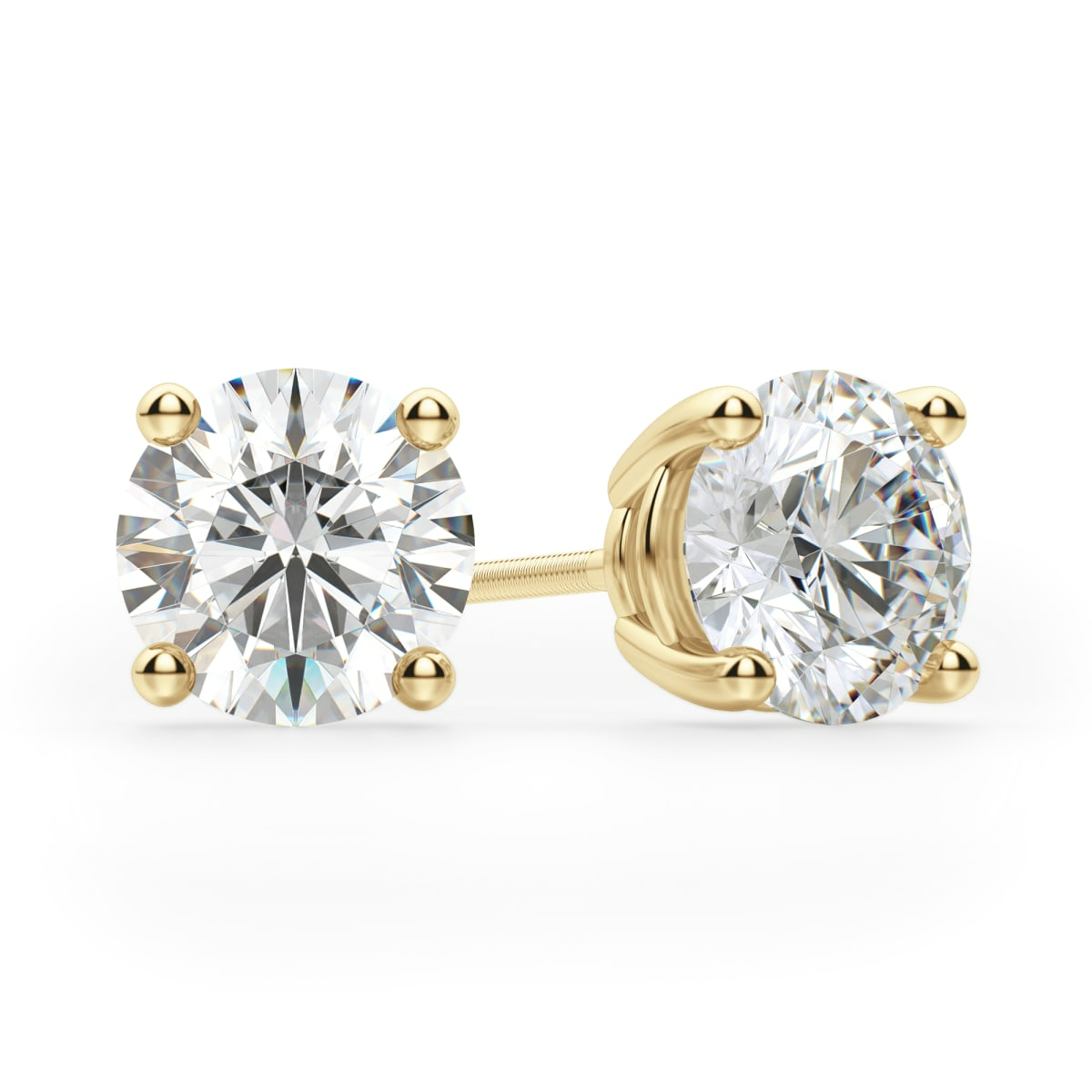
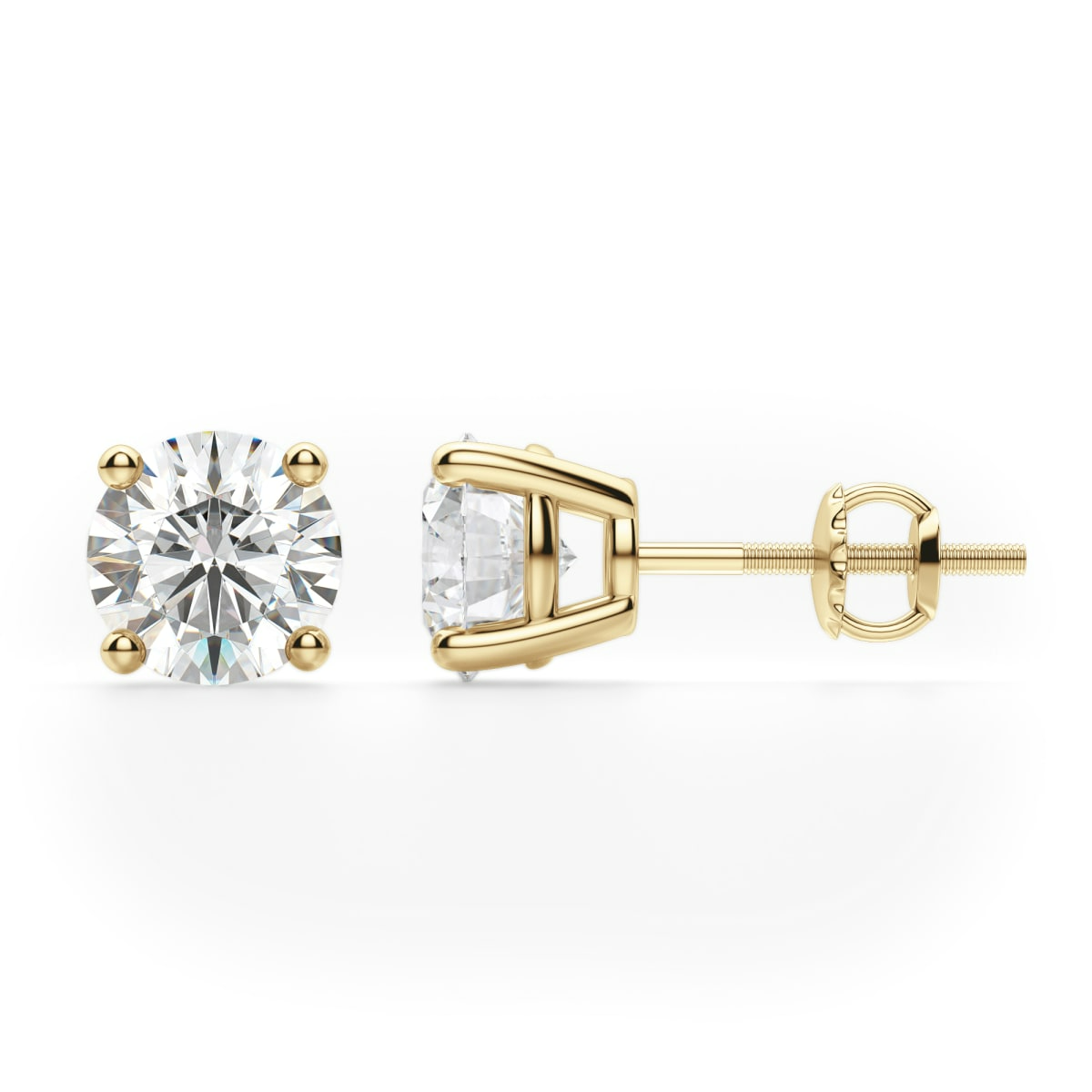
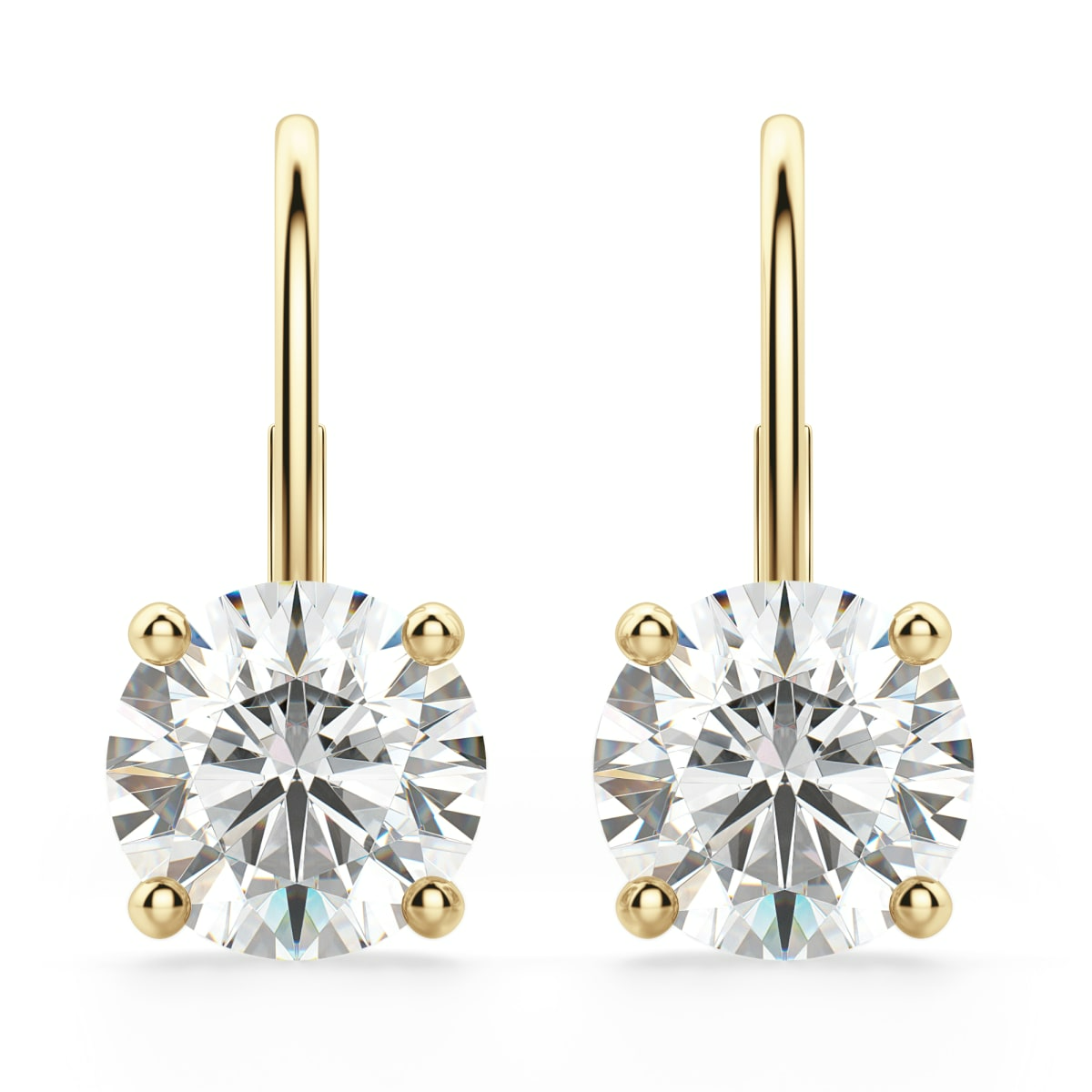
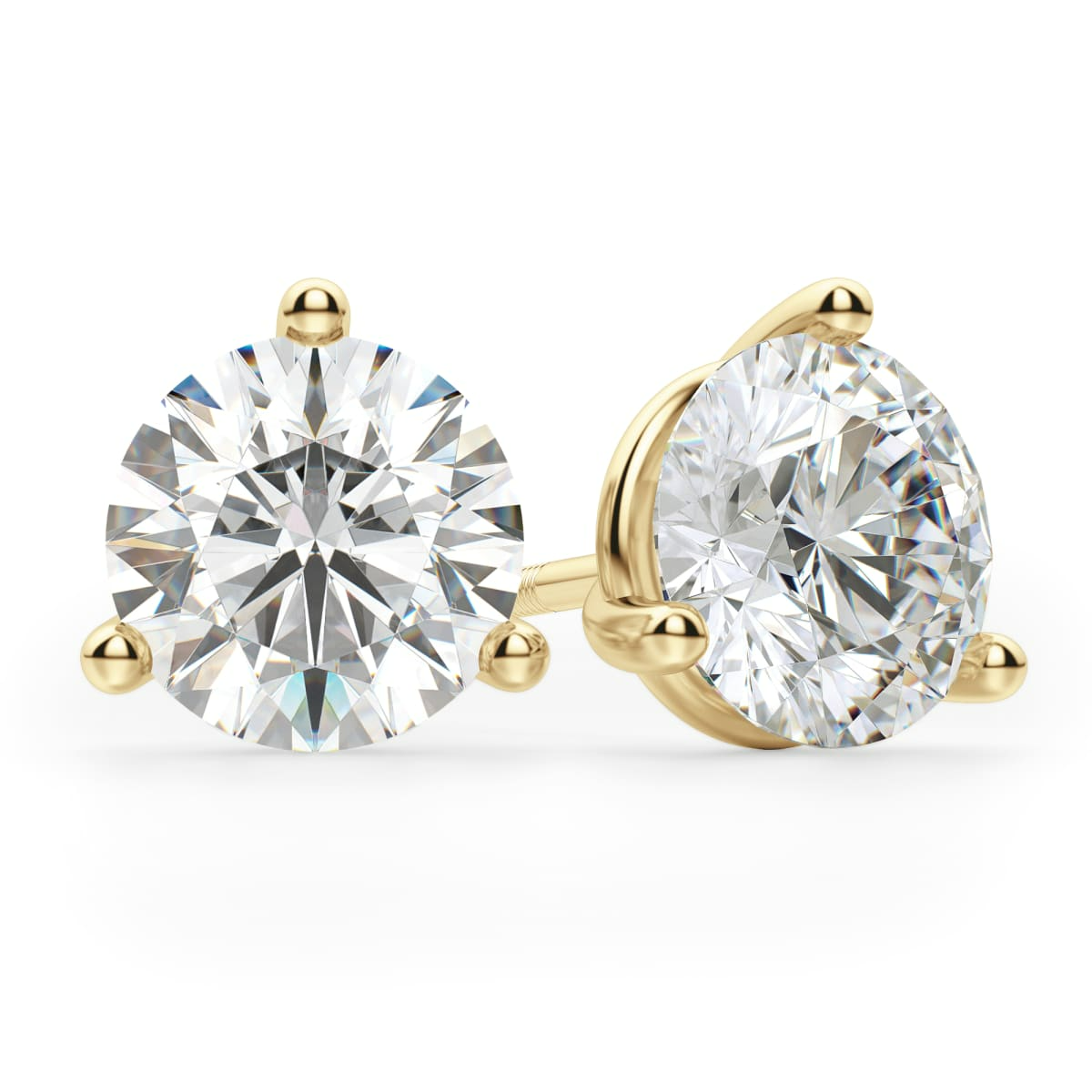
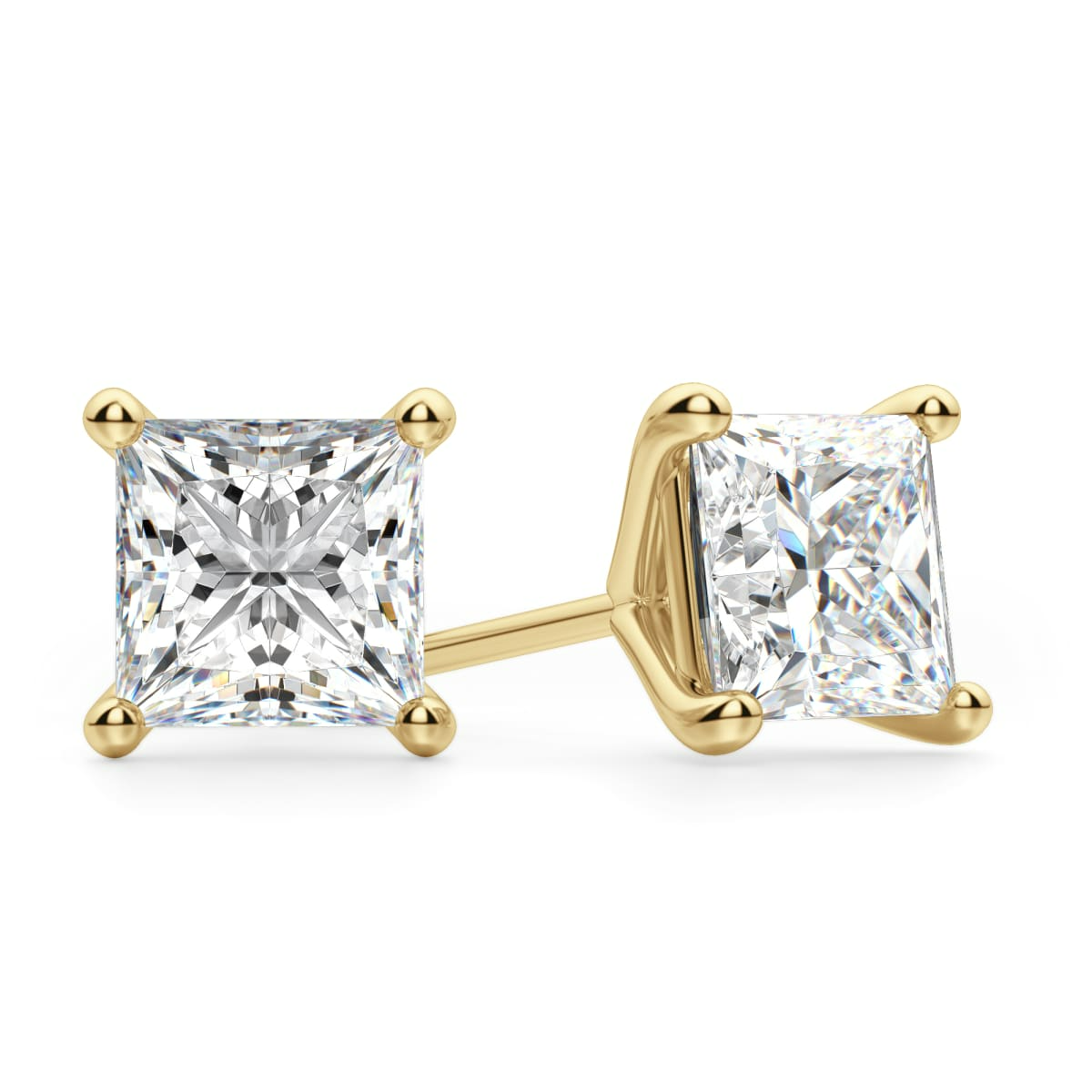
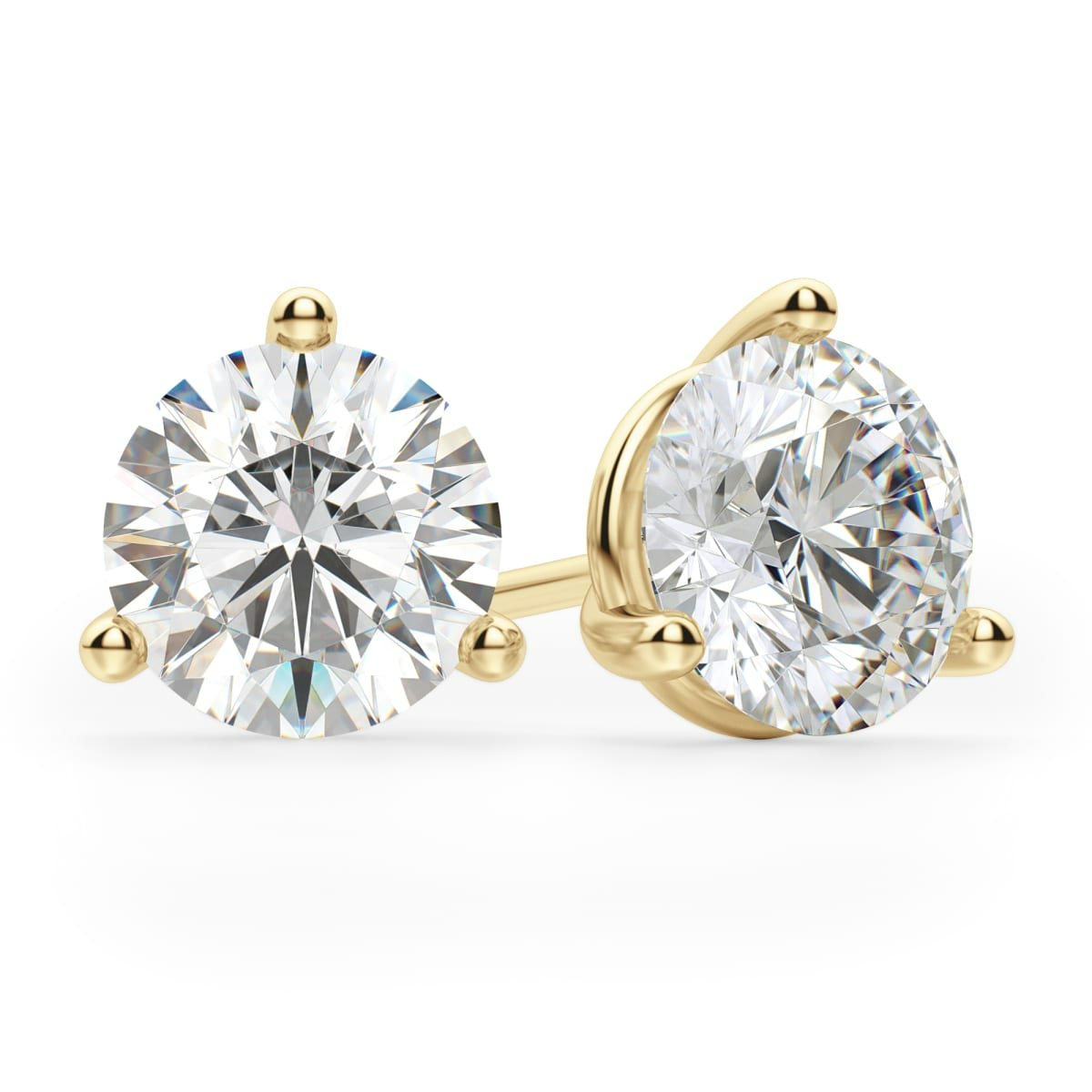
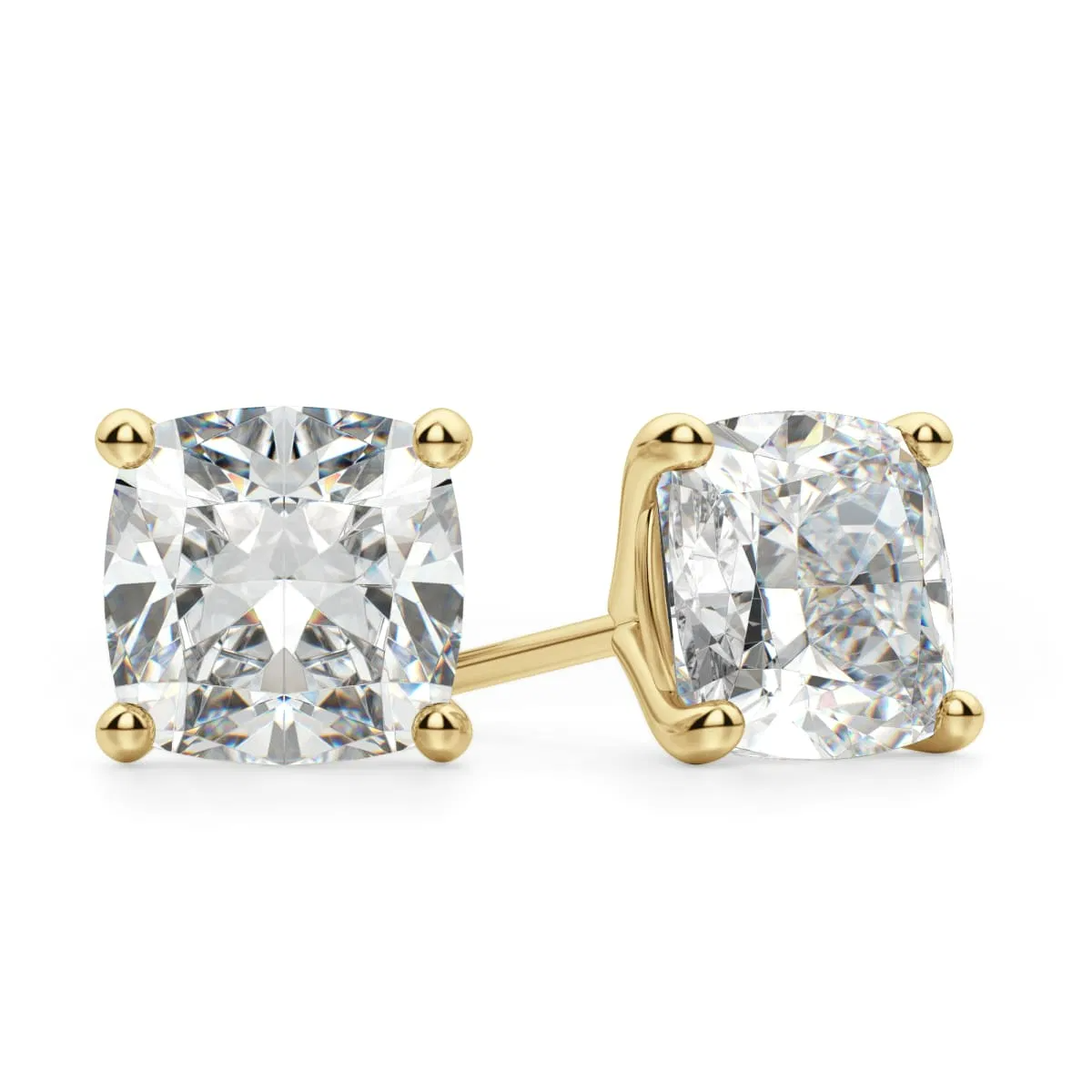
Gold jewelry has been worn for more than six thousand years. Diamond is the hardest known natural material, which is why it continues to be used in jewelry today. In the Omara catalog, you will find rings, necklaces, earrings and bracelets featuring gold, platinum, diamonds and gemstones all in one place. Below, you will learn how to choose them.
How to Choose Jewelry by Type
Once you have chosen the type of jewelry, the next step is selecting the metal. Comparing options makes the choice easier.
- 14-karat gold contains 58.5% pure gold. The remainder consists of metals that increase its hardness and durability for everyday wear. White gold is often plated with rhodium, so its surface may need to be renewed after several years.
- 950 platinum contains 95% pure platinum. It is naturally white, so it does not require surface treatment. It is also denser and heavier than gold. When scratched, the metal is merely displaced rather than losing any of its volume.
- Silver is softer than both gold and platinum. It tarnishes over time and therefore requires regular cleaning.
Natural or Lab-Grown Diamonds
Both natural and lab-grown diamonds are chemically composed of carbon with the same crystal structure. Both achieve a hardness of 10 on the Mohs scale. Natural diamonds formed in the Earth's mantle over millions to billions of years. For many customers, this geological origin is precisely what makes them choose natural diamonds. Lab-grown diamonds are created through a controlled process that takes weeks. Their origin and production process are always known and traceable. The decision depends on what matters most to you. The Diamond Origin filter on this page displays both options.
Related: Lab-Grown vs. Mined Diamonds: An Honest Comparison
Diamond Quality and Certification
Diamond quality is assessed using four criteria, known as the 4Cs: carat, cut, color and clarity. IGI is the International Gemological Institute, an independent laboratory that evaluates gemstones. An IGI certificate specifies the 4Cs characteristics of an individual stone. Jewelry with a certificate is marked with the "IGI Certificate" label in the catalog.
Related: What a Diamond Certificate Really Means (And Why It Matters)