
Is gold plated real gold?
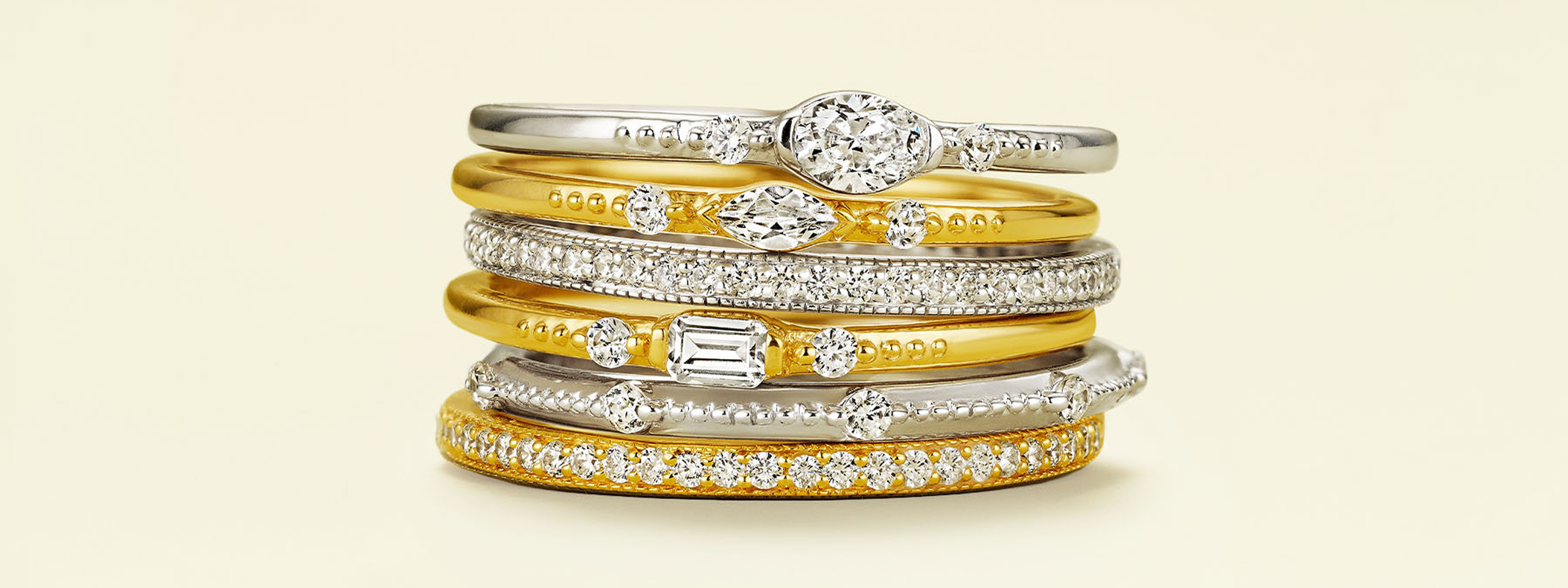
When shopping for jewelry, understanding the materials you are buying is crucial. A common question that arises is: Is gold plated real gold? The short answer is yes—the plating layer in gold plated jewelry does consist of real gold, but it is applied in a microscopic quantity.
This comprehensive guide examines the distinct differences between gold plated and solid gold jewelry to help you choose the right piece for your lifestyle and needs.
What Does "Gold Plated" Mean?
Gold plating refers to the process of applying a thin layer of gold over a base metal, such as brass, copper, or nickel. Think of it as a golden shell—it is real gold, but it is incredibly thin.
- Thickness: The gold coating typically measures between 0.5 and 2.5 microns, which is a fraction of the thickness of a single strand of human hair.
- Purity: The gold used in the plating process generally ranges from 10K to 24K. However, 18K is the most commonly used purity because it offers an ideal balance of beautiful color and durability.
- Total Composition: Despite using real gold for the outer layer, this gold represents less than 1% of the item's total composition.
Gold Plated vs. Solid Gold
The primary distinction between gold plated and solid gold lies in their composition and construction. This fundamental difference directly impacts the piece's durability, appearance, and overall value. (Note: Fine jewelry retailers typically only carry solid gold jewelry.)
| Feature | Gold Plated Jewelry | Solid Gold Jewelry |
|---|---|---|
| Composition | Thin gold layer (0.5-2.5 microns) bonded to a base metal like brass, copper, or nickel. | Gold alloyed with other metals consistently throughout the entire piece. |
| Appearance | Initially bright and uniform, but fades over time. | Rich, warm luster that remains uniform over its lifetime. |
| Durability | Plating typically wears away in 6 months to 2 years. Base metal may tarnish. | Lasts for generations with proper care. Highly resistant to tarnishing. |
| Price & Value | Minimal precious metal value. Price reflects design/craftsmanship. Does not retain value. | Investment value. Price tracks with the gold market. Retains significant value. |
Detailed Breakdown
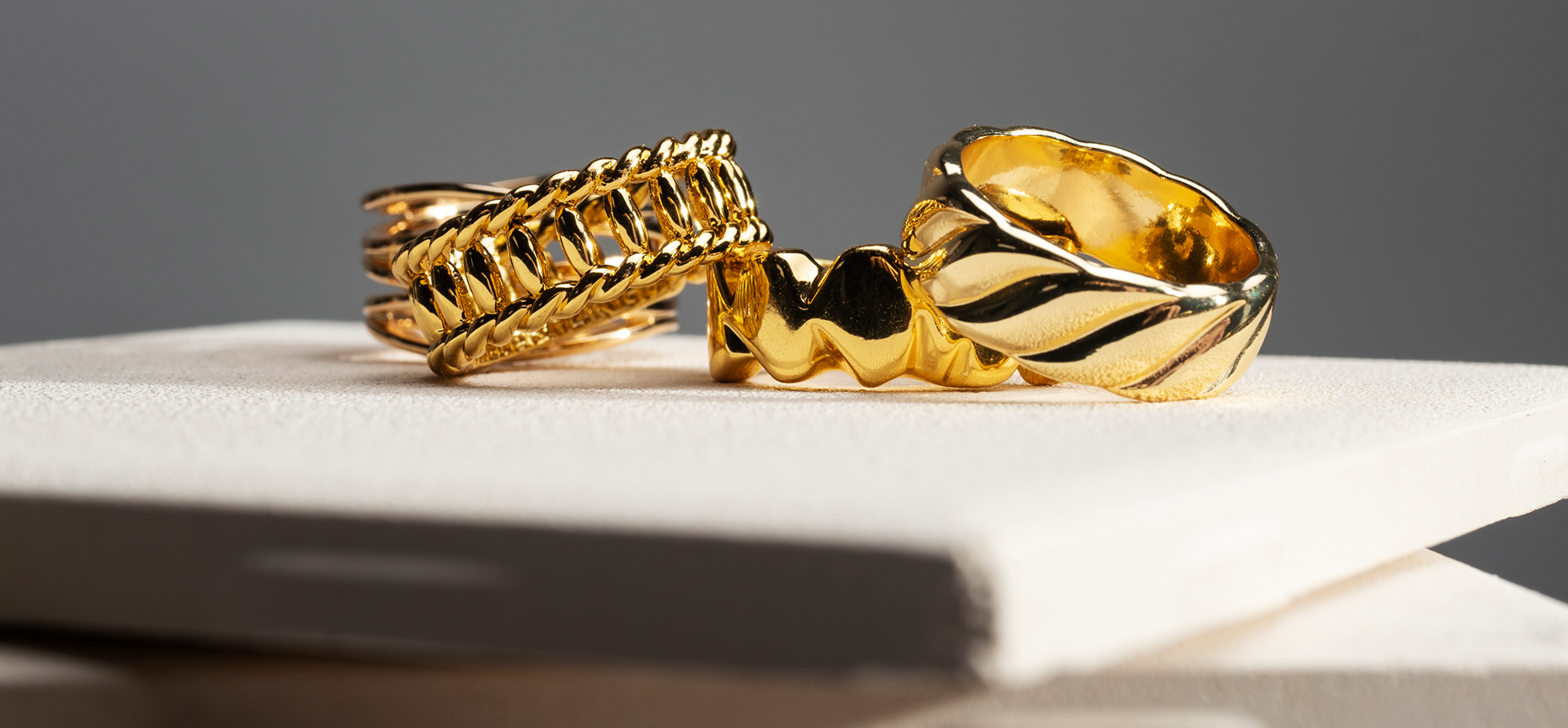
1. Composition
- Solid Gold: Crafted from gold alloyed with other metals throughout its entire composition. The karat marking indicates the proportion of pure gold. For example, 14K gold contains 58.3% pure gold, with the remaining percentage made up of other metals to enhance durability. Every part of the piece contains this exact proportion.
- Gold Plated: Features a base metal core covered with an ultra-thin layer of gold via electroplating. This surface treatment utilizes minimal precious metal content to create the appearance of solid gold.
2. Appearance
- Solid Gold: Maintains a characteristic, warm luster consistently throughout its lifetime. The depth of the color depends on the specific karat weight and alloy composition, with higher karat gold typically displaying a richer yellow tone.
- Gold Plated: Looks virtually identical to solid gold when brand new. Because the plating layer is so thin, the finish can initially appear brighter and sometimes even more uniform than solid gold—however, this advantage is strictly temporary.
3. Durability
- Solid Gold: Demonstrates superior longevity and can maintain its appearance for generations. While it can suffer scratches or dents, the metal composition remains consistent. This means it can be safely repaired and refinished without compromising the integrity of the piece.
- Gold Plated: Has significantly limited durability. The thin gold layer usually wears away within 6 months to 2 years, depending on how often it is worn and how well it is cared for. High-contact areas, like ring bands and bracelet clasps, will show wear first and eventually reveal the base metal underneath.
4. Price
- Solid Gold: Commands a higher price point—typically ranging from $500 to several thousand dollars—due to its substantial precious metal content. Pricing directly correlates with the item's weight, karat, and the current market value of gold.
- Gold Plated: Offers a highly accessible price point, usually ranging from $20 to $200 for comparable designs. This cost reduction is due to the minimal gold usage. The price reflects manufacturing costs and design complexity rather than the raw materials.
Cleaning & Care Guidelines
Proper maintenance will extend the life of any piece of jewelry, but the methods differ greatly depending on the material.
Solid Gold Care:
- Requires straightforward maintenance.
- Can be cleaned regularly with mild soap and warm water.
- Safe for use in ultrasonic cleaners and professional polishing.
- Can withstand most commercial jewelry cleaning solutions.
- Should be stored in soft cloth pouches or lined jewelry boxes.
Gold Plated Care:
- Demands highly careful handling.
- Should only be cleaned gently using a soft microfiber cloth.
- Avoid harsh chemicals and commercial jewelry cleaners, which can strip the plating.
- Must be stored separately from other pieces to prevent scratching.
How to Tell the Difference Between Gold and Gold Plated
If you are unsure whether a piece is solid gold or gold plated, you can run through these five checks:
- Check the Markings: Look closely at the stamps on the jewelry. Solid gold pieces will feature stamps like "14K" or "18K" to indicate purity. Gold plated jewelry will usually display marks like "GP" (Gold Plated) or "GEP" (Gold Electroplated). A complete lack of markings is often a red flag.
- Test the Weight: Gold is a naturally dense, heavy metal. Pick up the piece in question; solid gold will feel noticeably heavier than a gold plated item of the exact same size, which relies on lighter base metals.
- Inspect for Wear: Examine high-contact areas, especially on rings and bracelets. Gold plated jewelry will often show different colors where it has been rubbed the most, revealing the base metal. Solid gold remains the exact same color all the way through, even if deeply scratched.
- The Magnet Test: Hold a strong magnet to the jewelry. Solid gold is not magnetic and will not stick. If the jewelry is attracted to the magnet, it is highly likely to be gold plated over a magnetic base metal like steel or nickel.
- Consult a Professional: For the most accurate and definitive results, take the piece to a professional jeweler. They have the specialized tools and expertise required to tell you exactly what your jewelry is made of, often for free or a very small fee.
How to Tell the Difference: FAQ
- Plating thickness (thicker plating lasts longer)
- Wear frequency and conditions
- Care routine and storage practices
- Environmental exposure
- Base metal quality
- Swimming
- Showering
- Exercising
- Applying lotions or perfumes
- Design and craftsmanship
- Brand reputation
- Aesthetic appeal
- Decorative value
- Areas with high moisture exposure
- Individuals with particularly acidic skin chemistry
- Pieces with thinner or worn plating
- Items with high copper content in the base metal
- The plating can wear away, exposing potentially reactive base metals.
- Common base metals like nickel often trigger allergic reactions.
- The extremely thin plating may allow allergens to interact with sensitive skin.
- Physical abrasion from daily wear
- Chemical exposure to skin oils and environmental factors
- Gradual degradation of the plating bond
- Impact and pressure on the plated surface
Next article

How to Buy an Engagement Ring in 5 Simple Steps
From setting a budget to selecting the right setting style, metal, and center stone, here’s how to pick your perfect engagement ring in five simple steps.