
How to Buy an Engagement Ring in 5 Simple Steps
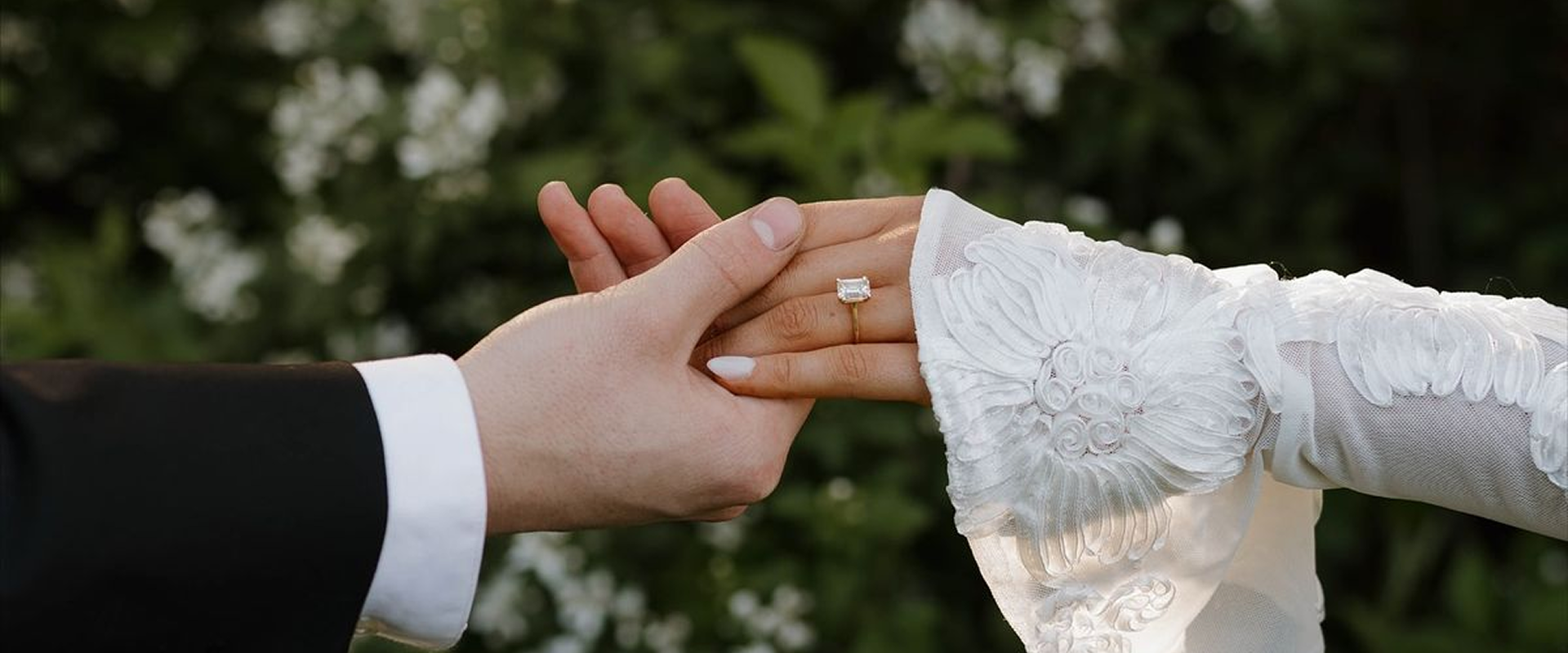
Buying an engagement ring is a massive milestone, and it is completely normal to feel a mix of excitement and pressure. The good news? Choosing the perfect ring doesn't have to be overwhelming.
This step-by-step guide simplifies the process of buying an engagement ring, breaking it down into manageable decisions so you can feel confident, informed, and ready for the big proposal.
1. Budget
Before you start looking at sparkle, look at your finances. While old-school marketing rules suggest spending "three months’ salary," the reality is that there is no set rule for how much an engagement ring should cost. Your budget should be a reflection of your partner's preferences and your current financial reality.
- Pro Tip: Determine what you can actually afford without compromising your other financial goals. Factor in your monthly take-home pay and upcoming expenses. Whether your budget is $2,000 or $20,000, setting a firm range prevents financial stress and helps you narrow down your options immediately.
- Consider Financing: Many jewelers offer financing plans to make the purchase more manageable, but only commit to what you can comfortably afford.
- Balance the Elements: Ring cost depends on the center stone size and quality, metal choice, and setting style. Decide which of these matters most to prioritize your spending.
- Find the Sweet Spot: The best approach to budgeting is finding a ring that perfectly balances size, quality, style, and affordability.
2. Setting
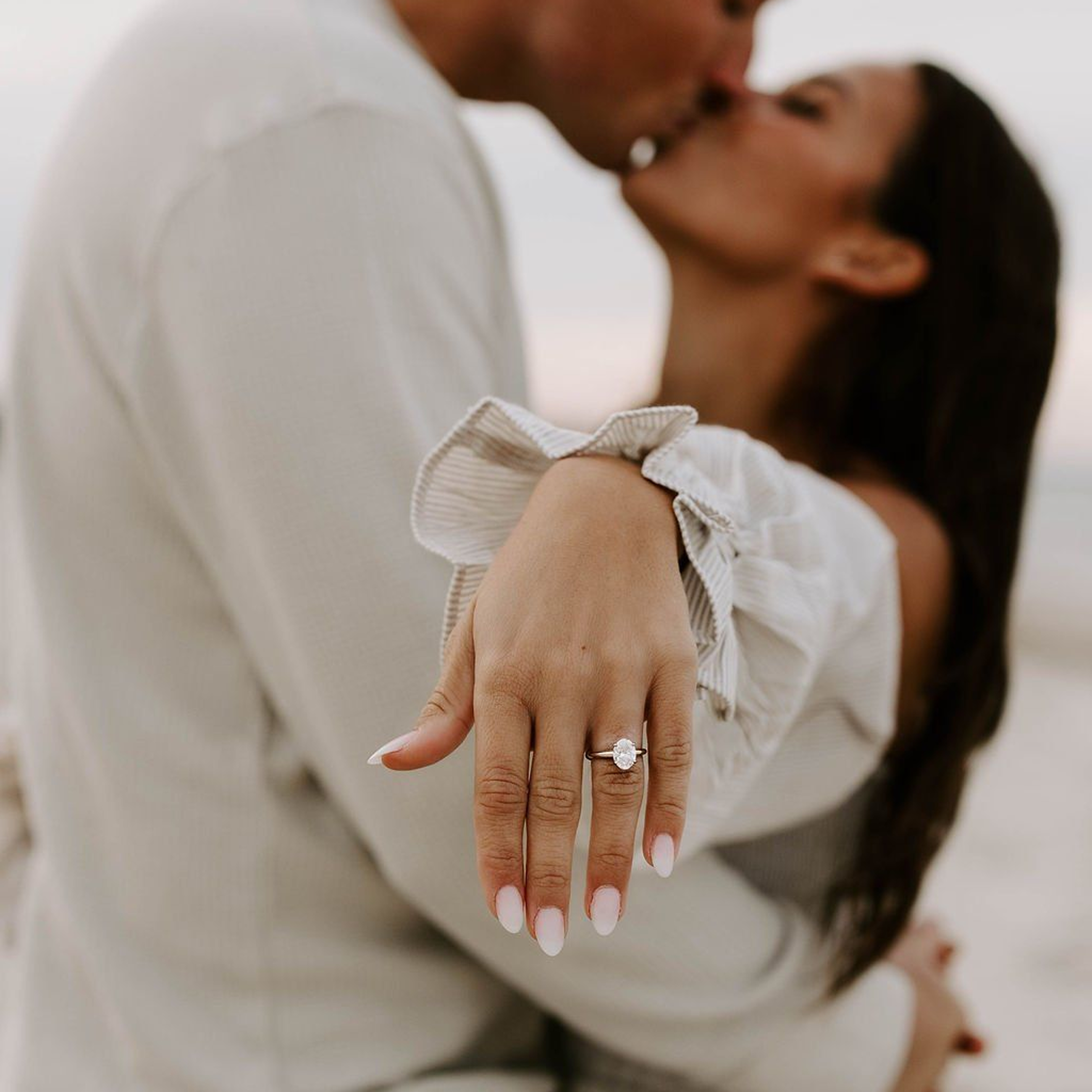
The setting includes all the design elements of the ring aside from the center stone—such as the band, prongs, and accent stones. It dictates the ring's overall style and secures the diamond.
When choosing a setting, heavily consider your partner's lifestyle. An active partner might need a low-profile ring, while someone who loves glamour might prefer maximum sparkle.
Popular Engagement Ring Settings
| Setting Style | Description | Best For |
|---|---|---|
| Solitaire |
A single stone as the focal point. | Minimalists who love a simple, timeless look. |
| Halo |
Center stone surrounded by smaller diamonds. | Adding extra sparkle and the illusion of a larger center stone. |
| Three-Stone |
Features a center stone flanked by two side stones. | A symbolic look, often representing the past, present, and future. |
| Pavé |
Band is encrusted with tiny accent diamonds. | Those who want continuous, brilliant shine along the band. |
| Bezel |
A sleek metal rim entirely wrapping and securing the stone. | Active lifestyles and sleek, modern tastes. |
Don't forget the ring size! If you are planning a surprise, borrow a ring they already wear on their ring finger or ask their close friends for help. OMARA offers a complimentary ring sizer and free resizing within the first year. However, be aware that resizing can be incredibly challenging for certain settings, particularly those with intricate metalwork or full eternity bands.
3. Metal Type
The metal you select impacts the ring's appearance, weight, cost, and overall durability. Each metal complements different styles and maintenance preferences.
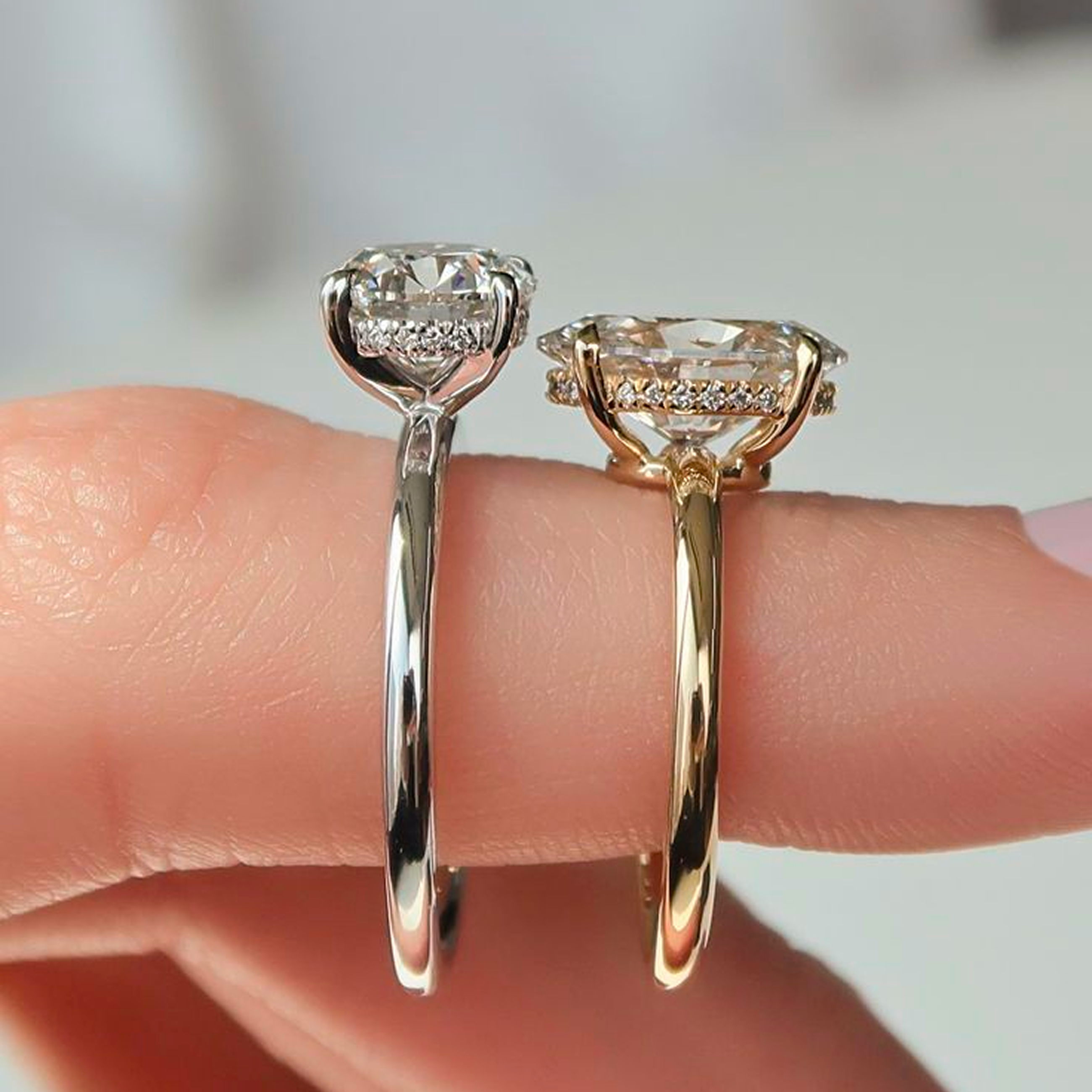
- Platinum: A rare, highly durable, silvery-white metal. It is hypoallergenic and requires very little maintenance, though it comes at a higher price point.
- White Gold: Offers a bright, silvery finish similar to platinum but is more affordable. It is plated with rhodium and may require occasional re-plating to keep its color.
- Yellow Gold: The classic choice. It is low-maintenance, retains its rich, warm hue over time, and is ideal for everyday wear.
- Rose Gold: A stylish, blush-toned alloy mixed with copper. It is highly durable, affordable, and requires less upkeep than white gold.
Read more information about metal types and how to choose the right one here.
4. Center Stone
The center stone is the star of the show. Here is how to navigate your options:
Diamond vs. Gemstone
Diamonds are the traditional, classic choice, known for their incredible brilliance and durability. If you choose a diamond, familiarize yourself with the 4 C’s: Cut, Color, Clarity, and Carat weight. Balancing these four factors will help you maximize your budget.
If your lover prefers something unique, vibrant gemstones like sapphires, emeralds, rubies, moissanite, or morganite are fantastic alternatives. Just be sure to check the gemstone's hardness scale, as some are too soft for daily wear.
Natural vs. Lab-Grown
- Natural Stones: Mined from the Earth, carrying a sense of history, tradition, and rarity.
- Lab-Grown Stones: Created in controlled laboratory settings. They have the exact same physical, chemical, and optical properties as natural stones but are significantly more cost-effective.
Choose a Shape
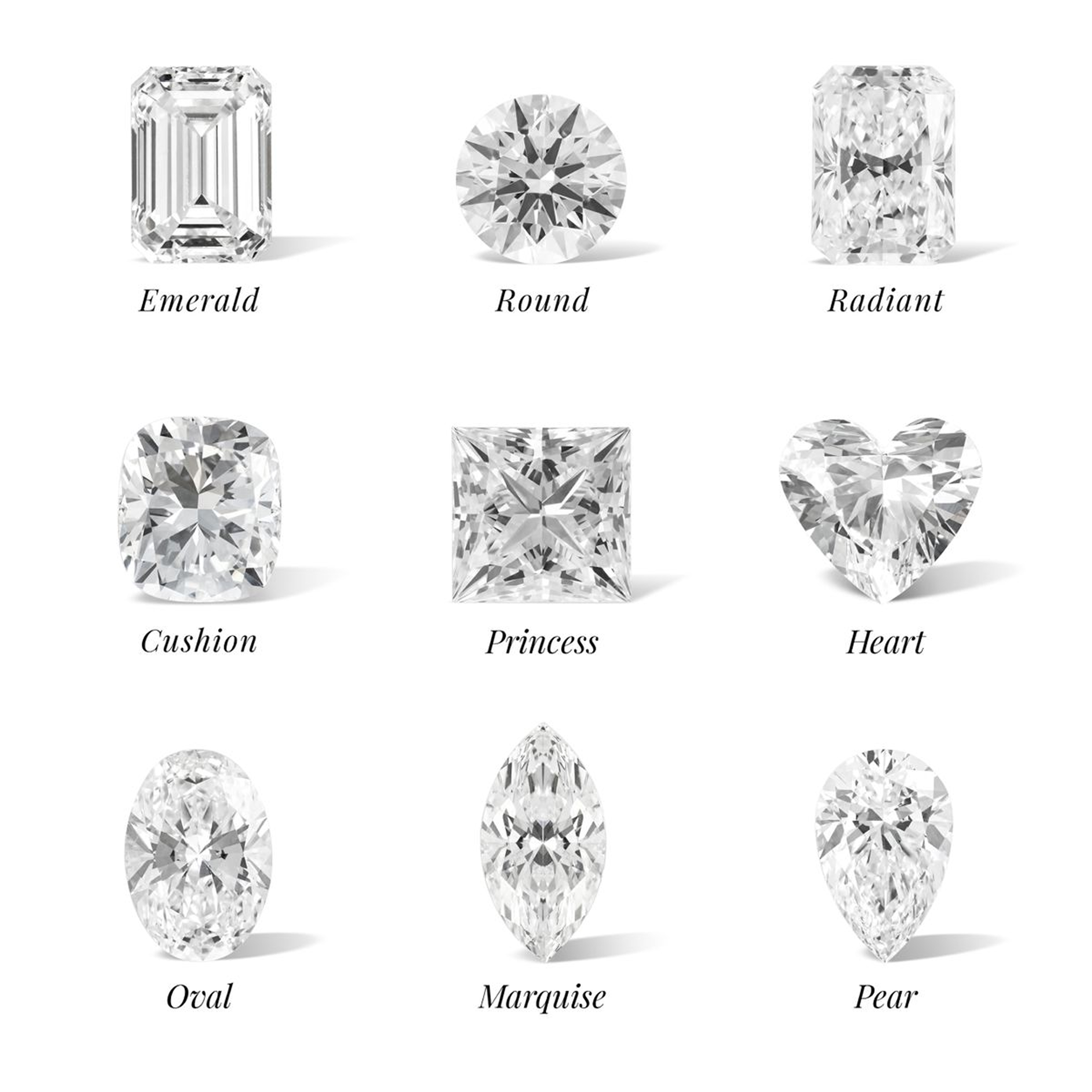
The shape refers specifically to the geometric outline of the stone, not the cut quality. Keep in mind that shape can directly affect both the price and how large the stone appears on the finger:
- Round: The most brilliant and classic.
- Oval: Highly popular; elongates the finger.
- Cushion: Soft, pillowy, and vintage-inspired.
- Princess: Square and distinctly modern.
- Pear: An elegant, teardrop silhouette.
- Emerald: A step-cut with sleek, sophisticated lines.
5. Purchase
Once you have built the perfect ring, it is time to wrap up the logistics. Ensure you understand the fine print before swiping your card.
- Payment & Financing: Explore options like Affirm, Klarna (monthly repayment plans, sometimes 0% APR), or layaway plans if you want to pay over time before receiving the ring.
- Warranty: Receive a lifetime warranty that covers manufacturing defects with OMARA.
- Delivery: We recommend selecting an expedited, fully insured delivery service such as UPS. Please do not use unattended parcel boxes due to the associated security risks.
Top Tips for Buying an Engagement Ring
- Think About Long-Term Wear: Always choose a ring that fits your partner’s lifestyle. Highly active wearers need much sturdier, lower-profile settings to avoid damaging the ring.
- Schedule an Appointment: Whether shopping digitally or in-person, making an appointment gives your jeweler advance notice to ensure they have the specific designs and center stones you want to look at.
- Plan Your Timeline Carefully: The perfect piece takes time to create—from your initial design conception to the jeweler's crafting process, to the final shipping time. Always leave at least 2 months between purchasing the ring and your planned proposal date.
- Demand Diamond Certification: Always ensure the diamond you purchase is officially certified. This guarantees the gem is real and provides a detailed grading report on its cut, color, and clarity, as well as a unique certification number inscribed directly on the diamond's girdle.
- Consider a Temporary Setting: If you want your partner to pick their own style but still want to propose with a real ring, buy your chosen diamond in a temporary setting. Many jewelers allow you to return the temporary setting within 60 days so you and your fiancé can choose a customized mounting together!
Buying an engagement ring is the first step in a much larger, exciting journey. Take your time, do your research, and choose something that reflects your unique relationship. You've got this!
Engagement Ring Guide FAQ
Next article
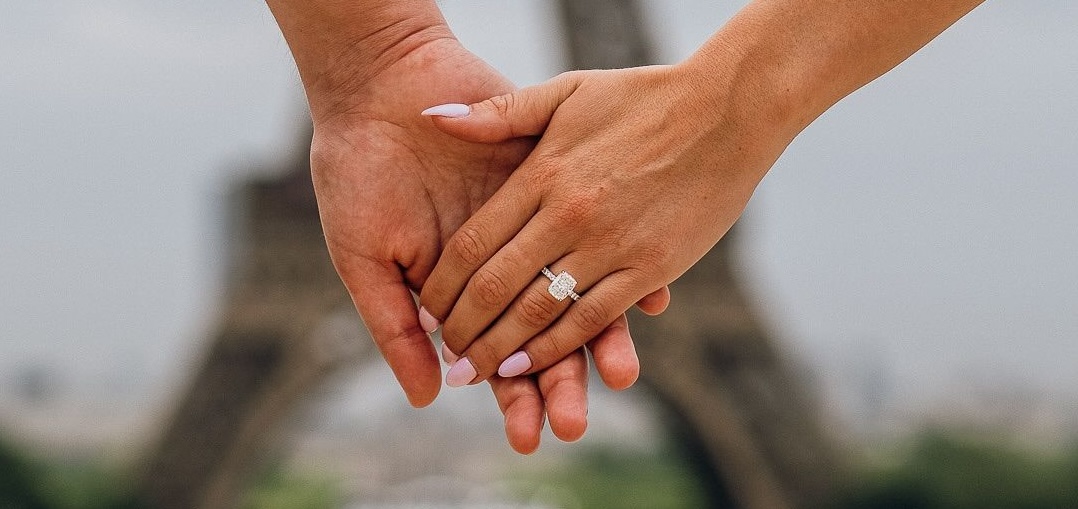
51 Best Places for a Proposal in 2026
Whether you're planning to pop the question locally or looking to make it a destination proposal, this guide covers the most romantic and meaningful proposal spots across the Europe.