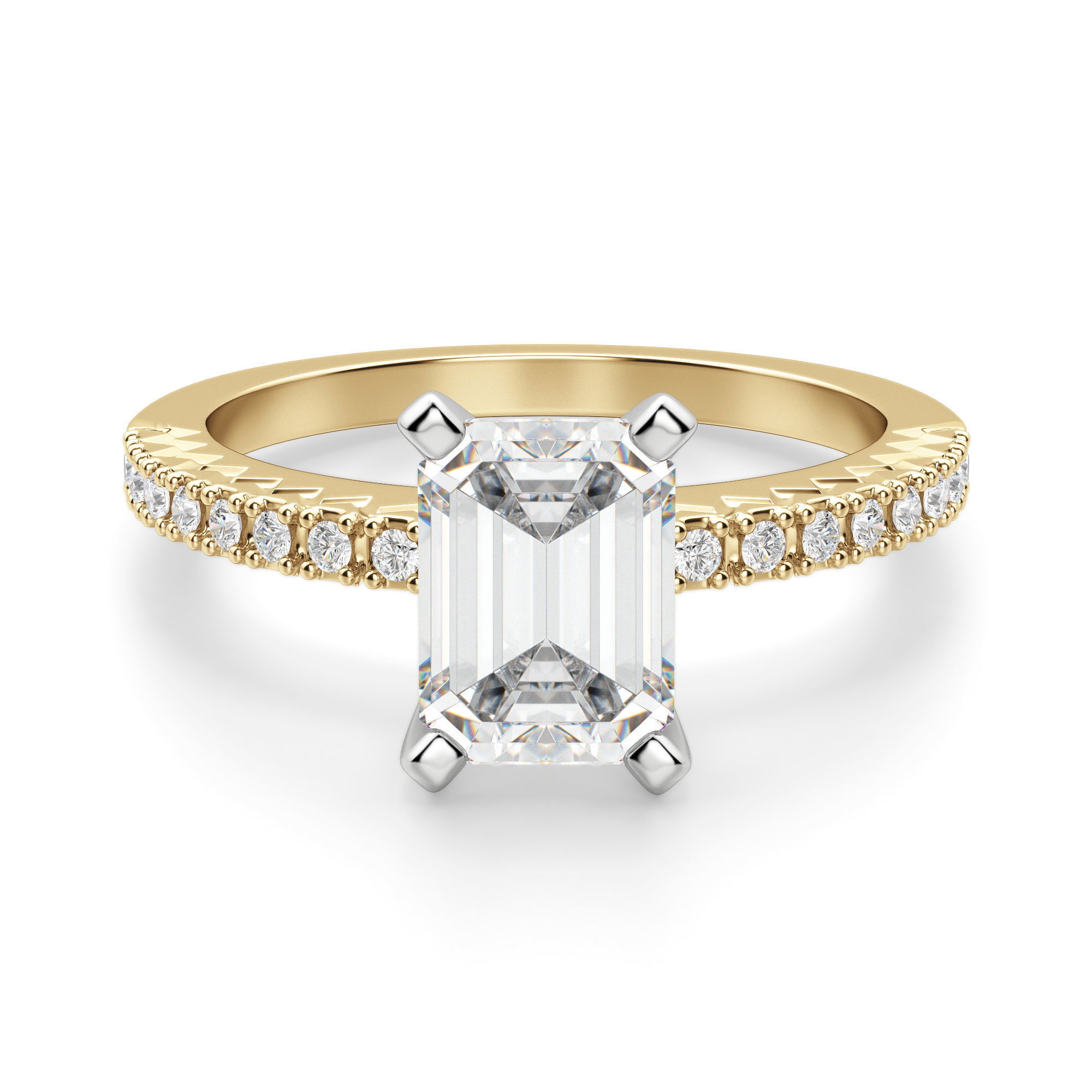
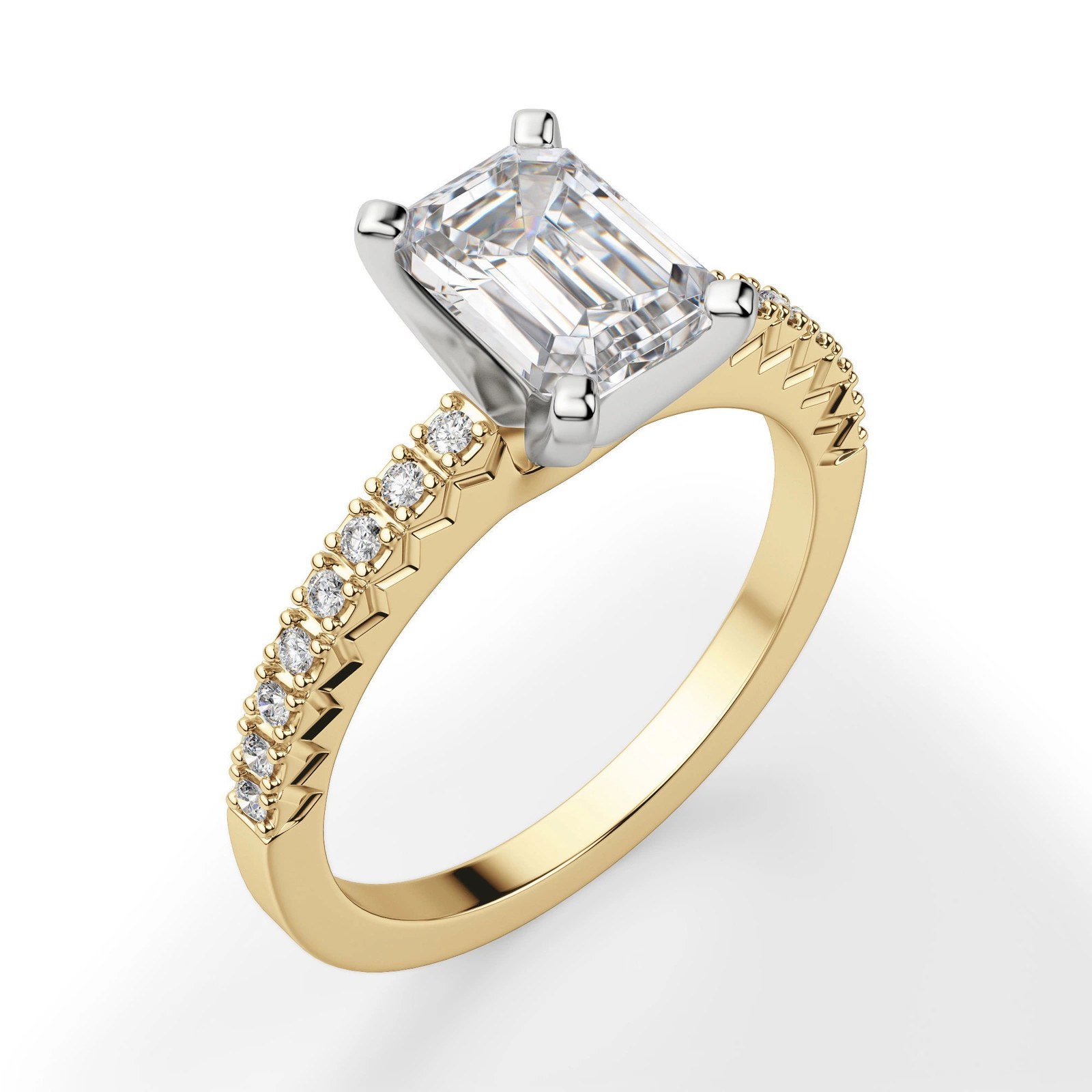
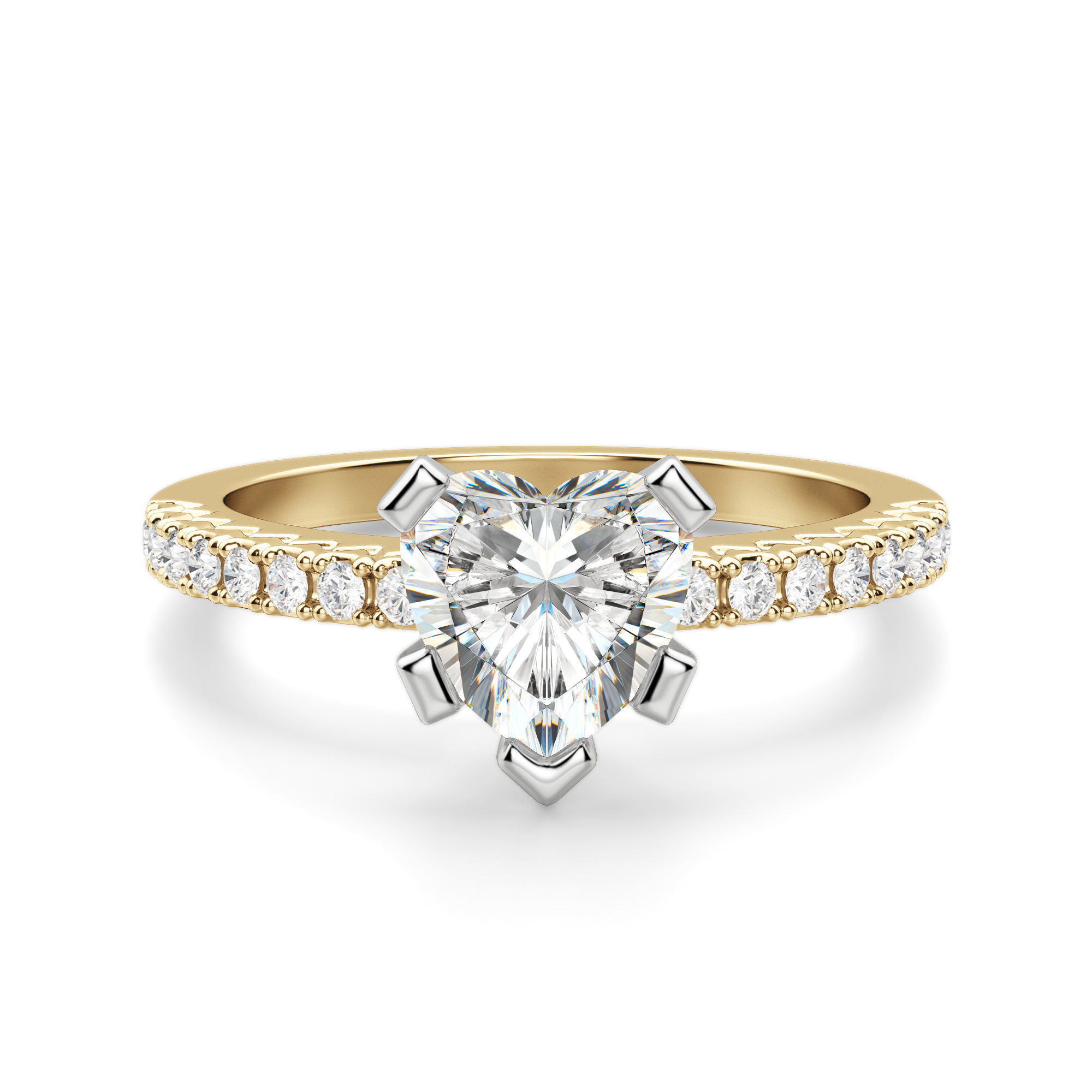
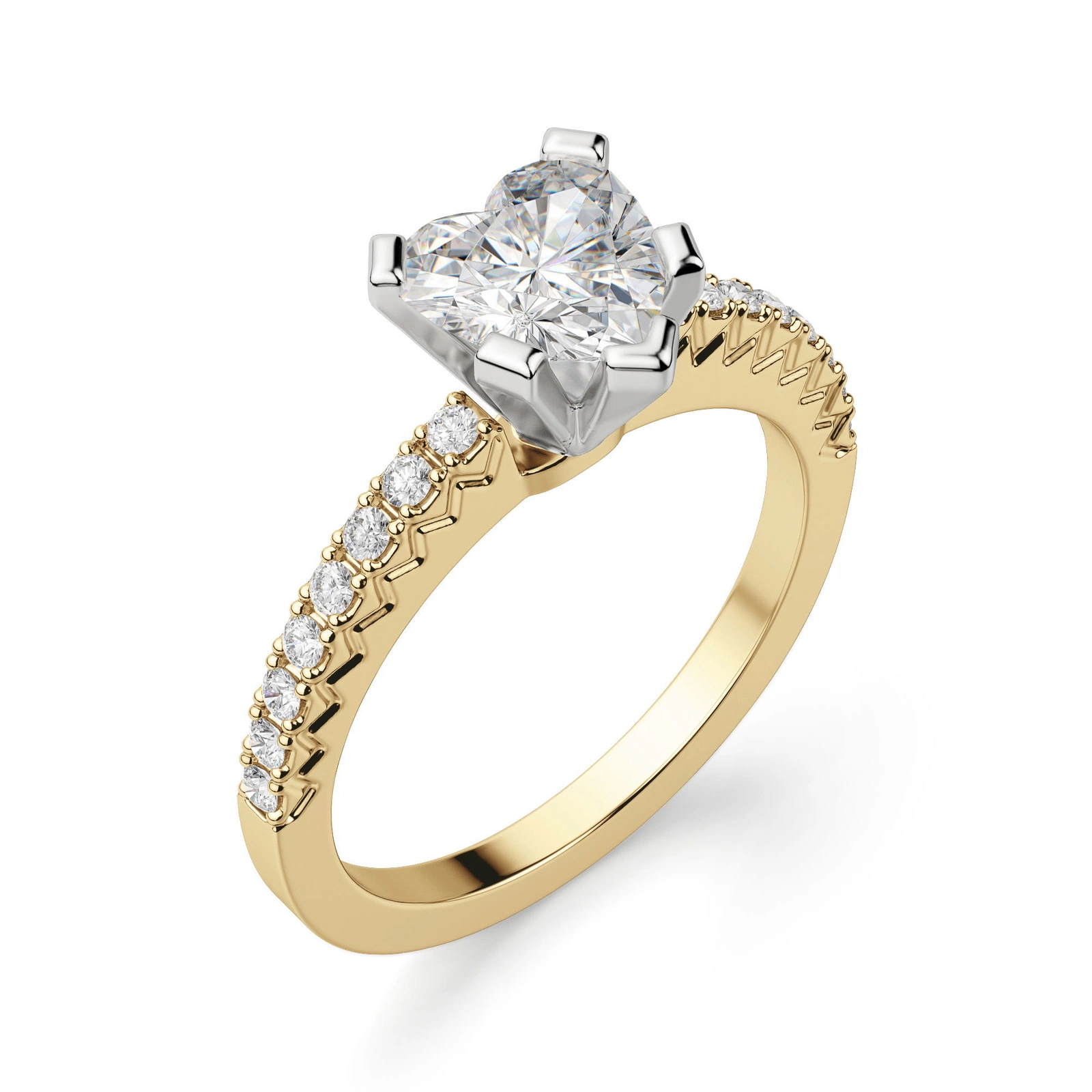
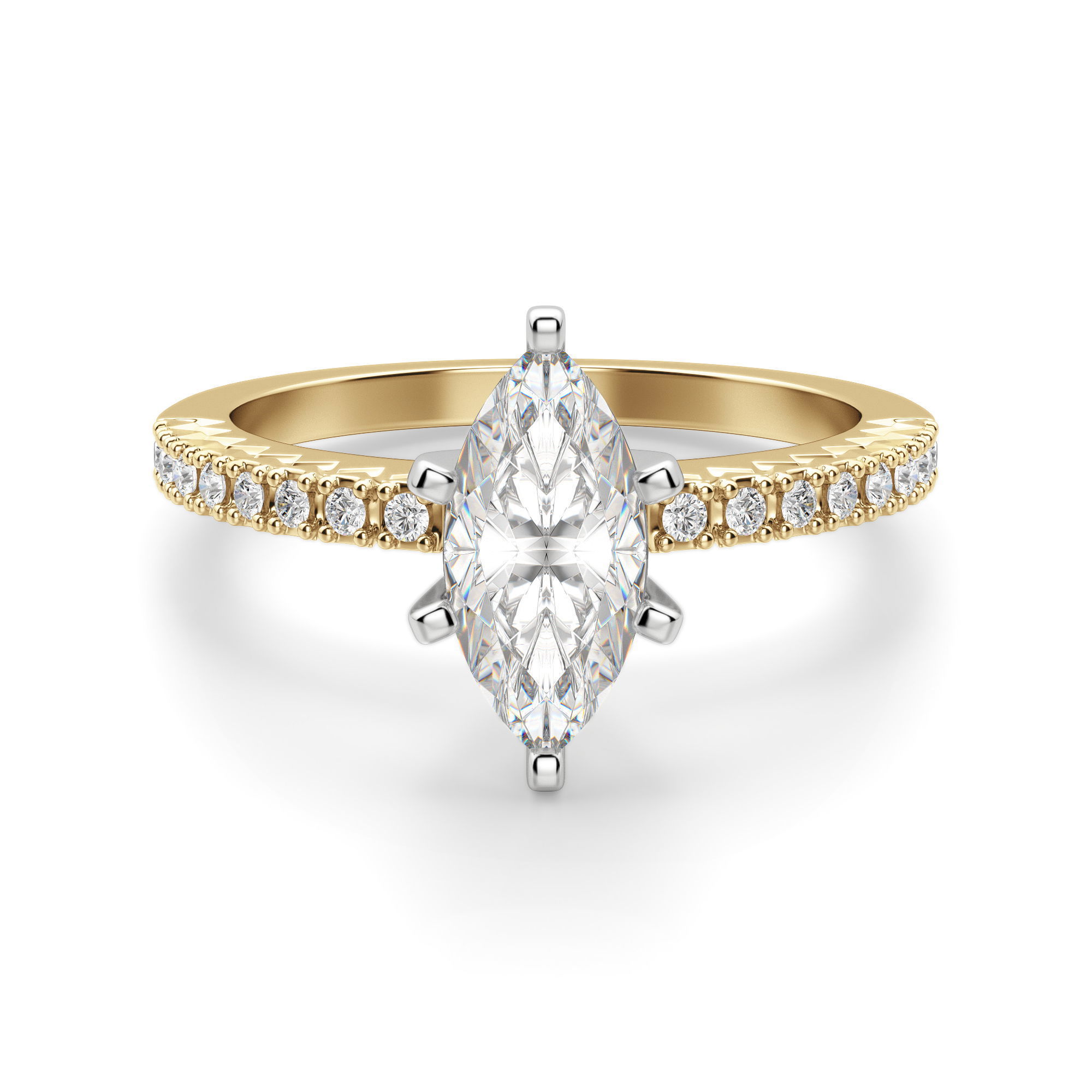
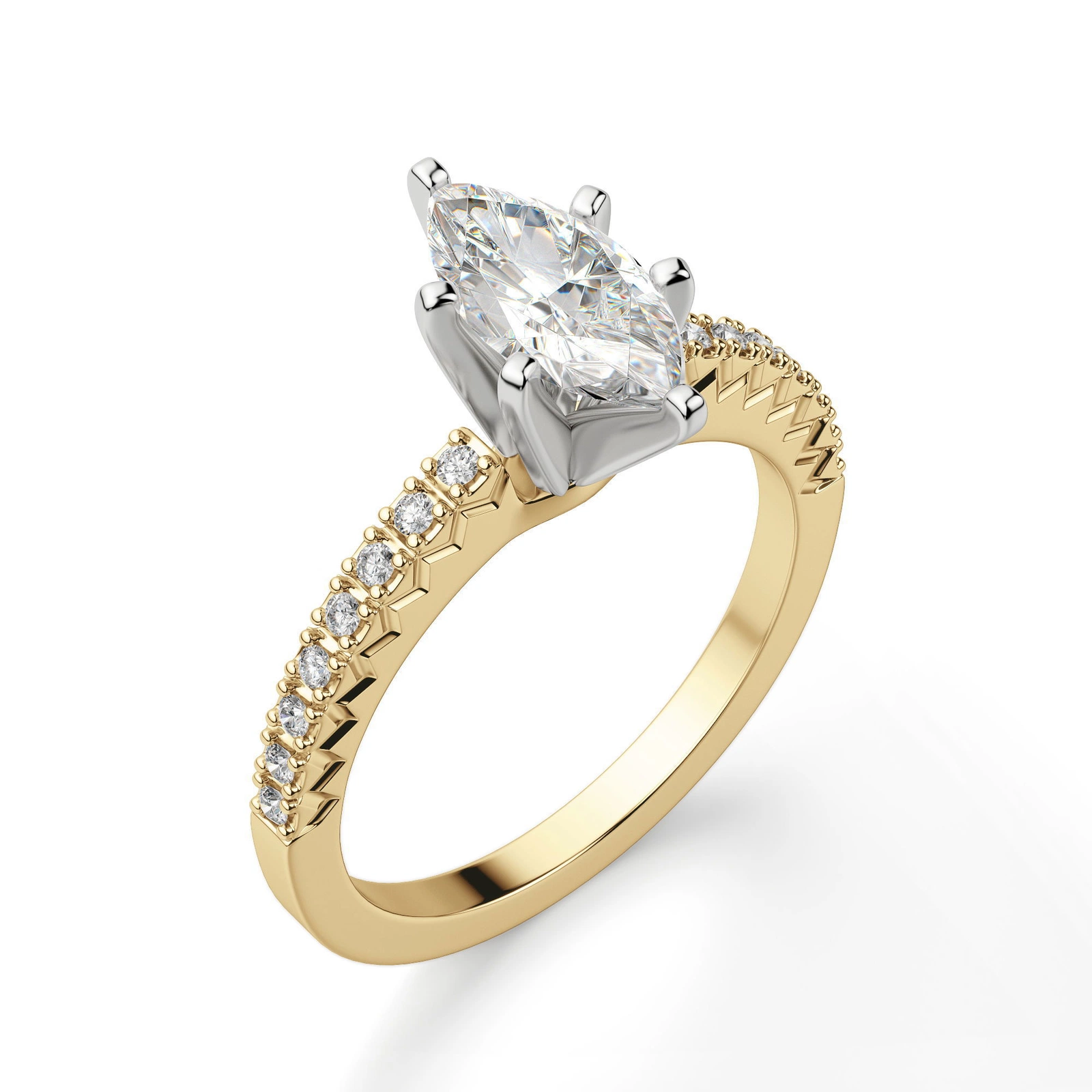
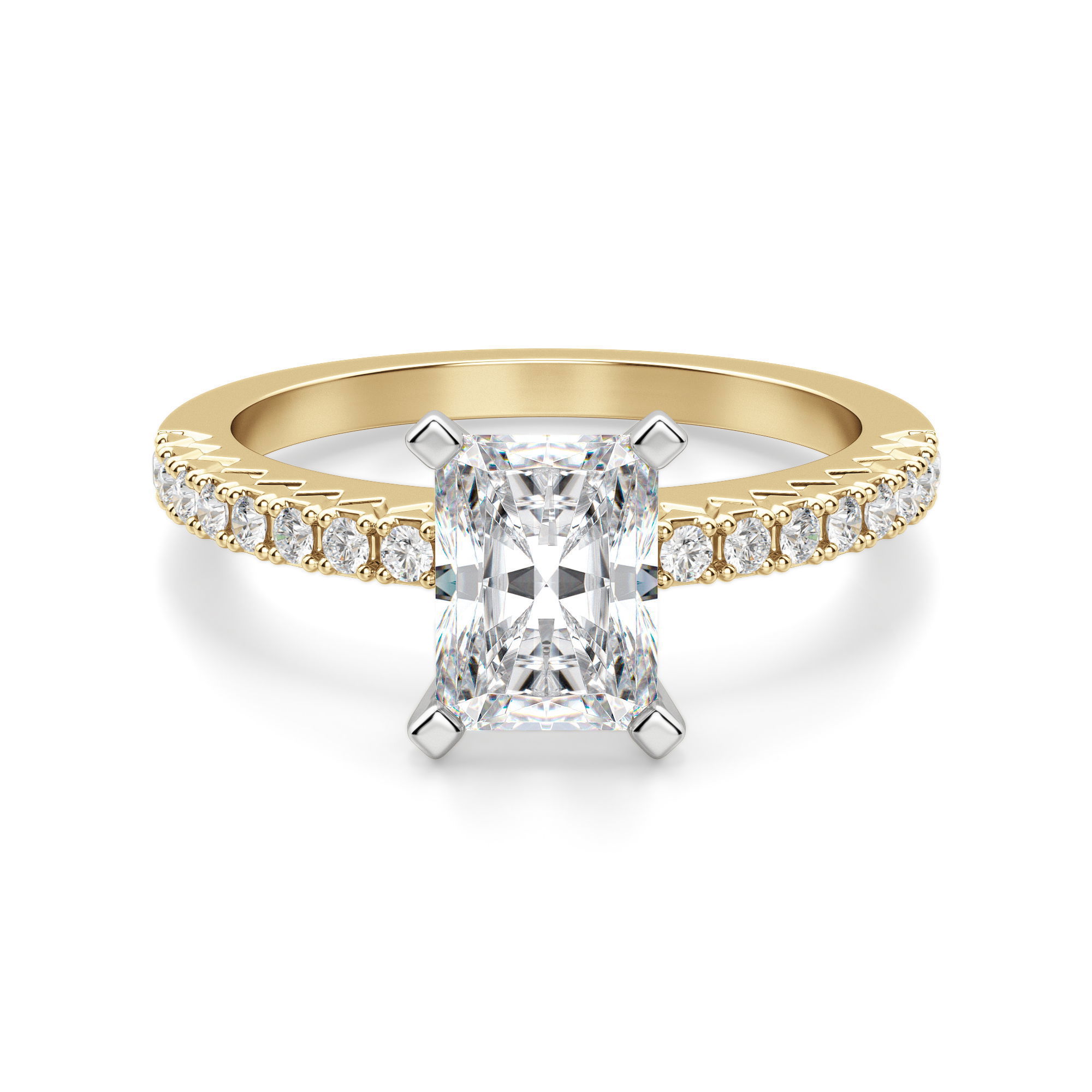
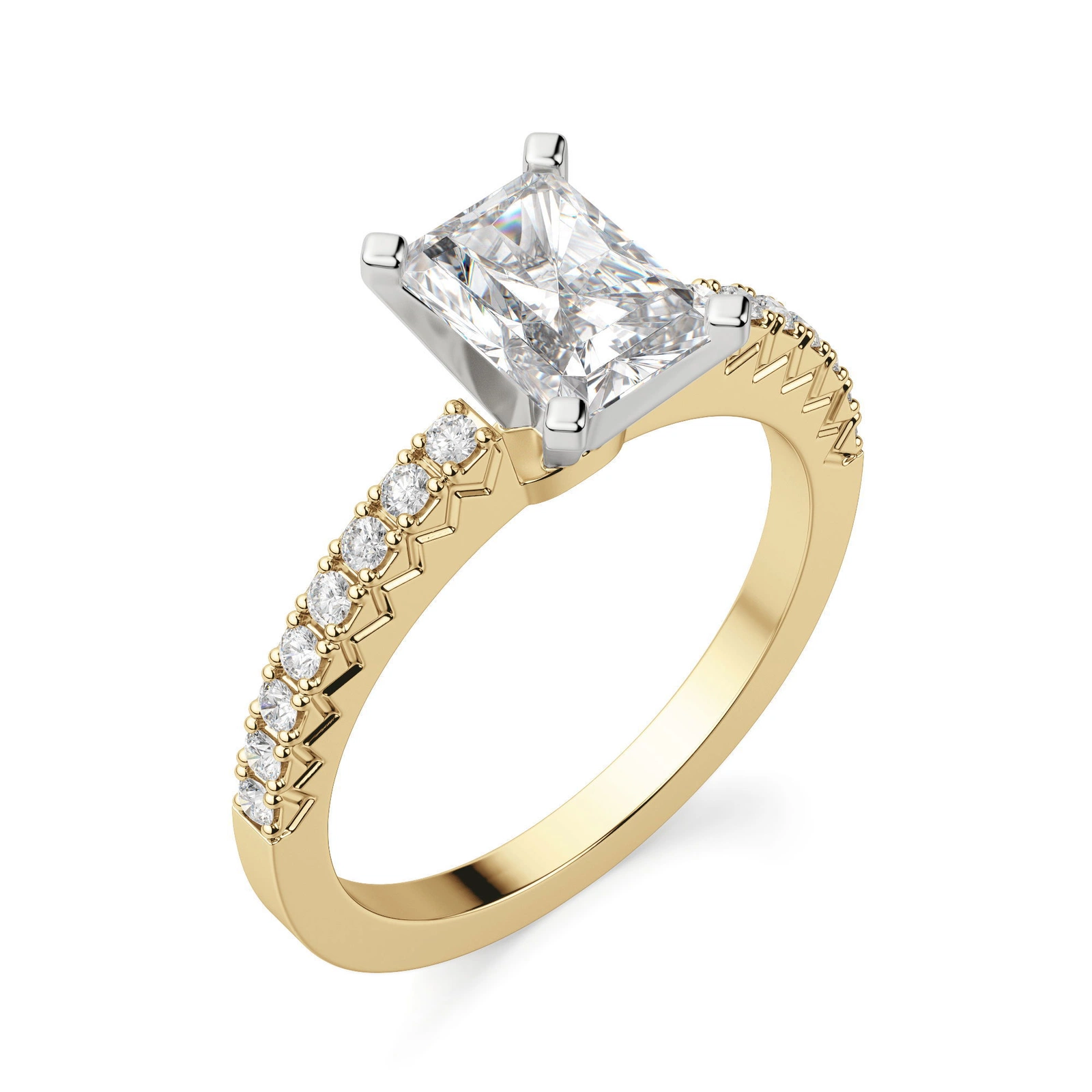
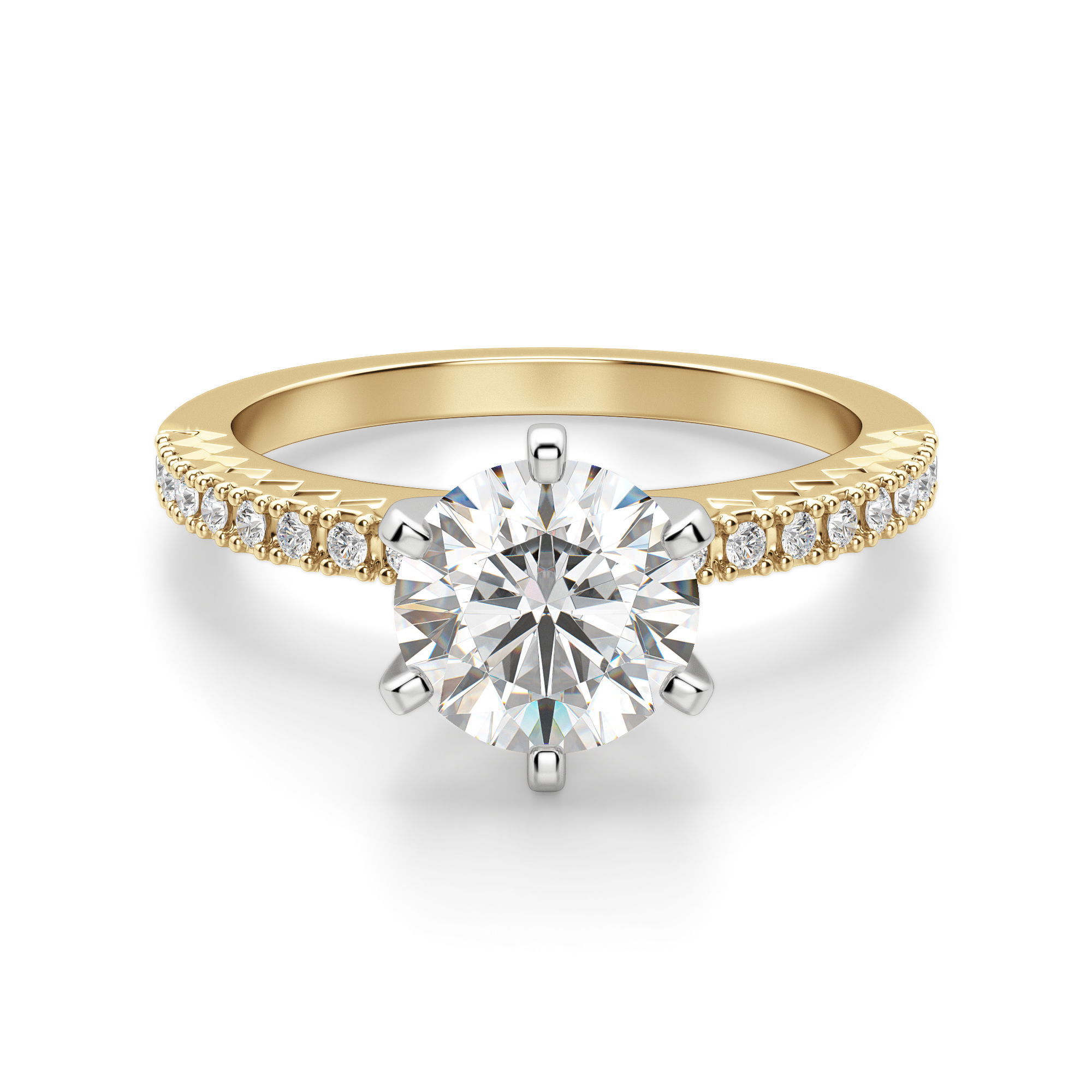
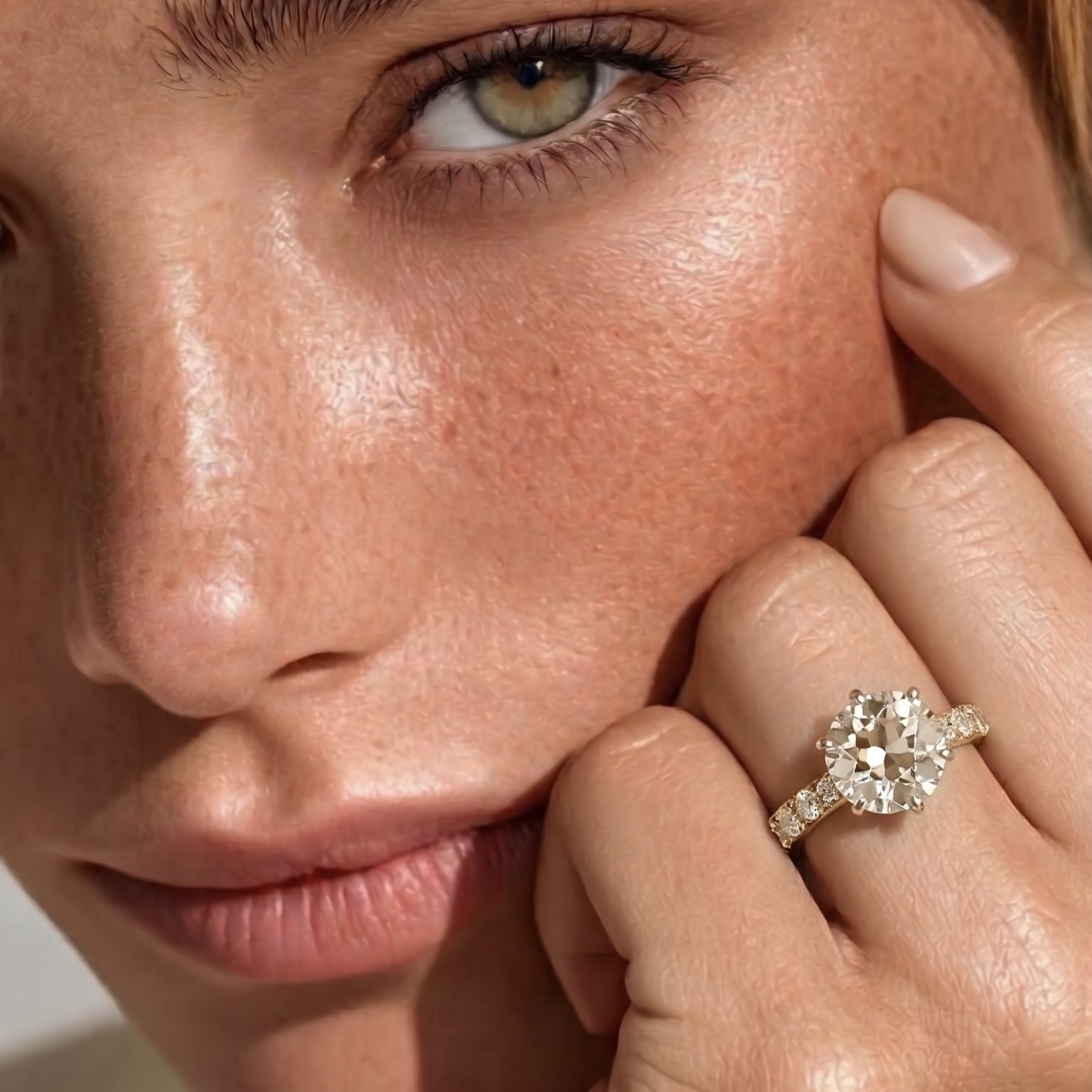
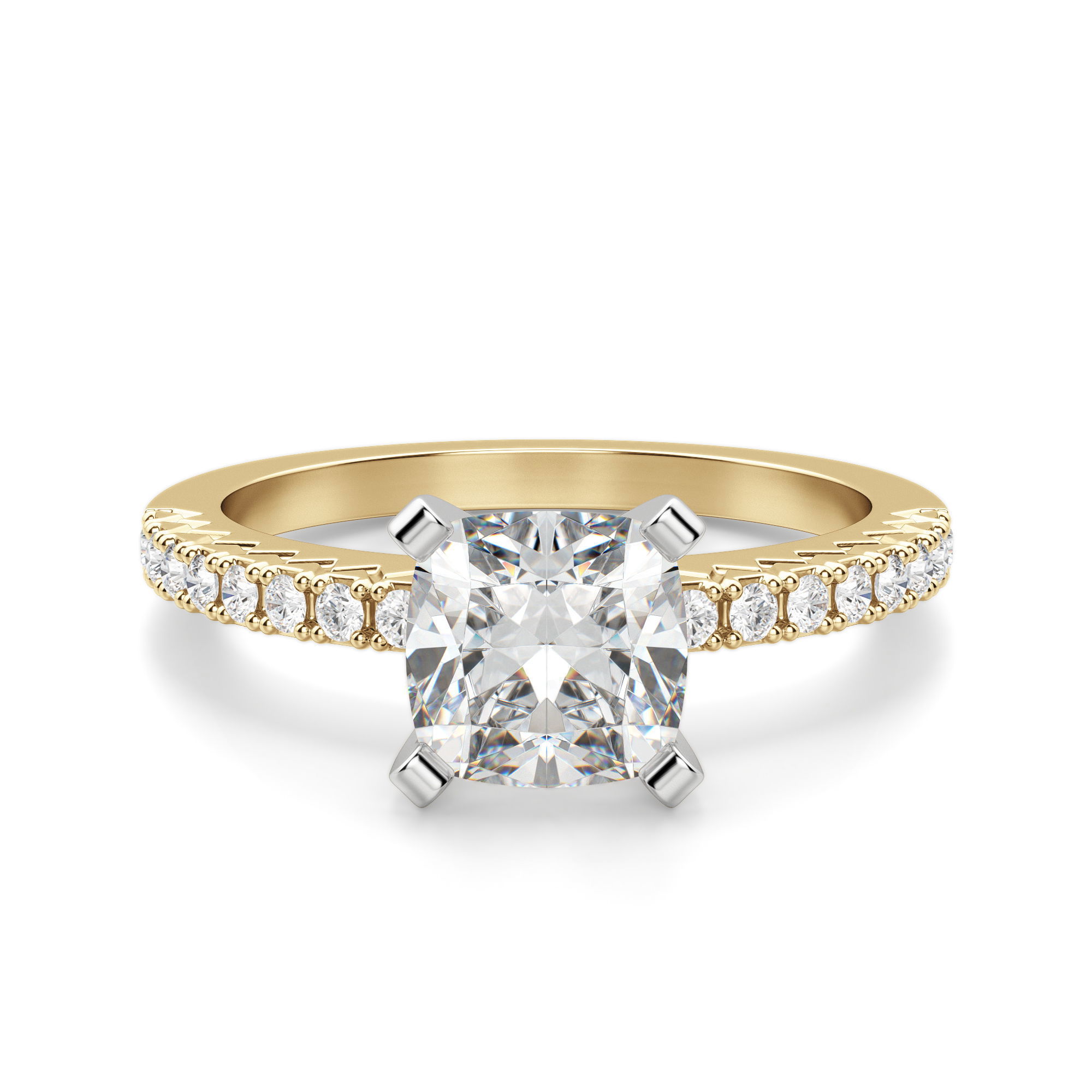
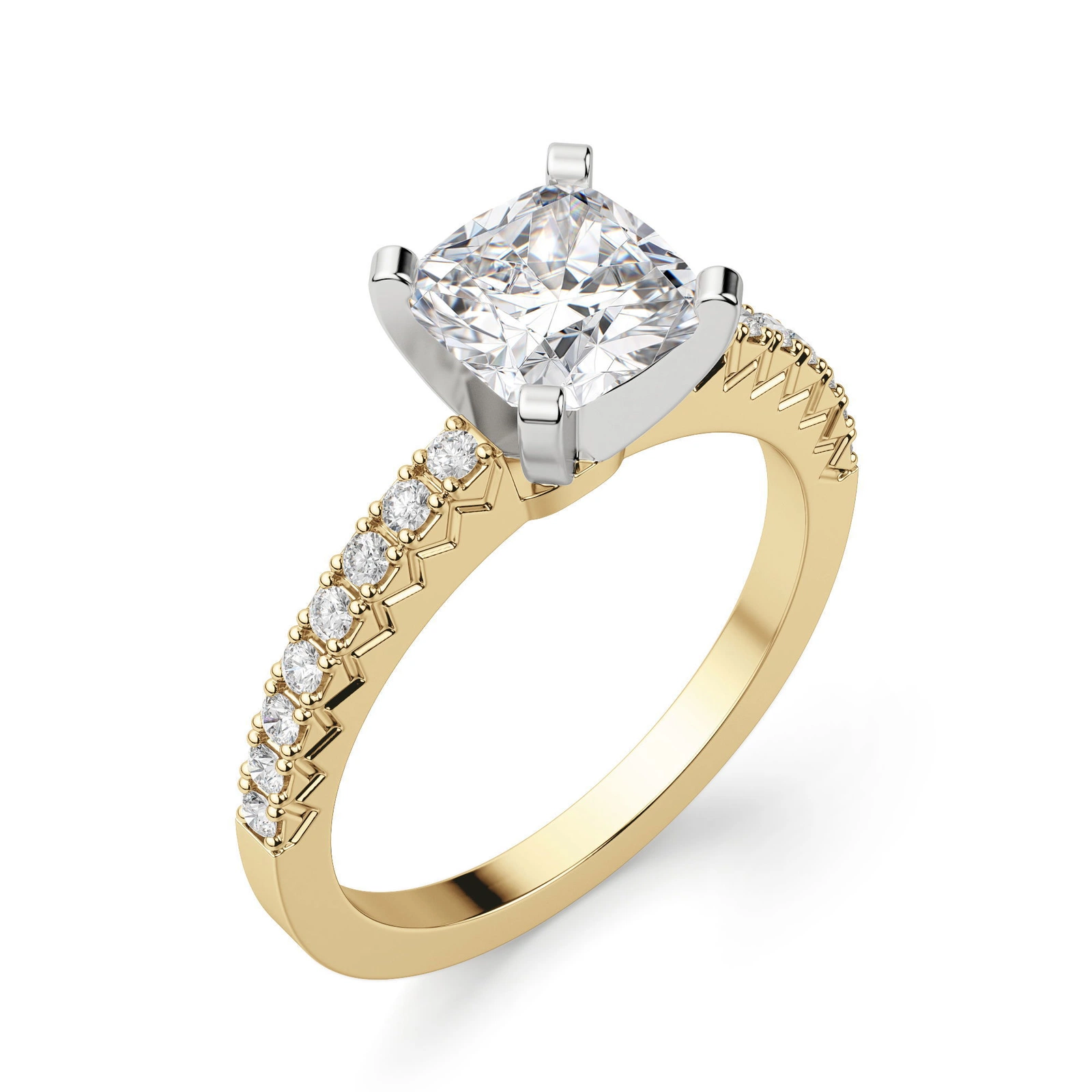
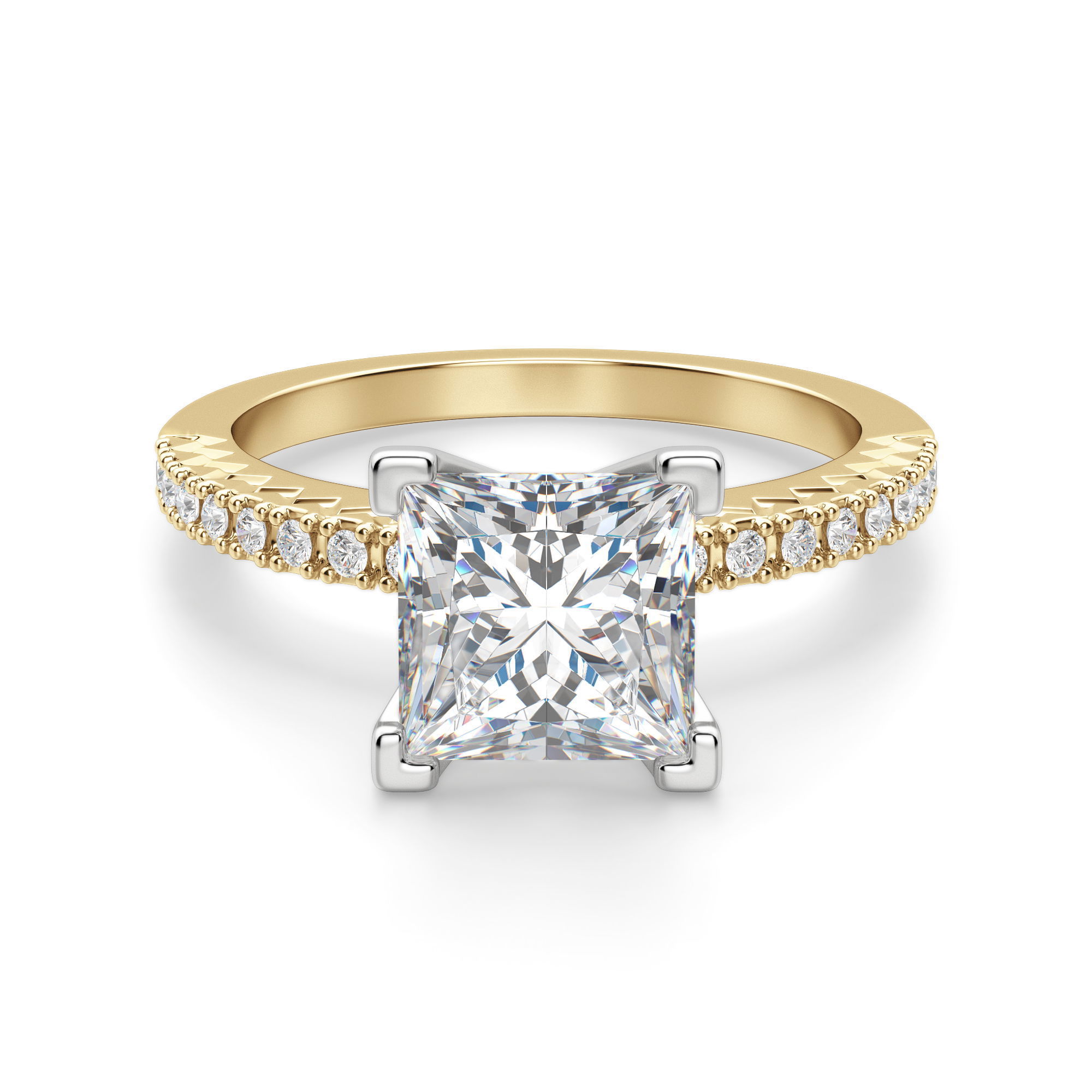
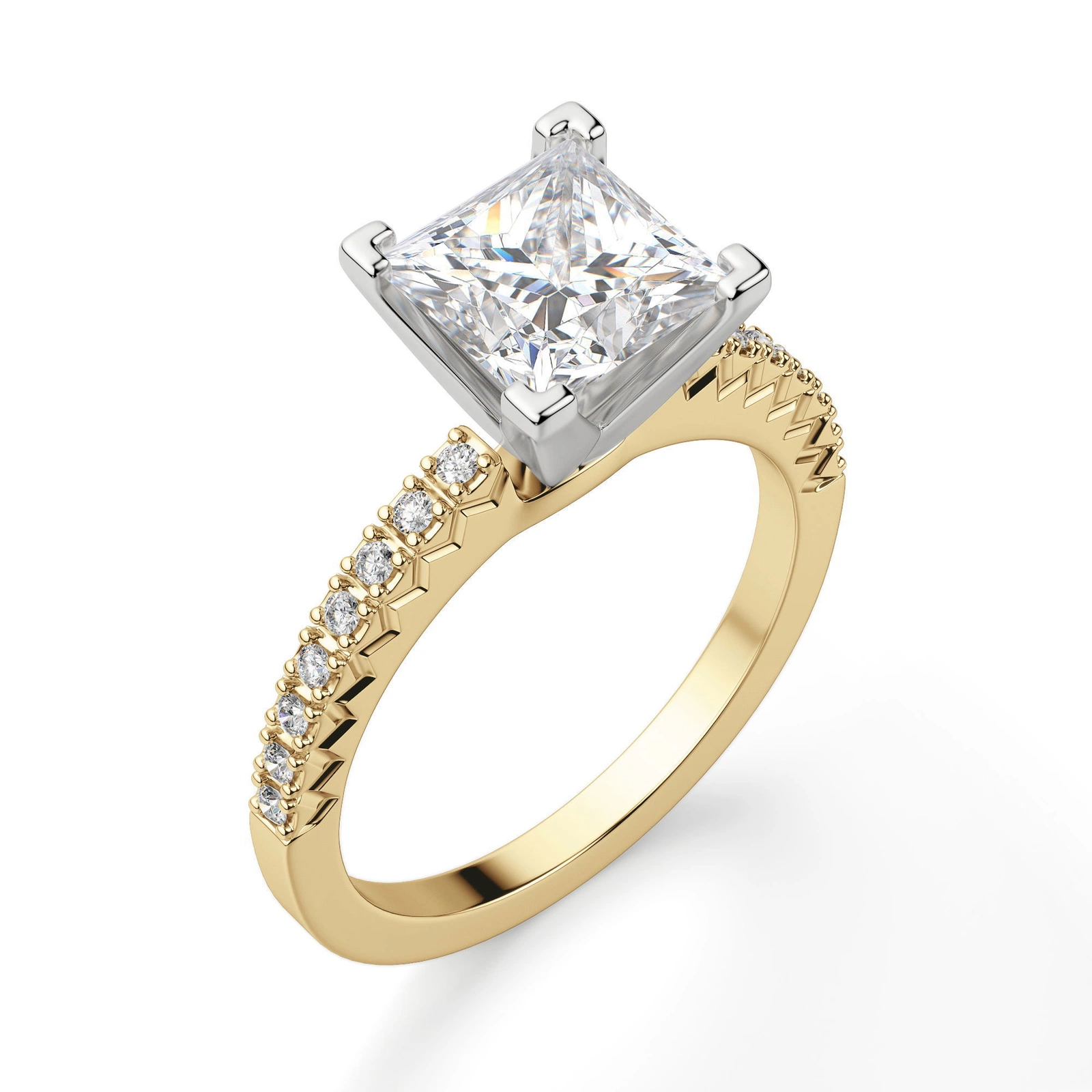
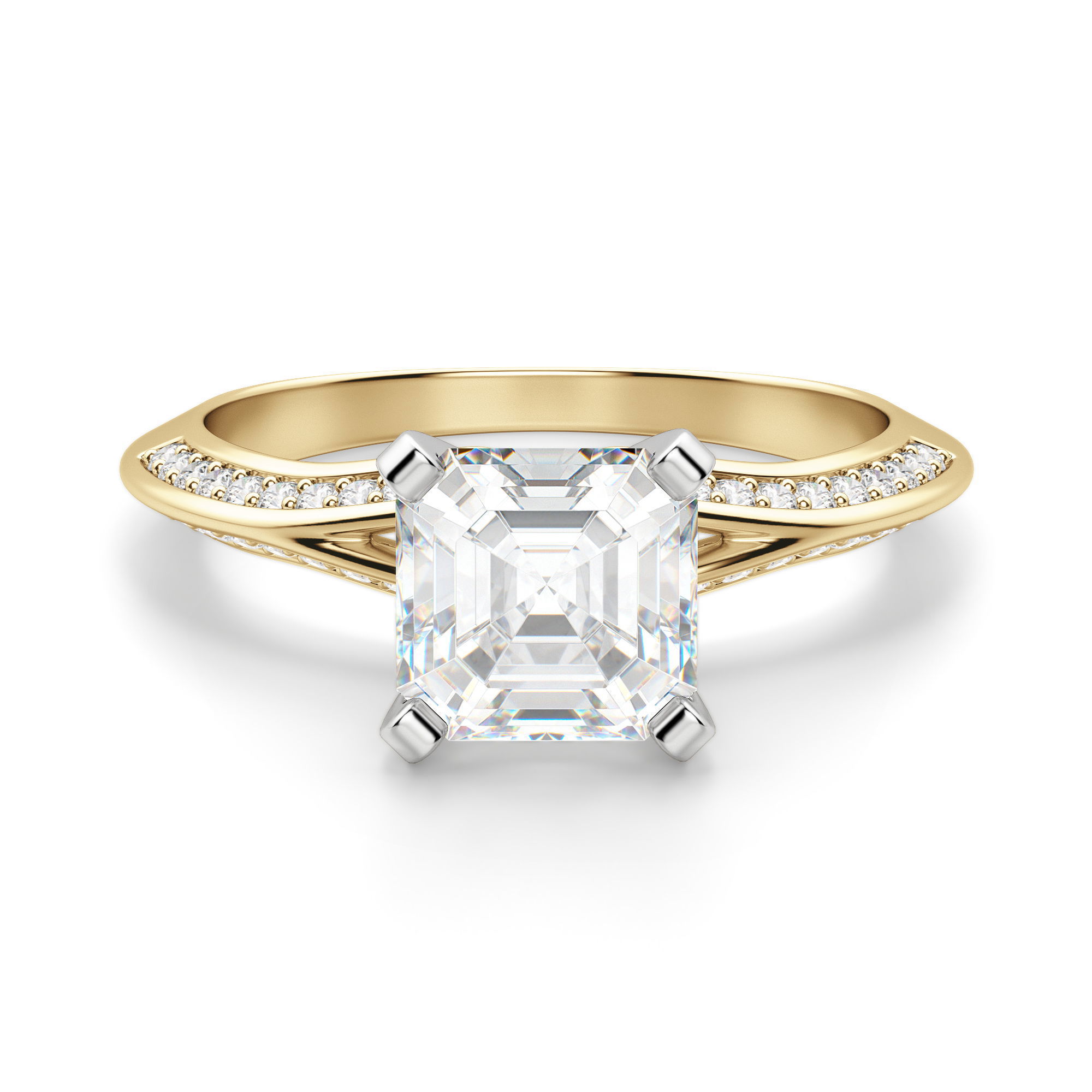
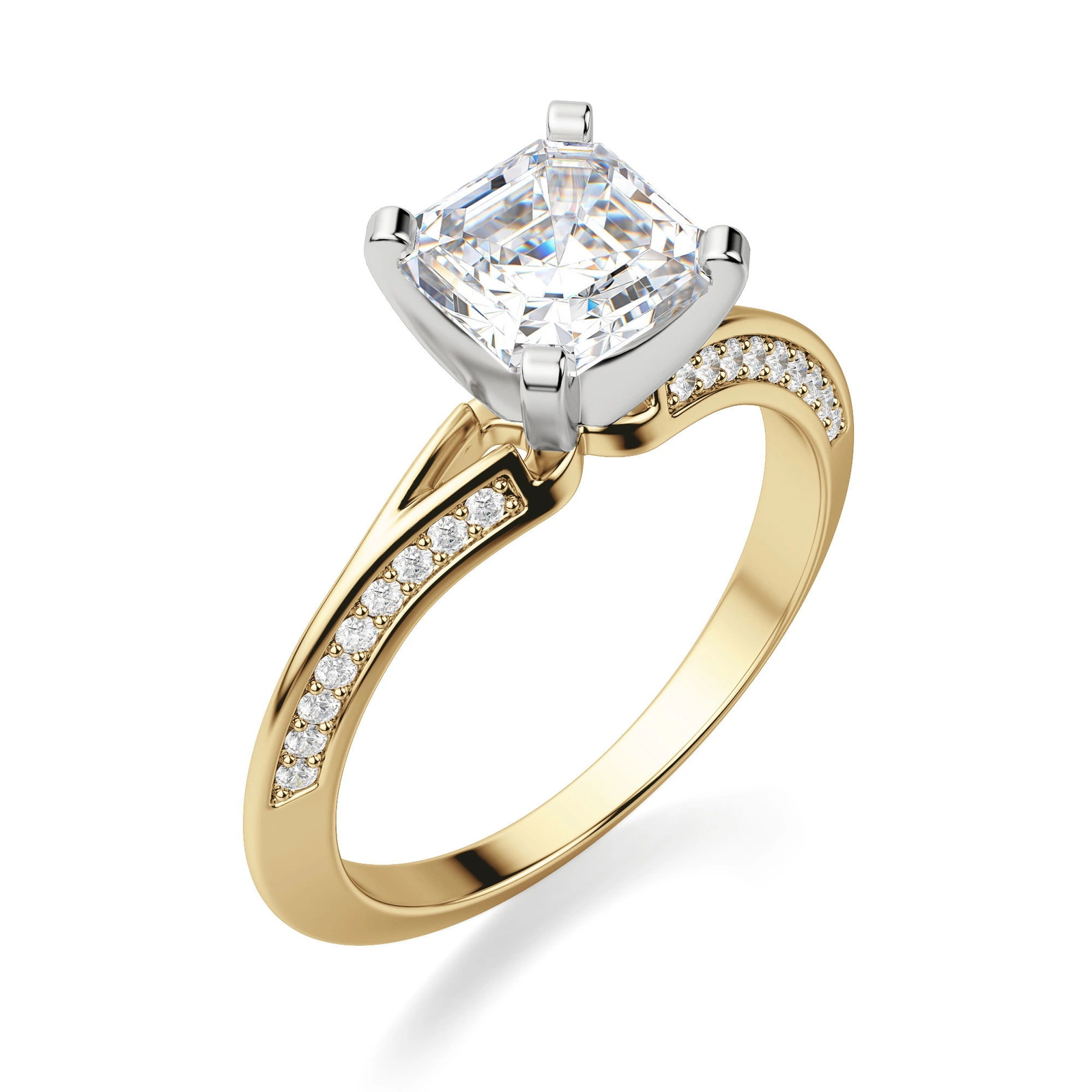
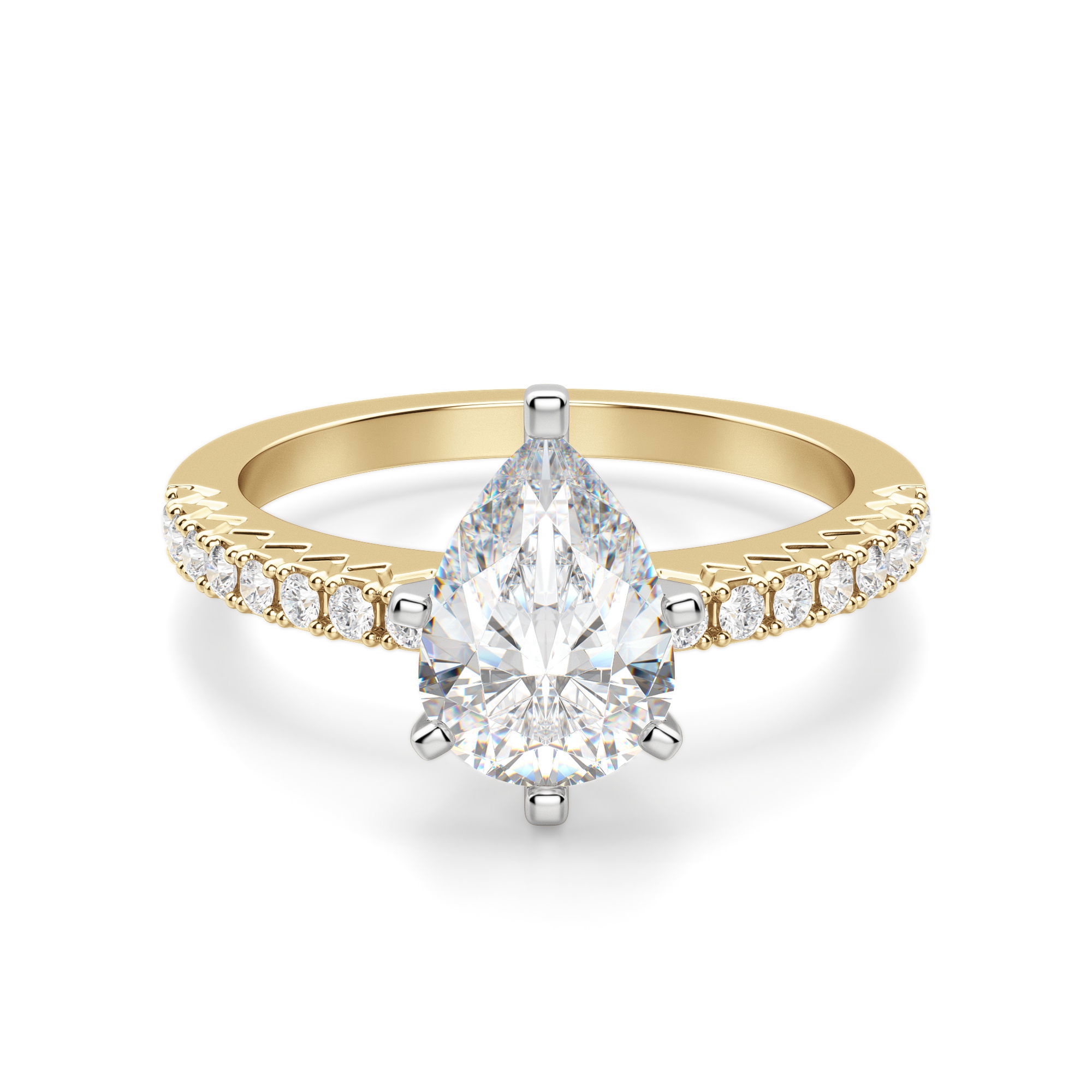
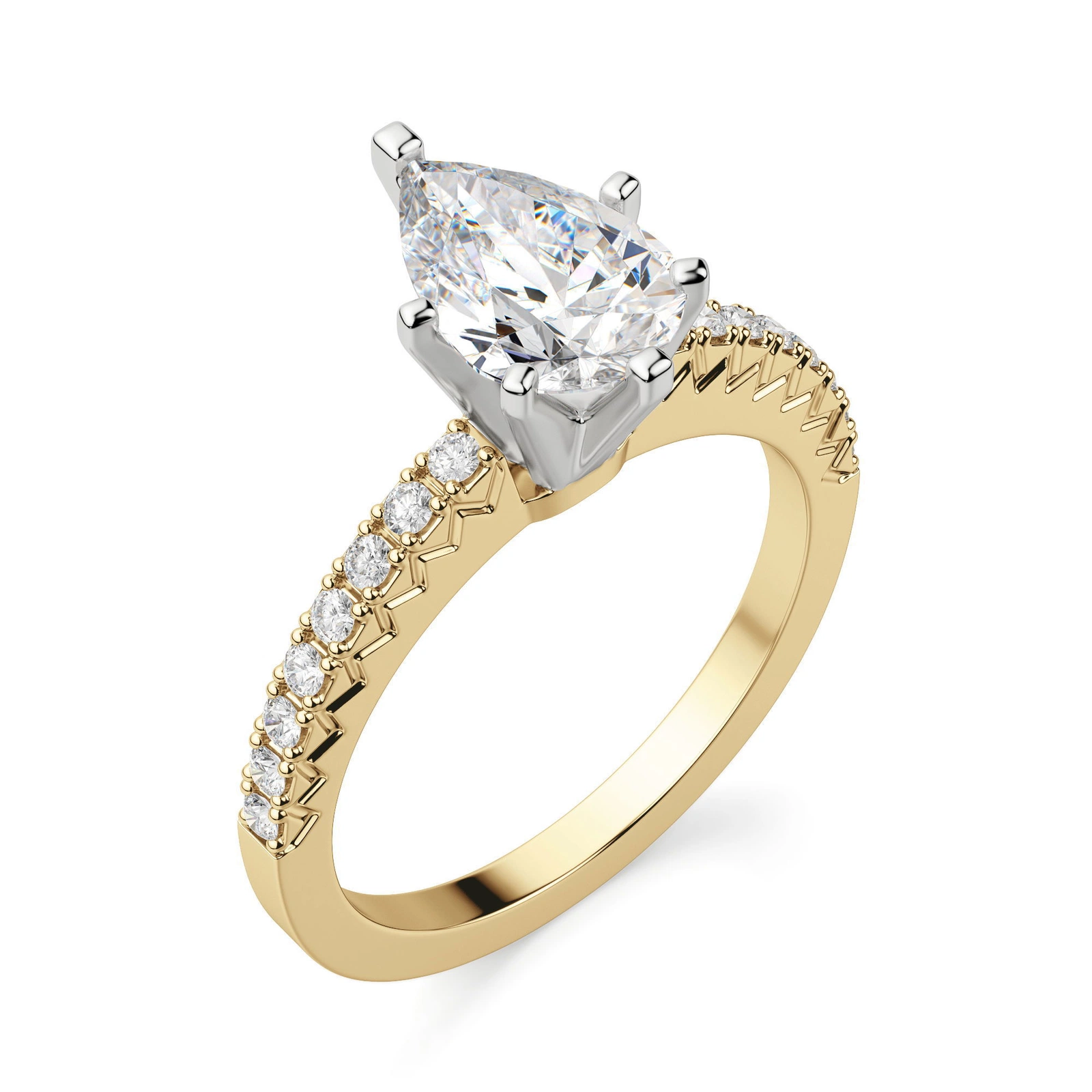
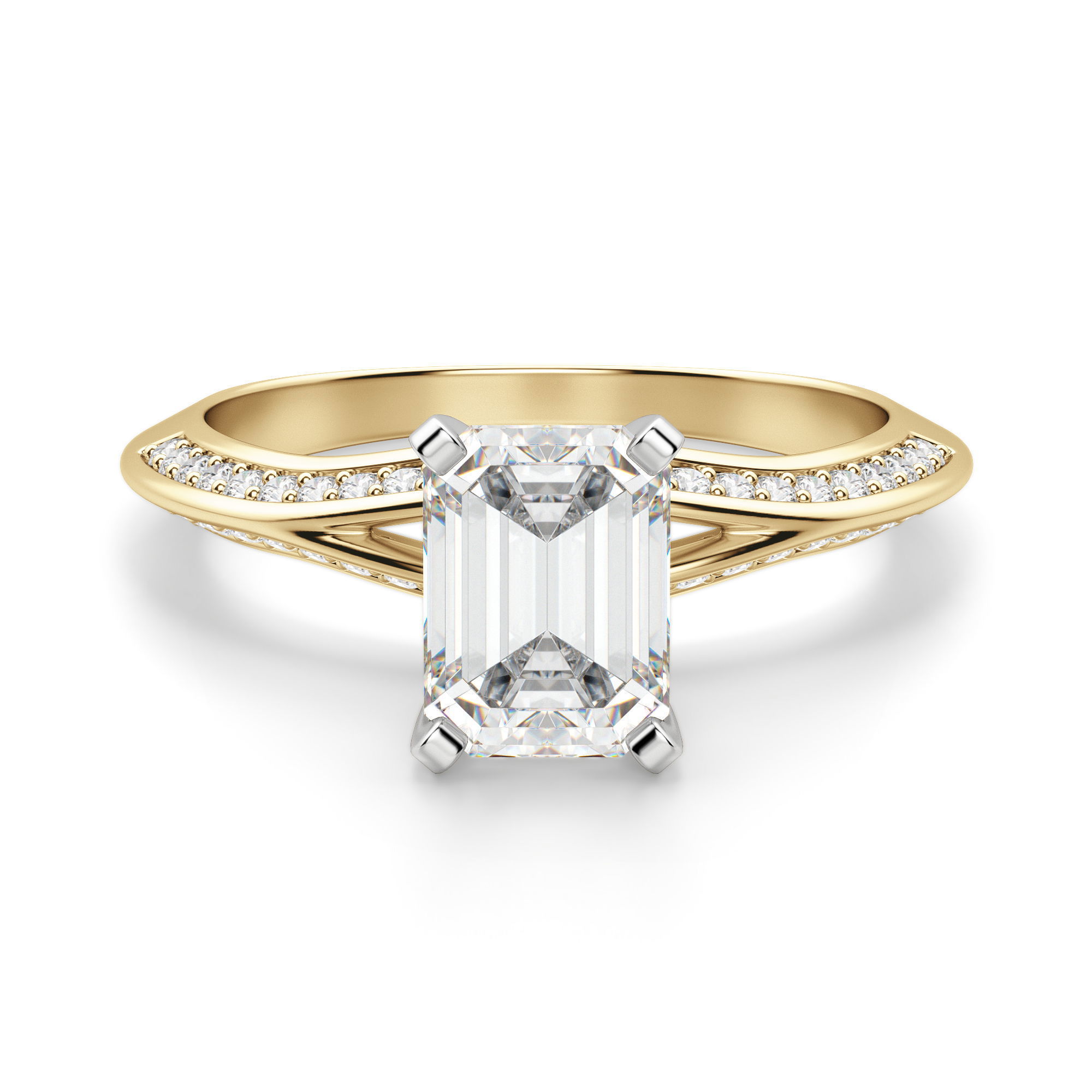
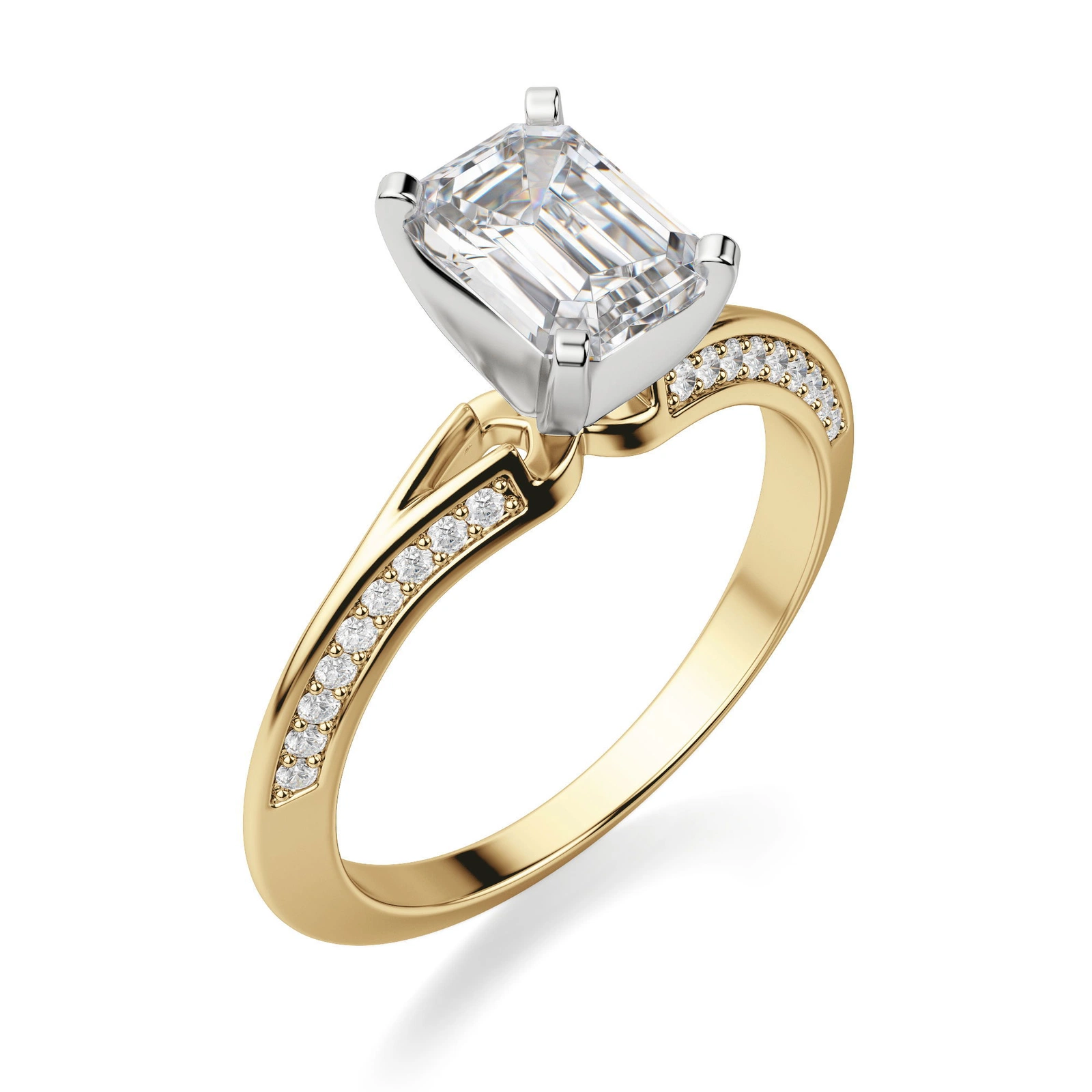
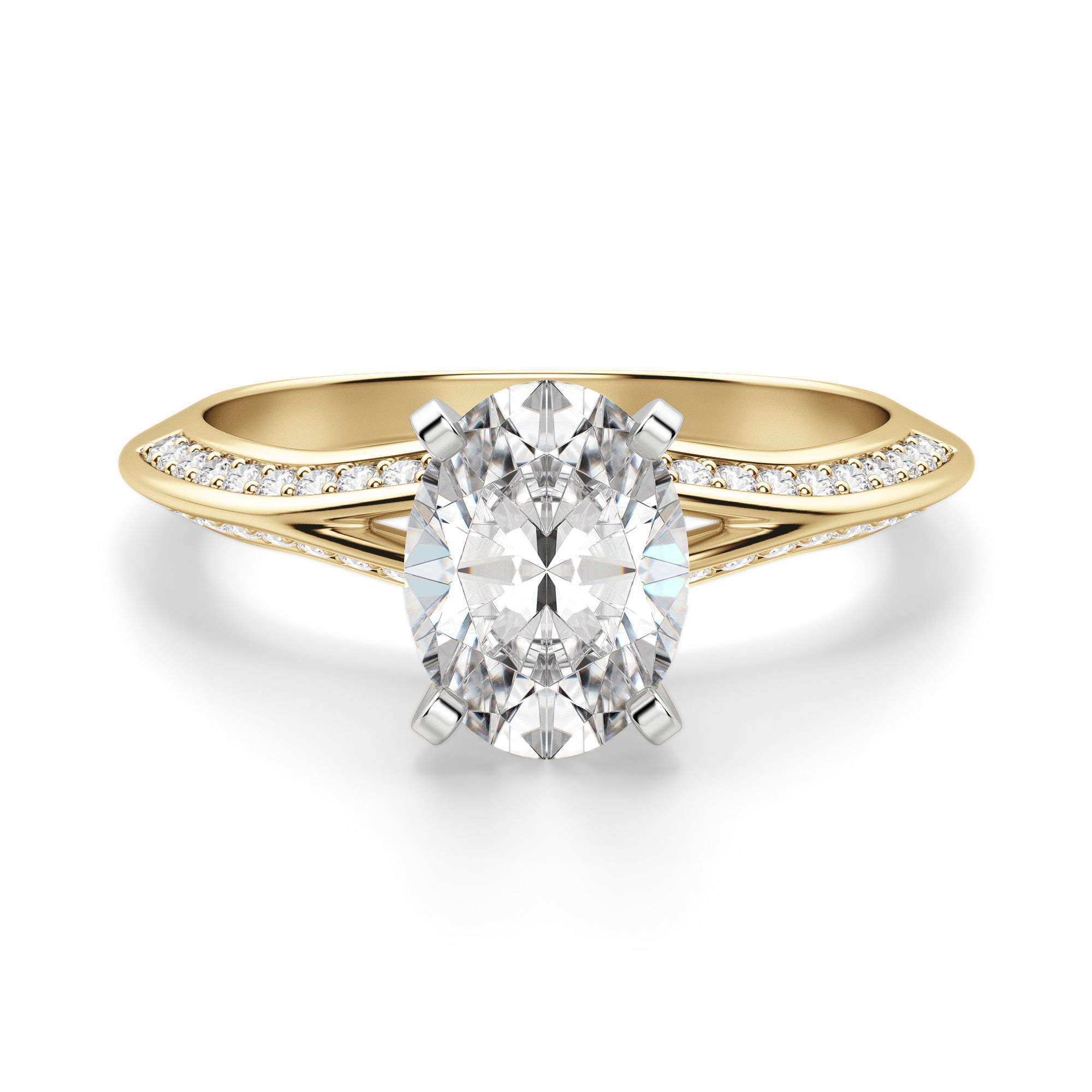
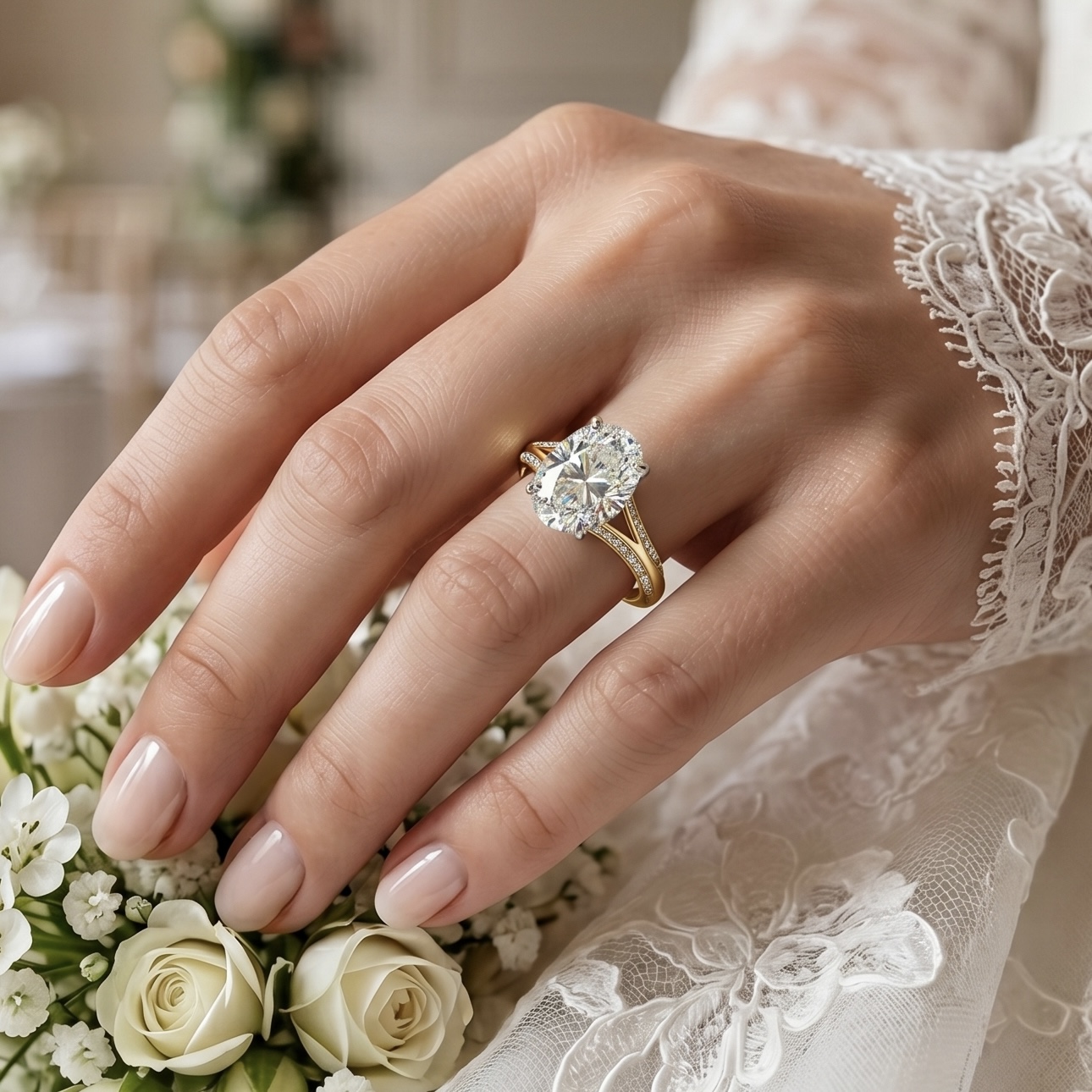
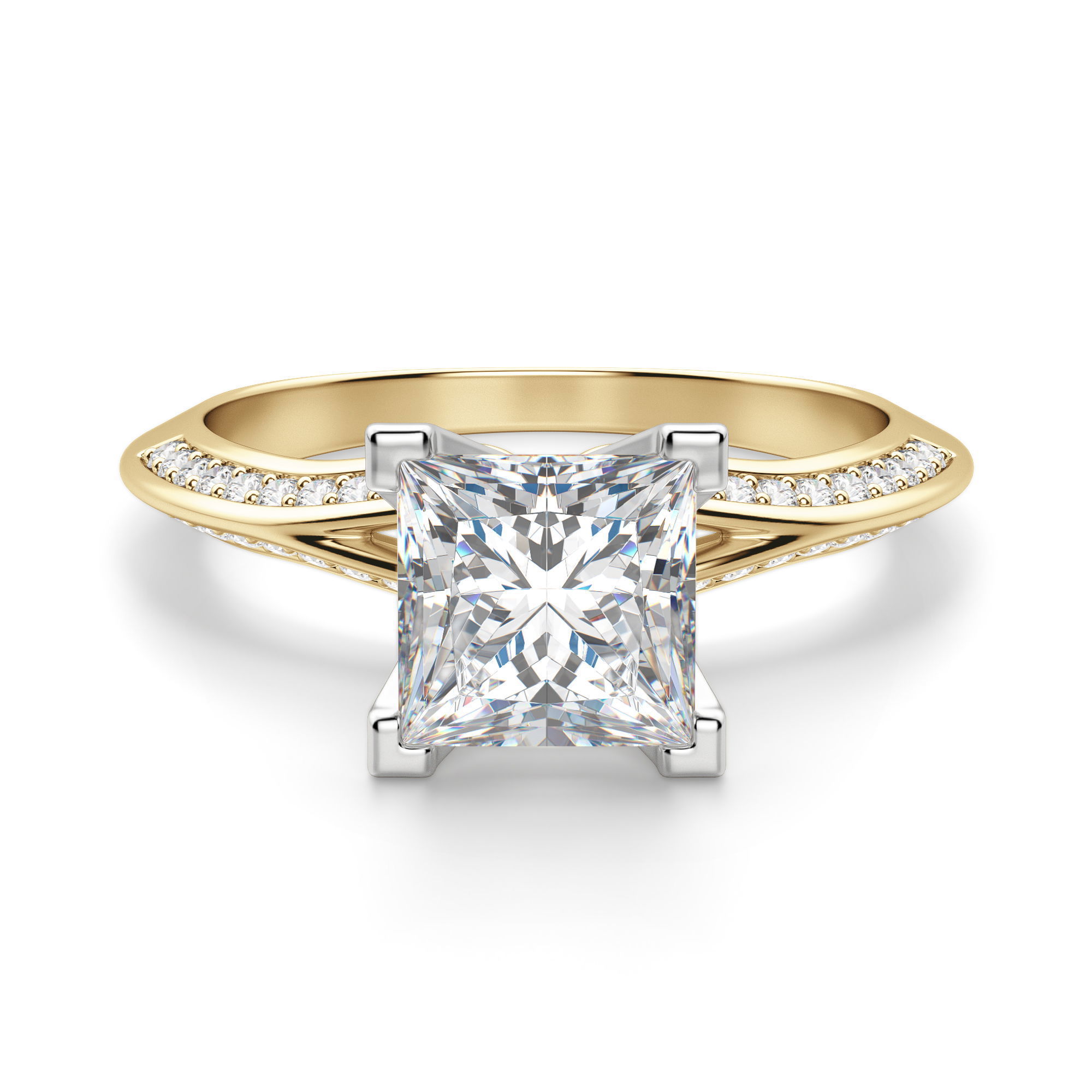
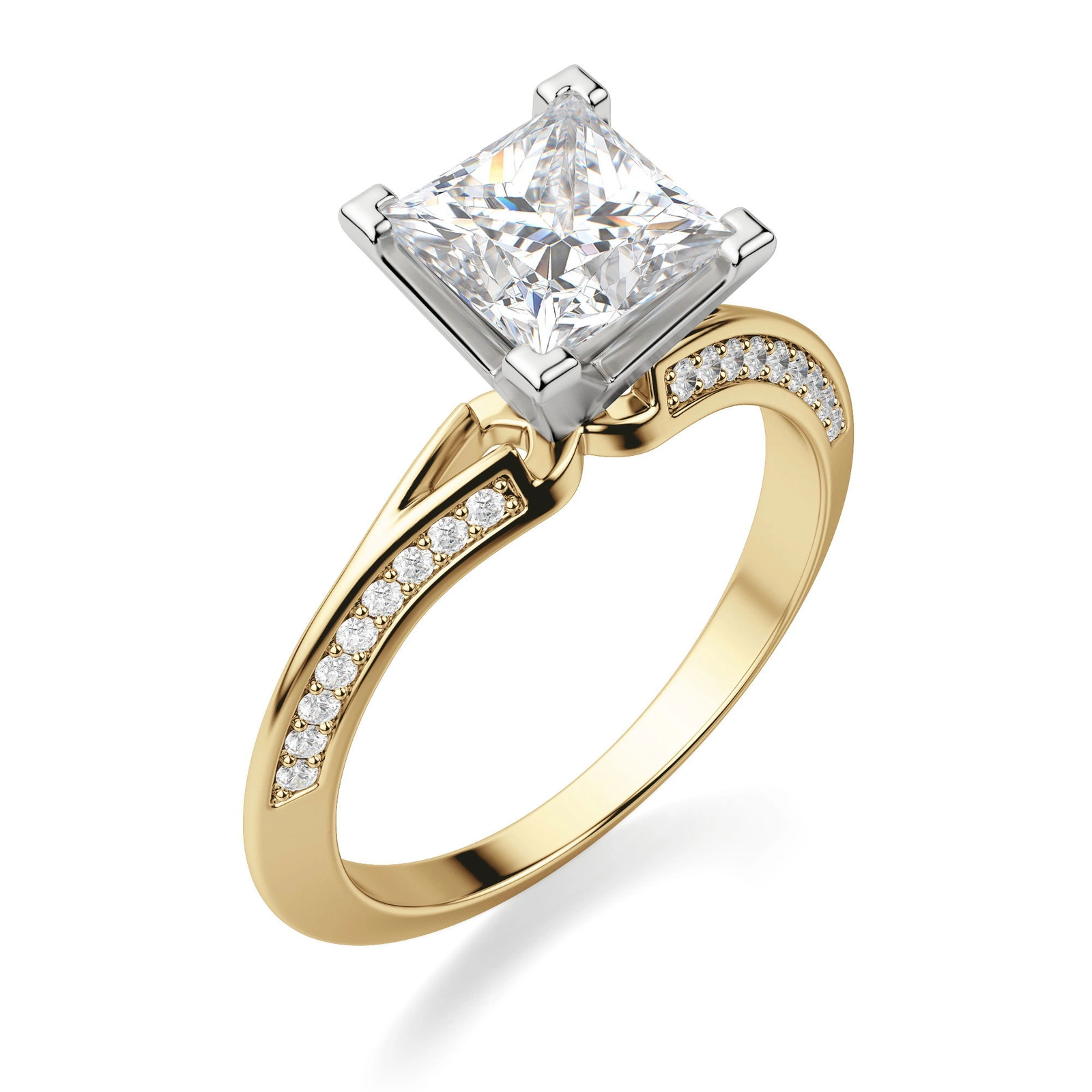
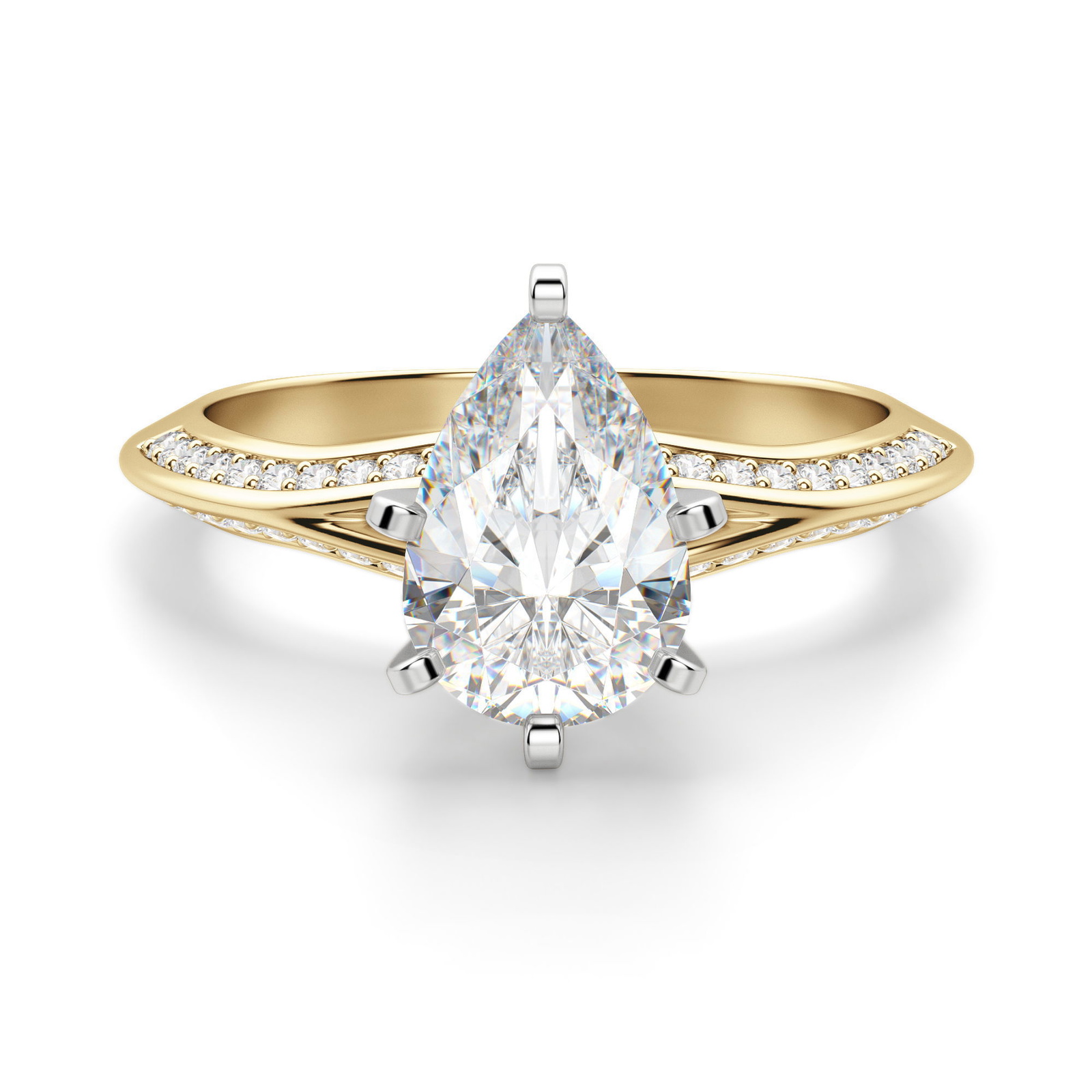
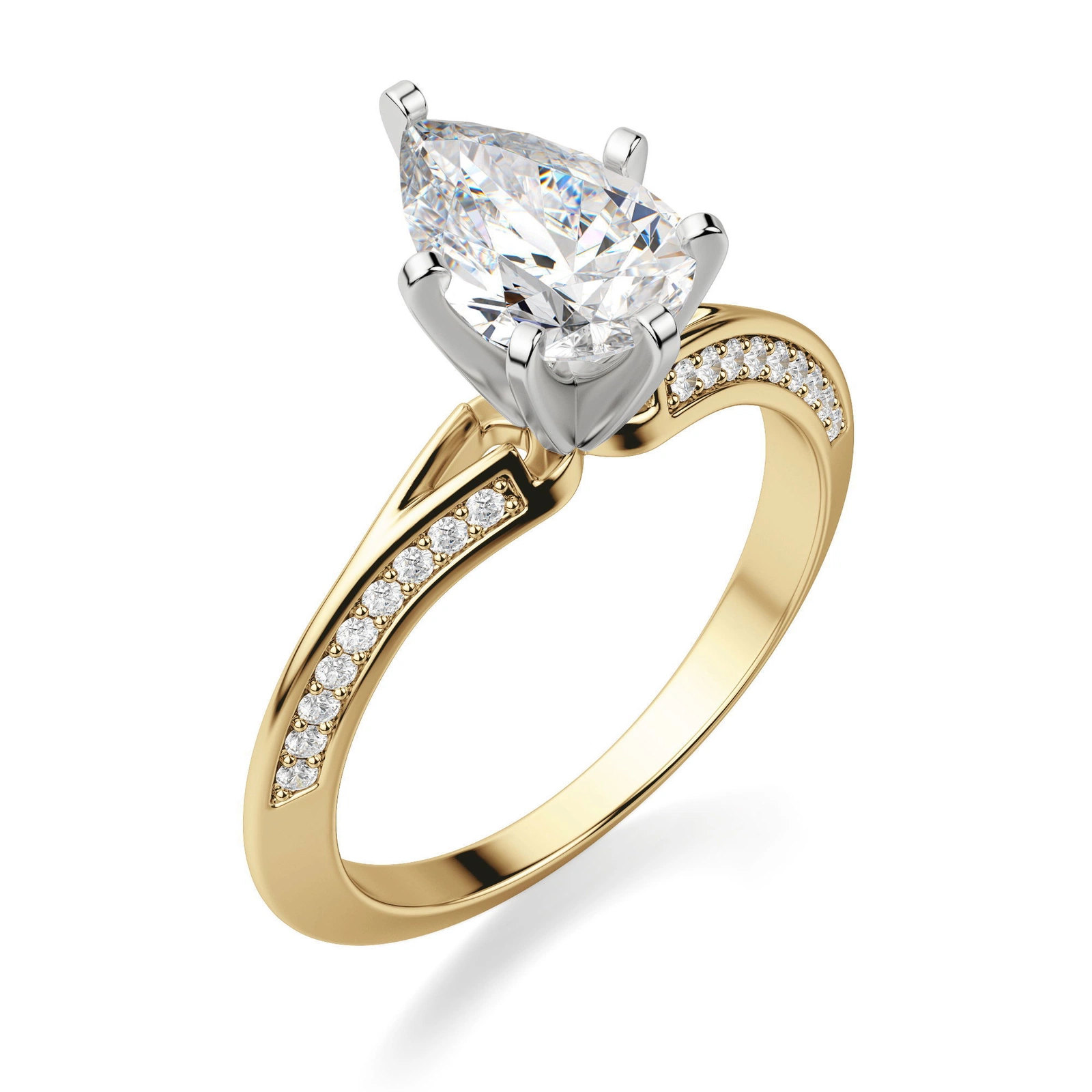
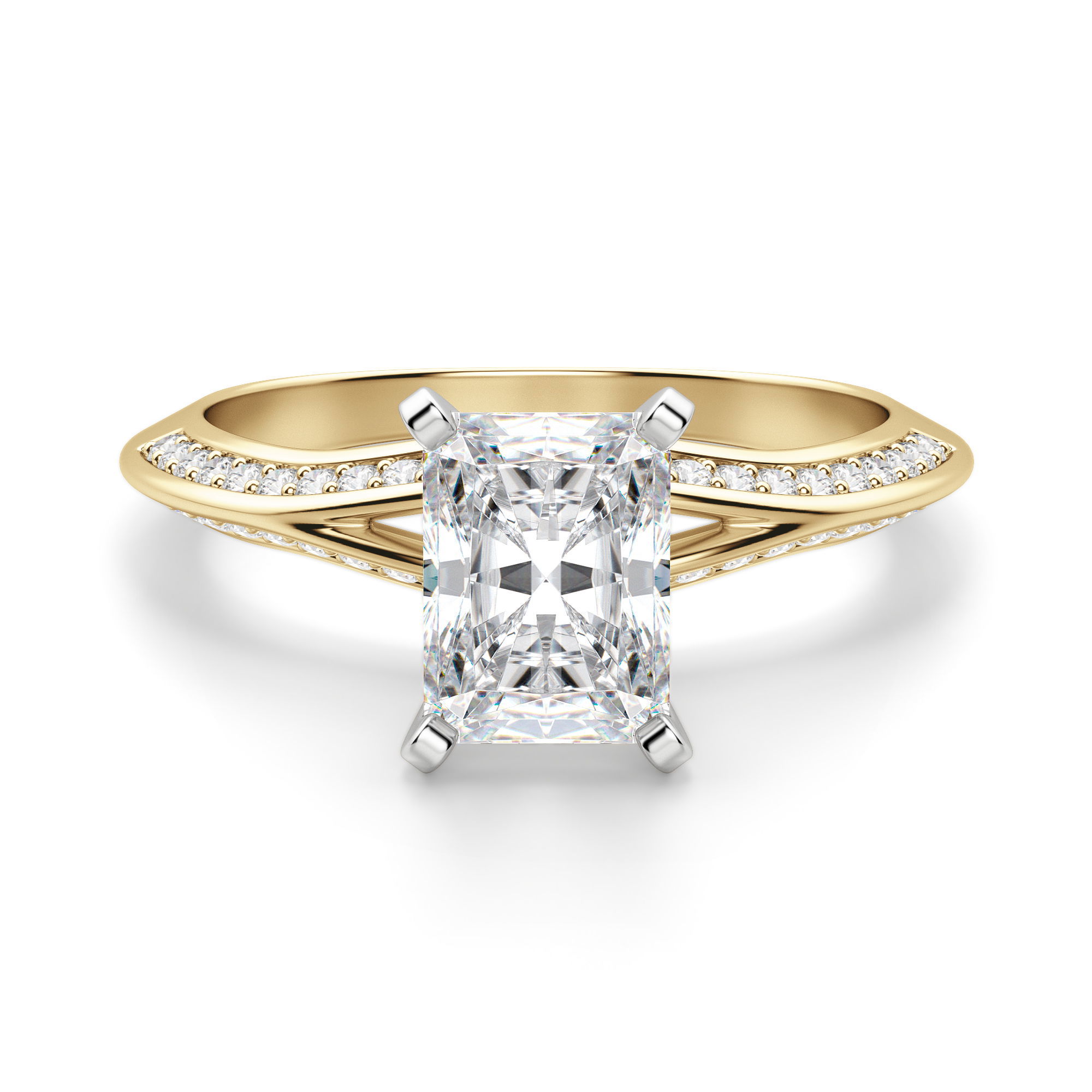
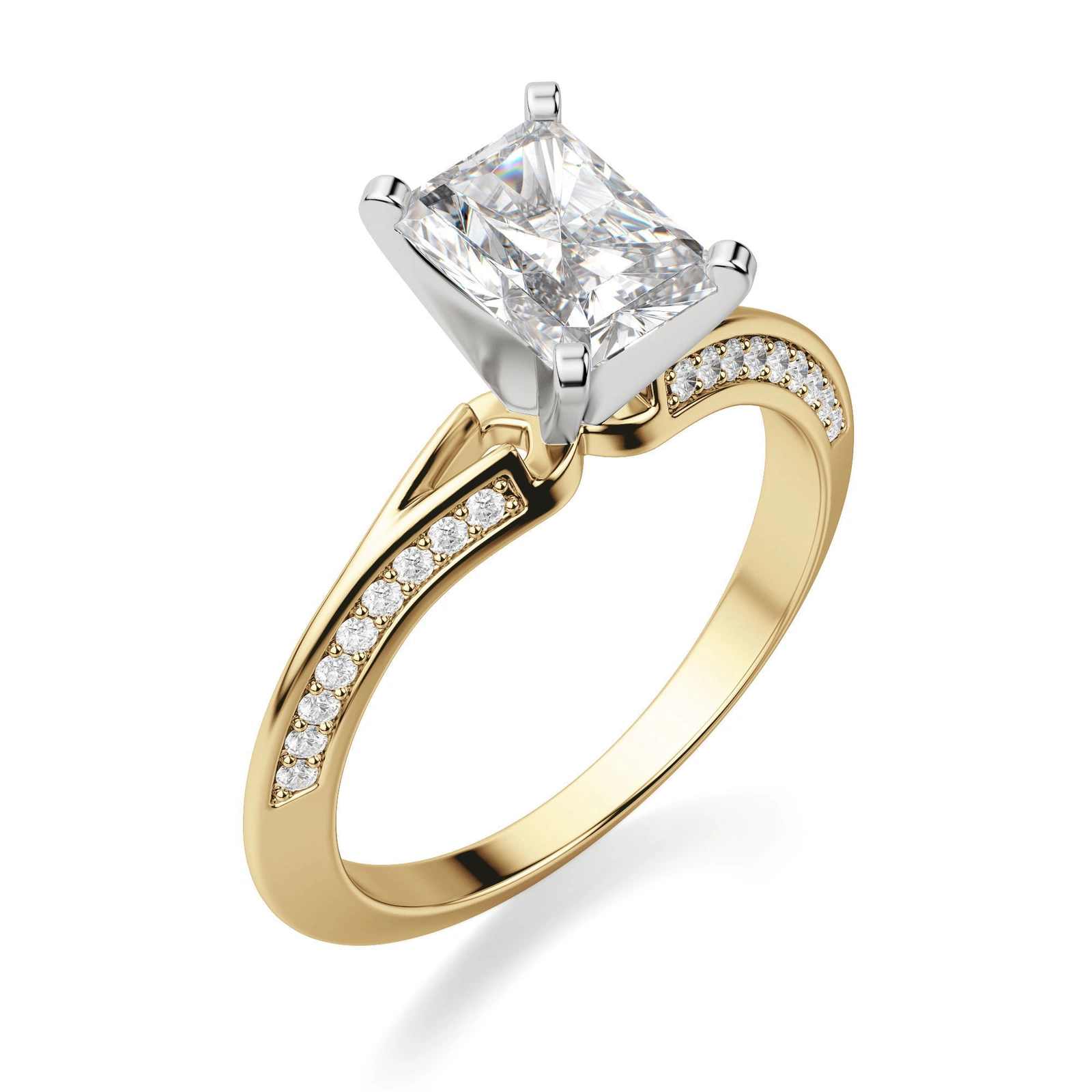
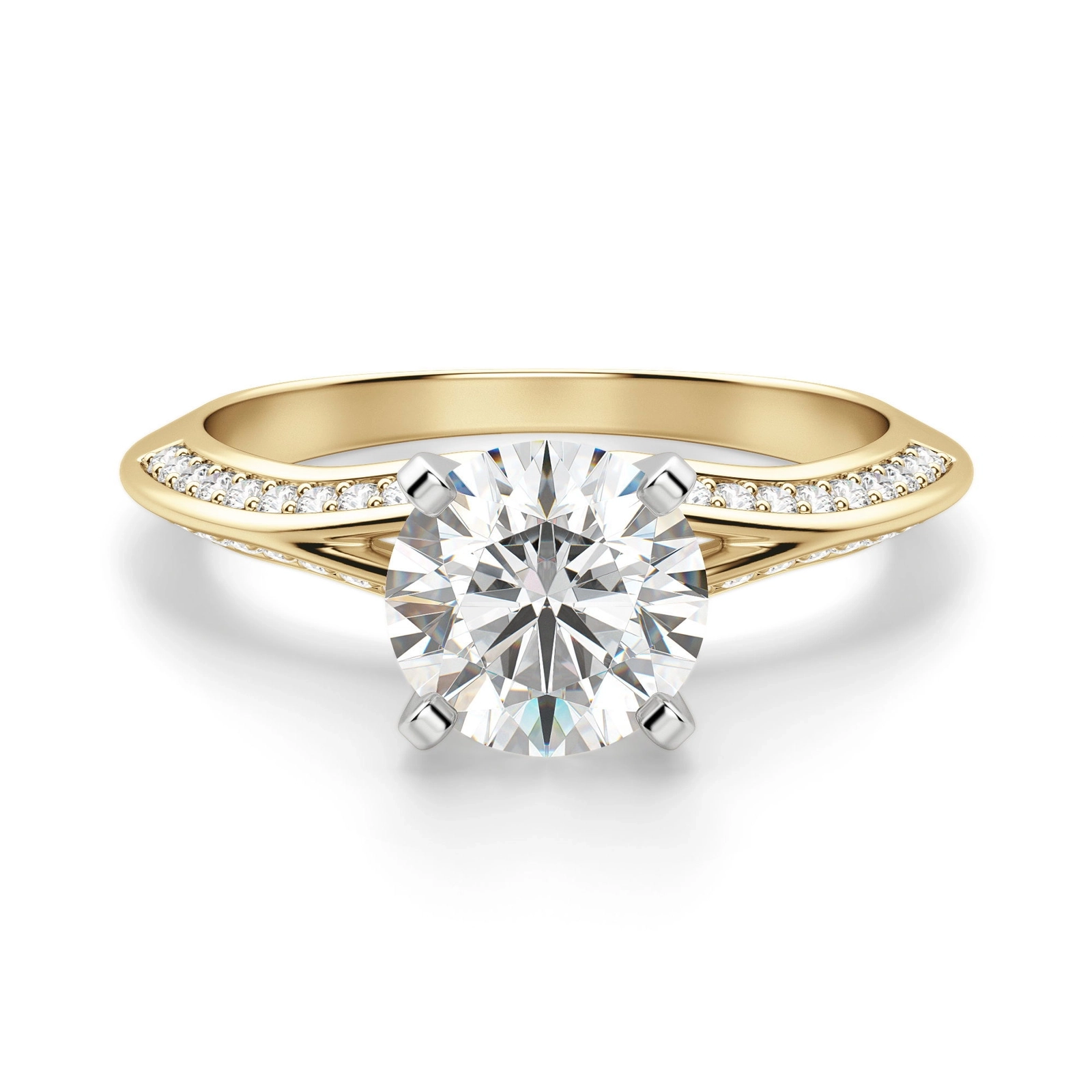
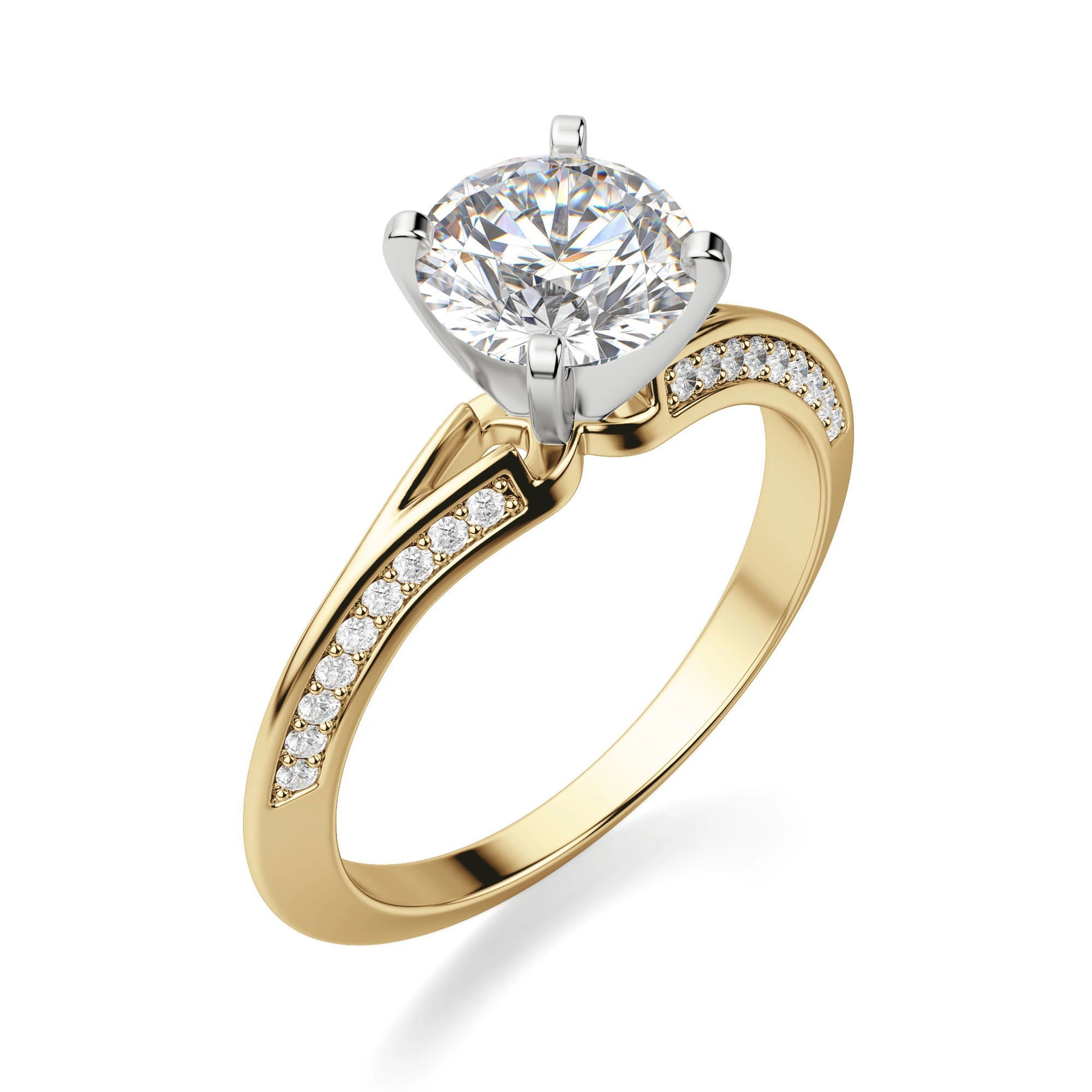
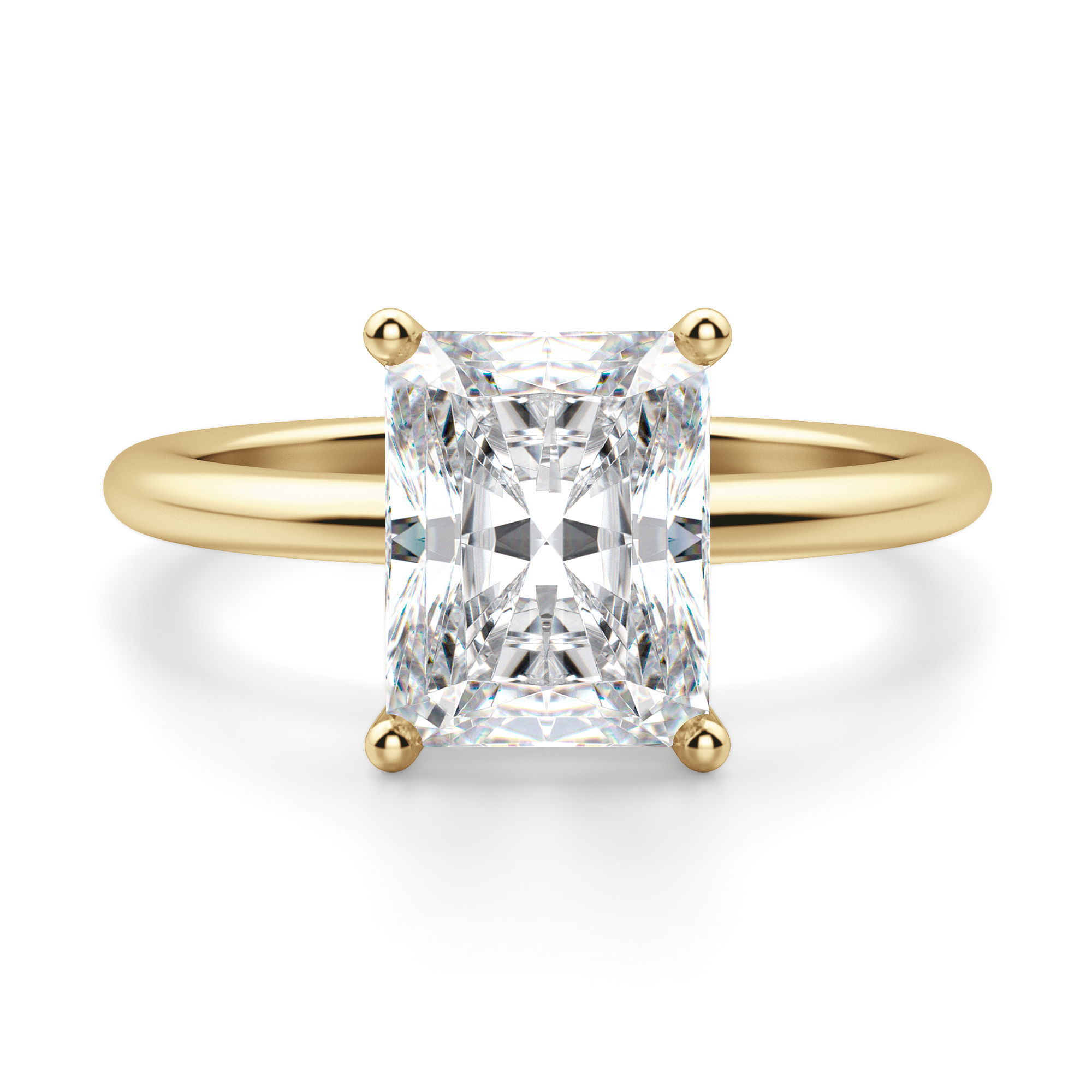
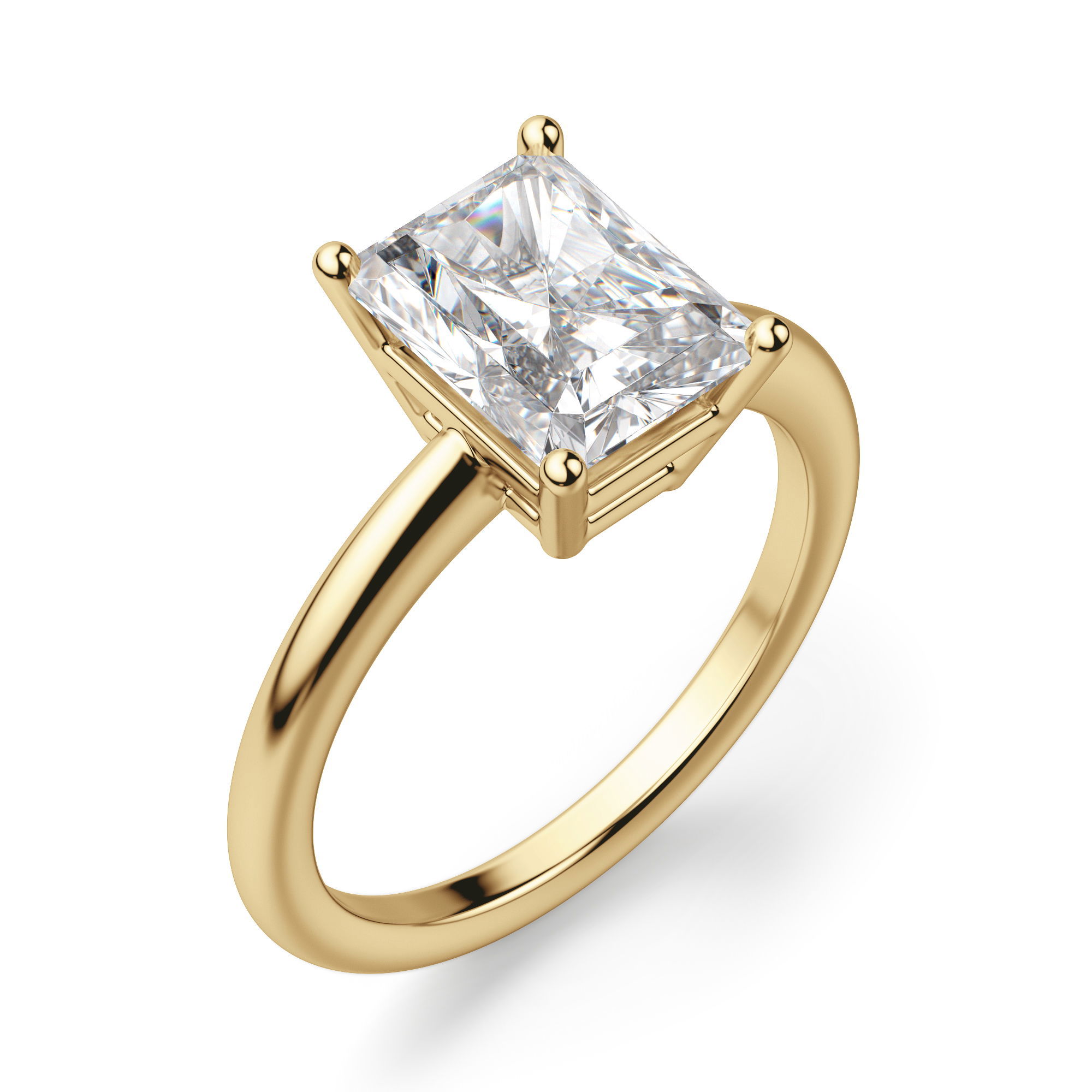
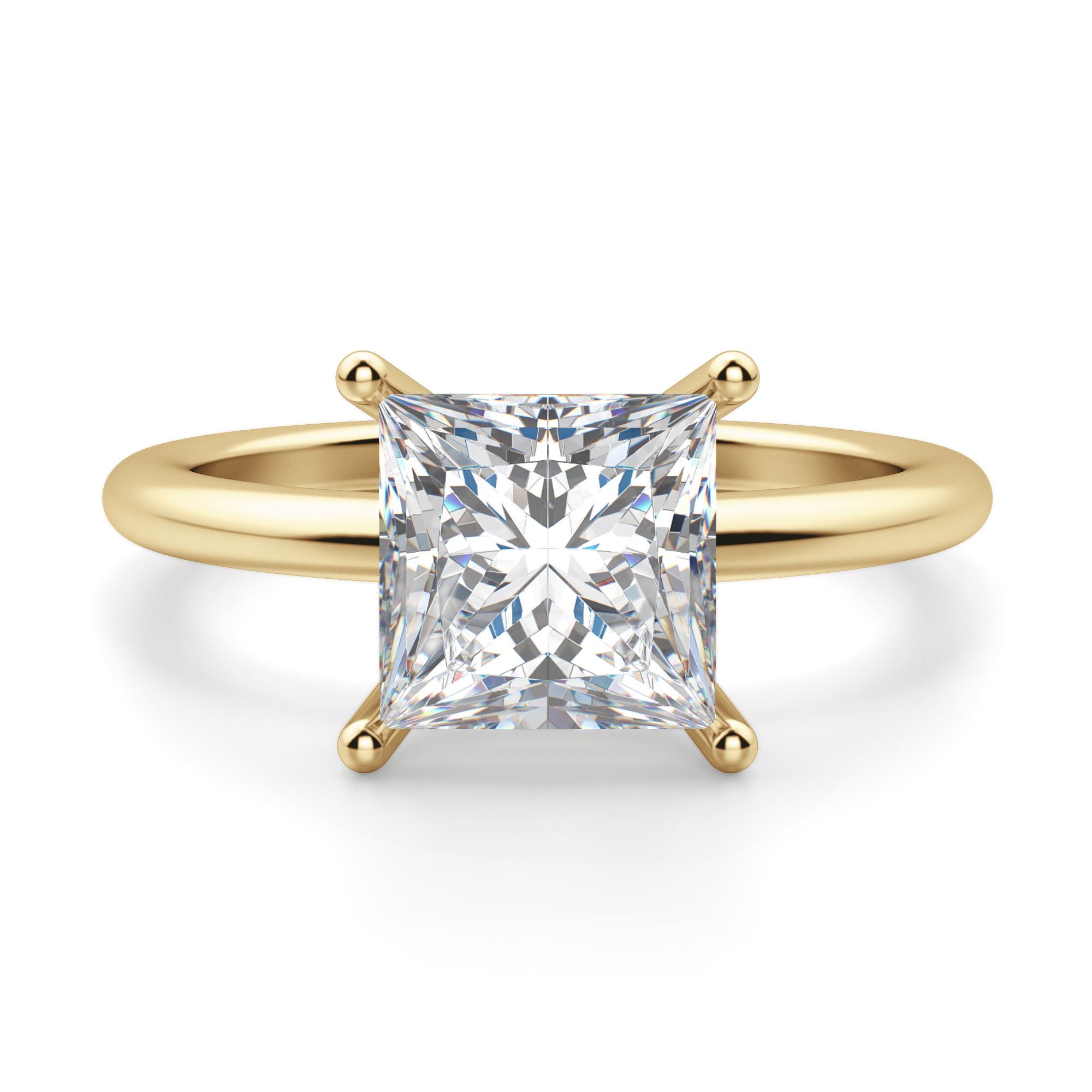
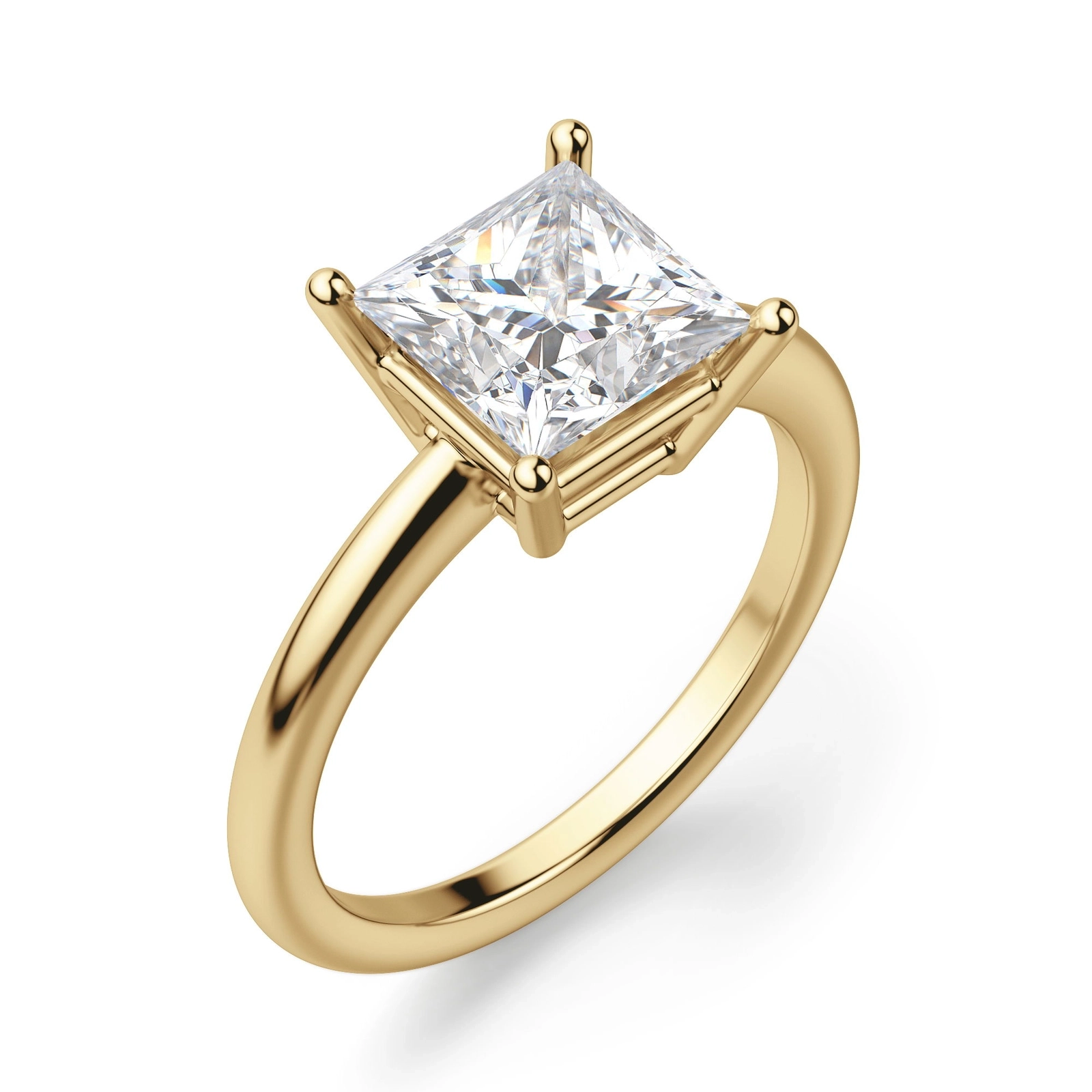
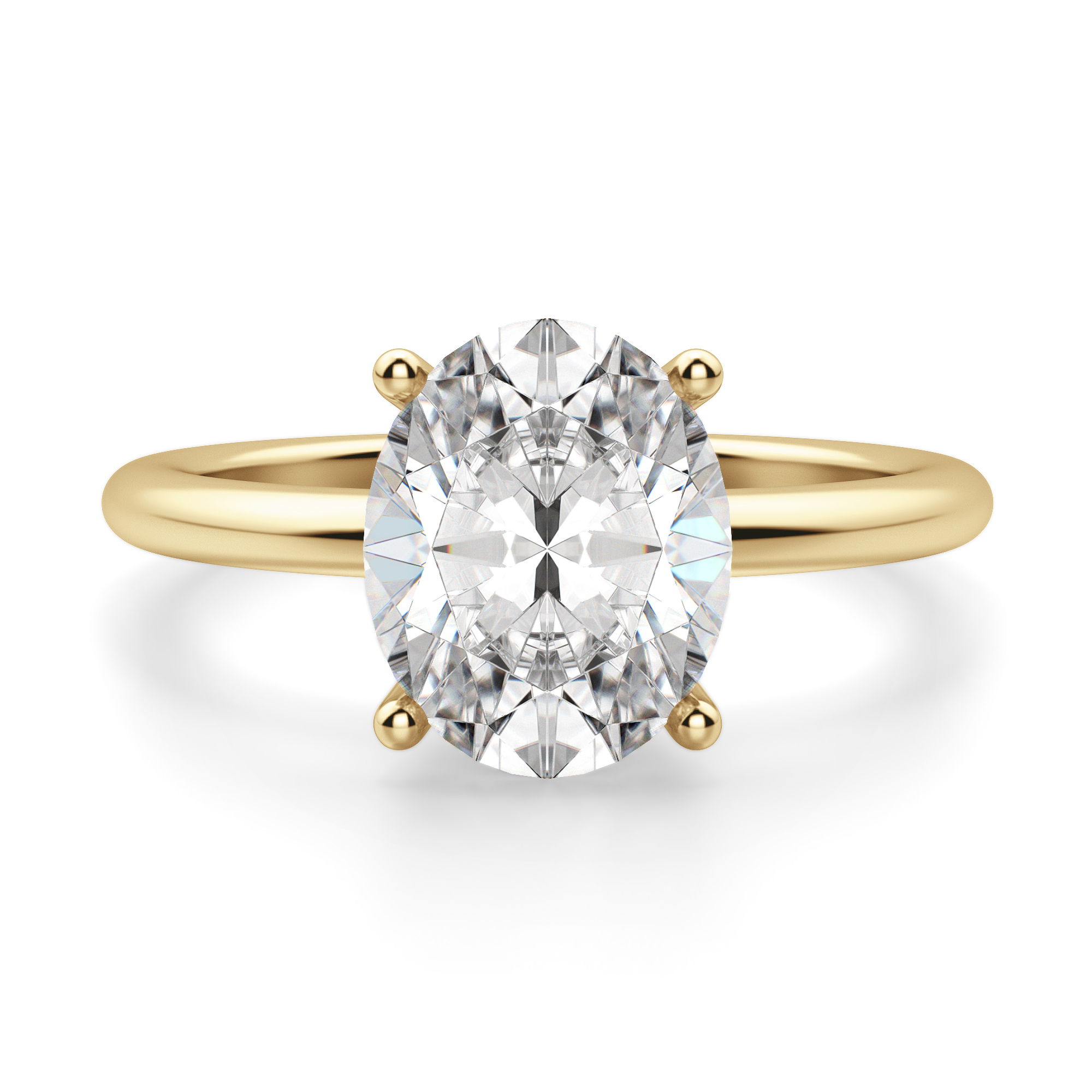
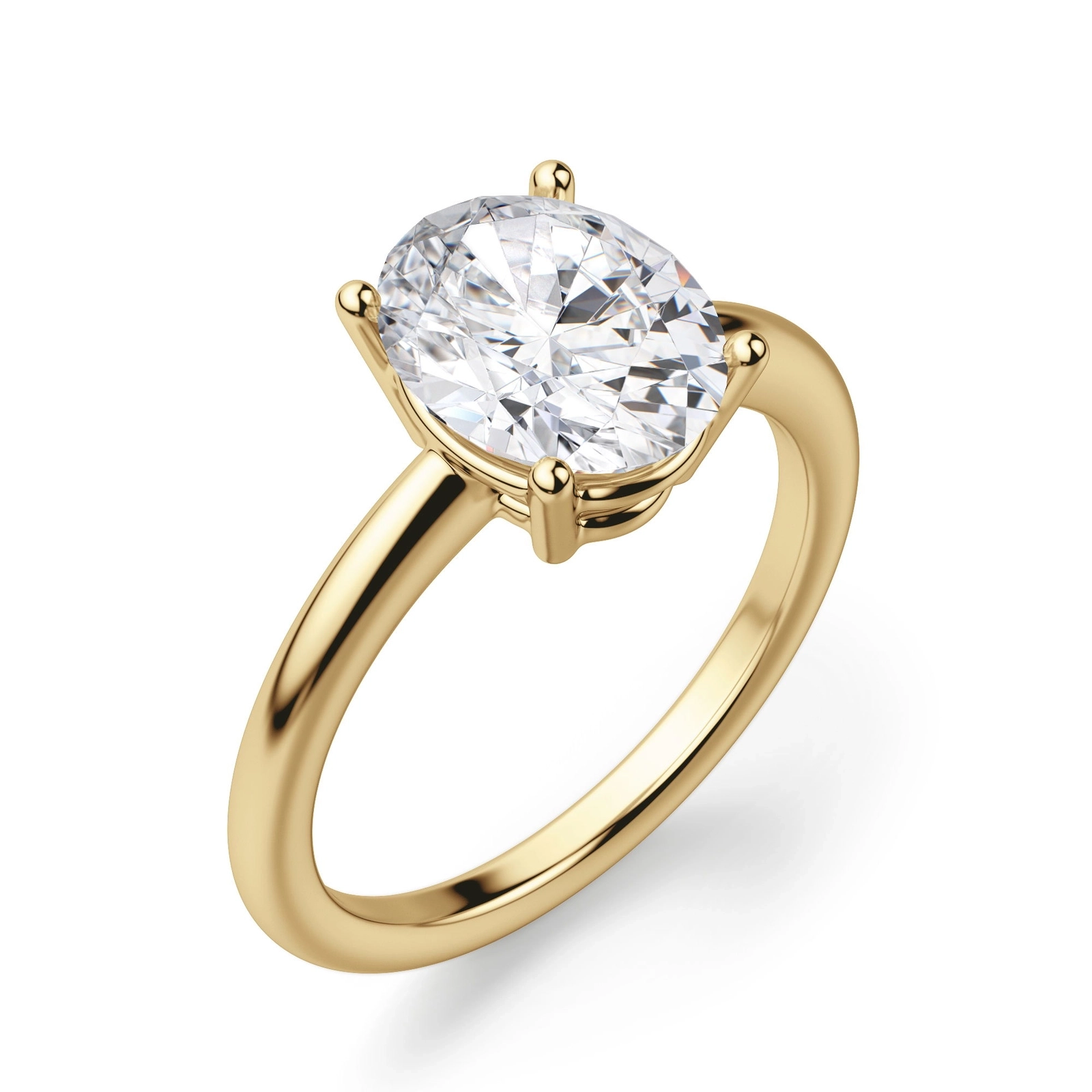
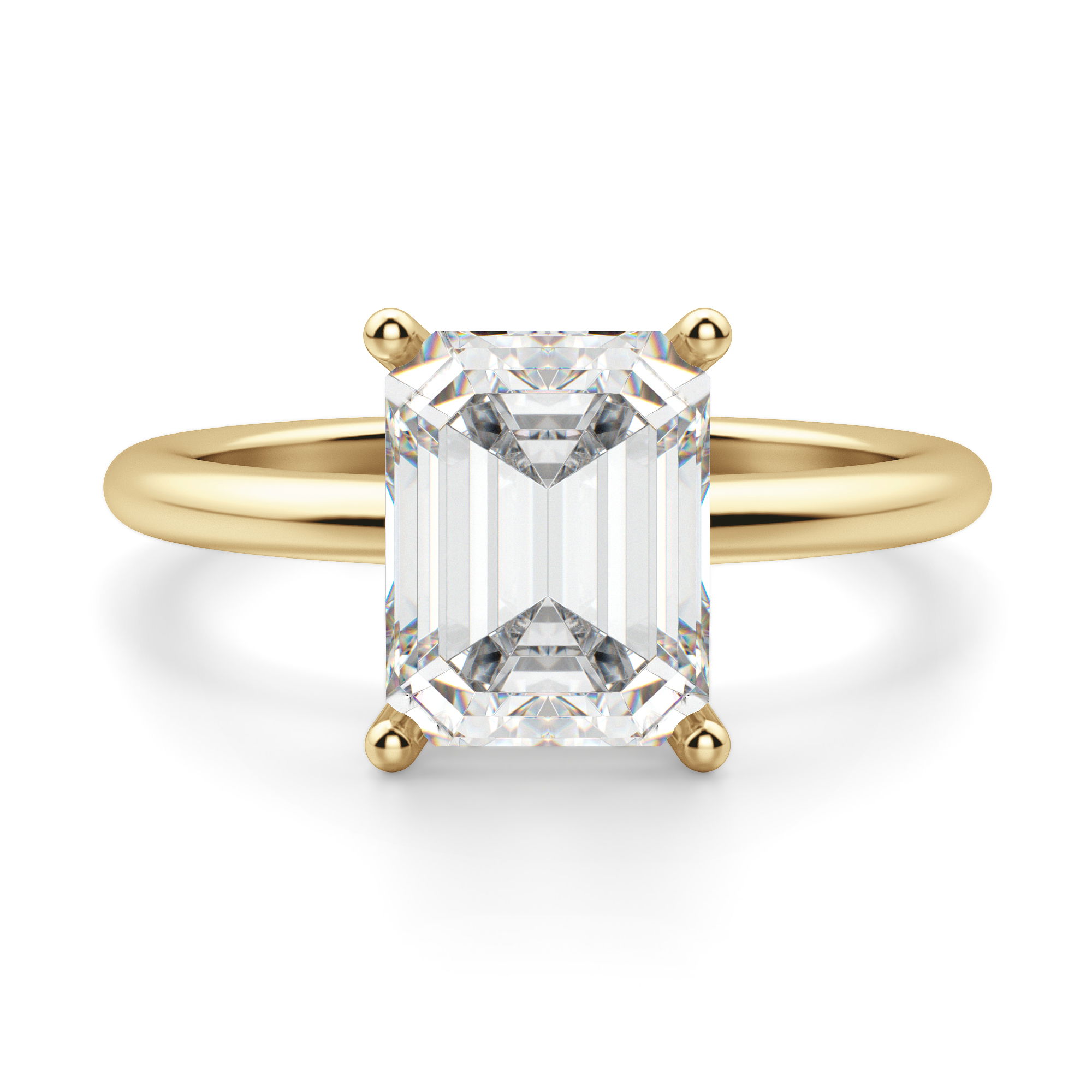
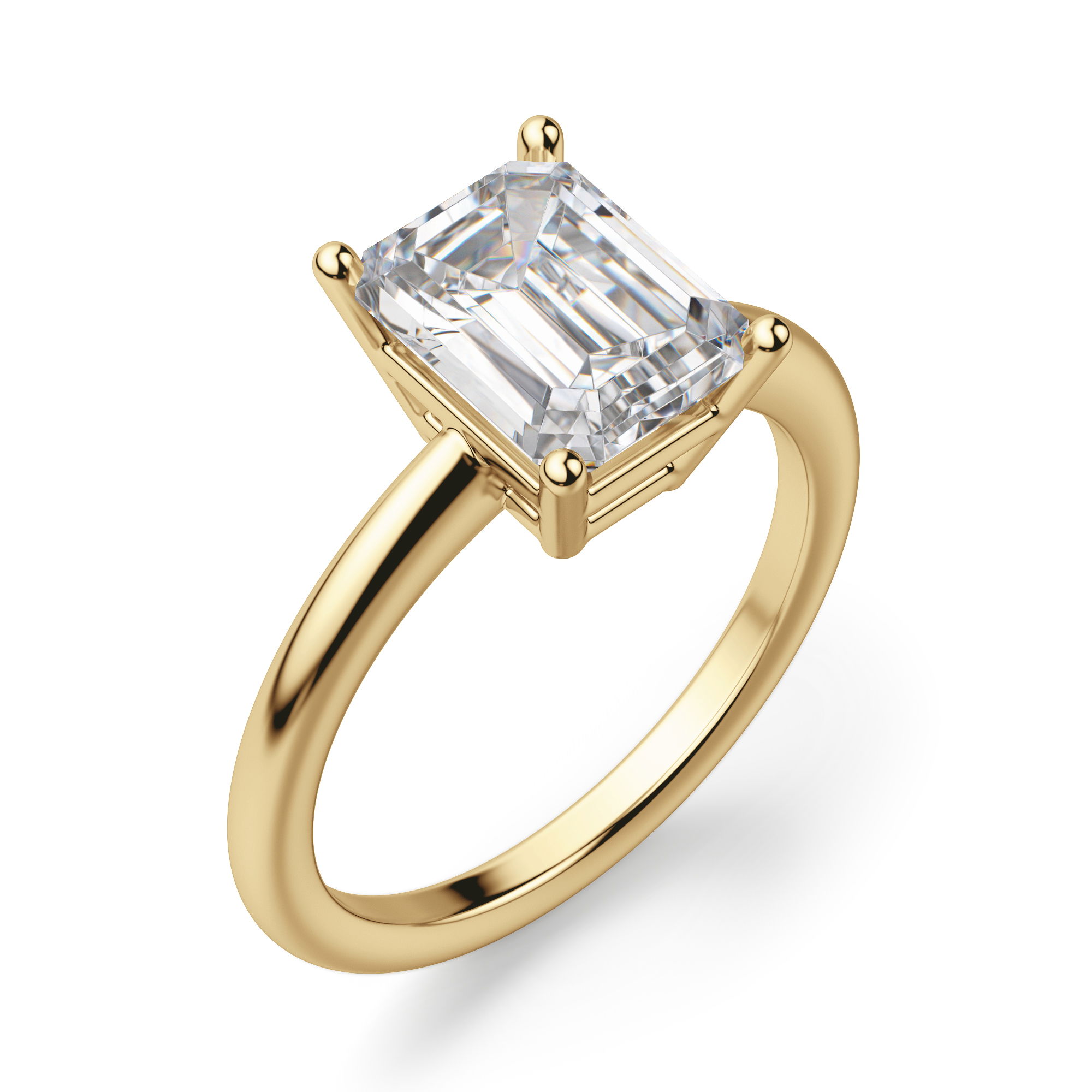
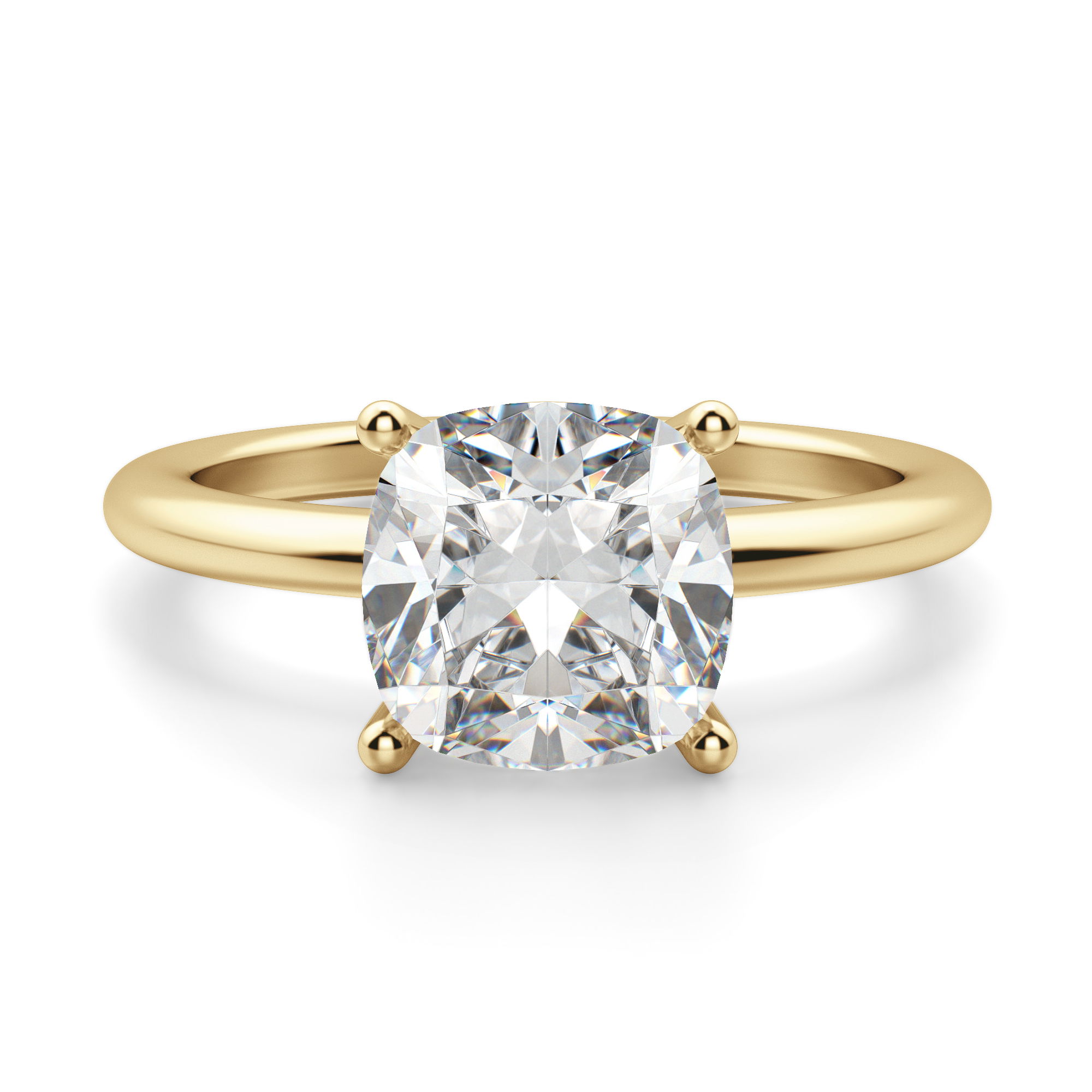
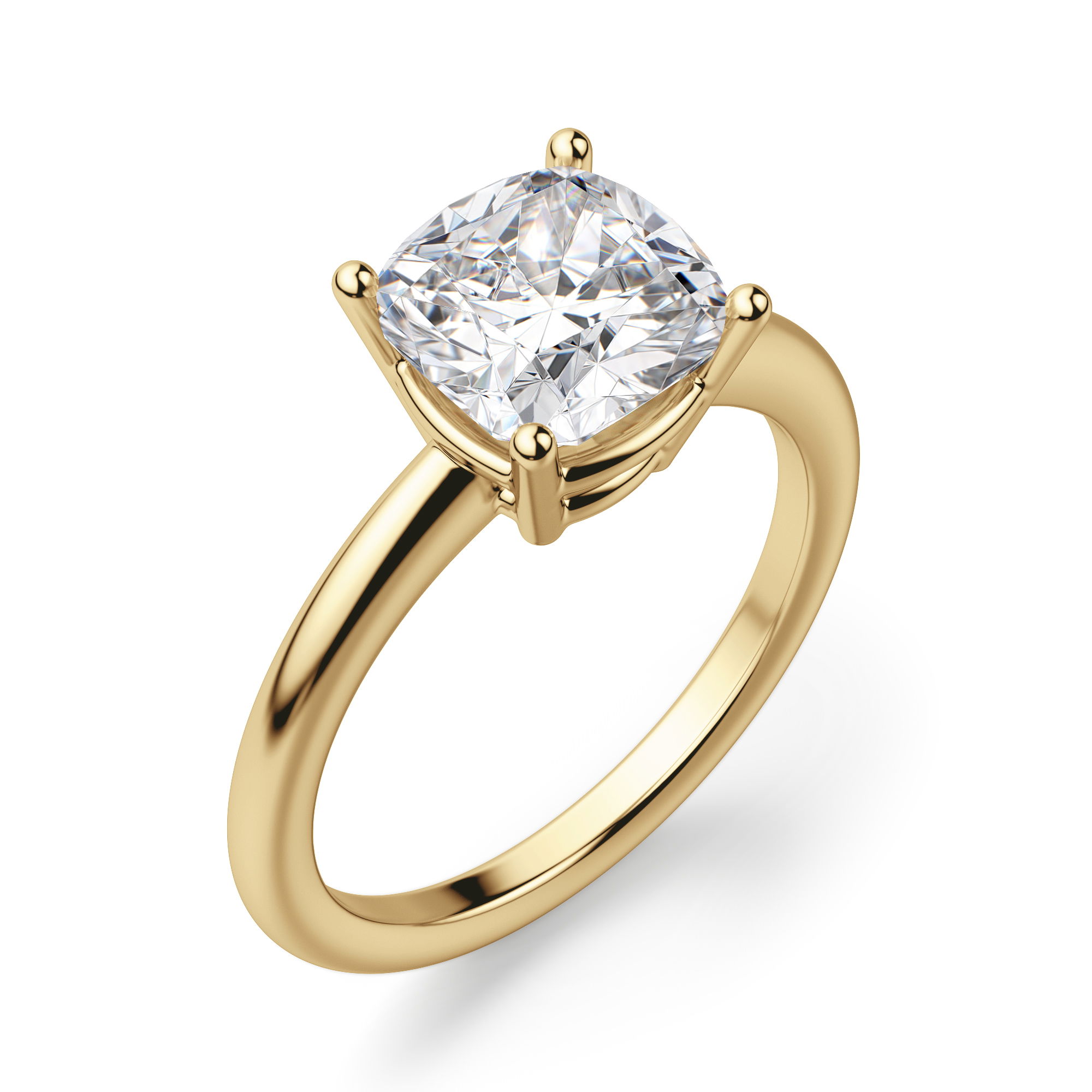
Some engagement rings are designed to make a bold statement, with large centre stones, substantial bands or elaborate settings. Others have a more delicate appearance, with smaller diamonds, slimmer bands and proportions that feel lighter on the finger. This is the idea behind our petite selection: a way to find engagement rings with a more compact, understated look, whether you prefer a solitaire, a design with accent diamonds or another setting. The focus is on the overall proportions rather than a particular ring style, so you can choose the design you love while keeping the appearance delicate and refined.
Our collection includes round, princess, oval, pear, marquise and other cuts, with natural and laboratory-grown diamonds, centre stone weights from 0.50 to 3.00 ct, and a choice of 14K or 18K yellow, white or rose gold, or platinum. Every ring comes with an IGI certificate, so you can review the diamond’s characteristics before making your choice.
Choosing the Right Diamond Shape
The shape of the centre diamond can make a noticeable difference to the appearance of a petite engagement ring. Round diamonds create a classic, balanced look, while oval, pear and marquise shapes can make the finger appear longer without requiring a larger carat weight. Princess-cut diamonds bring a clean, geometric character, while heart-shaped diamonds add a softer, more romantic touch. If you prefer a more delicate appearance, consider how the shape works with the width of the band and the proportions of the setting, rather than looking at carat weight alone.
Elongated shapes such as oval, pear, marquise and heart can still show a bow-tie effect — a shadow across the centre of the stone that varies from one diamond to another. This is worth checking when comparing diamonds, particularly if you want the centre stone to look bright and well-balanced from different angles.
Choosing Your Metal
Metal changes the character of a petite engagement ring as much as the diamond does:
- Yellow gold engagement rings carry a warm, traditional tone.
- White gold engagement rings get a bright, cool finish from a rhodium coating, which occasional re-plating keeps looking its brightest.
- Rose gold engagement rings have a warm pink hue from their copper content, and are naturally resistant to everyday wear.
- Platinum engagement rings use a naturally white metal that never needs rhodium plating, with a denser, heavier feel than gold.
For yellow, white and rose gold, 14K contains more alloy metal for extra scratch resistance, while 18K contains more pure gold for a richer colour; platinum, by contrast, is usually offered at a single, naturally high purity.
Related Categories: Yellow Gold Engagement Rings, White Gold Engagement Rings, Rose Gold Engagement Rings, Platinum Engagement Rings
Choosing Your Diamond
Once you've settled on a style, stone shape, and metal, two more choices remain: where the diamond comes from, and its quality. Natural diamonds formed underground over billions of years, while lab-grown diamonds are created in a matter of weeks through a process that replicates those same conditions. Both are genuine diamonds, chemically and physically identical, and neither should be confused with simulants like cubic zirconia or moissanite — the choice comes down to personal preference, not quality.
Quality itself is measured by the 4Cs: carat weight (the diamond's size), colour (graded from colourless to visibly tinted), clarity (the presence of natural inclusions; ours are typically VVS/VS, meaning they're difficult to see without magnification) and cut (how well the diamond reflects light). Every engagement ring in our collection comes with an IGI certificate detailing these characteristics.