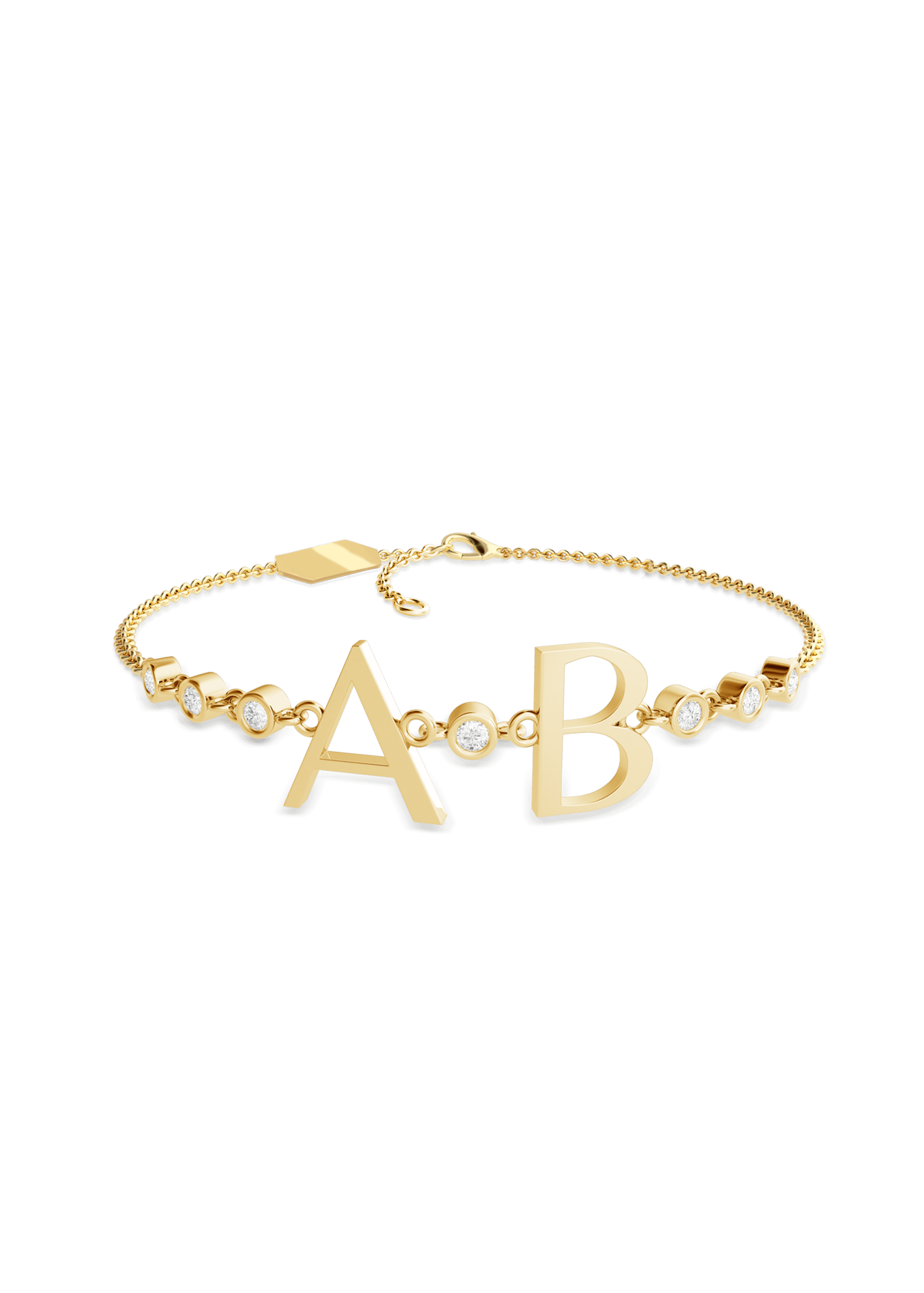
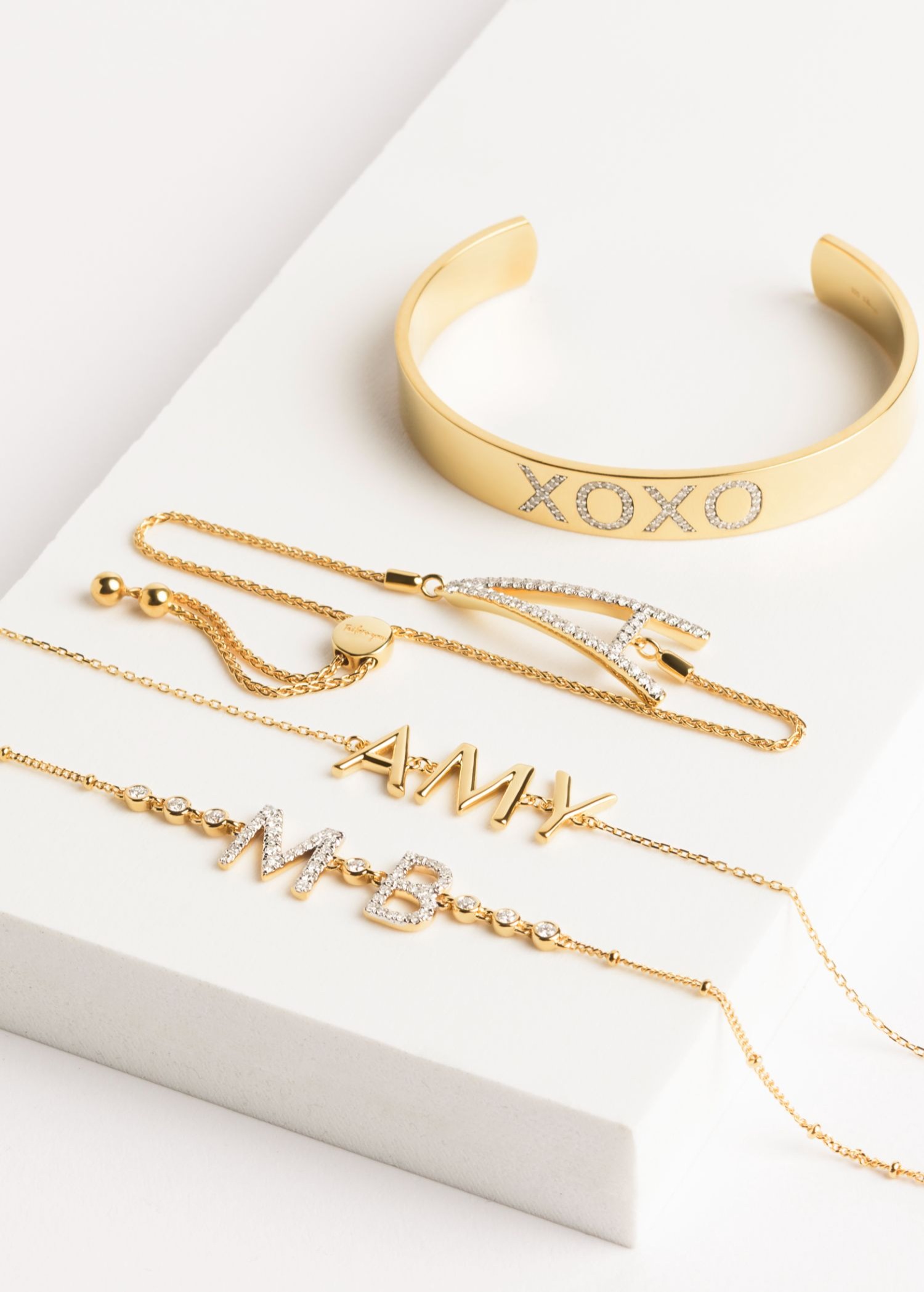
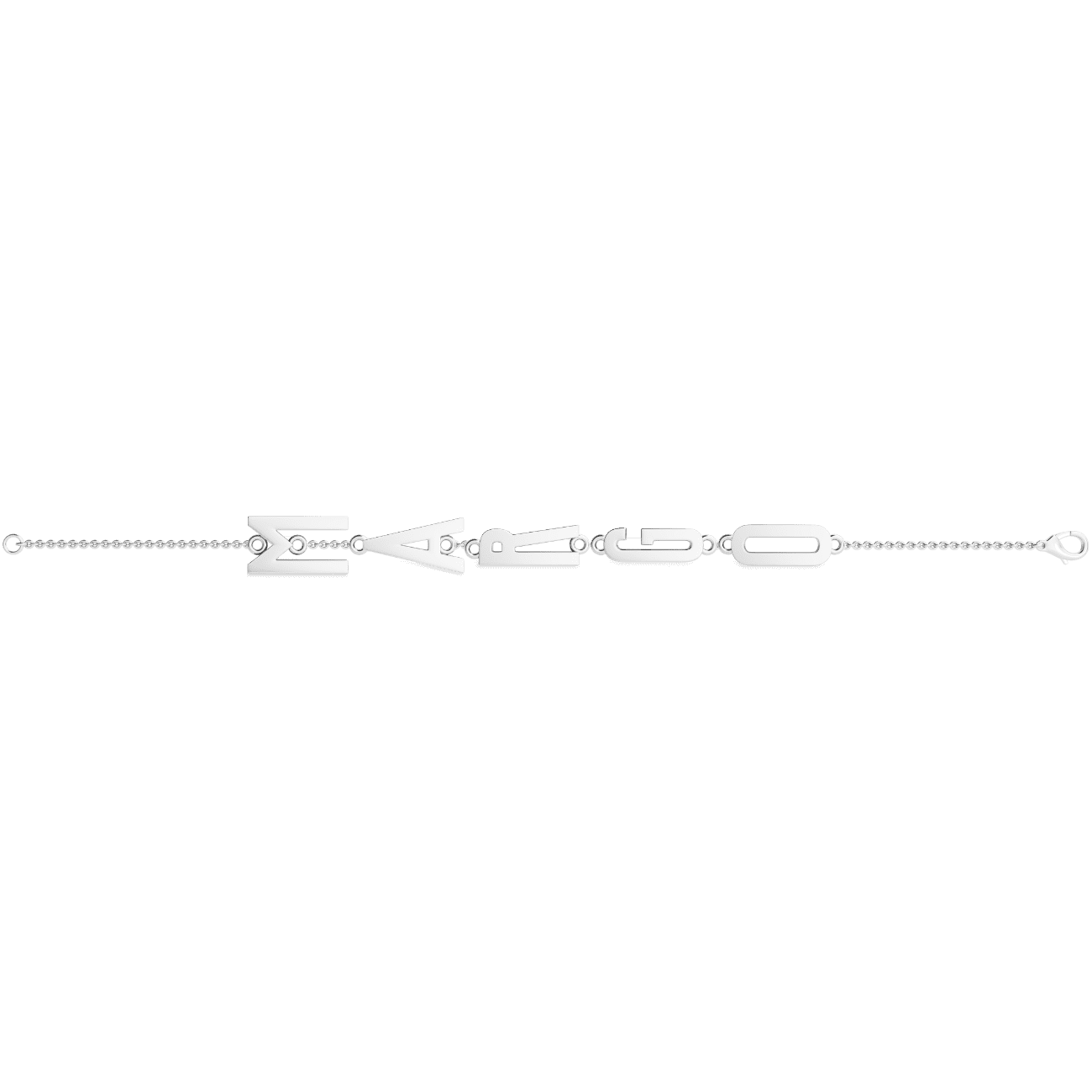
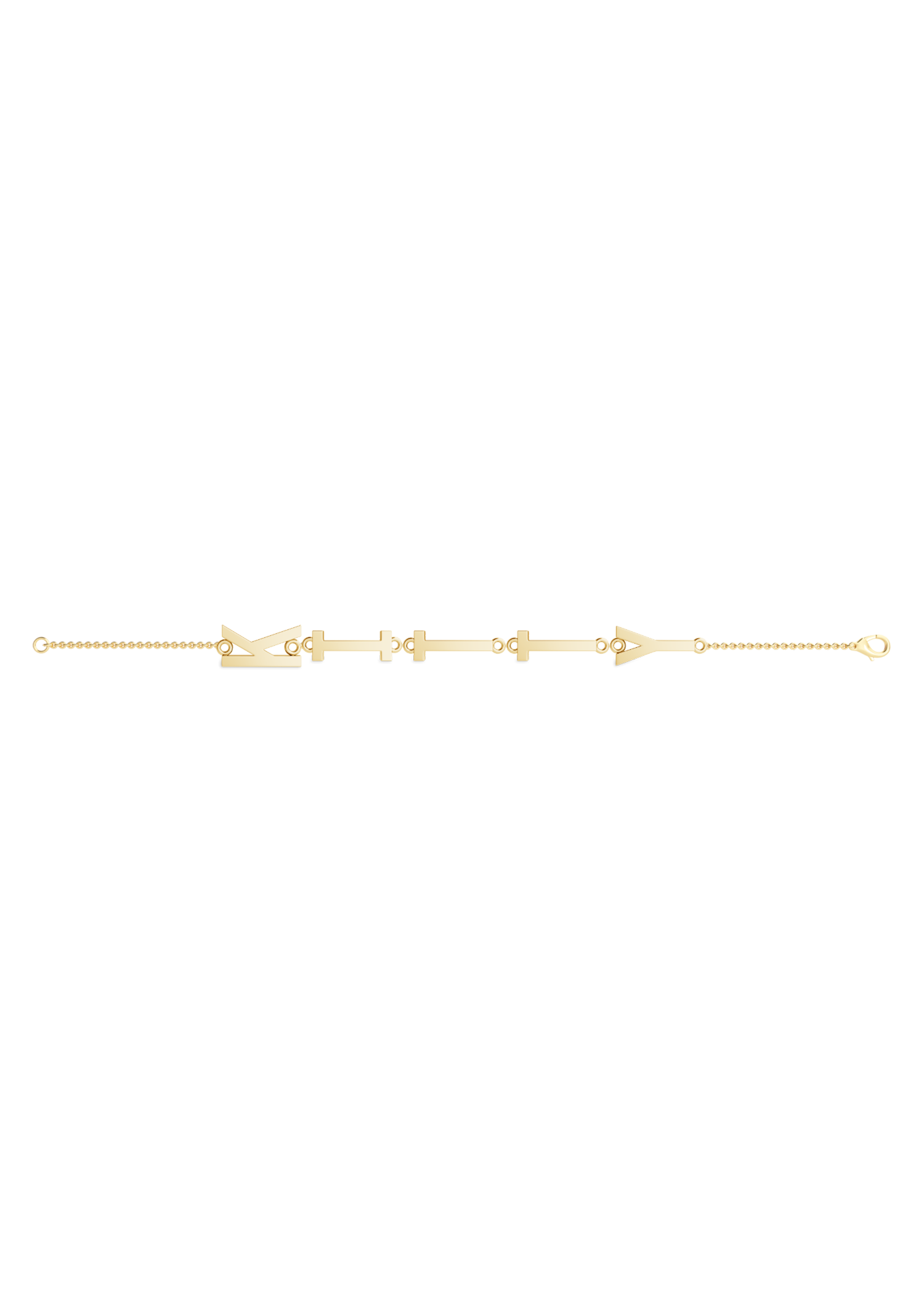
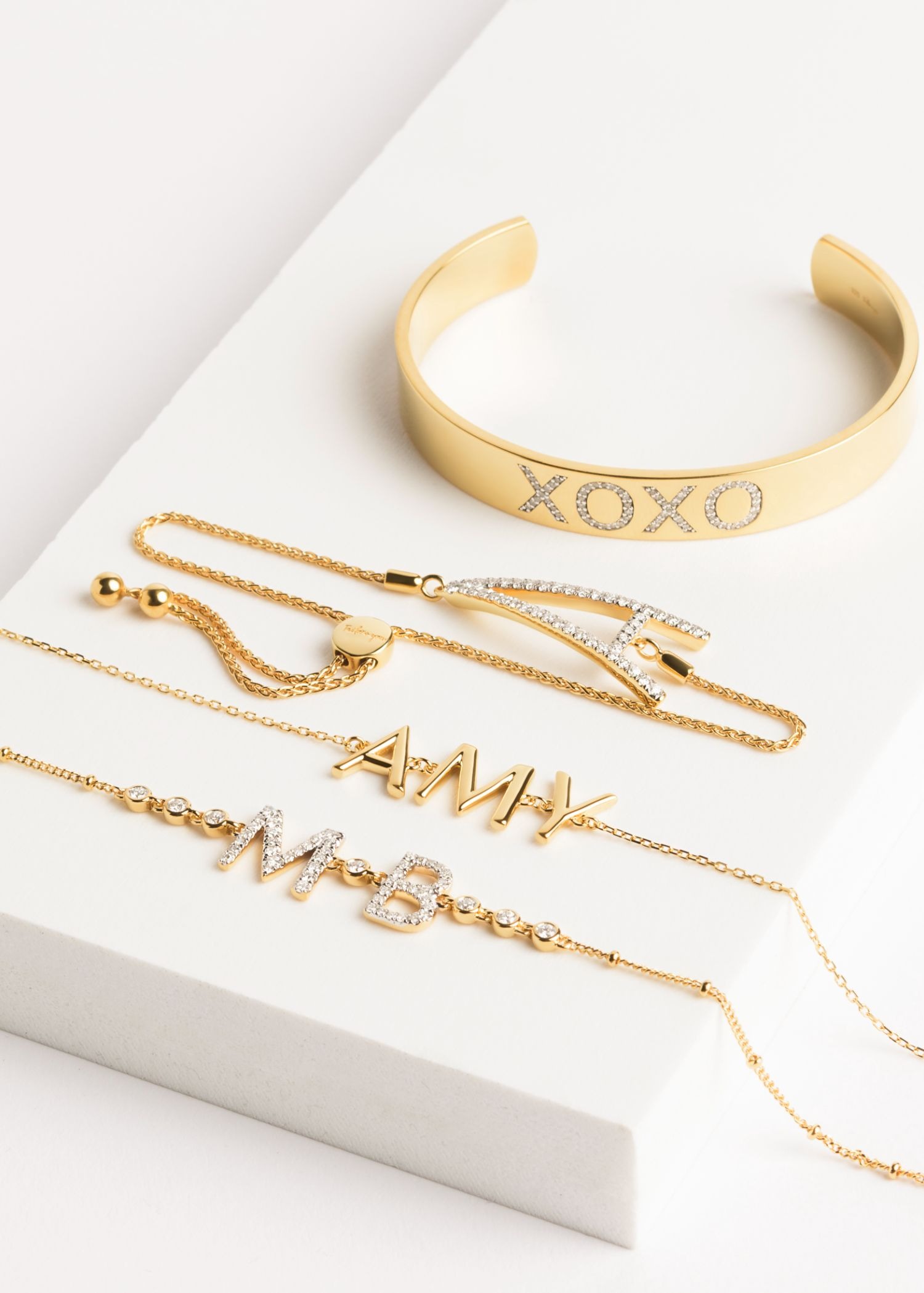
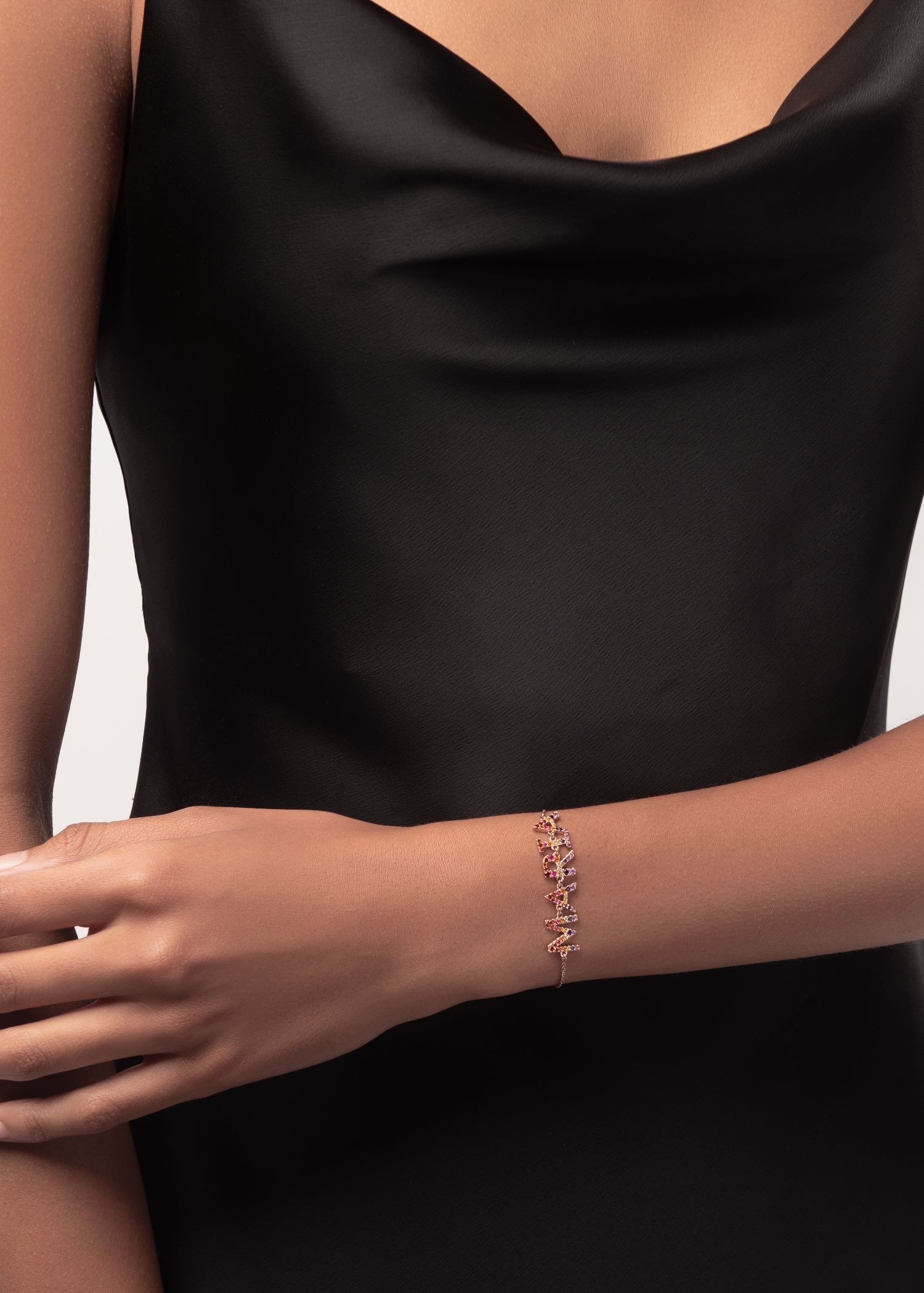
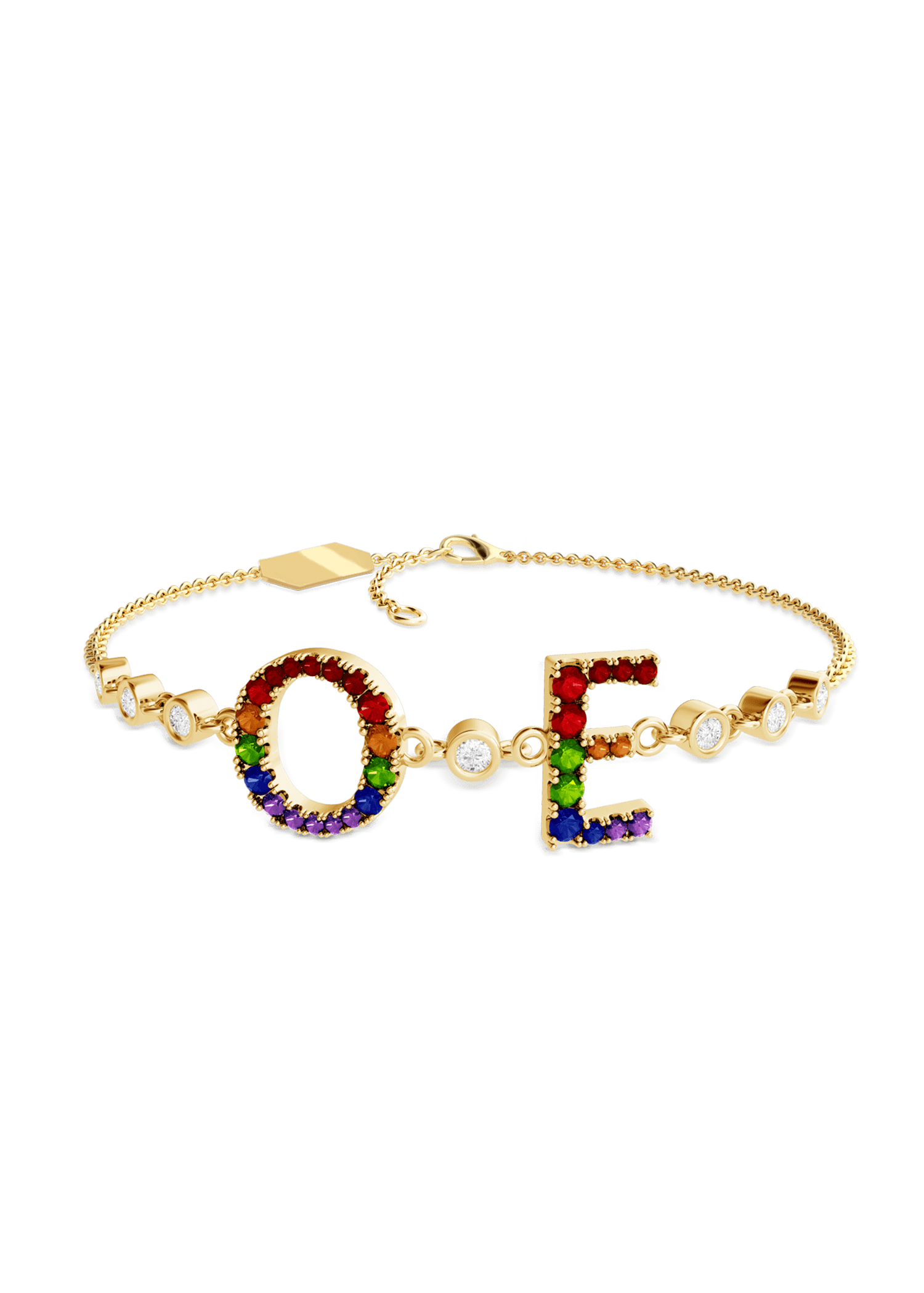
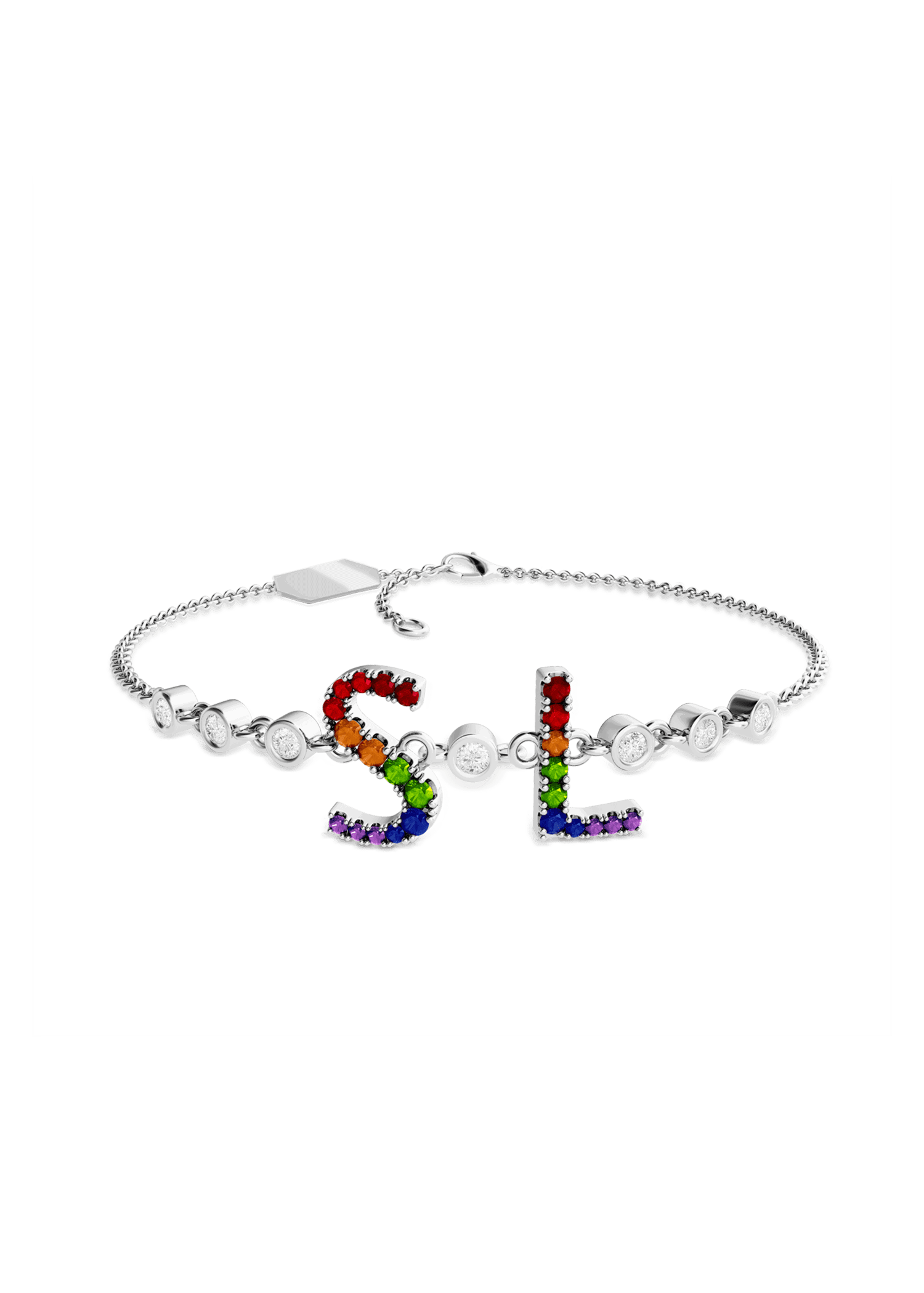
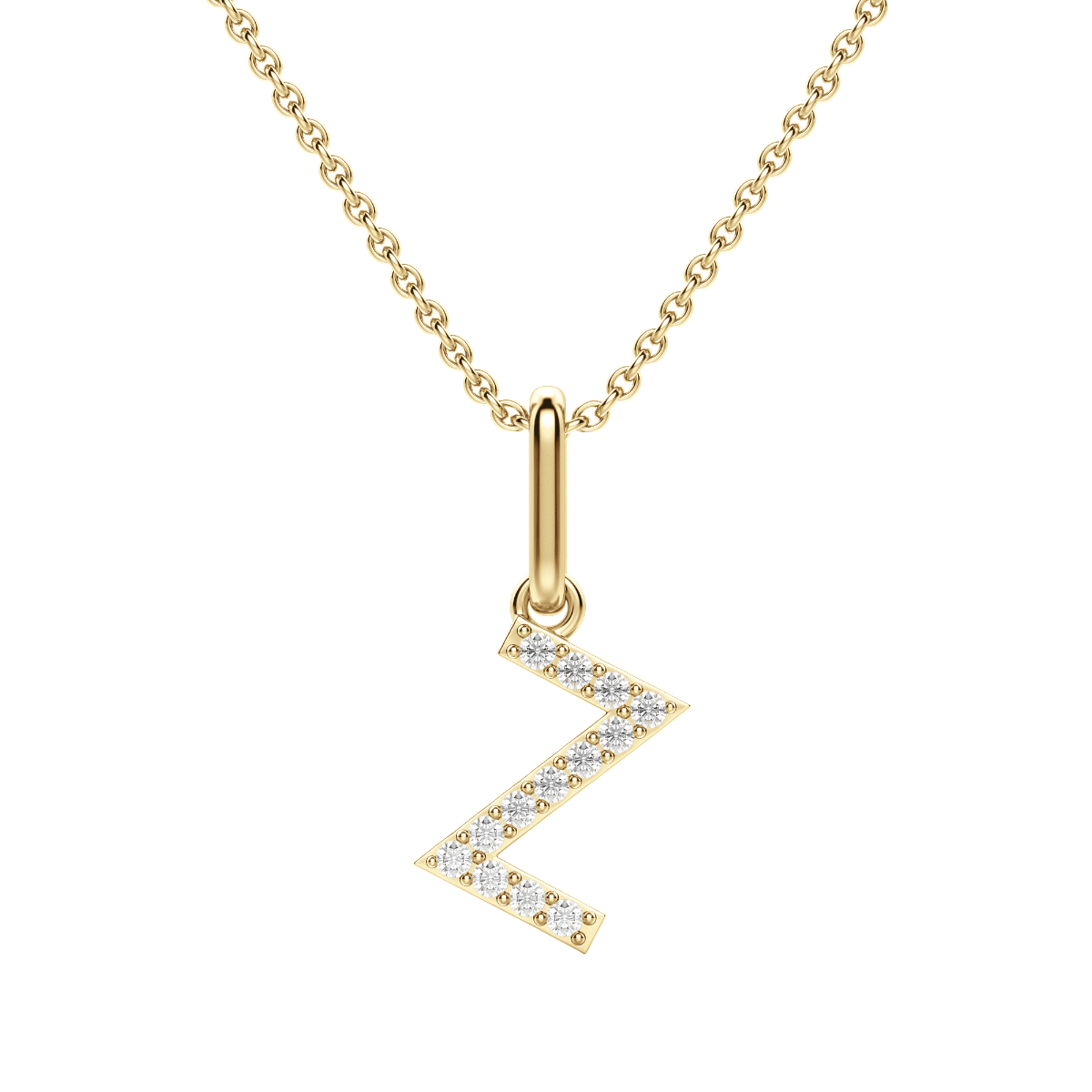
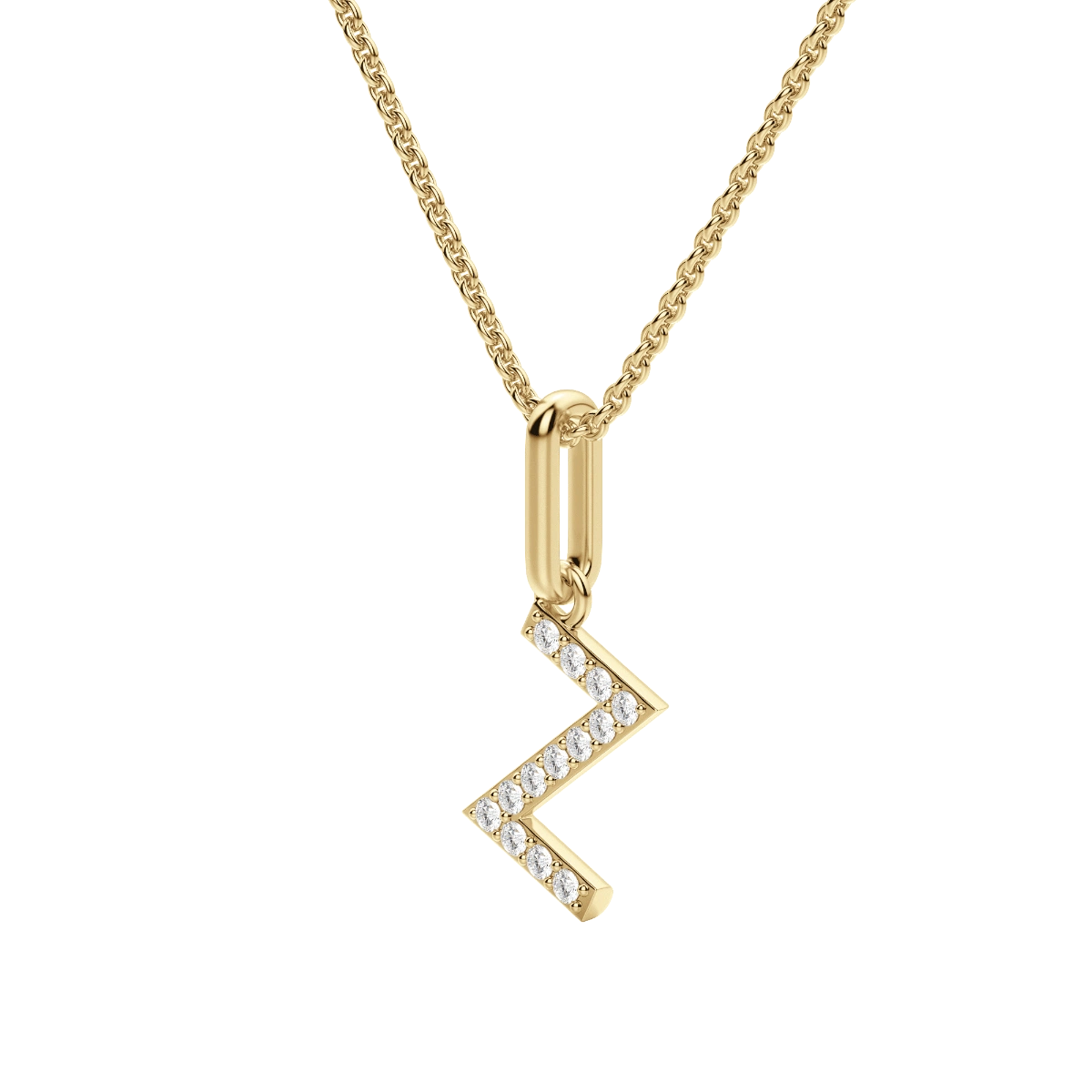
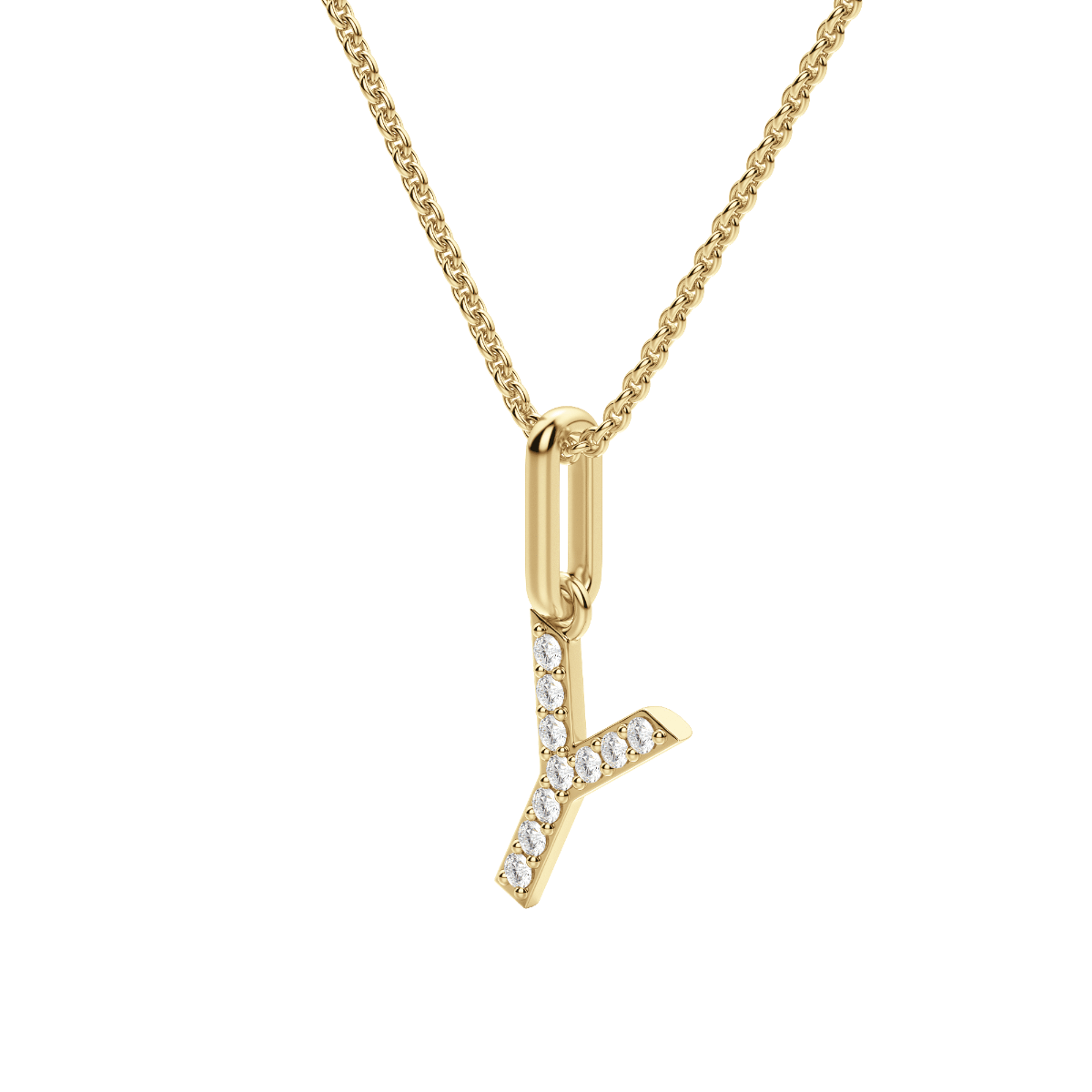
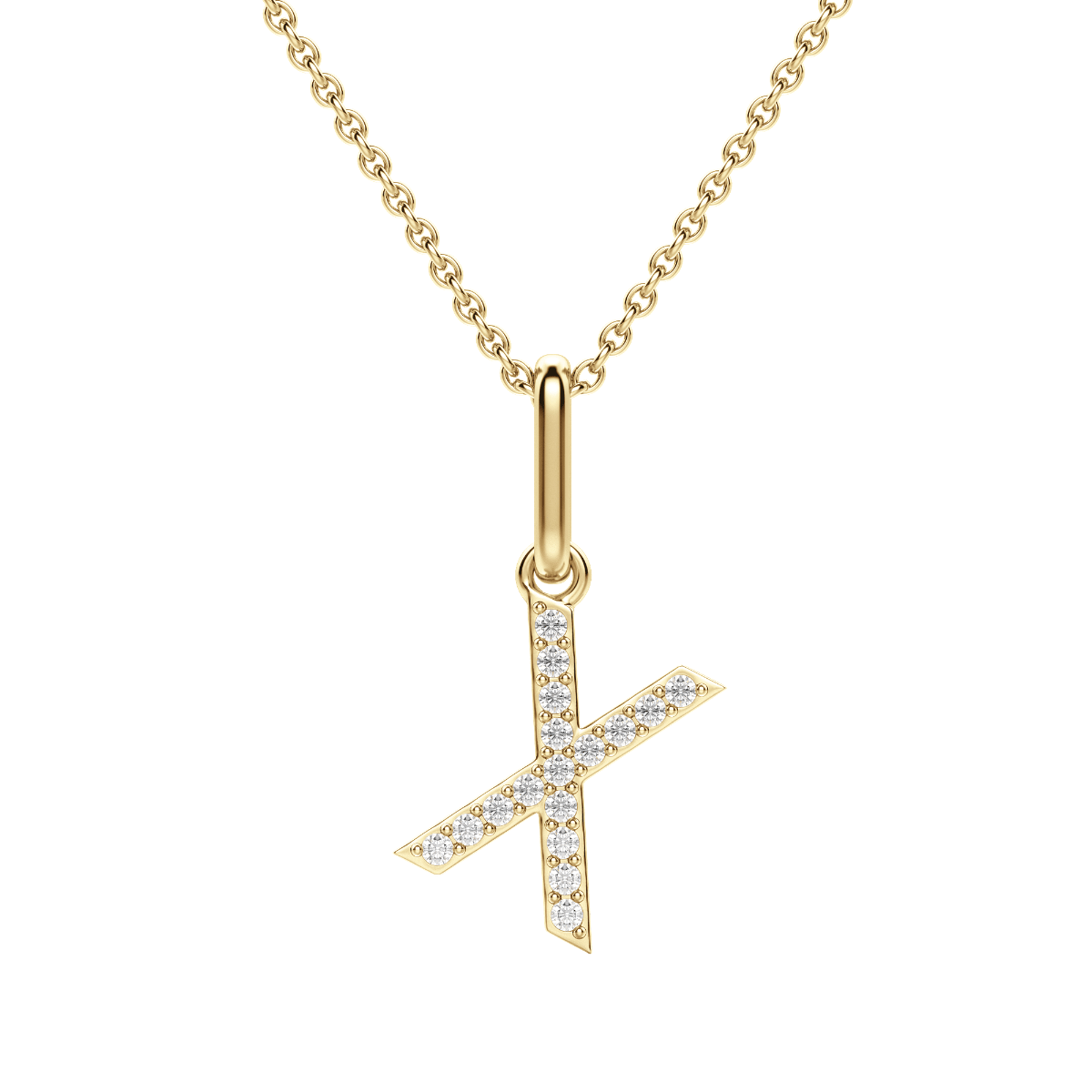
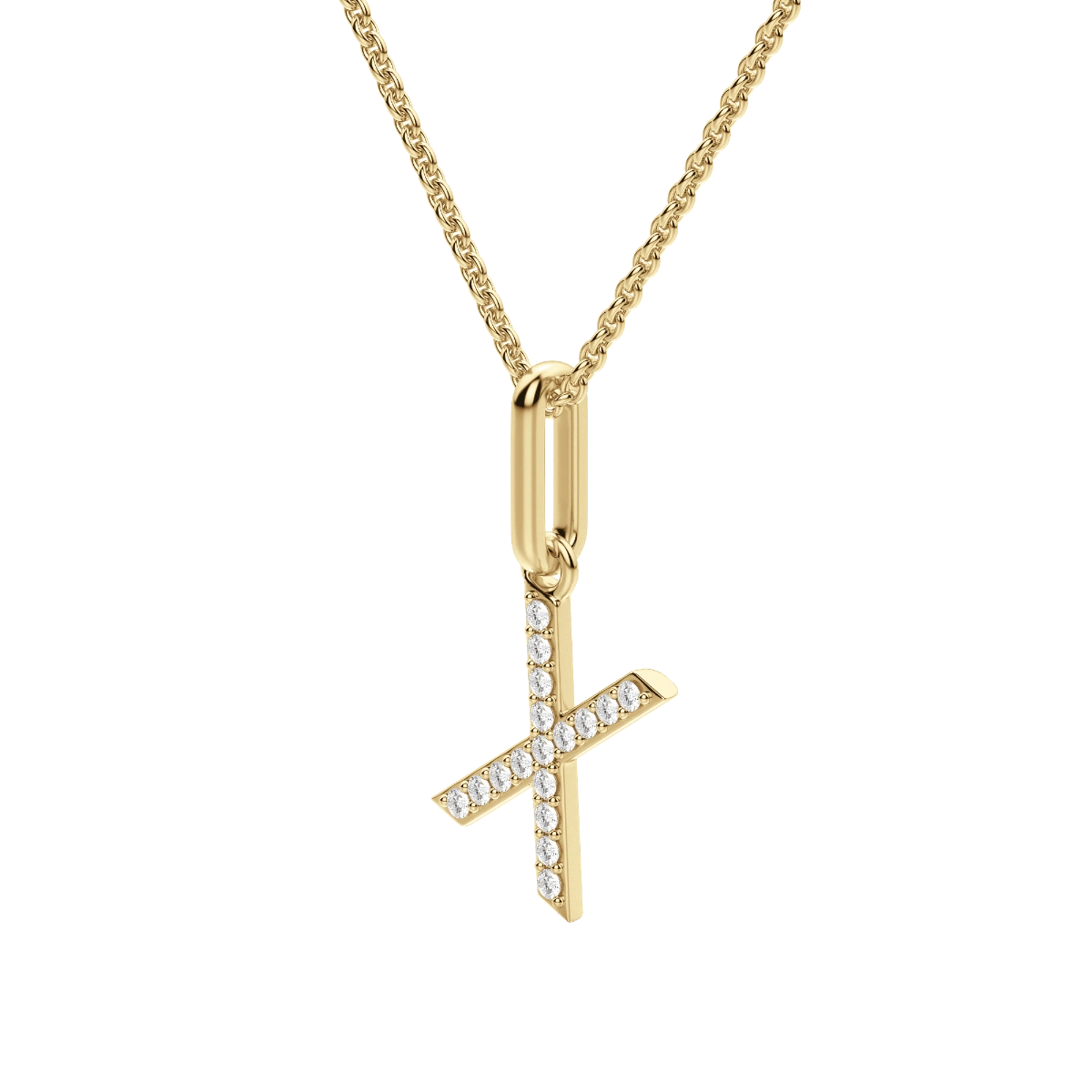
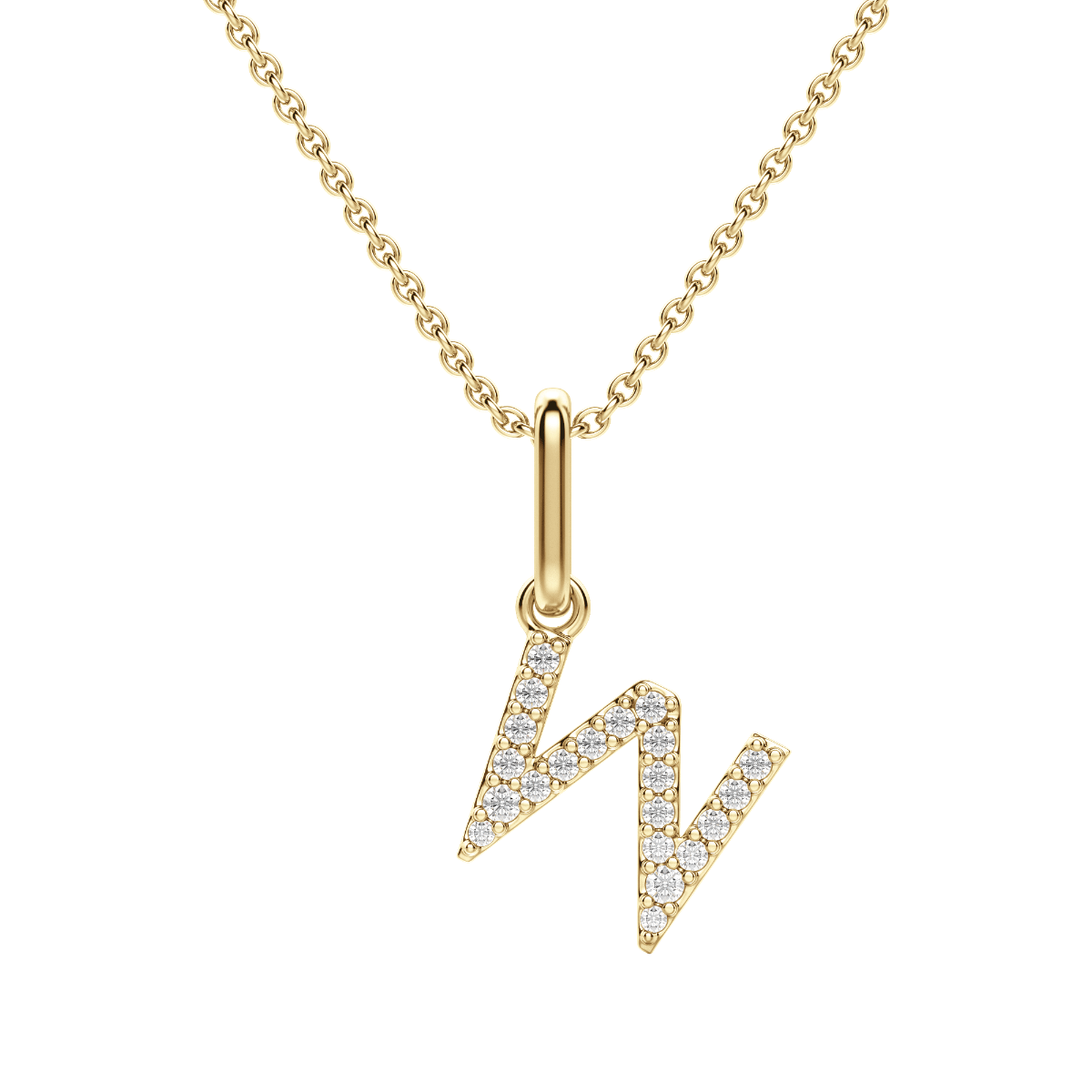
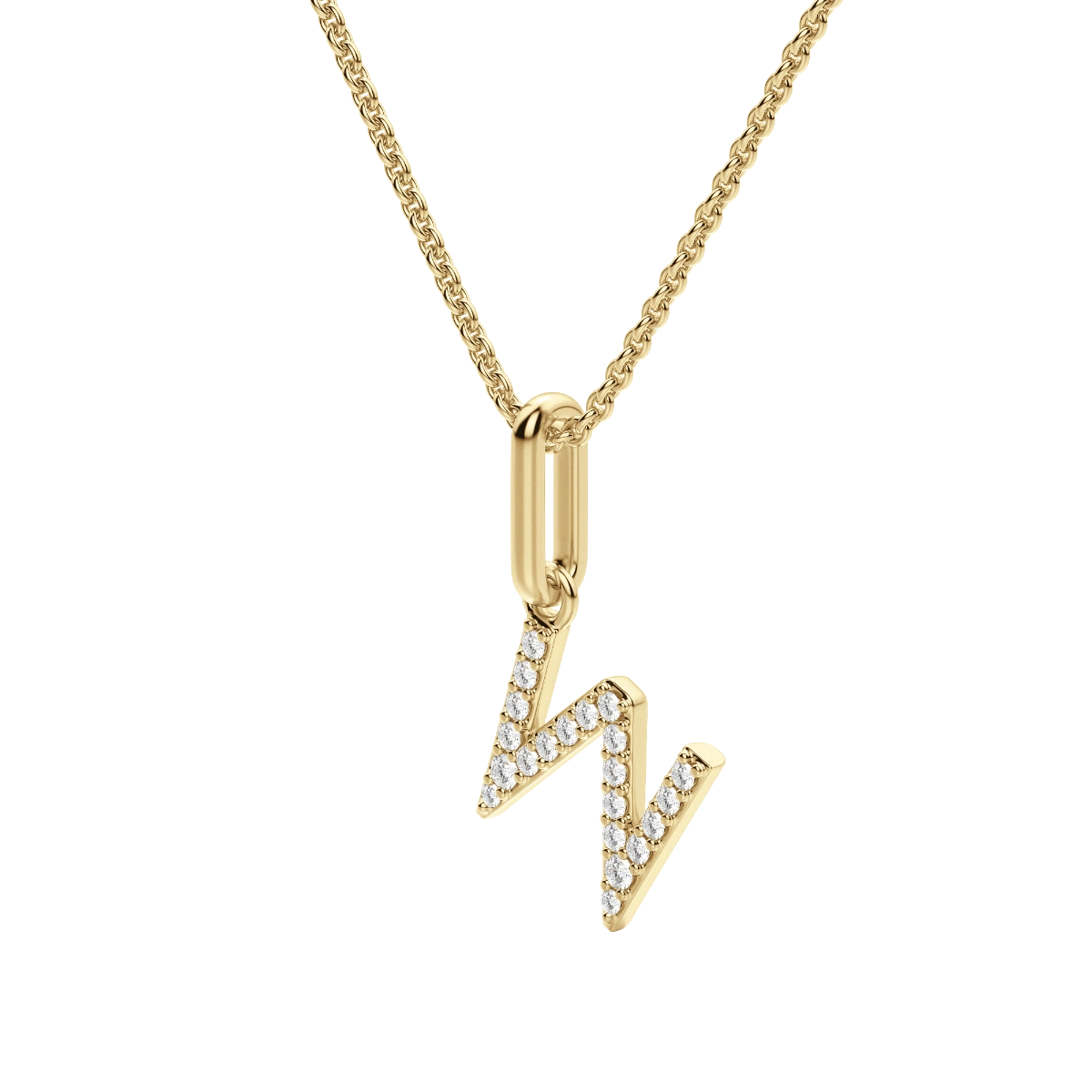
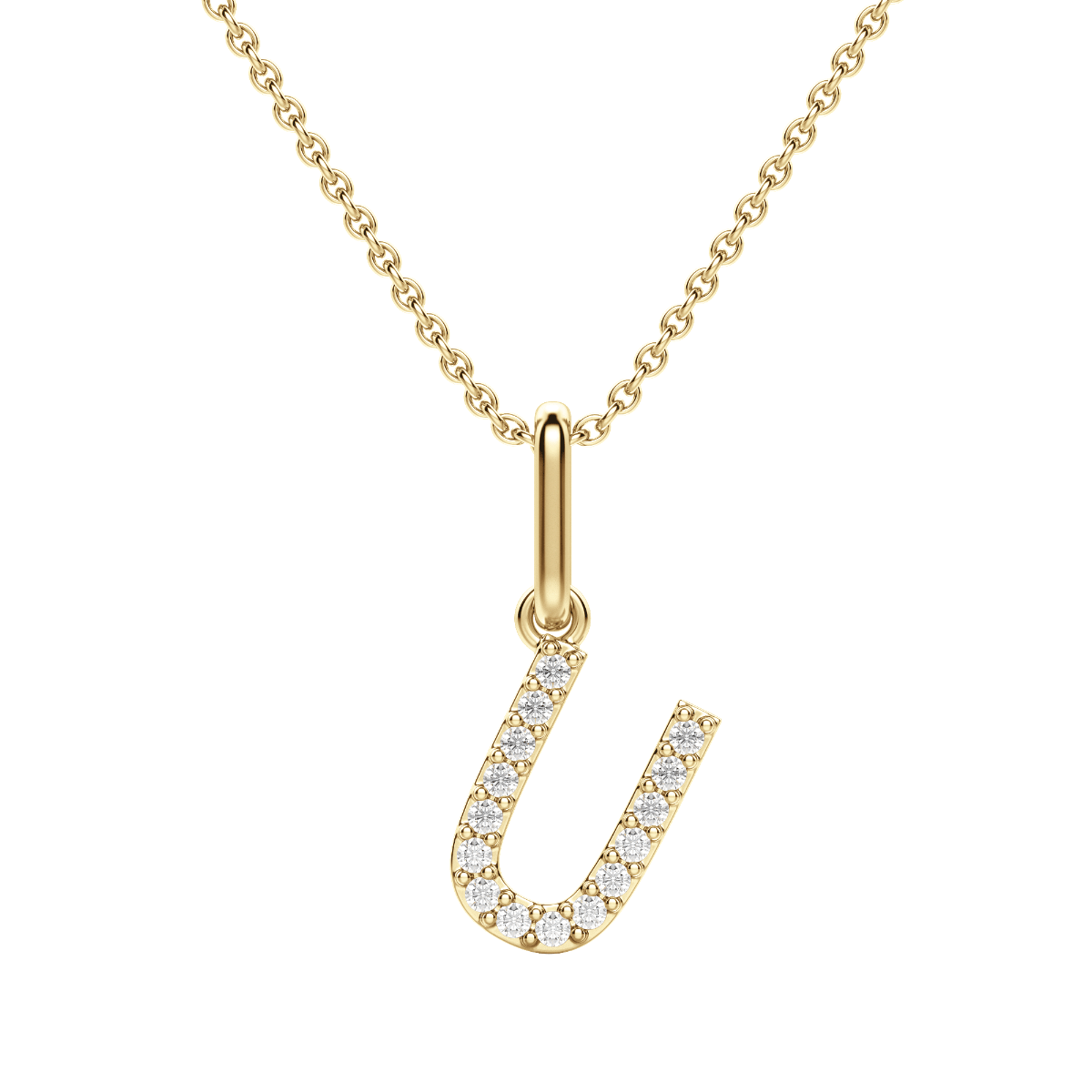
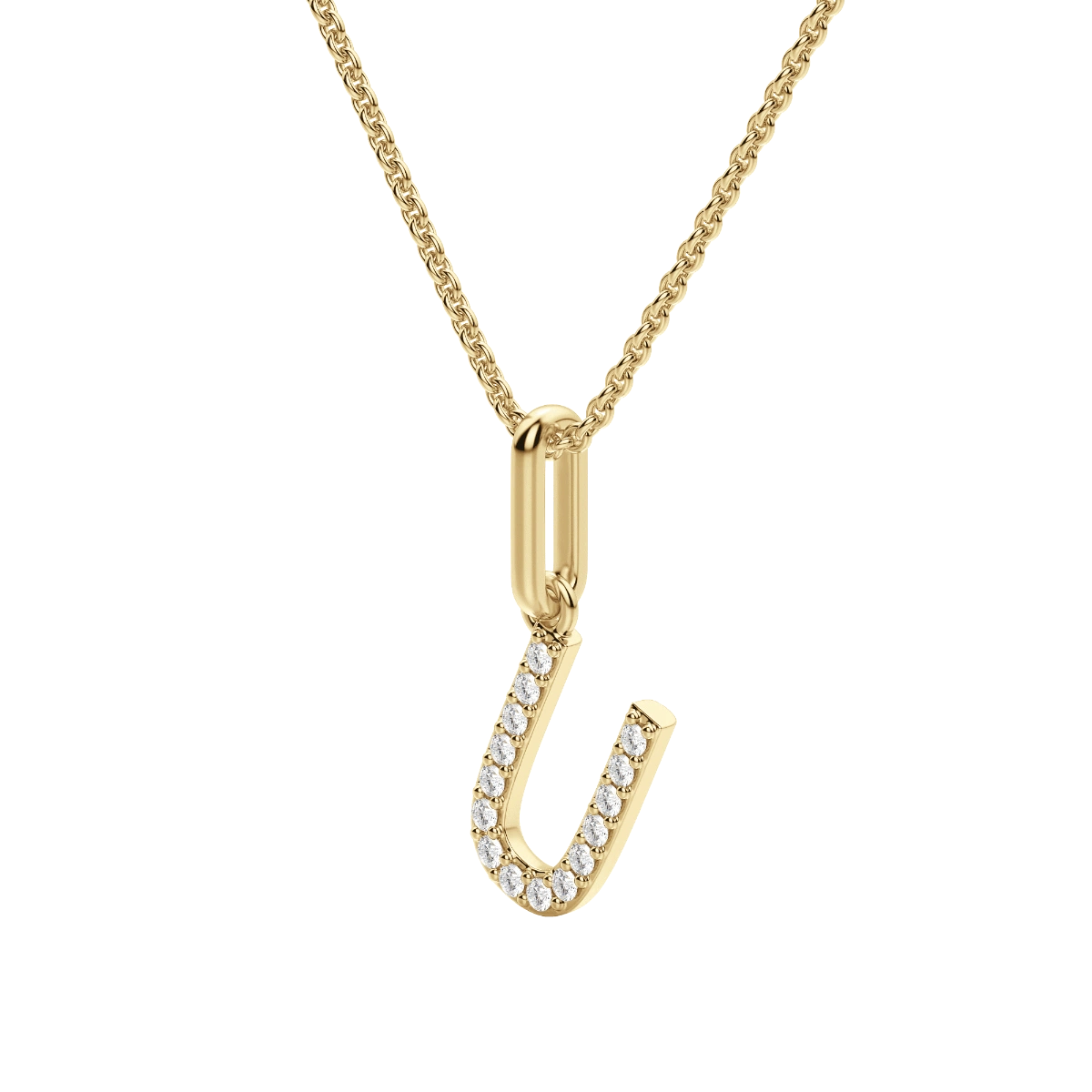
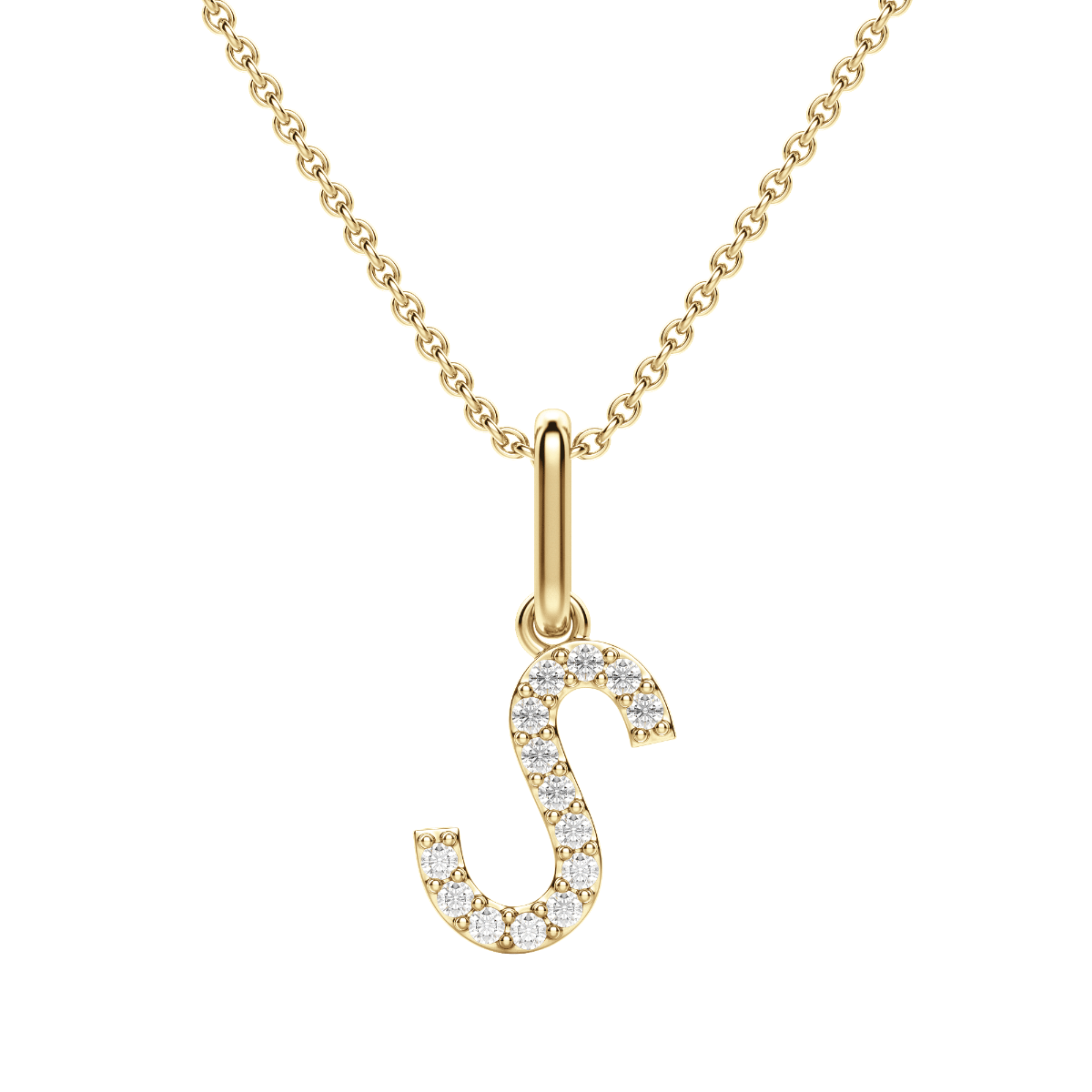
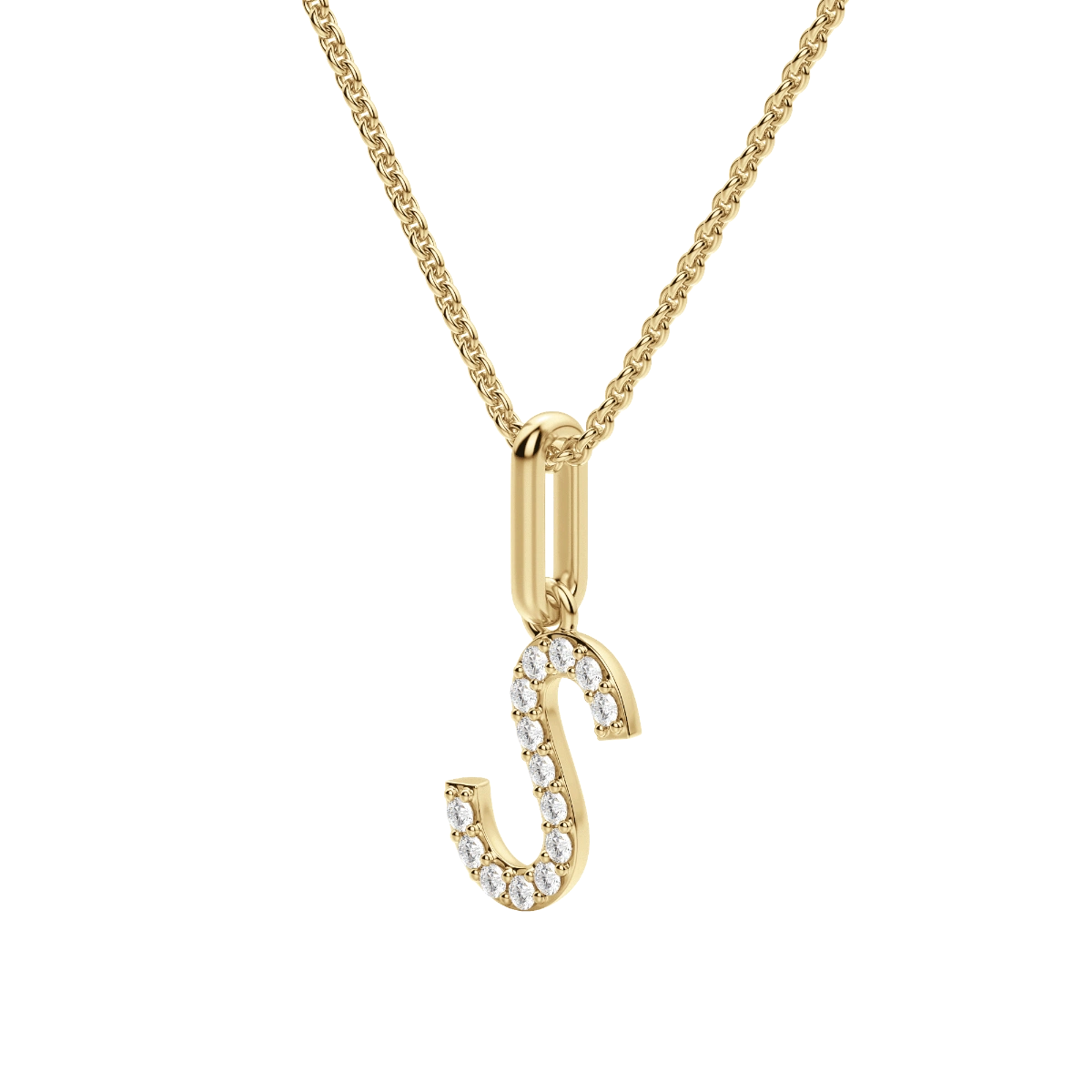
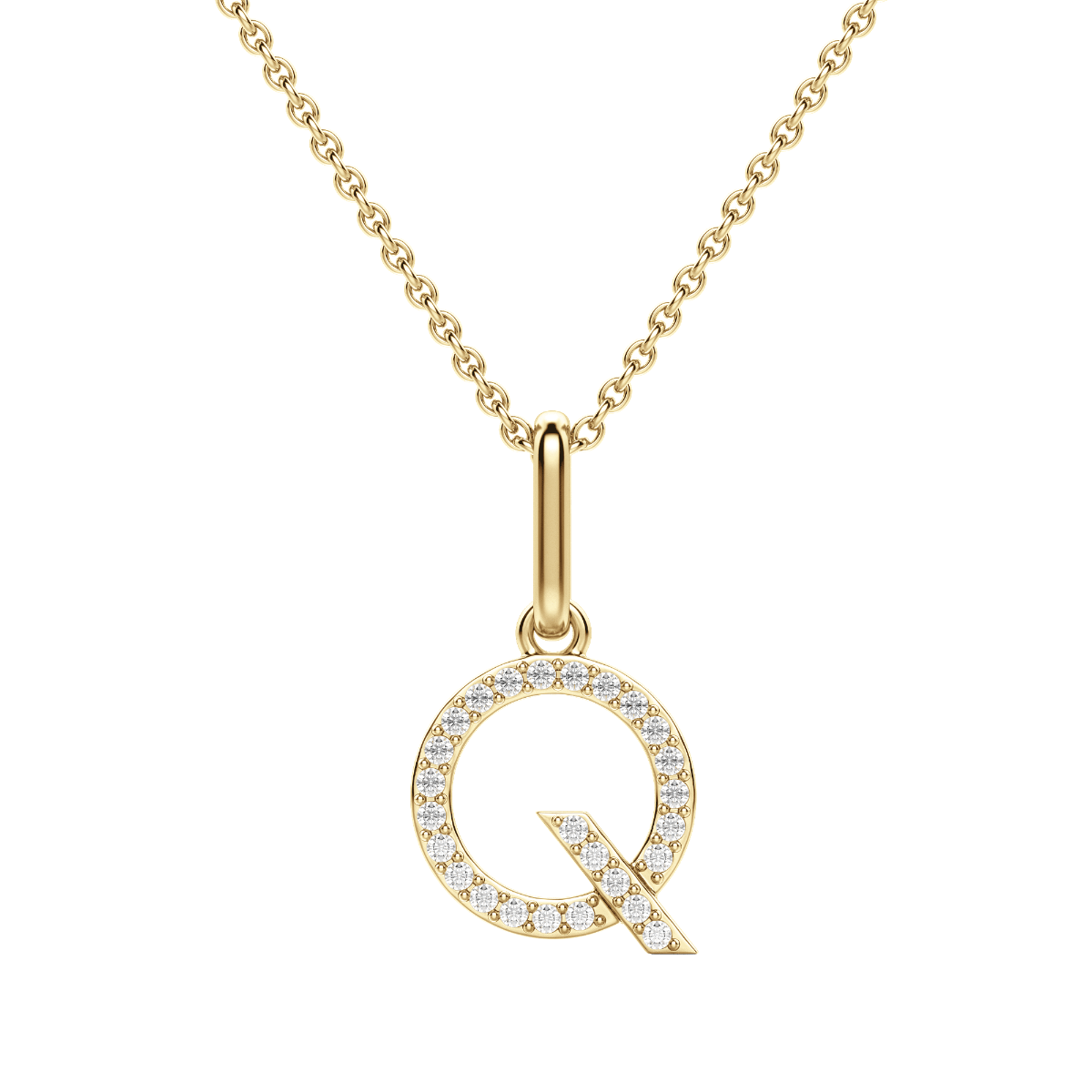
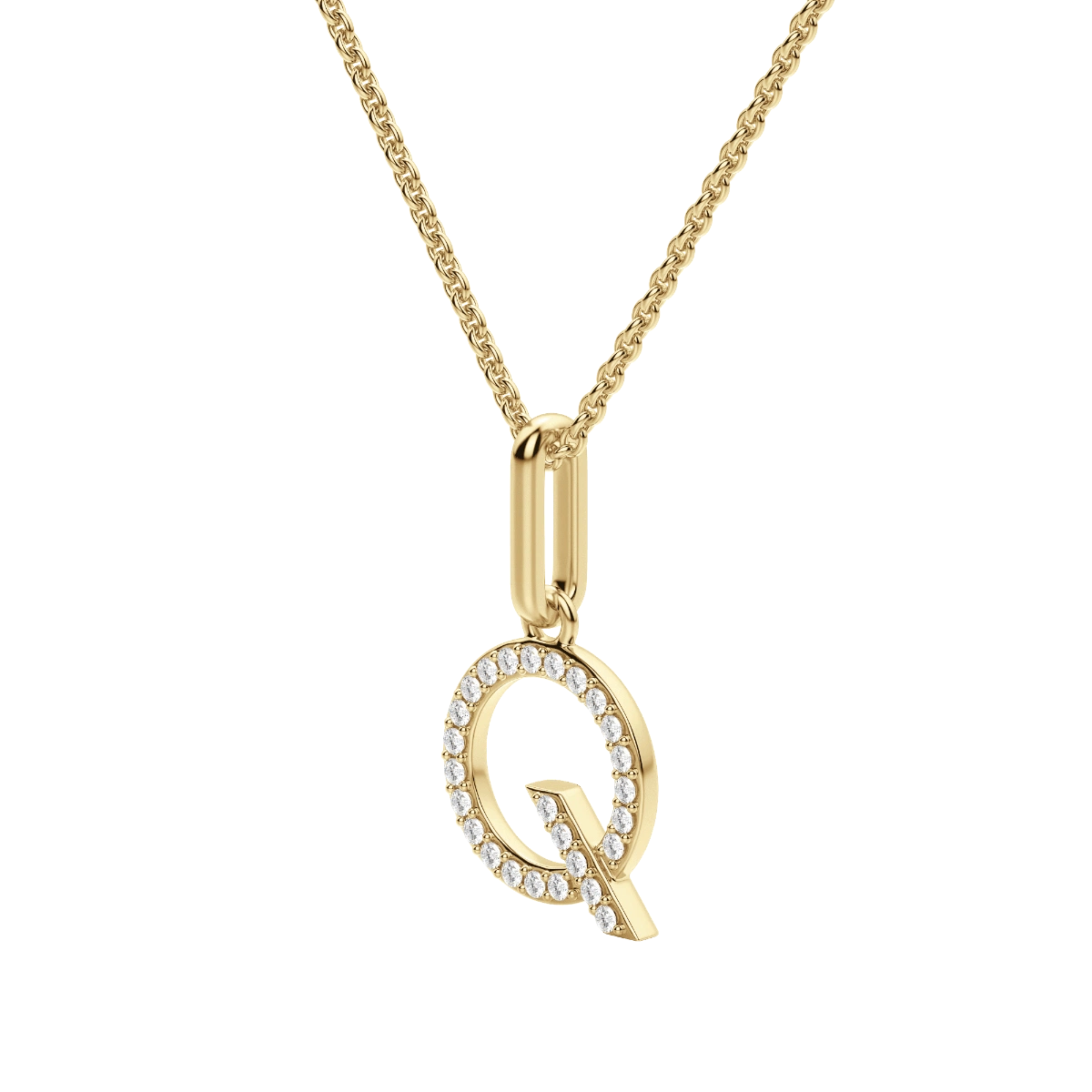
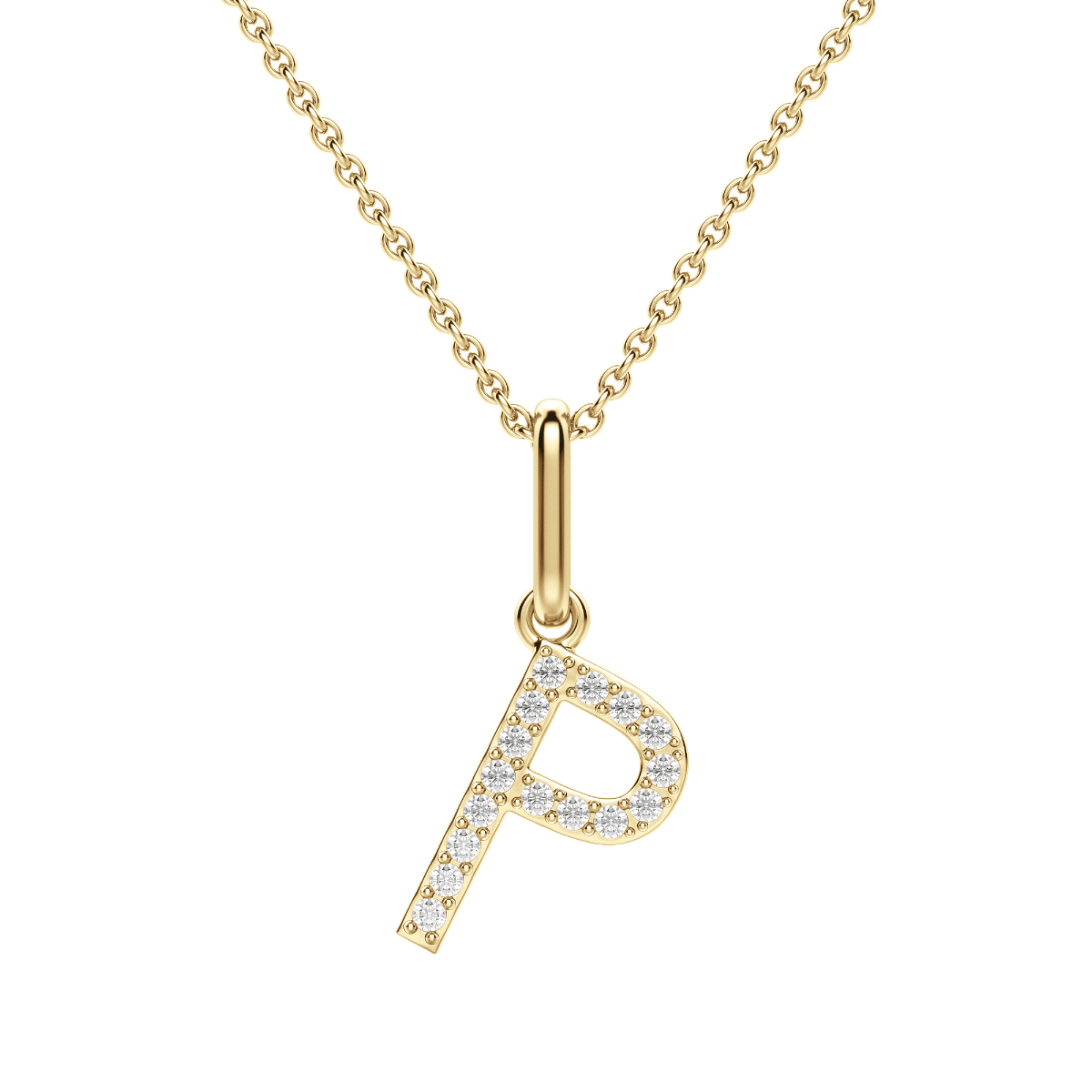
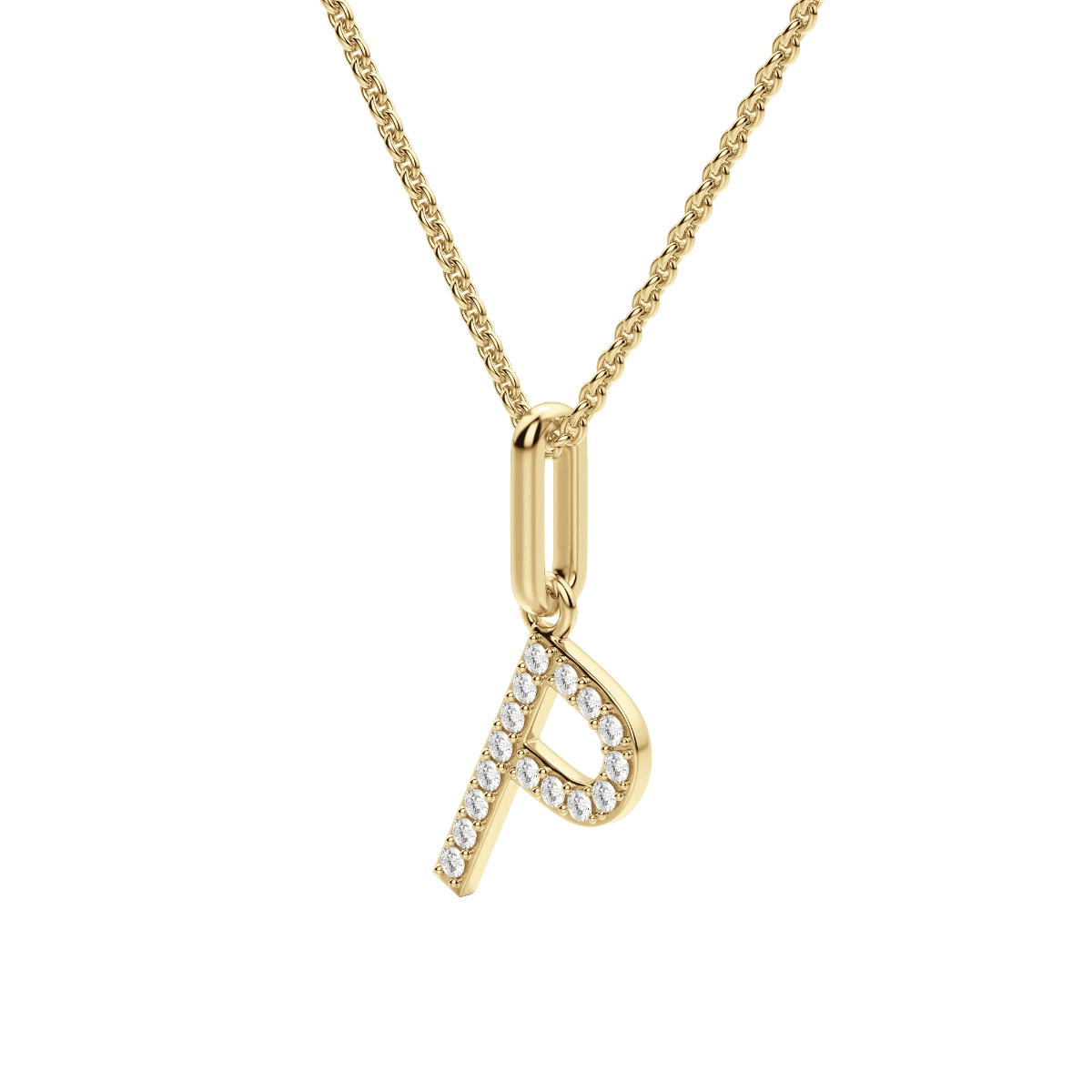
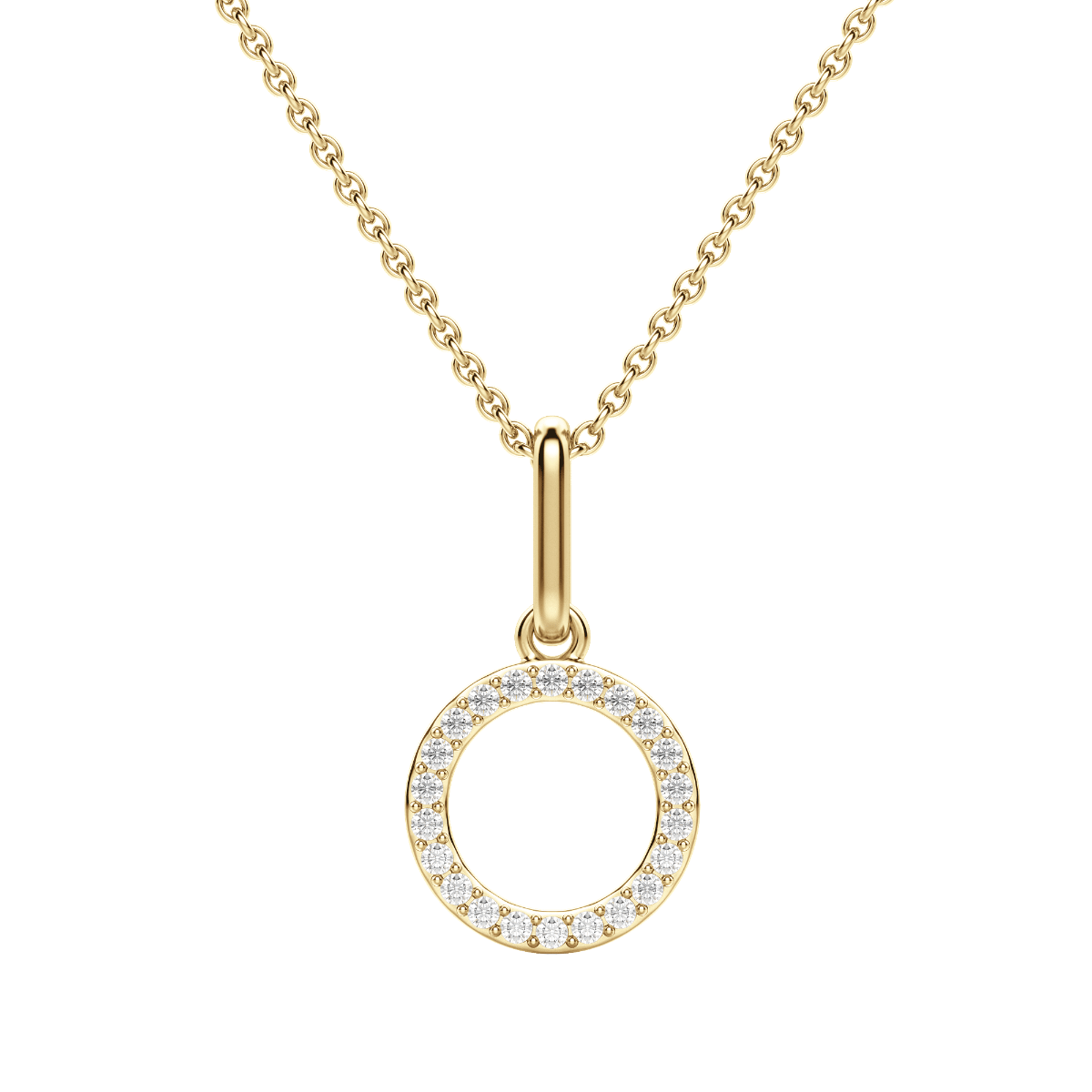
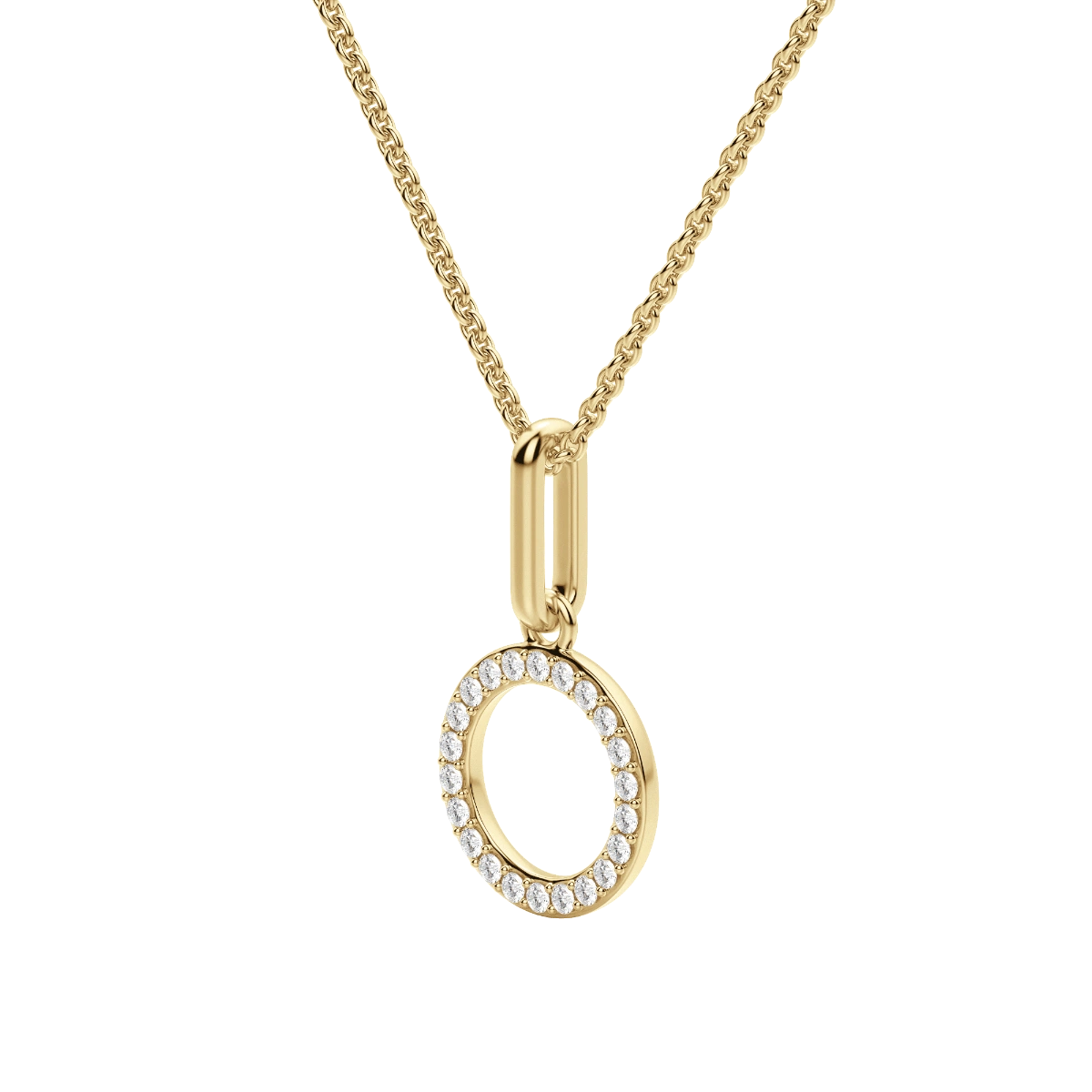
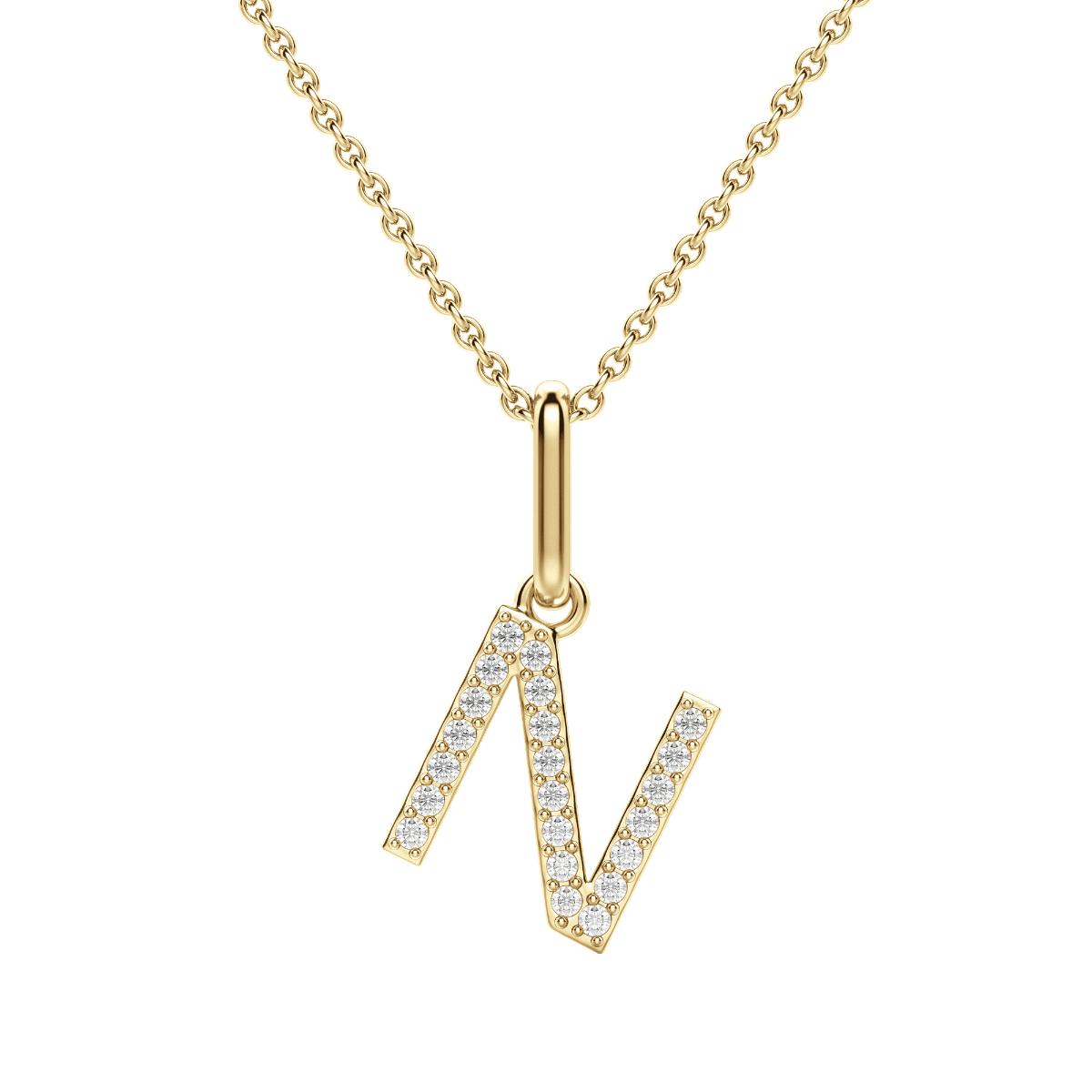
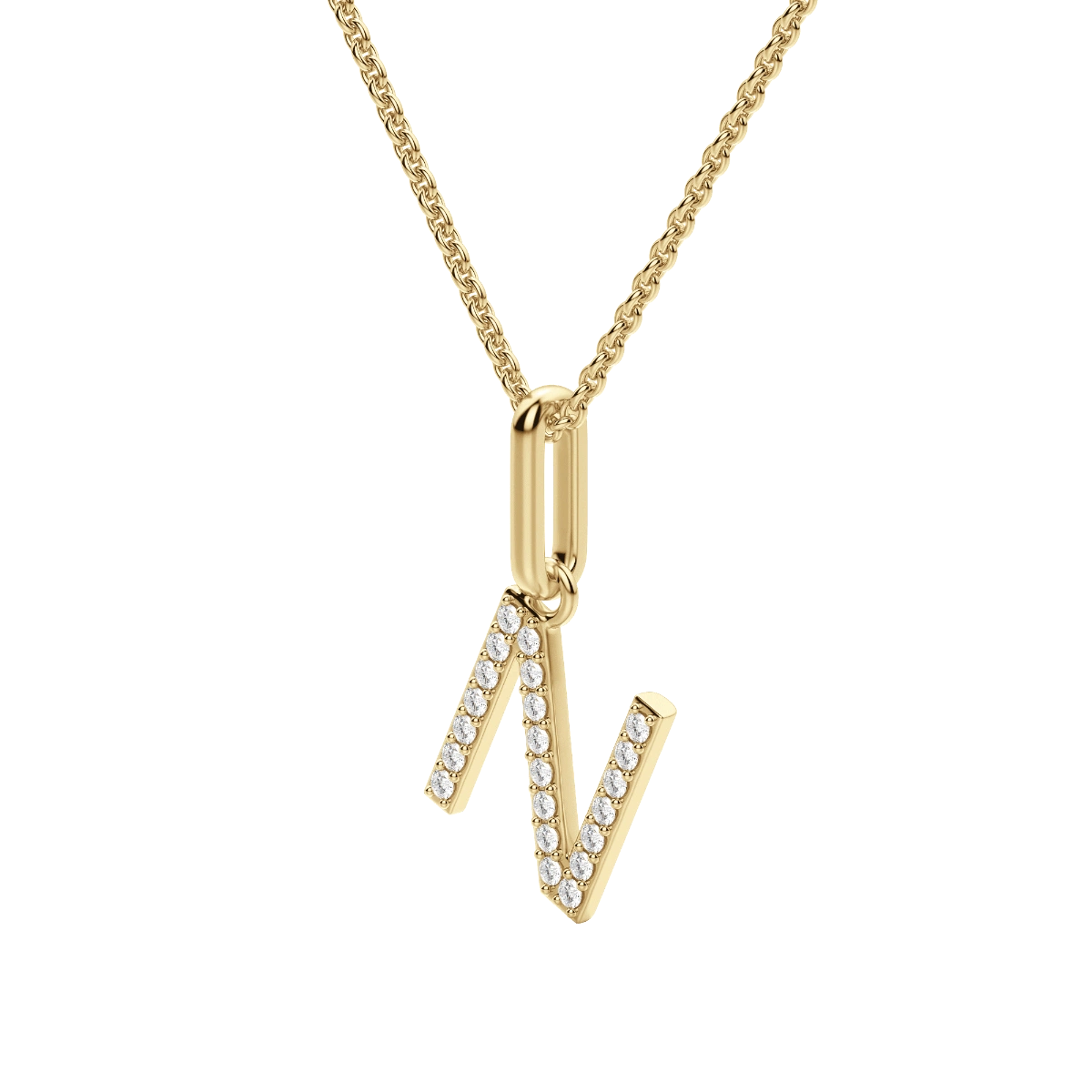
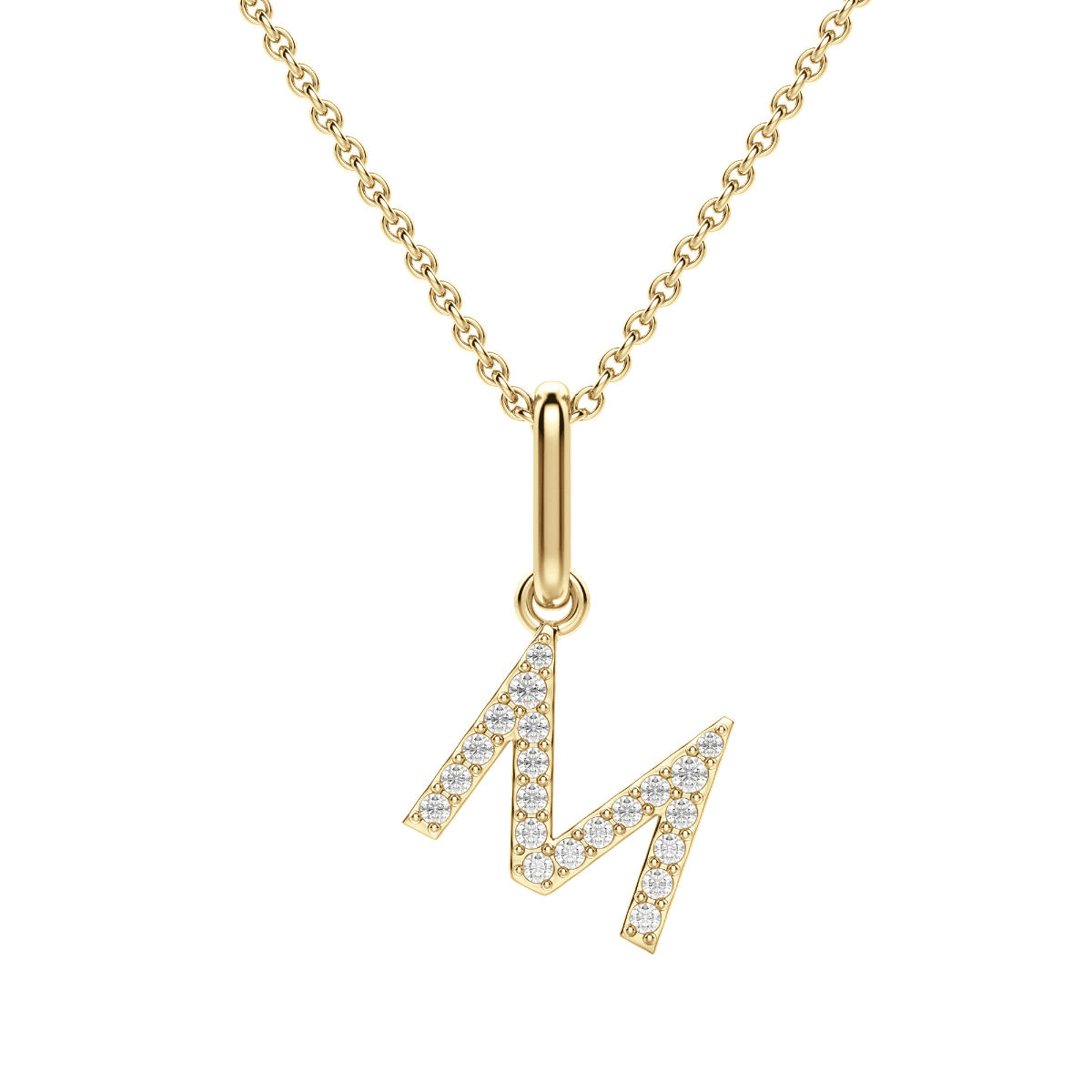
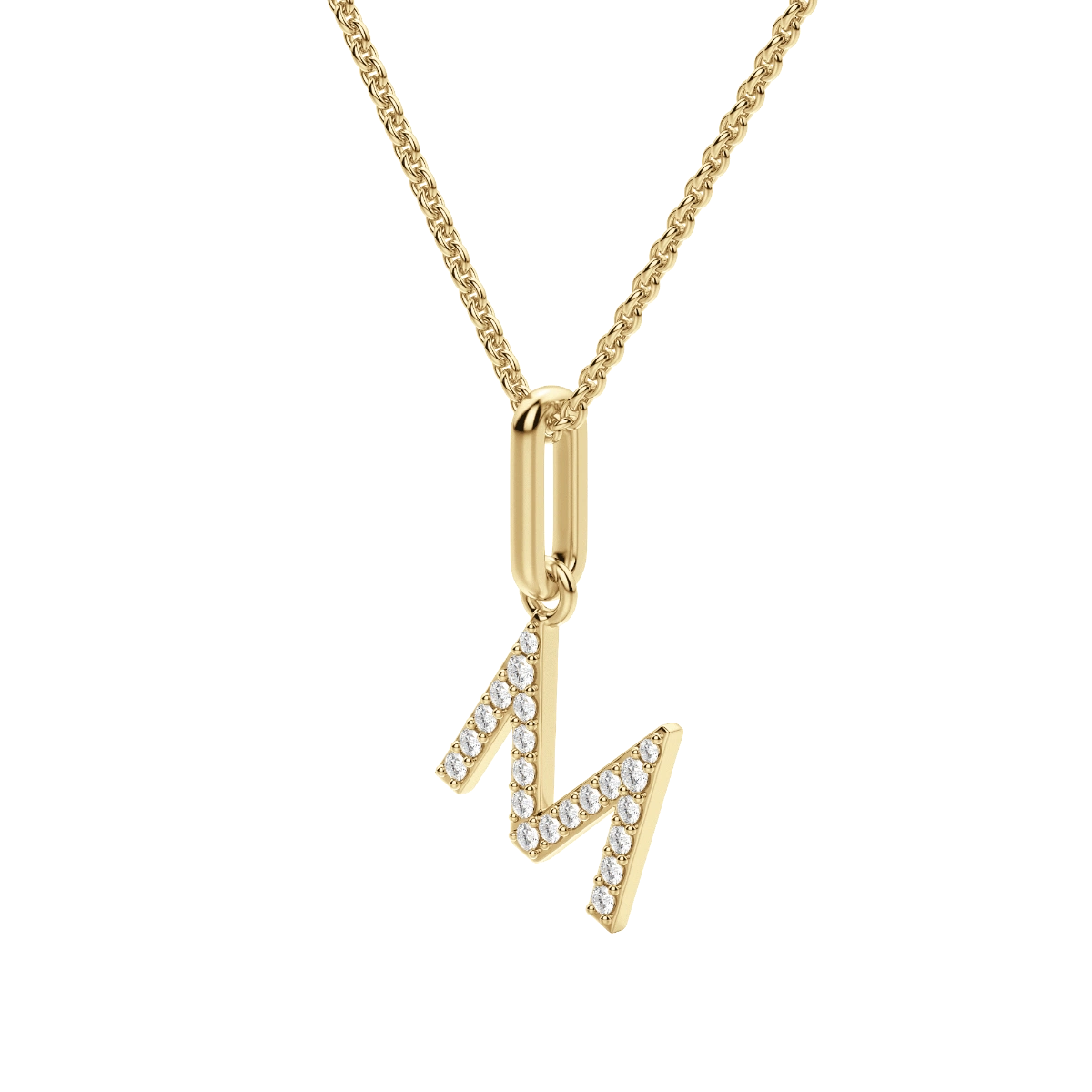
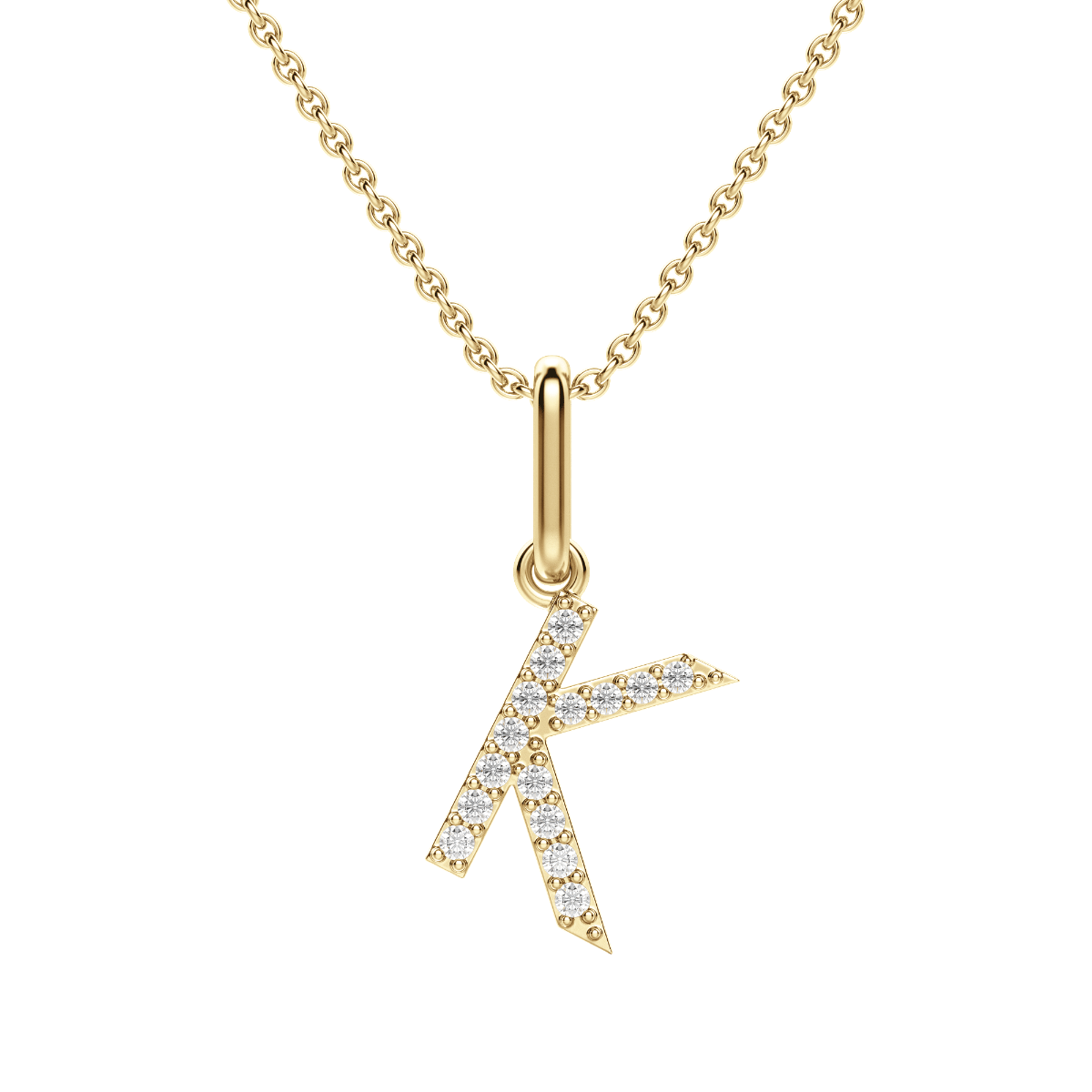
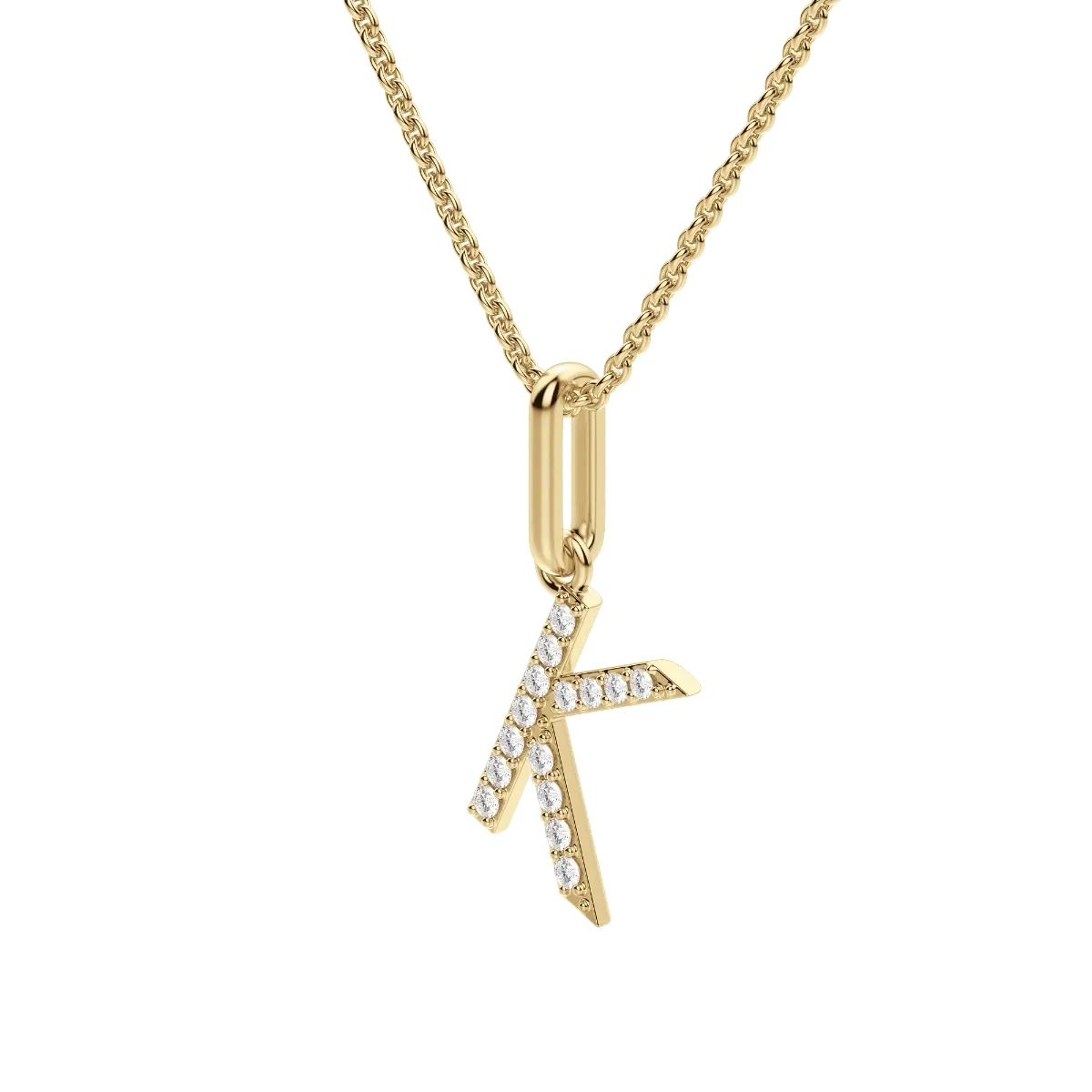
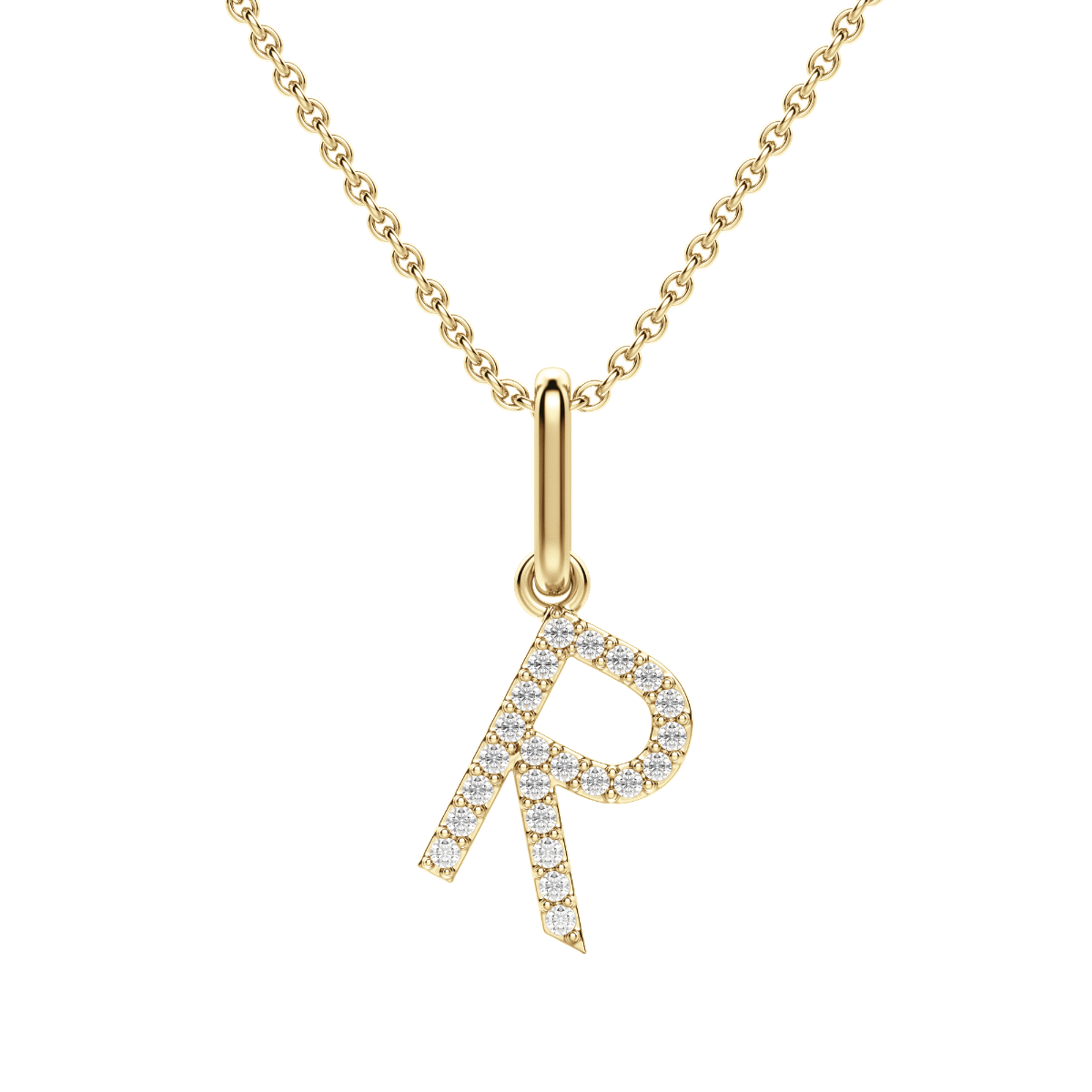
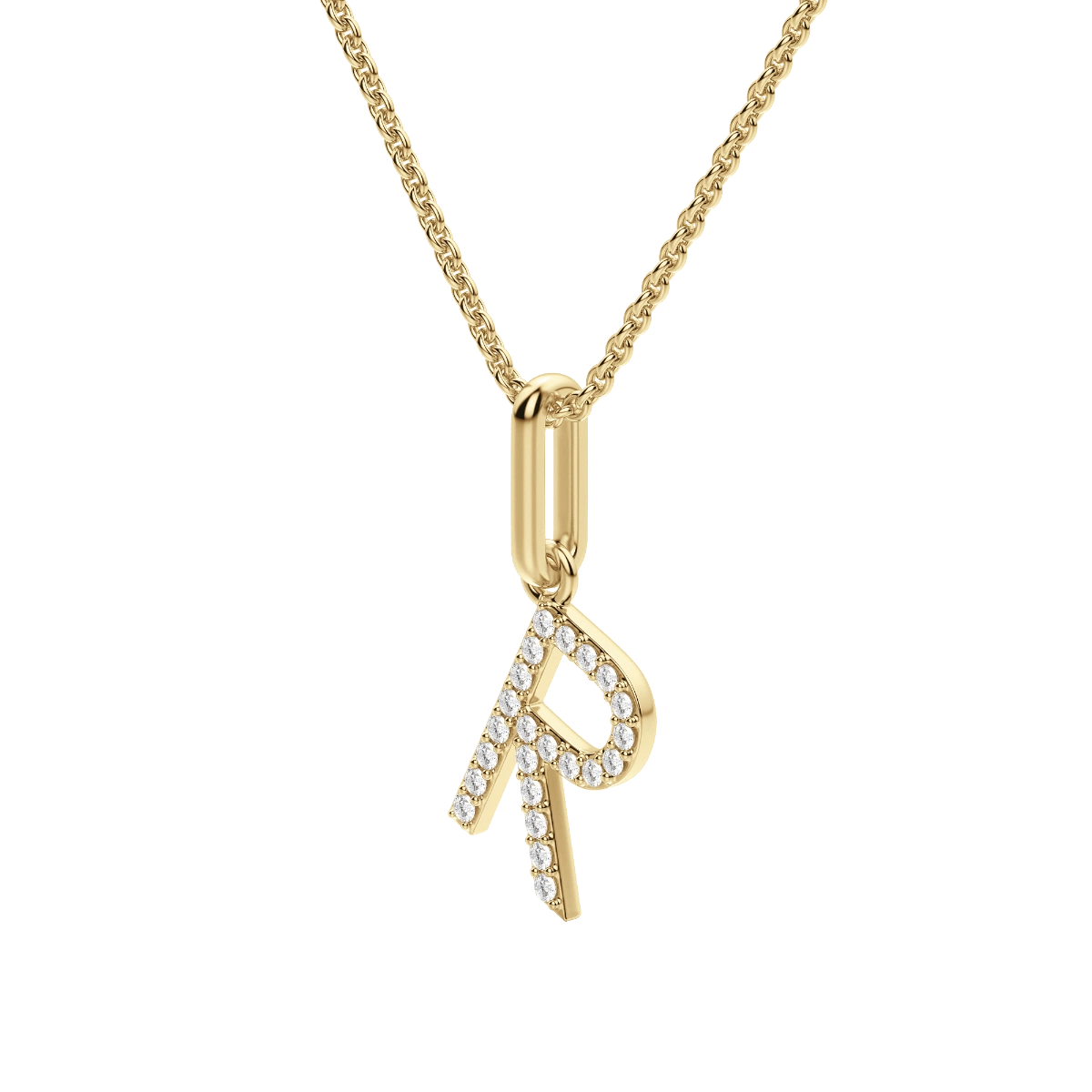
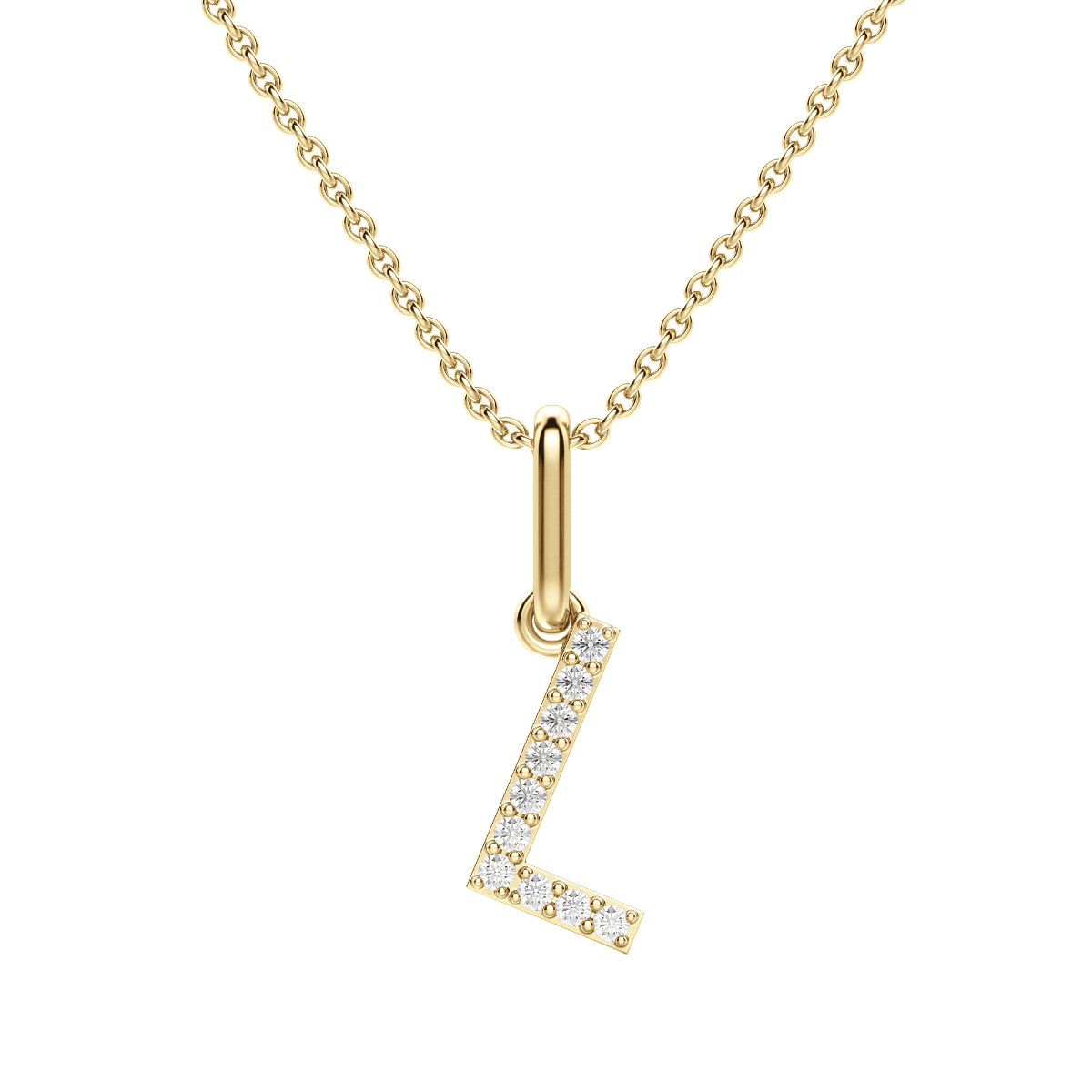
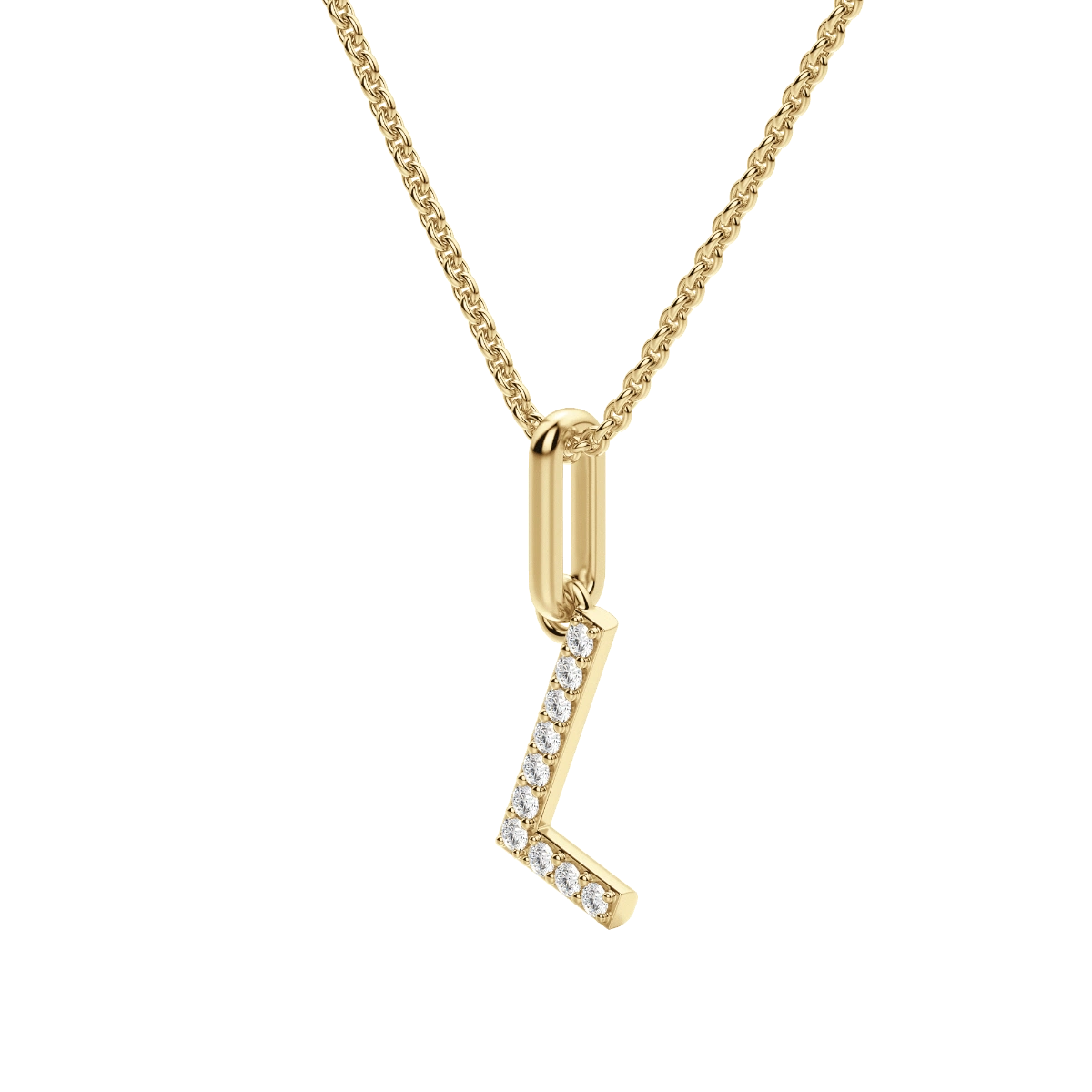
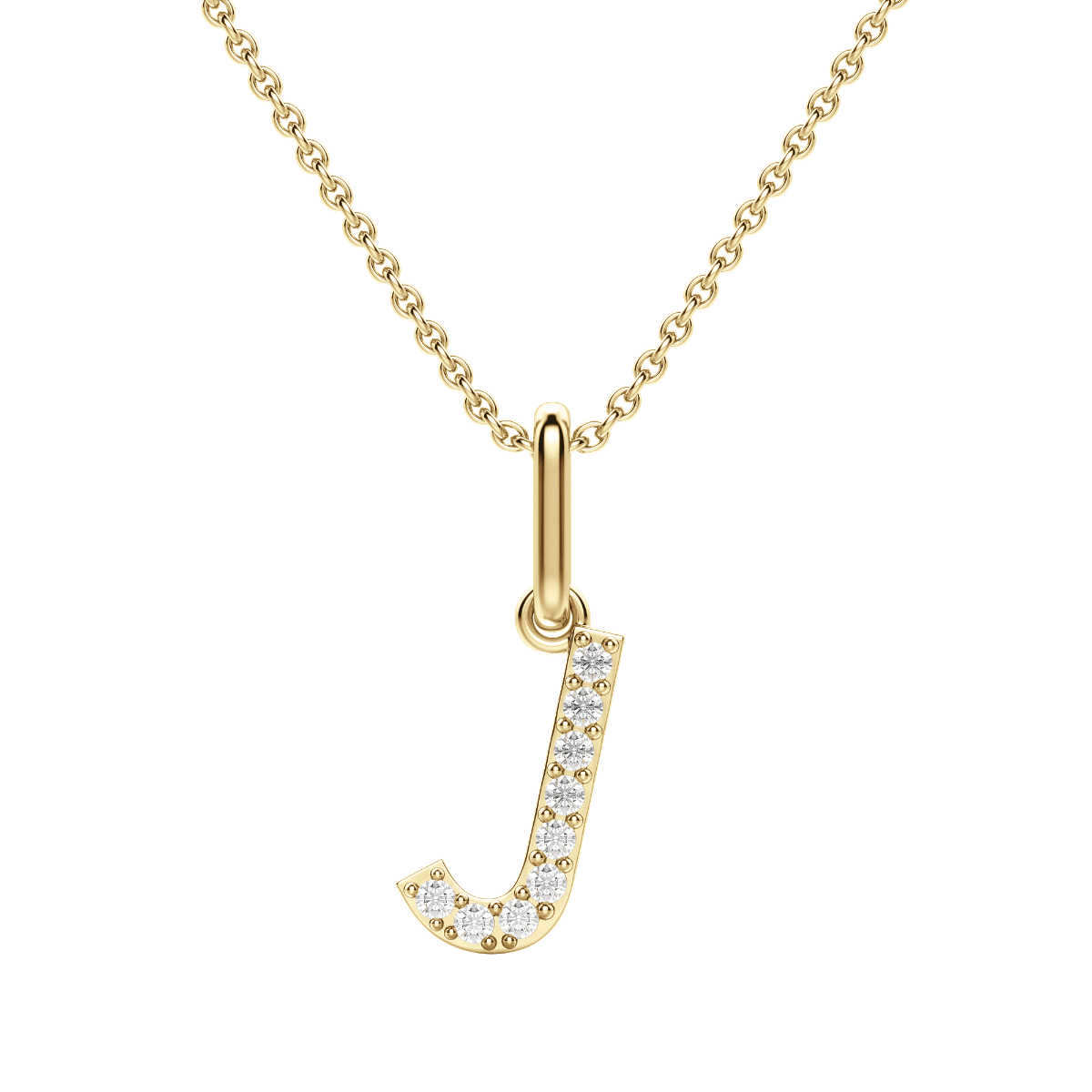
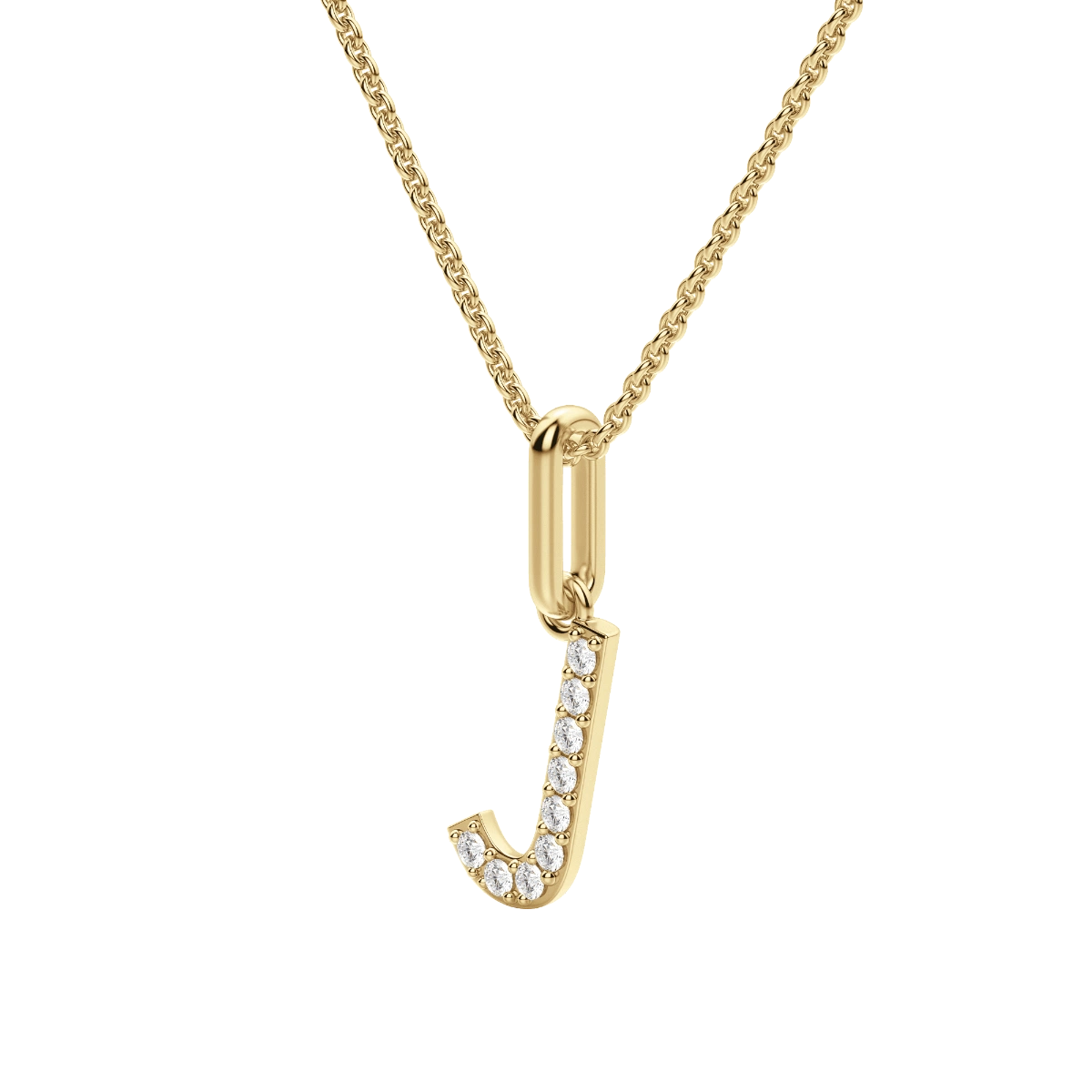
An initial necklace is one of the simplest ways to wear something that means everything to you and nothing to anyone else, unless you tell them. It's often the first thing people buy for a new mother, spelling out her child's name in miniature, or the piece someone chooses for themselves after a relationship, a move, or a milestone worth marking quietly rather than loudly.
Details That Make Them Personal
A gemstone-set initial adds a bit of sparkle and reads clearly at a glance, while an engraved initial is quieter — the kind of detail only you and the people close enough to notice will ever clock. Some initial pendants are designed with a small loop or cage on the back to keep the letter sitting flat and facing outward, rather than twisting around on the chain the way a flat pendant sometimes does. Because the pendant itself is so small, it's also one of the easiest pieces to layer: worn on a shorter chain in front of one or two longer necklaces, it reads as a personal detail rather than the main event, which is often exactly the point.
Related: Personalized Jewelry: Create a Unique Product
Choosing Your Metal
The metal sets the tone for any piece of jewelry, from the warm colour of yellow gold to the cool brightness of platinum. Our collection includes 417 (10K), 585 (14K) and 750 (18K) gold, as well as 950 platinum, so you can choose not only the shade you love but also the balance of purity, durability and weight that fits you.
- Yellow gold necklaces carries a warm, traditional tone.
- White gold's rhodium plating gives them a brighter, whiter finish than platinum's naturally warmer grey-white tone, and unlike silver, it won't tarnish between wears.
- Rose gold necklaces have a warm pink hue from its copper content, and are naturally resistant to everyday wear.
- Platinum necklaces use a naturally white metal that never needs rhodium plating, with a denser, heavier feel than gold.
Related Categories: Gold Jewelry, Platinum Jewelry, Silver Jewelry
Black vs. White Diamonds
When choosing a diamond piece, the decision is not always between one white diamond and another. Sometimes the choice comes down to colour itself: do you want the traditional brightness of a white diamond, or the deeper contrast of a black one? White diamonds tend to blend more easily with different metals and other stones, while black diamonds create a stronger visual contrast and give even a familiar design a noticeably different character. If you're deciding between the two, it's worth looking beyond colour alone and considering how each type of diamond gets its appearance, as well as what that means for origin, treatment and price.
White diamonds can be either natural or lab-grown, and both have the same chemical composition, crystal structure and physical properties. The main difference is their origin: natural diamonds form underground over billions of years, while lab-grown diamonds are created in a controlled environment and generally cost less. Black diamonds are a different category again. Most black diamonds used in jewelry are natural diamonds whose dark colour comes from numerous inclusions or has been enhanced through treatment, while untreated natural black diamonds are much rarer. This means that when comparing black with white diamonds, and natural with lab-grown stones, colour, origin and treatment should all be considered separately rather than treating them as variations of the same pricing or grading system.