
Gold or Platinum: Which Metal Is Right for You?
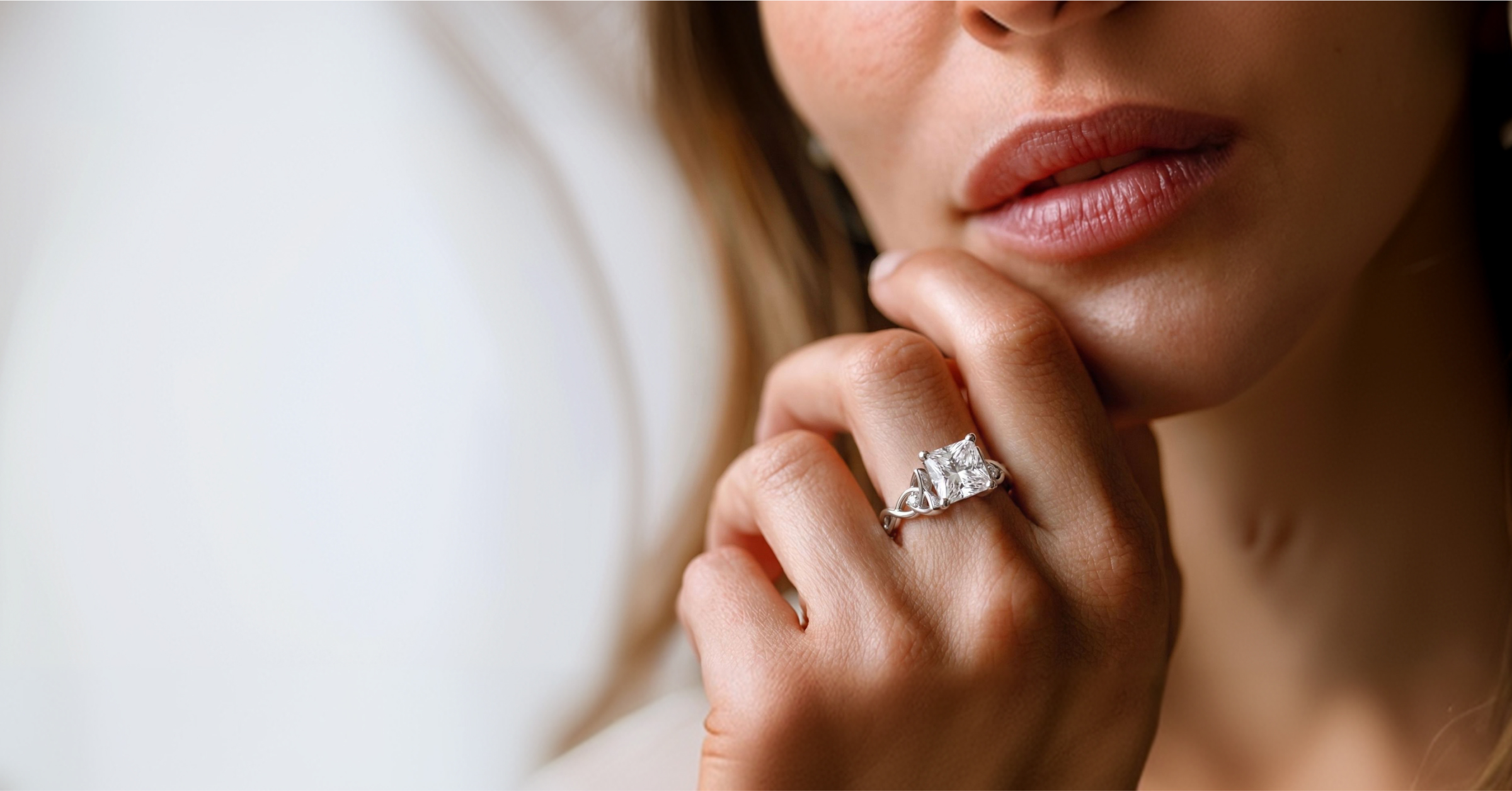
Picking the stone is only half the decision. The other half – the one that tends to keep couples debating the longest – is the metal. If you're weighing a gold or platinum ring, you're in good company: it's one of the most common questions we hear from people shopping for an engagement ring. Both metals are beautiful, both are excellent choices, and either one is something you'll wear for decades, so it's worth understanding what you're actually choosing between.
Below, we'll walk through how gold and platinum really compare in daily life – not marketing language, but the practical differences. Durability, color, price, upkeep, and how each metal treats sensitive skin. By the end, you should have a clear sense of which one fits your style and your day-to-day life.
What gold and platinum actually are
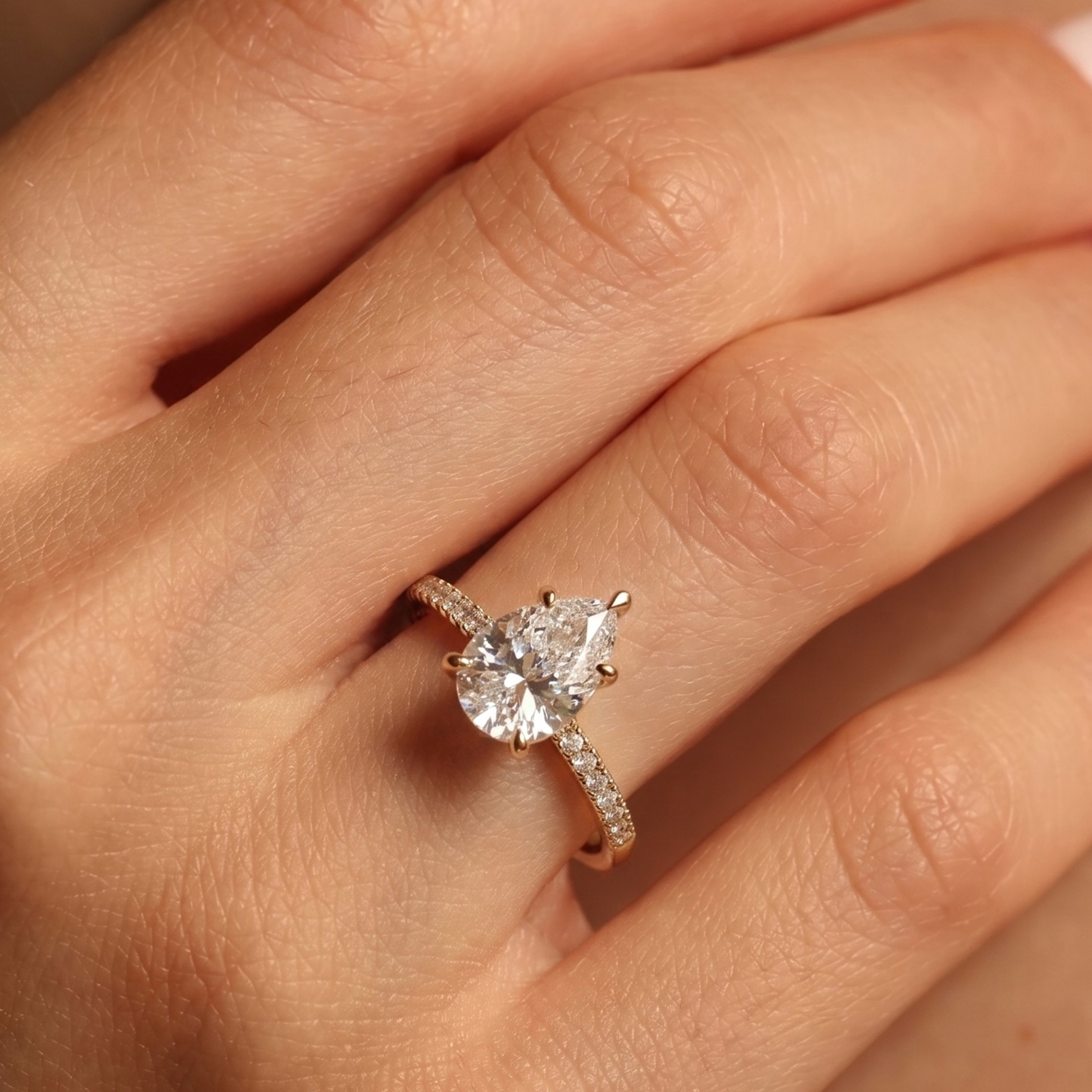
Gold is an alloy
Pure gold (24K) is too soft to hold up to everyday wear, so it gets alloyed with other metals for strength. That's where karat numbers like 14K and 18K come from – the higher the karat, the higher the proportion of pure gold in the mix.
- 14K gold is about 58.5% pure gold and is harder, more scratch-resistant
- 18K gold is 75% pure gold, with a richer color but a slightly softer feel
- White gold is a gold alloy plated with rhodium for its cool, bright finish
- Rose gold gets its warm color from added copper
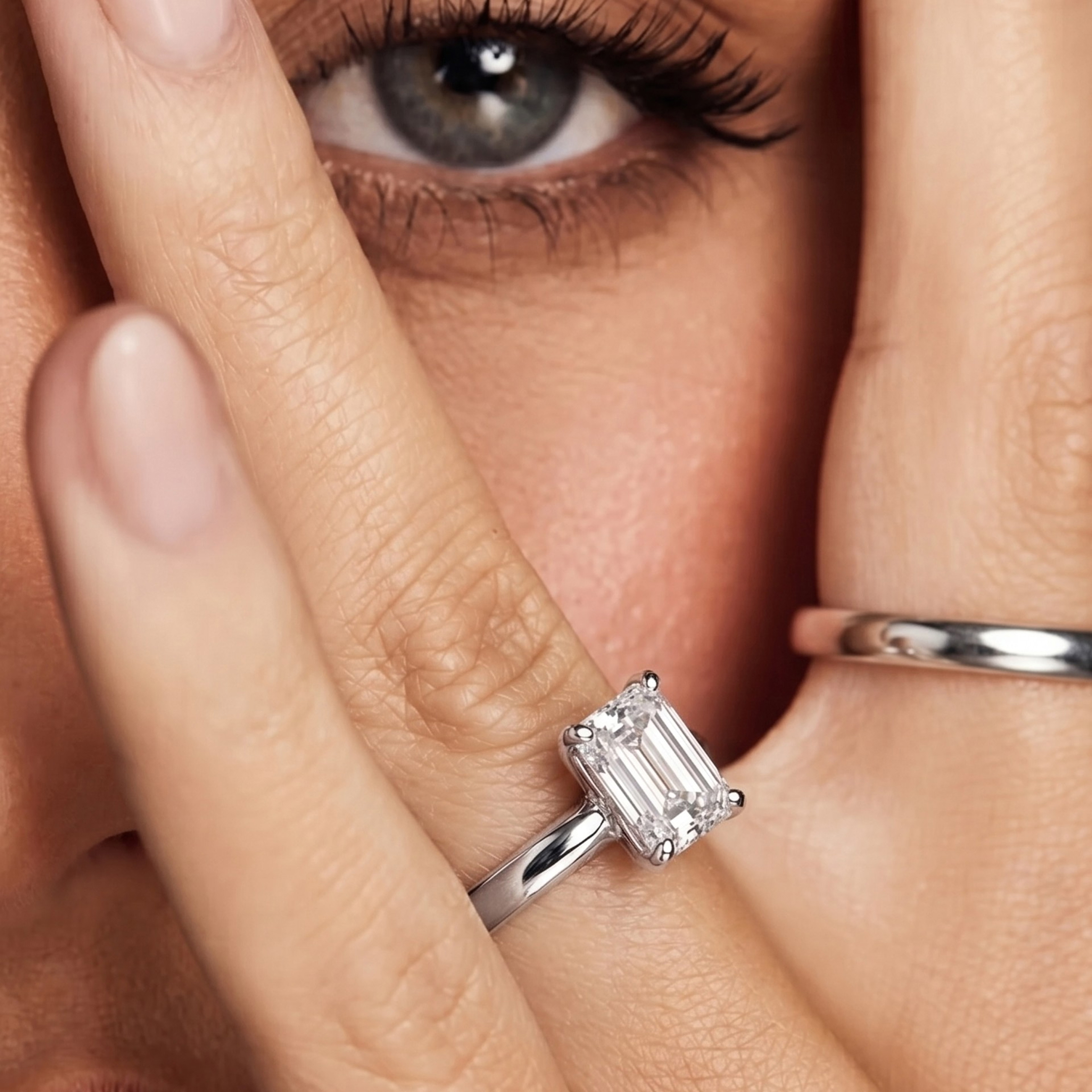
Platinum is used nearly pure
Platinum jewelry is crafted at a much higher purity than gold – typically around 95%. That's a fundamental difference between the two metals. It's naturally hypoallergenic, and its white color isn't a surface treatment; it's the metal's true color, so it never yellows or fades over time.
- High purity means less risk of skin irritation
- The color stays consistent for as long as you wear the ring
- Platinum is denser and heavier than gold at the same size
Durability: how each metal holds up to daily wear
An engagement ring usually doesn't come off – you wear it cooking, working, exercising, even sleeping. That makes durability one of the most important factors in choosing a metal.
Platinum is denser, and it wears in a way you might not expect. When it gets scratched, the metal is essentially displaced rather than lost – it moves rather than disappears. That's a real difference from gold, where a scratch actually removes a small amount of material. Gold, especially at higher karats like 18K, is softer and more prone to fine surface scratches, though it's still an excellent, time-tested choice for an engagement ring. Lower karats, like 14K, contain a higher share of harder alloy metals and hold up better to an active lifestyle than 18K gold does.
In practice, this means a platinum ring will mostly need occasional polishing over the years rather than repair, while a gold ring may eventually need a light re-finishing or a touch of metal added back at high-wear points – routine, inexpensive maintenance for a well-made piece.
Color: more options, or one dependable tone?
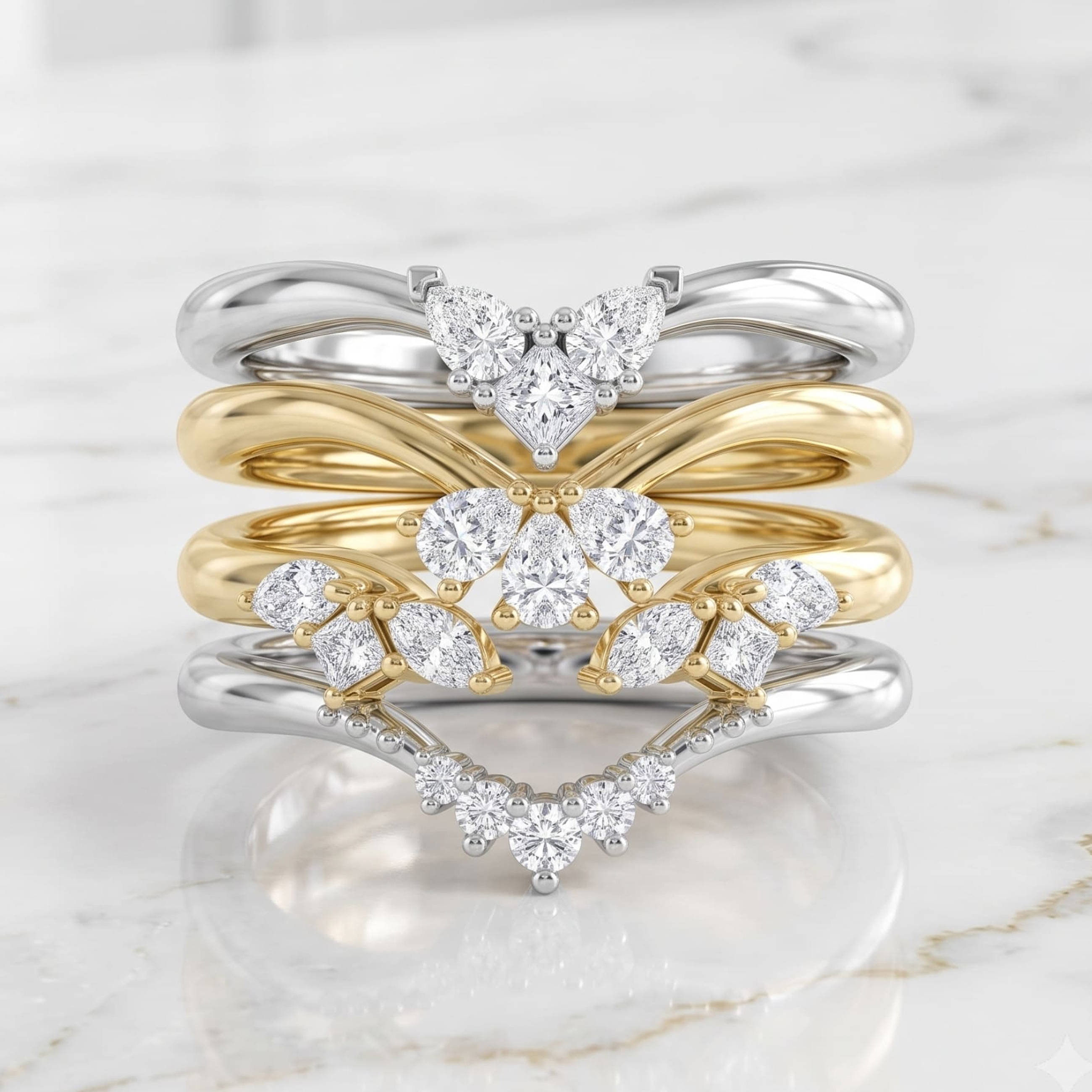
Gold comes in three shades
Gold's biggest advantage is color choice. Yellow gold feels classic and warm, white gold feels modern and versatile, and rose gold adds a soft, romantic touch. That range lets you match the metal to your partner's personal style and whether they lean toward warm or cool tones.
Platinum, on the other hand, offers one very dependable result – a naturally white, slightly grey-toned shine that stays the same year after year. If that's the exact look you want, with zero color maintenance to think about, it's a clear point in platinum's favor.
Gold vs. platinum at a glance
| Criteria | Gold | Platinum |
|---|---|---|
| Purity | An alloy, usually 14K or 18K | Used nearly pure, around 95% |
| Color | Yellow, white (rhodium-plated), or rose | Naturally white, doesn't change |
| Durability | Durable, but softer – surface wears down over time | Very tough – scratches displace metal rather than remove it |
| Weight | Lighter, feels finer on the hand | Noticeably heavier, a substantial feel on the finger |
| Price | More accessible | Significantly more expensive |
| Maintenance | White gold needs occasional rhodium re-plating | Occasional polishing, no re-plating ever needed |
| Sensitive skin | Best to choose a nickel-free alloy | Naturally hypoallergenic option |
Price: why platinum costs more
Platinum is almost always more expensive than gold in the same design, and it comes down to several factors stacking together. It's denser, so a ring of the same size simply uses more grams of metal than the equivalent gold ring would. It's also worked at a higher purity, and platinum mining and refining are more difficult and less common than gold's. Add those up – more material, higher purity, more demanding processing – and the price difference makes sense.
That doesn't mean a platinum ring is the "better investment," or that a gold ring is a compromise. It's really a question of budget and priorities. If you want maximum durability and a naturally white finish with zero maintenance, platinum's higher price tag earns its keep. If you're after a beautiful, well-made ring at a more reasonable price and don't mind an occasional trip in for re-plating, gold is an excellent choice.
Sensitive skin and allergies
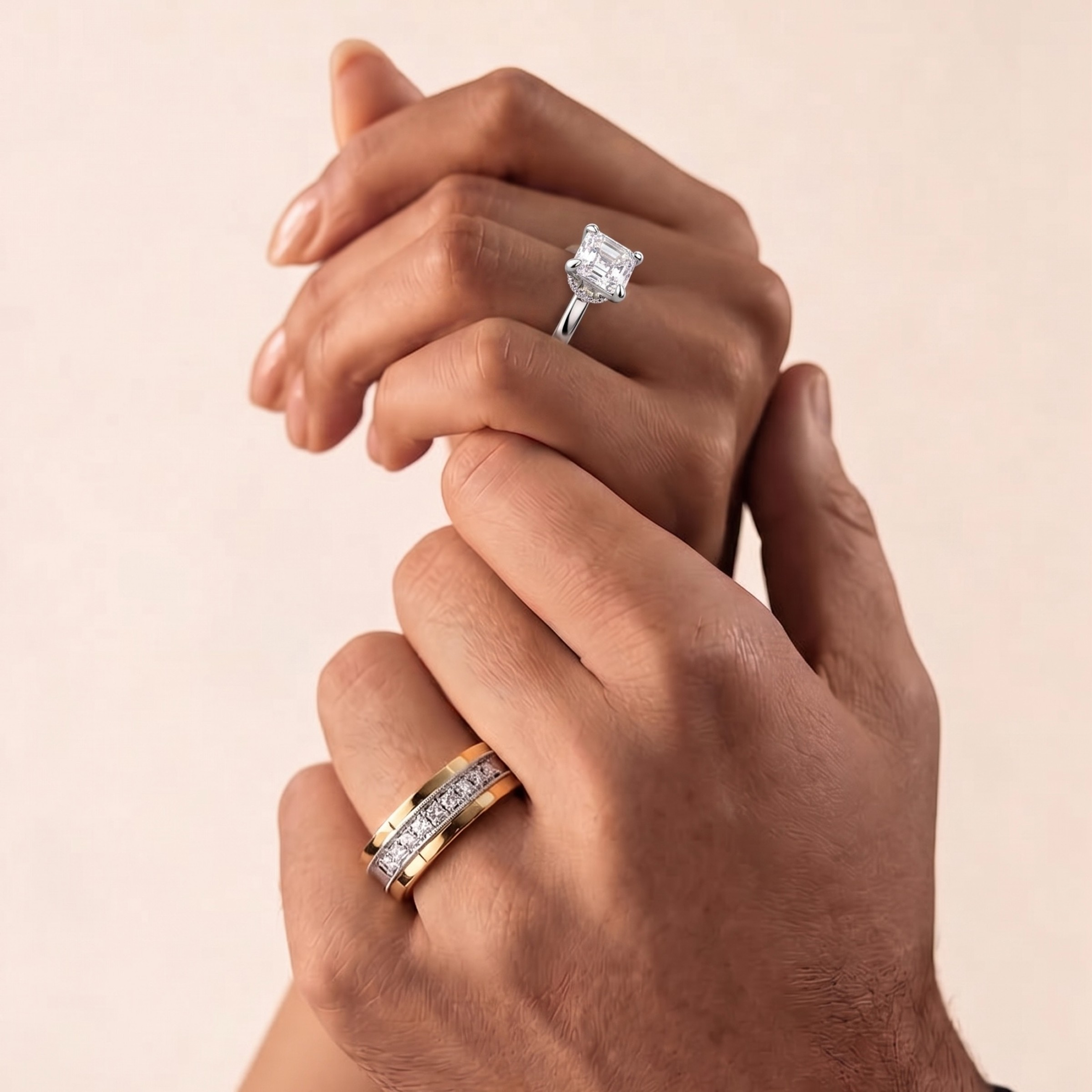
When to lean toward platinum
If you've ever had skin react to jewelry before, platinum is a safe bet. Because it's used at such high purity, your skin is in contact with almost nothing but the platinum itself – not the added metals that most commonly trigger allergic reactions.
- A reliable option for sensitive skin and known nickel allergies
- No surface coating that could wear down or flake over time
- Prefer a different metal? Ask us at Omara about nickel-free white gold – a solid alternative
So, which metal is right for you?
Choose gold if:
- You want to pick a color – yellow, white, or rose – to match your personal style
- You're looking for a beautiful ring at a more accessible price
- You don't mind an occasional visit to a jeweler for rhodium re-plating (white gold)
- You prefer a lighter, more delicate feel on the hand
Choose platinum if:
- You have sensitive skin or an allergy to metals commonly found in alloys
- You want a naturally white color that never changes and never needs replating
- Maximum durability and toughness for everyday wear is your priority
- You like a heavier, more substantial feel on the finger and the higher price doesn't deter you
Frequently Asked Questions
Next article
How to Clean Your Diamond Engagement Ring
Learn about the best, safest, and most effective ways to clean a diamond ring at home, when to seek professional cleaning, and how to maintain your ring’s beauty for years to come.